Squirrel Hunting Ohio Hardwoods
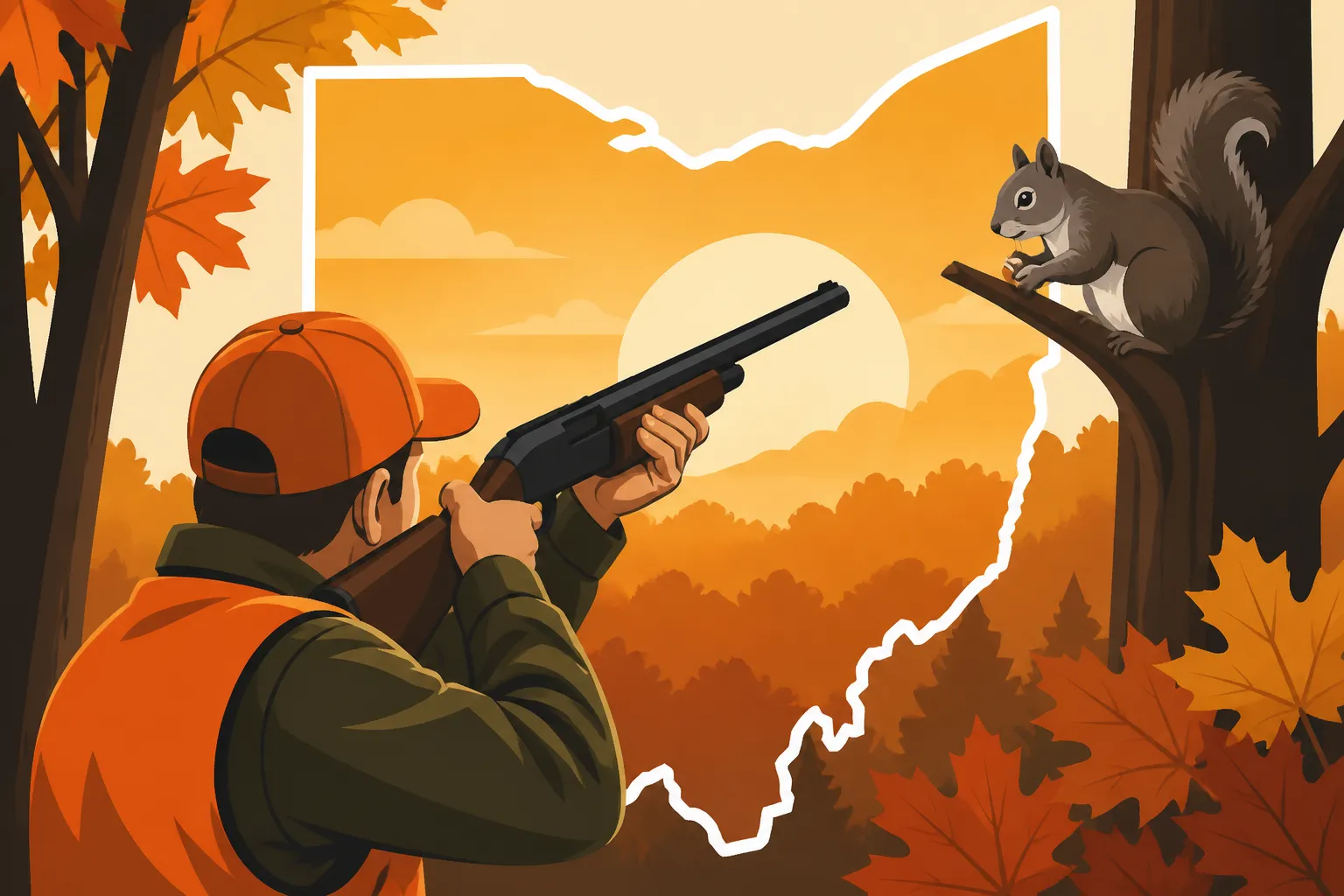
The rustle of fallen leaves underfoot, the sharp bark of a squirrel echoing through the timber, and the crisp autumn air – there's nothing quite like squirrel hunting in Ohio's vast hardwood forests. Many hunters, from seasoned veterans to enthusiastic newcomers, find themselves drawn to this classic pursuit, but often face frustrations when trying to consistently locate active squirrel populations or navigate the often-dense regulations. This comprehensive guide is designed to cut through the confusion, providing you with practical, detailed strategies and insights to make your squirrel hunting adventures in Ohio's hardwoods more successful and enjoyable.
Understanding Ohio's Squirrel Season and Regulations
Before you even think about stepping foot into the woods, knowing the specific rules and regulations is paramount. Ohio's hunting laws are designed to manage wildlife populations responsibly, and understanding them ensures both a legal and ethical hunt. It's not just about avoiding a ticket; it's about contributing to the long-term health of our wildlife resources.
Key Dates and Species in Ohio
Ohio offers a generous squirrel hunting season, typically opening in early September and extending through late January or February, often overlapping with several other hunting seasons. This long window gives hunters ample opportunity to pursue both species found across the state: the Eastern Gray Squirrel and the Fox Squirrel.
The Eastern Gray Squirrel is perhaps the most iconic, smaller than its cousin, often seen scurrying up oak and hickory trees. They tend to prefer mature, extensive hardwood forests with dense canopy cover. You'll find them in abundance throughout the southeastern Appalachian counties, but they are common in woodlots and state forests across much of the state. Fox squirrels, on the other hand, are larger, often sporting a reddish-brown coat, and tend to favor more open woodlands, forest edges, and agricultural areas with scattered timber. They're often seen closer to farmland, especially in Northwest Ohio. The good news is that Ohio's regulations don't differentiate between these two species for hunting purposes; they both fall under the general squirrel season with the same daily bag limits. Make sure to check the latest Ohio hunting regulations annually, as dates can shift slightly. The current daily bag limit for squirrels is usually six, providing a fair opportunity for a productive outing.
Licensing Requirements and Legal Weapons
To hunt squirrels in Ohio, you'll need a valid Ohio hunting license. Residents and non-residents alike are required to purchase one. For residents, this is usually an annual permit, while non-residents often have options for annual or short-term licenses. Youth hunters have specific licensing requirements and often benefit from discounted rates. It's always a good idea to carry physical proof of your license, or have it readily accessible on your mobile device through the Wild Ohio app, as a wildlife officer may request to see it at any time. You can find detailed information on Ohio Resident Hunting License Options or Ohio Nonresident Hunting License Options on the ODNR website.
When it comes to legal weapons for squirrel hunting, Ohio is quite versatile. You can use a variety of firearms, including shotguns, rimfire rifles, and air rifles. Shotguns are popular, especially for fast-moving squirrels in dense canopy, with smaller shot sizes like 4, 5, or 6 being most common. A .22 caliber rimfire rifle is arguably the classic squirrel gun, offering precision for headshots and minimal meat damage. With a .22, you can also consider different ammunition types, like standard velocity or subsonic rounds, for quieter shooting and less disturbance in the woods. Air rifles, particularly those in .177 or .22 caliber, are also gaining popularity due to their quiet operation and accuracy. Remember, always adhere to safety rules, especially when using firearms, and be aware of your surroundings, potential backstops, and other hunters.
Locating Prime Hardwood Habitat for Squirrels
The key to consistent squirrel hunting success isn't just about showing up; it's about showing up in the right place. Squirrels are creatures of habit and sustenance, and understanding their preferred habitats and food sources will give you a significant advantage. Ohio's diverse landscape means a variety of hardwood settings, each with its own nuances.
Identifying Productive Mast Trees
Squirrels are heavily reliant on mast crops – the nuts and fruits produced by trees – for their survival, especially leading into and during the colder months. When scouting for squirrels, your eyes should be peeled for specific tree species. Oak trees, both red and white varieties, are absolute magnets. White oaks drop their acorns earlier and are less tannic, making them a preferred early-season food source. Red oaks, with their higher fat content, become crucial later in the fall and winter, often holding their acorns longer. Hickory trees, with their nutrient-rich nuts, are another prime target. Look for shagbark and pignut hickories, which are common across Ohio's hardwood ridges and river bottoms. Beech trees also produce small, triangular nuts that squirrels adore, though they might be less widespread in dense concentrations than oaks and hickories.
When you find these trees, don't just note their presence; look for evidence of feeding. Fresh cuttings – small pieces of acorn shells or hickory nut husks – on the forest floor, especially under a particular tree or log, are a dead giveaway that squirrels are actively feeding there. The more fresh cuttings you see, the higher the probability of finding squirrels. If you're Squirrel Hunting Ohio Oak Ridges, pay close attention to the abundance and freshness of the acorn crop. A poor mast year can scatter squirrels as they search for alternative food sources, making them harder to pattern.
Reading the Woods for Squirrel Activity
Beyond individual trees, you need to learn to "read" the larger woodland environment for signs of squirrel activity. Look for clusters of productive trees rather than isolated ones. Squirrels prefer to stay within easy travel distance of multiple food sources and escape routes. Pay attention to how the canopy is connected; squirrels will travel through the treetops to avoid predators on the ground. Interconnected branches act as highways for them.
Additionally, observe the general health of the forest. Are there old growth trees with cavities? These provide vital denning sites, especially important during cold snaps and for raising young. Overgrown fencerows or brushy creek bottoms bordering mature woods can also be productive, offering cover and travel corridors. During early season, before leaves drop, the challenge is spotting squirrels amidst the dense foliage. As the season progresses and leaves fall, visibility improves, but squirrels become more wary of movement on the forest floor. Learning to identify these patterns and "hot spots" is crucial for consistent success. The GoHunt app can be a fantastic tool here, allowing you to mark productive trees or areas with heavy squirrel sign on a map for future reference, helping you build a personal database of hotspots.
Terrain Features to Focus On
Ohio's topography varies significantly, from the flat farmlands of the northwest to the rolling, rugged hills of Appalachia in the southeast. Each presents different opportunities and challenges for squirrel hunters. In the hillier regions, focus your efforts on ridge tops, saddles, and hollows that contain a mix of oak and hickory. Ridge tops often offer a drier environment, which can make nuts last longer, and saddles are natural travel corridors for all wildlife, including squirrels moving between feeding and denning areas. Creek bottoms, especially those with mature timber, can also be squirrel magnets, as they often retain moisture longer and support diverse tree growth.
In flatter, farm-belt areas, squirrels will concentrate in woodlot islands, riparian corridors along rivers and creeks, and dense fencerows that offer cover and food. These smaller patches of timber can be extremely productive, especially if they are adjacent to agricultural fields where squirrels might supplement their diet with corn or soybeans during certain times of the year. Don't overlook these smaller, often overlooked pockets of habitat. Sometimes the best hunting is found by Hunting Small Private Tracts in Ohio which might be less pressured than large public areas. Utilizing mapping tools to identify these features and access points before your hunt can save you hours of unproductive walking.
Essential Gear for a Successful Squirrel Hunt
While squirrel hunting doesn't require the same extensive gear list as, say, Western big game, having the right equipment can significantly enhance your comfort, efficiency, and overall success in Ohio's hardwoods. It’s about being prepared for the environment and the task at hand.
Choosing Your Firearm and Ammunition
The choice of firearm largely depends on your hunting style and personal preference. For close-range, fast-action shooting in dense cover, especially during the early season when leaves are still on the trees, a .410 or 20-gauge shotgun loaded with light game loads (e.g., #6 shot) is often ideal. It offers a wider pattern, increasing your chances of connecting with a moving target. However, shotguns can also inflict more meat damage if not used judiciously.
For more precise shooting and minimal meat damage, a .22 caliber rimfire rifle is hard to beat. Brands like Ruger, Henry, or CZ offer excellent, reliable .22 rifles. Equip it with a small scope (e.g., 2-7x or 3-9x) for improved accuracy, especially at longer ranges or in dimmer light. Consider both standard velocity and subsonic .22 ammunition. Subsonic rounds are quieter, which can be advantageous for not spooking other squirrels in the area after a shot. High-velocity rounds offer a flatter trajectory, which can be useful if you're frequently taking shots beyond 50 yards. Air rifles, as mentioned, are also a viable and quiet option, especially for suburban or smaller woodlot hunting where noise might be a concern. Whichever you choose, practice extensively to know your firearm's capabilities and limitations.
Optics for Better Spotting
Good optics are often overlooked by new squirrel hunters but can be a game-changer, especially in dense hardwood canopy. A pair of lightweight binoculars, typically 8×32 or 10×42, can save your neck and eyes from strain. Instead of constantly straining to pick out squirrels with the naked eye or through your rifle scope, use binoculars to scan tree trunks, branches, and den holes for movement or the tell-tale twitch of a tail. This allows you to confirm a target before raising your rifle, minimizing unnecessary movement.
In the early season, when leaves are thick, binoculars help you penetrate the foliage to spot camouflaged squirrels. Later in the season, when branches are bare, they help confirm whether that bump on a branch is a squirrel or just a knot. Brands like Leupold, Vortex, or Bushnell offer excellent binoculars that won't break the bank. For your rifle, a low-magnification scope with a clear reticle is often preferred. You're typically shooting at relatively close ranges, so excessive magnification isn't needed and can actually hinder quick target acquisition. Consider scopes with good low-light performance, as squirrels are most active during dawn and dusk. For more on choosing the right glass, check out Binocular Power for Timber Hunting which delves into what works best in dense woods.
Dressing for Comfort and Stealth
Layering is crucial for comfort during Ohio's squirrel season, which can span from warm early September days to frigid January mornings. Start with a moisture-wicking base layer, add insulating layers like fleece or wool, and finish with a quiet, durable outer layer that breaks up your silhouette. Wool, in particular, is an excellent choice for hunting clothing as it remains warm even when wet and is naturally quiet, which is vital when still-hunting.
Footwear should be comfortable, waterproof, and provide good ankle support, as you'll be covering varied terrain. Rubber boots are great for wet conditions and keeping your scent down, while insulated hiking boots are better for colder weather and longer walks. Don't forget a comfortable backpack to carry your essentials: extra ammunition, water, snacks, a small first-aid kit, and a game bag for your harvest. A good pair of gloves that allow for dexterity with your firearm, and a warm hat, especially in colder weather, complete your ensemble. Remember, squirrels have excellent eyesight, so muted colors or camouflage patterns that blend with the hardwoods are beneficial. You should also consider Ohio's Blaze Orange and Pink Options for safety, especially during overlapping gun seasons.
Effective Hunting Tactics for Ohio Hardwoods
Once you've got your gear and you're in prime squirrel habitat, it's time to put some proven hunting tactics into action. Squirrels are smart, wary creatures, and consistently outsmarting them requires patience, observation, and strategic movement.
The Art of Still-Hunting
Still-hunting is perhaps the most rewarding and effective method for squirrel hunting in hardwoods. It involves moving slowly and deliberately through the forest, pausing frequently to scan the trees and ground for signs of activity. Think of it as stalking, but with more emphasis on observation and less on rapid pursuit. The key is to take one or two steps, then stop for several minutes, scanning every branch, trunk, and log. Squirrels often "freeze" when they detect movement, so by pausing, you give them a chance to relax and resume their activity, making them easier to spot.
Pay attention to the sounds of the forest – the rustle of leaves, the chatter of a squirrel, or the tell-tale "chunk-chunk-chunk" of a nut being gnawed. Use your binoculars to investigate every suspicious lump or shadow. Move into the wind whenever possible to help mask your scent and sound. As you move, try to place your feet carefully to avoid crunching leaves loudly. This is particularly challenging in Ohio's crunchy autumn woods, but with practice, you can learn to step on softer patches of moss or decaying wood. Early morning or late afternoon are prime times for still-hunting, as squirrels are most active during these periods. This technique is similar to what's described in Still-Hunting Shawnee State Forest Ridges but on a smaller scale for smaller game.
Productive Sit-and-Wait Strategies
Sometimes, the most effective strategy is to find a good spot and simply wait. This "sit-and-wait" method works exceptionally well in areas of concentrated mast production. Locate a cluster of oak or hickory trees where you've found plenty of fresh cuttings. Find a comfortable spot to sit, ideally with your back against a large tree for cover and to break up your outline. Position yourself so you have a good field of view, but also some cover from nearby bushes or small trees.
Once settled, stay absolutely still and quiet. Let the woods settle around you. After 10-15 minutes, squirrels that might have been spooked by your approach will often resume their activity. Scan the trees, listen for their tell-tale sounds, and be patient. This method is particularly effective if you've done your scouting homework and know exactly where the squirrels are feeding. It's also a great tactic for colder weather, as it minimizes exertion and allows you to stay warmer. Sometimes, moving just a short distance (50-100 yards) after a period of stillness can disrupt the pattern enough to make previously unseen squirrels move, revealing their location.
Utilizing Calls and Subtle Attractions
While not as common for squirrel hunting as for turkeys or deer, some hunters find success using subtle calling techniques. A simple squirrel call, often a small handheld device that mimics their barks and chatters, can sometimes pique their curiosity or draw them out of hiding. A series of barks might make a nervous squirrel stick its head out from behind a tree to investigate. However, overuse can also make them more wary.
Another subtle attraction can be to mimic feeding sounds. By gently scratching the leaves on the ground with your foot or a stick, you can simulate the sound of a squirrel digging for nuts. This can sometimes convince a hidden squirrel that the coast is clear, prompting it to move. These tactics are most effective when squirrels are already in the general vicinity but are perhaps feeling shy or have momentarily frozen due to your presence. Remember, the goal isn't to draw them from long distances, but to encourage nearby squirrels to reveal themselves. This is a very different application from Rattling Volume in Thick Cover for deer, requiring much more subtlety.
Public Land Opportunities for Squirrel Hunters
Ohio boasts a significant amount of public land accessible to hunters, and much of it offers excellent squirrel hunting opportunities within its hardwood forests. While these areas can see pressure, especially during deer season, savvy squirrel hunters can still find solitude and success.
Top Ohio State Forests for Squirrels
Ohio's state forests, particularly in the southeastern region, are prime squirrel hunting grounds. These vast tracts of contiguous hardwood timber provide ideal habitat for both gray and fox squirrels. Wayne National Forest, which spans multiple counties (Athens, Gallia, Hocking, Jackson, Lawrence, Monroe, Perry, Scioto, Washington), is arguably the crown jewel for public land hunting in Ohio. Its rugged hills and mature oak-hickory stands are perfect for squirrels. You'll find plenty of opportunities for Squirrel Hunting Ohio Hickory Groves here, alongside vast expanses of oak. The Athens Unit of Wayne National Forest, for example, offers dense cover and deep hollers where squirrels thrive.
Shawnee State Forest in Scioto and Adams counties is another fantastic option, often dubbed "Ohio's Little Smokies" due to its challenging topography and extensive timber. Similarly, Zaleski State Forest in Vinton County, Tar Hollow State Forest in Ross and Hocking counties, and Hocking State Forest all offer substantial hardwood acreage. When planning your trip to these state forests, always check for specific regulations or temporary closures, as some areas might be managed for timber harvesting or other activities. Websites like the Ohio Department of Natural Resources (ODNR) and mapping apps like GoHunt can provide invaluable assistance in navigating these large public properties, helping you identify specific timber types and access points.
Exploring Ohio Wildlife Areas for Bushytails
In addition to state forests, Ohio has numerous Wildlife Areas managed by the ODNR that offer excellent squirrel hunting. These areas are typically smaller than state forests but are managed intensively for wildlife, often featuring a mix of mature hardwoods, brushy areas, and sometimes even planted food plots. Killdeer Plains Wildlife Area in Wyandot and Marion counties, while known for its waterfowl, also has significant woodlots that hold good squirrel numbers. Woodbury Wildlife Area in Coshocton County is another popular spot with extensive forest cover.
Many smaller wildlife areas scattered throughout the state, often near urban centers, can also provide surprising squirrel hunting opportunities, especially if you're willing to walk a bit further from the main access points. These areas can often be less pressured for squirrel hunting compared to the more popular deer hunting spots. Utilize the ODNR's interactive mapping tools or a detailed hunting app to locate these areas, scout them beforehand (even virtually), and identify potential hotspots. Remember that public land rules on these wildlife areas can sometimes differ slightly from state forests, so always read the specific regulations for the area you intend to hunt.
Navigating Crowds and Finding Secluded Spots
Public land hunting often means dealing with other hunters. During peak times, like the opening week of squirrel season or overlapping gun deer season, popular spots can get crowded. However, there are ways to find solitude. The simplest method is often to walk further. Most hunters don't venture more than a quarter-mile or half-mile from designated parking areas. If you're willing to put in the extra effort and walk a mile or two into the woods, you'll often find less pressured game and more peaceful hunting.
Another strategy is to identify areas with difficult terrain, such as steep ravines or thick, thorny patches. These "hard-to-reach" spots often deter other hunters but can hold pockets of undisturbed squirrels. Using a mapping tool like GoHunt is invaluable for this, as it allows you to study topography and identify potential deep woods access points or overlooked corners. Consider hunting on weekdays if possible, as weekends naturally see higher hunter traffic. Also, don't be afraid to try hunting during less popular times of day, like midday, when many hunters have already packed up. Being adaptable and willing to explore will greatly increase your chances of finding unpressured squirrels on Ohio's public lands.
Field Dressing and Caring for Your Squirrel Harvest
The hunt doesn't end when you pull the trigger. Proper field dressing and game care are essential to ensure your squirrel meat is delicious and safe to eat. Neglecting these steps can lead to spoiled meat, which is a disservice to the animal and a waste of your efforts.
Quick and Clean Field Dressing Techniques
Field dressing squirrels is relatively straightforward and can be done quickly in the woods. The primary goal is to cool the carcass down as soon as possible and remove any internal organs that can cause spoilage. While there are many methods, a popular and efficient one involves a simple cut and peel.
First, lay the squirrel on its back. Make a small incision through the skin across the belly, just above the pelvis, careful not to cut into the muscle. Then, gripping the skin firmly on both sides of the cut, pull the skin apart from the muscle, working your way towards the tail. You might need to use your knife to carefully separate the skin from the legs and around the anus. Once the skin is mostly peeled back from the hindquarters, you can often step on the squirrel's tail and pull up on the hind legs, peeling the entire hide off towards the head. After the hide is removed, make a larger incision through the belly muscle to expose the internal organs. Reach in and remove all organs, including the heart, lungs, and liver. Inspect for any signs of disease or abnormalities. Finally, use a clean cloth or water bottle to wipe out the cavity. This quick process gets the meat cooling fast.
Proper Game Care from Woods to Table
Once field dressed, the next step is to get your squirrel meat cooled and safely transported. On cooler days, especially in late season, you can often simply place the field-dressed squirrels in a game bag or backpack. However, on warmer early-season days, you'll need to be more diligent. Bring a cooler with ice in your vehicle, and get the squirrels on ice as soon as you're off the trail. This rapid cooling is crucial to prevent bacterial growth and ensure the best flavor.
Once home, the squirrels should be skinned completely, washed thoroughly, and then butchered into manageable pieces. Typically, squirrels are broken down into four leg quarters and the backstraps. Some hunters also utilize the ribs. The meat can then be cooked fresh, or vacuum-sealed and frozen for later use. Properly handled and stored, squirrel meat can last for many months in the freezer. Remember, practicing good hygiene throughout the process – washing hands and sanitizing knives and cutting surfaces – is key to food safety. For tips on preparing your wild game, you might enjoy Best-Eating Game in Ohio for inspiration.
Advanced Strategies for Challenging Hunts
Even with good scouting and solid tactics, some days in the Ohio hardwoods just feel tougher than others. Whether it's tricky weather or squirrels that seem to have vanished, adapting your approach is crucial for success.
Hunting in Varying Weather Conditions
Ohio weather can be notoriously unpredictable, and understanding how squirrels react to different conditions can give you an edge.
- Rainy Days: Light rain or drizzle can actually be excellent for squirrel hunting. The rain dampens the forest floor, making your movements quieter, and often reduces human activity in the woods. Squirrels might still be active, especially if it's not a heavy downpour, and the dim light can make them less wary. Heavy rain, however, will usually send them to their dens.
- Windy Days: A light breeze can be your friend, masking your sounds and movements. However, high winds make squirrel hunting extremely challenging. Squirrels tend to stay hunkered down in their dens or cling tightly to branches, making them nearly impossible to spot amidst the swaying trees. It's also difficult to hear their movements over the wind. If it's very windy, it might be a better day for Shed Hunting on Ohio Public Land or scouting instead.
- Cold Snaps: After a cold front or during winter, squirrels will be looking for high-calorie food sources. Focus your efforts on the densest stands of red oaks or hickories, as they might provide crucial late-season mast. They will also be more active during the warmest parts of the day, typically late morning to early afternoon, as opposed to dawn and dusk.
- Snow: Fresh snow can be a gift to the squirrel hunter. Not only does it quiet your footsteps, but squirrel tracks become incredibly easy to spot. Follow fresh tracks to feeding areas or den trees. Squirrels might also be easier to spot against a white background. Just be sure to dress warmly in layers to combat the cold and potential wetness. For cold weather hunting, check out Insulated Boots for All-Day Sits for crucial footwear advice.
Adjusting Tactics for Late-Season Squirrels
As the season progresses into late fall and winter, squirrel behavior shifts, and your tactics need to adapt. Leaves have fallen, making visibility much better, but also making squirrels more aware of movement on the ground. They're also often more pressured by hunters by this point.
- Focus on Den Trees and Winter Food: In late season, squirrels are spending more time in their den trees, whether they are tree cavities or leaf nests. Focus your scouting on finding areas with a high concentration of mature trees offering denning opportunities. Their feeding will be heavily concentrated around reliable, remaining mast sources, often red oak acorns or any standing corn or grain fields adjacent to woodlots. Late-Season Food Sources for Ohio Whitetails will often apply to squirrels as well.
- Hunt During Peak Warmth: As mentioned, winter squirrels are most active during the warmest part of the day, typically between 10 AM and 2 PM, especially when the sun is out. These are often excellent times to be in the woods, even if it means missing the typical "golden hours" of dawn and dusk.
- Patience is Paramount: With less cover, squirrels will be warier. This means longer waits when still-hunting or sitting. Be prepared to sit for extended periods, remaining perfectly still. Use your binoculars more often to scan for the slightest movement.
- Follow Tracks in Snow: If snow is on the ground, fresh tracks leading from den trees to feeding areas are invaluable. They can reveal exact travel patterns and often lead you directly to active squirrels.
- Longer Shots: With clearer visibility, you might have opportunities for longer shots. Ensure your rifle is zeroed correctly for the ranges you anticipate, and practice shooting from stable positions.
By adjusting your tactics to match the conditions and time of year, you can extend your squirrel hunting success deep into Ohio's colder months.
Ensuring Safety and Ethical Practices in the Field
Hunting is a privilege, and with that privilege comes the responsibility of upholding the highest standards of safety and ethics. This is especially true when hunting small game in shared public spaces like Ohio's hardwoods, where other hunters, hikers, or even wildlife viewers might be present.
Prioritizing Firearm Safety
Regardless of your experience level, firearm safety must always be your top priority. Follow the four fundamental rules of firearm safety religiously:
- Treat every firearm as if it's loaded.
- Always point the muzzle in a safe direction. Never let your barrel sweep across another person, yourself, or anything you don't intend to shoot.
- Keep your finger off the trigger until your sights are on the target and you're ready to shoot.
- Be sure of your target and what's beyond it. This rule is absolutely critical in squirrel hunting. You are often shooting into trees, and a bullet can travel a long distance and retain significant energy. Always ensure you have a safe backstop (like the ground or a large hill) behind your target, and that no other people or buildings are in the line of fire.
When moving through the woods, keep your firearm unloaded or the action open, and the safety on. Only load it when you are in an active hunting area and ready to engage. If you are hunting with a group, communicate clearly about your positions and movements. Wearing blaze orange, even if not strictly required for squirrel hunting during certain seasons, is always a good safety measure to make yourself visible to other hunters. For mandatory requirements during big game seasons, consult Ohio Blaze Orange Requirements.
Respecting Wildlife and Other Hunters
Ethical hunting goes beyond simply following the law; it's about respecting the animals you pursue and the environment you share with others.
- Only Take Clean Shots: Strive for quick, clean kills. This minimizes suffering for the animal and ensures you retrieve your game. Only take shots you are confident you can make. If a squirrel is moving too fast, too far, or too obscured, pass on the shot.
- Leave No Trace: Pack out everything you pack in, and perhaps even pick up any litter you find. Leave the woods cleaner than you found them. This includes shell casings, food wrappers, and anything else.
- Be Mindful of Others: If you encounter other hunters, give them a wide berth. Avoid "sky-lining" yourself (walking along a ridge top where your silhouette is clearly visible against the sky), as this makes you an obvious target for an accidental shot from a distance. If you see hikers or non-hunters, be extra cautious, and ensure your firearm is pointed in a safe direction. Always yield the right of way and maintain a polite, respectful demeanor.
- Know and Follow Regulations: Ignorance of the law is no excuse. Stay current on all Ohio hunting regulations, including season dates, bag limits, and legal methods. This not only keeps you legal but ensures you are contributing to sustainable wildlife management. For information on retrieving game from neighboring private land, be familiar with Retrieving Game From Private Land in Ohio.
By prioritizing safety and adhering to a strong ethical code, you ensure that squirrel hunting in Ohio's beautiful hardwoods remains a cherished tradition for generations to come.
Disclaimer
The information provided in this guide is for general informational purposes only and does not constitute legal advice. Hunting regulations, seasons, and licensing requirements in Ohio are subject to change. Always consult the most current official Ohio Department of Natural Resources (ODNR) hunting regulations prior to any hunting activity. Failure to do so may result in legal penalties. The author and publisher are not responsible for any actions taken based on the information presented herein.