Insulated Boots for All-Day Sits
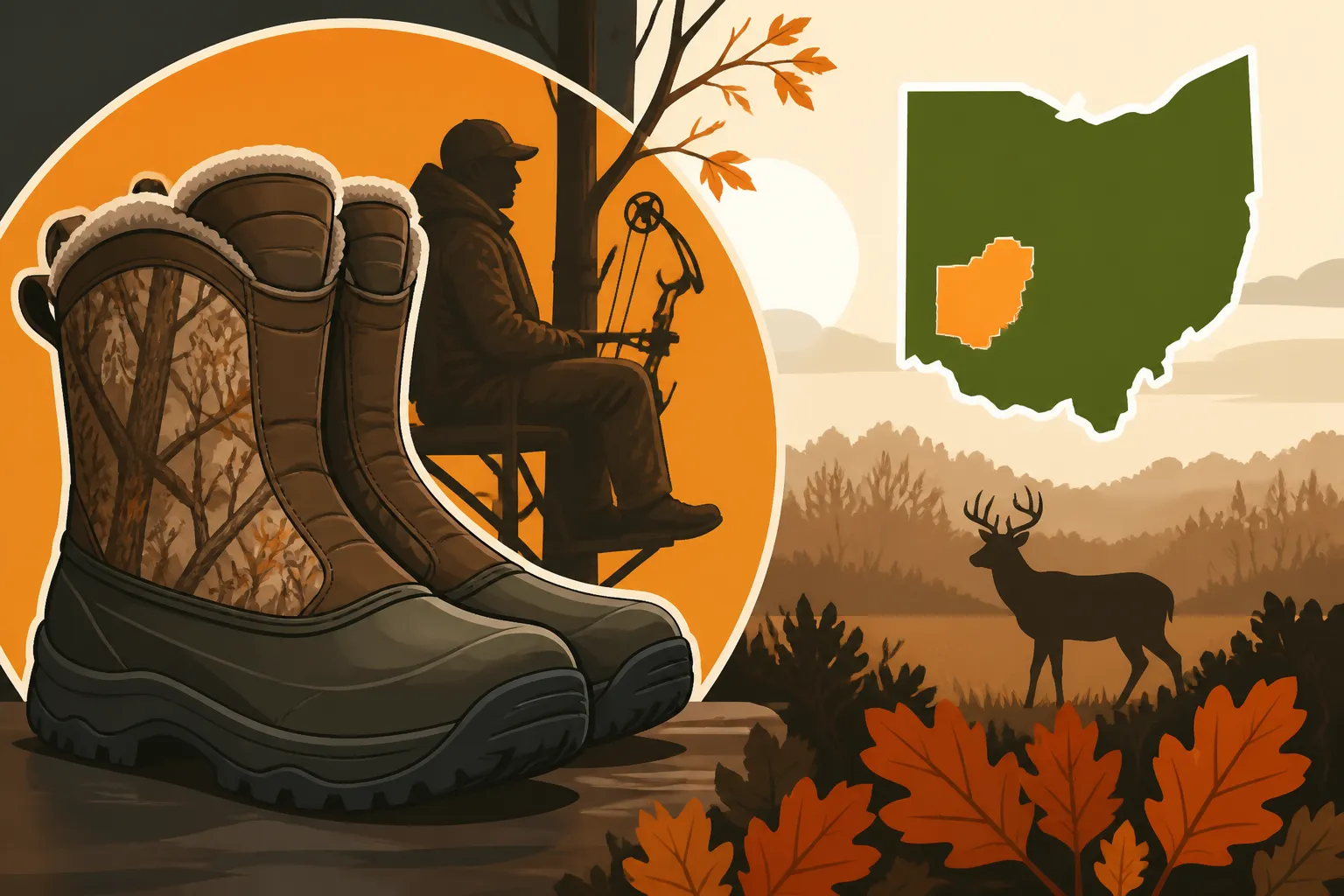
There's nothing quite like the piercing chill that creeps into your toes during an all-day sit in a frigid Ohio treestand or ground blind. That bone-deep cold in your feet can quickly turn an otherwise perfect hunting day into an agonizing test of endurance, often sending you back to the truck long before your self-imposed quitting time. This guide is all about equipping you with the knowledge to choose the best insulated boots, ensuring your feet stay warm and comfortable, allowing you to maximize your time in the woods when it matters most.
The Chilling Reality of Cold Feet on an Ohio Hunt
Ask any seasoned Ohio hunter, and they'll tell you that cold feet aren't just an inconvenience; they're a hunt-ender. Imagine settling into your stand an hour before dawn, the air crisp and still, promising a productive morning. But as the sun inches higher, that damp chill from the November ground starts to work its way through your soles. First, it's a tingle, then a numbness, and before you know it, your entire focus shifts from scanning the woods for deer to wiggling your toes, stamping your feet, and contemplating an early retreat. This isn't just about comfort; it's about staying focused and effective.
The unique weather patterns in Ohio often amplify this problem. We don't just get cold; we get damp, penetrating cold. A typical late-season December morning might hover just below freezing, but with a stiff breeze and lingering ground moisture, the "feels like" temperature can plummet. Your feet, often the most sedentary part of your body during a long sit, are particularly vulnerable. When your feet get cold, your entire body tries to conserve heat by constricting blood flow to your extremities, making you feel colder all over. It's a vicious cycle that can quickly sap your morale and patience, two things every hunter needs in ample supply. Ignoring proper footwear in these conditions is a surefire way to cut your hunt short and potentially miss that trophy buck or late-season doe. You need boots that can stand up to the relentless cold, wet, and inactivity that often defines Ohio's late deer seasons. It’s the difference between a successful, enjoyable hunt and a miserable, abbreviated one.
Understanding Insulation: What Keeps Your Feet Warm
The core purpose of an insulated boot is to trap a layer of warm air around your foot, preventing your body heat from escaping and the external cold from penetrating. This is where the magic of different insulation types comes into play. When you see a boot advertised with "grams of insulation," that number refers to the weight of insulation material used per square meter of the boot. Generally, the higher the gram count, the warmer the boot, but it's not the only factor. The type of insulation and how it performs in wet conditions also matters immensely, especially in Ohio where dampness is a constant threat.
Common Insulation Types and Their Performance
Different materials offer varying benefits. Understanding them can help you match a boot to your specific hunting style and local conditions.
- Thinsulate: This is perhaps the most common synthetic insulation in hunting boots. It's lightweight, low-bulk, and provides excellent warmth for its thickness. Thinsulate, developed by 3M, comes in various weights, from 200g for active early-season hunts to 1200g or even 2000g for stationary, late-season sits. The beauty of Thinsulate is its ability to retain much of its insulating properties even when damp, which is a huge plus if you're slogging through wet snow or mud. Many reputable boot manufacturers utilize Thinsulate because of its proven track record and cost-effectiveness.
- Felt Liners (Zylex/Removable Liners): Often found in pac boots, felt liners are thick, removable layers that provide substantial warmth. Materials like Zylex, a proprietary blend from Sorel, combine wool, felt, and other layers to create incredible insulating power. The advantage here is that you can remove the liners to dry them thoroughly, which is crucial after a sweaty or wet day. They tend to be bulkier than Thinsulate boots, making them less ideal for long hikes but exceptional for stationary hunting in extreme cold, such as those brutal January muzzleloader hunts.
- Wool Blends: Wool has been a natural insulator for centuries, and for good reason. It's warm, wicks moisture, and retains warmth even when wet. Modern boot liners or integrated insulation often use wool blends to enhance these properties. While not as common as standalone insulation as synthetics like Thinsulate, wool provides a comfortable, breathable warmth that's hard to beat.
- Foam/Aerogel: Some high-tech boots incorporate specialized foam or Aerogel, known for their incredible insulating properties in minimal bulk. Aerogel, in particular, is one of the lightest and most effective insulators available, originally developed by NASA. While these boots might come with a higher price tag, they offer exceptional warmth without the bulk, making them a good option for hunters who need to be mobile in extreme cold.
When considering the "grams" of insulation, think about your activity level. For an all-day sit in December or January, you'll likely want at least 800g, with many hunters opting for 1200g or even more if they tend to run cold or hunt in exceptionally harsh conditions. However, if you're doing a lot of walking, like Still-Hunting Shawnee State Forest Ridges, too much insulation can lead to sweaty feet, which ironically, can then get very cold when you stop moving. It's a delicate balance.
Essential Features for All-Day Comfort and Protection
Beyond just the insulation, a boot's overall design, materials, and features play a huge role in keeping you comfortable and protected during those long hours afield. You need a boot that's not just warm, but also durable, waterproof, supportive, and properly fitted.
Waterproofing is Non-Negotiable
Ohio's weather is notoriously fickle. One day it's dry and cold, the next it's a muddy mess or spitting sleet. Good waterproofing isn't a luxury; it's an absolute necessity. Look for boots that feature a waterproof membrane, often GORE-TEX or similar proprietary technologies, integrated into the boot's construction. This membrane allows moisture vapor (sweat) to escape while preventing external water from getting in. Also, pay attention to the seams; they should be sealed to prevent leaks. Even the warmest boot becomes a torture device if your feet get wet from external moisture. Many hunters have learned this lesson the hard way, spending a miserable afternoon with soggy socks after stepping in a seemingly shallow puddle. Make sure the boots you're eyeing can truly stand up to the damp reality of Ohio woods.
The Importance of Fit and Support
A proper fit is paramount for comfort and warmth during long sits. Your boots should be snug enough to prevent your foot from sliding around, which can cause blisters, but not so tight that they restrict blood flow. Remember, you'll likely be wearing thick wool socks, so factor that into your sizing. Try on boots with the actual socks you plan to hunt in. Pay close attention to the arch support and ankle stability, especially if you'll be navigating uneven terrain, like Dragging a Deer Off a Steep Ridge or hiking to your stand in the dark. Good ankle support helps prevent sprains and fatigue.
Consider the lacing system; some boots offer speed laces or quick-cinch systems that make getting them on and off easier, even with cold fingers. A gusseted tongue is also a desirable feature, as it prevents water and debris from entering the boot through the laces.
Sole Performance and Traction
The sole of your hunting boot is your connection to the ground, and its performance can make a big difference, particularly in tricky Ohio conditions. Look for aggressive lug patterns that provide excellent traction on mud, snow, ice, and rocky terrain. A stiff sole offers better support and can help prevent fatigue when standing for long periods or climbing treestand steps. A flexible sole, while more comfortable for walking, might not offer the same level of insulation or stability for stationary hunting. Many serious hunters, including those who frequent sites like GoHunt for gear reviews, emphasize the importance of a well-designed sole that can grip effectively in all conditions. The last thing you want is to slip on a slick patch of frozen leaves while carrying your rifle or a harvested deer.
Choosing the Right Grams of Insulation for Ohio Seasons
Deciding on the right amount of insulation can feel like a guessing game, but it largely depends on the specific conditions you anticipate and your personal physiology. Some people naturally run colder than others, and what works for one hunter might not be enough for another.
Early Season (Archery: October/November)
For the milder days of Ohio's early archery season, when temperatures might still be in the 30s or 40s, a lighter insulation package is usually sufficient.
- 200-400 grams: This range is perfect for those crisp autumn mornings when you're doing a fair bit of walking to your stand, but still sitting for a couple of hours. It provides warmth without overheating your feet and causing sweat. Sweaty feet will quickly get cold once you stop moving, so it's a balance. If you're going to be highly active, even less insulation or simply a quality pair of non-insulated, waterproof boots with thick wool socks might be enough. Think of a brisk morning chasing squirrels in Squirrel Hunting Ohio Oak Ridges or setting up an early-season bow stand.
Peak Season (Rut/Gun: November/December)
As the heart of Ohio's deer season kicks in, with the rut and the gun seasons, temperatures drop significantly, and the possibility of snow and sustained cold becomes very real.
- 600-1000 grams: This is the sweet spot for many Ohio hunters during late November and through the regular gun seasons. This level of insulation provides serious warmth for those longer sits when the mercury is hovering around freezing or dropping into the 20s. If you're planning on Hunting the Ohio Rut in Early November and sitting for dawn-to-dusk stints, or enduring the crowds during Ohio's Two-Weekend Gun Deer Season, this insulation range will keep your feet comfortable without being overly bulky for modest walks. It offers a good balance of warmth and mobility for typical late-season conditions. You want enough warmth to prevent cold from creeping in during those crucial hours.
Late Season (Muzzleloader/Archery: January/February)
This is when Ohio truly tests a hunter's resolve. The late season brings the coldest temperatures, often accompanied by snow, ice, and bitter winds. This is when maximum insulation becomes crucial for survival, not just comfort.
- 1200-2000+ grams: When you're sitting for Muzzleloader Deer Hunting in Ohio in single-digit temperatures, or braving the tail end of How Ohio's Archery Season Runs Into February, you need all the warmth you can get. Boots with 1200 grams or more are specifically designed for static hunting in extreme cold. They will be bulkier, heavier, and less ideal for covering long distances, but their ability to keep your feet warm during hours of inactivity is unparalleled. If you tend to get cold easily or plan on extended sits in severe weather, don't skimp on insulation here. Pairing these high-gram boots with quality wool socks is the best defense against frostbite and ensures you can focus on the hunt, not your freezing toes.
Tips for Maximizing Warmth and Boot Longevity
Even the best insulated boots can fail you if not used and maintained correctly. A few simple practices can significantly improve your comfort and extend the life of your expensive footwear.
Proper Layering for Your Feet
Just like your core, your feet benefit from layering. Start with a thin liner sock made of synthetic material or merino wool to wick moisture away from your skin. Over that, wear a thicker, high-quality wool sock. Wool is excellent because it insulates even when damp and offers natural odor resistance. Avoid cotton socks at all costs; cotton absorbs moisture and loses all insulating properties when wet, guaranteeing cold feet. Don't layer so many socks that your boots become too tight, as this will restrict blood flow and actually make your feet colder. A snug, but not constricting, fit is key.
Drying Your Boots Thoroughly
After every hunt, especially if your feet have gotten sweaty or your boots have encountered moisture, it's critical to dry them completely. This prevents odors, inhibits mold and mildew growth, and restores the insulation's loft, ensuring maximum warmth for your next outing.
- Air Dry: Remove any insoles or liners and open up the boots as wide as possible. Let them air dry in a well-ventilated area. Avoid direct heat sources like campfires or heaters, as extreme heat can damage materials, adhesives, and waterproof membranes.
- Boot Dryers: An electric boot dryer is an invaluable tool for any serious hunter. These devices use gentle heat and/or forced air to dry boots quickly and thoroughly, reaching those hard-to-dry internal spaces without damaging the materials. They're a game-changer for regular hunters.
- Stuffing: If you don't have a dryer, stuffing your boots with newspaper can help absorb moisture. Change the newspaper frequently until the boots are dry.
Protecting Your Boots: Waterproofing and Cleaning
Regular maintenance keeps your boots performing their best. Over time, the durable water repellent (DWR) finish on the exterior of your boots can wear off, and leather can dry out, compromising their waterproofness.
- Re-waterproofing: Use a spray-on or rub-on waterproofing treatment designed for your boot's materials (leather, synthetic, or a combination). Apply it periodically, following the product's instructions, especially before a big hunting trip or a stretch of wet weather. This will help water bead up and roll off, preventing the outer layers from soaking through.
- Cleaning: After a muddy hunt, clean your boots. Rinse off loose dirt and mud with water, and use a soft brush to scrub away stubborn grime. Pay attention to the sole, as packed mud can reduce traction. Keeping your boots clean isn't just aesthetic; it prevents debris from abrading materials and wearing them out prematurely.
By following these simple steps, your insulated hunting boots will serve you faithfully, keeping your feet warm and dry through countless Ohio hunting seasons. They're an investment, and treating them well ensures they pay dividends in comfort and extended time in the deer woods.
Table: Ohio Hunting Boot Insulation Guide
| Season/Temperature Range | Activity Level | Recommended Insulation (grams) | Key Considerations | Ideal for |
|---|---|---|---|---|
| Early Fall (40°F+) | Moderate to High | 0 – 200g | Prioritize breathability, good fit with light socks | Long walks, Squirrel Hunting Ohio Hardwoods, early season scouting |
| Late Fall/Early Winter (20-40°F) | Moderate to Low | 400 – 800g | Balance warmth with mobility, waterproof | Active archery hunting, light walking to stand, Hunting the Rut in Early November, typical Ohio gun season days |
| Mid-Winter Cold (0-20°F) | Low (long sits) | 1000 – 1600g | Maximum warmth for static hunting, layered socks | All-day sits in treestands, Muzzleloader Tactics in January Cold, Cold-Weather Sitting Strategy in Ohio, Hunting the Late-Season Rut Lull in late season |
| Extreme Cold (Below 0°F) | Very Low (minimal movement) | 1600g+ | Pac boots or specialized systems, consider bulky fit | Extreme late season conditions, ice fishing, situations where movement is minimal and warmth is paramount, particularly during Hunting the Second Gun Weekend Before Christmas |
When you're out there on the edges of a cut cornfield, perhaps Hunting a Standing Soybean Field, or deep in the hardwoods of Wayne National Forest, the last thing you want to be thinking about is your feet. Your gear should disappear, allowing you to immerse yourself in the hunt. By carefully selecting insulated boots, understanding their features, and taking good care of them, you're not just buying footwear; you're investing in longer, more comfortable, and ultimately more successful days afield in Ohio. Brands like GoHunt are great resources for reading reviews and comparing options before you make your final selection. Don't let cold feet chase you out of the woods prematurely ever again.
Disclaimer
This article is for general informational purposes only and does not constitute professional advice. Laws, prices and regulations vary by location and change over time. Consult a qualified professional for guidance on your specific situation.