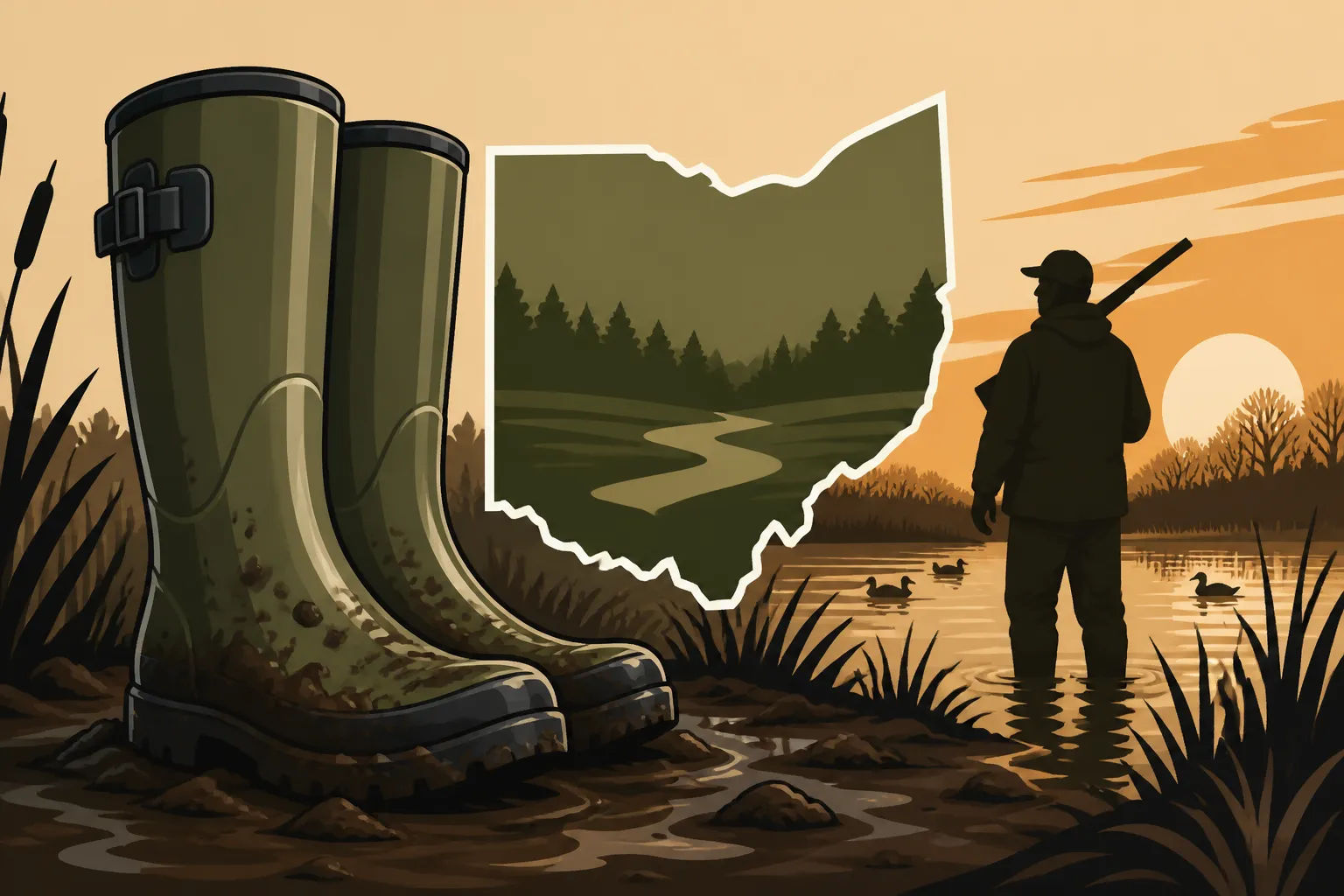
Rubber Boots for Mud Season Hunting
Ohio's mud season can transform even the most familiar hunting grounds into a slick, boggy mess, making every step a challenge and often leading to cold, wet feet that can cut a hunt short. There's nothing worse than trekking into a prime spot only to feel that chilling dampness creep through your boots, sapping your morale and focus. This guide is all about equipping you with the knowledge to conquer those notoriously mucky conditions, focusing on why reliable rubber boots are your best ally for staying dry, warm, and stealthy when the woods get sloppy.
Why Rubber Boots are Non-Negotiable for Ohio Mud Season
When the leaves are off the trees and the late season deer hunts are calling, you’re often facing some of the most challenging, and let’s be honest, messiest conditions Ohio has to offer. This isn't just about keeping your feet dry; it’s about maintaining your comfort, your stealth, and ultimately, your effectiveness as a hunter.
The Unpredictable Nature of Ohio Weather
Ohio weather is famously fickle, especially as we transition from fall into winter and then through the thaw cycles of late season. One day might be crisp and cold, firming up the ground, and the next could bring a warm rain or melting snow, turning trails and fields into soupy quagmires. A light drizzle can quickly become a steady downpour, or an overnight temperature drop can transform muddy ruts into treacherous ice. These freeze-thaw cycles are the nemesis of many hunters, as they relentlessly create mud.
Traditional leather or even some fabric-based waterproof boots, while great in drier, colder conditions, often struggle to keep up with persistent saturation. Stitching, seams, and material pores can eventually fail, leading to that dreaded feeling of wet socks and cold toes. Once your feet get wet and cold, it’s incredibly difficult to recover, and often the only sensible option is to head back to the truck, ending a potentially promising hunt prematurely. Staying out longer, even through miserable conditions, is crucial for success, and that starts with your feet.
Essential Waterproofing and Scent Control
The most obvious advantage of rubber boots is their unparalleled waterproofing. Unlike other materials that can eventually absorb moisture or have their waterproof membranes compromised, a solid rubber shell creates an impenetrable barrier against standing water, deep mud, and slush. Whether you're wading through a shallow creek bed, crossing a flooded agricultural field, or slogging through a beaver swamp, good rubber boots mean your feet stay bone dry. This peace of mind allows you to focus on the hunt, not on squishing through puddles.
Beyond waterproofing, rubber boots offer a significant advantage in scent control, which is absolutely critical for pursuing Ohio whitetails, especially mature bucks late in the season. Fabric boots can absorb and retain human odors, leaving a scent trail with every step you take. Even if you're meticulously washing your hunting clothes, your boot soles can become a major source of ground scent. Rubber, by its very nature, is less porous and holds scent far less effectively. This means you can reduce the amount of human odor you’re leaving on the forest floor, around your stand, or along your approach and exit routes. You can even spray down the rubber exterior with scent-killing sprays without worrying about damaging the material, helping you maintain that crucial advantage over a wary buck.
Key Features to Look for in Ohio Mud Season Rubber Boots
Not all rubber boots are created equal, and knowing what to look for can make all the difference between a comfortable, successful hunt and a miserable slog. When hunting the challenging, often-muddy conditions of Ohio, certain features become paramount.
Insulation Levels and Temperature Ratings
Ohio's late season can swing wildly in temperature. You might have a 40-degree rainy afternoon one day and a 10-degree wind-chill morning the next. This variability means you need to think carefully about insulation. Rubber boots come with various levels of insulation, often measured in grams (e.g., 400g, 800g, 1200g, or even more).
For highly active hunts like still-hunting through thick cover or even Deer Drives With Three or Four Hunters, where you're constantly moving, lighter insulation might be sufficient, especially if you plan to layer your socks. However, for sitting motionless in a treestand during Cold-Weather Sitting Strategy in Ohio or a ground blind for hours on a frigid morning, heavy insulation is absolutely essential. Consider your primary hunting style and the typical temperatures you'll be facing. A good rule of thumb for prolonged sitting in cold Ohio temperatures (below freezing) is 800 grams or more, coupled with a quality sock system. Brands often provide temperature ratings, but these are subjective and depend heavily on individual circulation, activity level, and sock choice. It’s always better to err on the side of slightly more insulation if you're prone to cold feet, as you can always shed a sock layer, but you can't add insulation to your boots once you're in the woods.
Traction, Fit, and Durability
Navigating slick mud, icy patches, wet leaves, and steep, greasy slopes in Ohio's hill country requires exceptional traction. Look for boots with aggressive, multi-directional tread patterns that shed mud easily and provide purchase on varied terrain. Deep lugs and self-cleaning designs are invaluable. A poor sole can lead to slips, falls, and unnecessary noise, blowing your approach or making an already tough trek even harder.
The fit of your rubber boots is also crucial. Too loose, and your foot will slide around, leading to blisters and fatigue. Too tight, and you'll restrict circulation, making your feet colder. A snug fit, particularly around the ankle and heel, is ideal, allowing for comfortable walking while still giving your toes a little room. Many hunters size up slightly to accommodate thicker socks. Trying on boots with the actual socks you plan to wear is highly recommended. The overall comfort for long walks from the truck into remote public land, like areas within Wayne National Forest Hunting or Shawnee State Forest Hunting, is paramount. A good fit ensures you can hunt longer and more comfortably.
Finally, consider durability. Ohio hunting often involves pushing through dense briars, sharp branches, and abrasive rocky terrain. A quality rubber boot will have a robust, puncture-resistant outer shell that can stand up to this abuse season after season. Look for reinforced toe and heel areas. Cheaper boots might save you money upfront, but they often fail quickly, leaving you with wet feet and needing to replace them sooner. Investing in a durable pair means reliability when you need it most. Many hunters find resources like GoHunt helpful for researching specific boot models and reading user reviews on durability.
Practical Tips for Maximizing Your Rubber Boot Performance
Rubber boots are an investment in your comfort and success, and with a little care and forethought, they can serve you faithfully for many seasons in the unpredictable Ohio elements.
Proper Care and Maintenance
After a long, muddy day slogging through a creek bottom or a freshly harvested cornfield, your boots are going to be caked in dirt. The most important first step in care is simply cleaning them. Don't let mud dry on the rubber, as it can sometimes draw out plasticizers over time, leading to cracking. A quick rinse with a hose and a soft brush will do wonders. Pay attention to the tread, ensuring all debris is removed to maintain maximum traction for your next outing.
Once cleaned, allow your boots to dry thoroughly. Never store them in direct sunlight or next to a harsh heat source like a wood stove, as excessive heat can degrade the rubber and cause it to crack. Instead, let them air dry naturally in a cool, well-ventilated area. Using a boot dryer (especially models with low heat or just fan settings) can speed up the process, ensuring the interior is completely dry and odor-free for your next hunt. Stuffing newspaper inside can also help absorb moisture and maintain their shape. Proper storage, away from extreme temperatures and harsh chemicals, will significantly extend the life of your rubber boots.
Sock Systems and Layering Strategies
Even the best insulated rubber boots won't perform optimally if you're wearing the wrong socks. Cotton is the enemy of cold-weather hunting; it absorbs moisture and stays wet, quickly leading to cold feet. Instead, embrace a quality sock system. Start with a thin, moisture-wicking liner sock made from merino wool or a synthetic blend. This layer pulls sweat away from your skin, even if your feet perspire.
Over the liner, add an appropriate insulating sock. Again, merino wool is a fantastic choice due to its warmth, moisture-wicking properties, and natural odor resistance. The thickness of this insulating layer will depend on the boot's insulation level and the ambient temperature. On a brutally cold January morning during Muzzleloader Tactics in January Cold, you might opt for a heavy expedition-weight wool sock. For milder days, a medium-weight sock might suffice. The key is to create a system that keeps your feet dry and warm without making your boots too tight, which can restrict circulation and actually make your feet colder. This layering approach, similar to how you build your outer clothing layers for Layering for an Ohio Deer Stand, offers versatility for different weather conditions.
Pairing with Other Gear for Ultimate Comfort
Your rubber boots are a vital piece of the puzzle, but they work best as part of a complete system. To prevent rain, snow, or mud from finding its way into the top of your boots, consider wearing gaiters or waterproof rain pants that extend over the boot tops. This creates a shingled effect, shedding water away from the opening. There’s nothing more frustrating than having bone-dry feet but wet socks because water ran down your pant leg into your boot.
Additionally, ensure your outer layers – jacket and pants – are truly waterproof. If your upper body gets soaked, your core temperature will drop, and your feet will inevitably follow suit, even in the best boots. A waterproof shell layered over insulating clothing will keep you dry and warm from head to toe. Don't forget a quality waterproof pack for essential gear. A well-prepared hunter will even use tools like the GoHunt app to check detailed weather forecasts and terrain maps before ever leaving home, helping them select the ideal boot insulation and layering system for the day's conditions.
Choosing the Right Height and Style for Ohio Hunting
The specific height and design of your rubber boots can greatly impact their effectiveness and your comfort, depending on the type of terrain and water you expect to encounter in Ohio.
Knee-High vs. Mid-Calf Options
The most common rubber boots for hunting come in either knee-high or mid-calf designs, each with its own advantages. Knee-high boots, typically ranging from 16 to 18 inches, offer maximum protection against deep mud, significant snow drifts, and crossing shallow streams. If you're hunting lowland areas, marsh edges, or heavily saturated timber, like the rich bottomlands of Hunting the Ohio River Backwaters or navigating deeper channels, these taller boots are often the superior choice. They provide confidence that you won't overtop your boots when stepping into an unexpected depression or a slightly deeper-than-expected puddle. This added height is especially valuable when Reading Ohio Snow for Fresh Deer Movement, as you might be tracking through varying snow depths.
Mid-calf boots, usually around 12 to 14 inches tall, are a good option for hunters who prioritize mobility and lighter weight, or when hunting slightly drier terrain where deep water isn't a primary concern. They are often easier to walk in for long distances and can feel less cumbersome. If your hunting involves more upland walking, less standing water, or traversing rolling hills where only shallow mud is expected, a mid-calf boot might be more comfortable. However, be mindful of their limitations; a misstep into a deeper puddle can quickly compromise your dryness.
Built-in vs. Adjustable Gussets
Many rubber boots feature a gusset on the calf, which is essentially an expandable panel that can either be built-in or adjustable. Boots with a built-in gusset or a wider shaft are often designed for a more universal fit, accommodating larger calves or allowing more room for pant legs to be tucked inside. These are simple, straightforward designs, but offer less flexibility in tightening the fit.
Adjustable gussets, often secured with a strap or buckle, provide a customizable fit around the calf. This is a fantastic feature for several reasons: it allows you to cinch the boot tighter to prevent debris from entering, to accommodate different pant thicknesses, or to get a more secure fit if you have narrower calves. For some hunters, the ability to fine-tune the fit is essential for preventing rubbing and improving overall walking comfort, especially over varied terrain. It also helps prevent the dreaded "suction" effect when pulling your foot out of deep mud. Many top brands cater to these different needs, and you can often find detailed comparisons and reviews on hunting-focused platforms, like those found on GoHunt, to help you decide which style best suits your build and hunting habits.
| Feature | Knee-High Boots | Mid-Calf Boots |
|---|---|---|
| Height | Approx. 16-18 inches | Approx. 12-14 inches |
| Water Protection | Excellent for deep mud, snow, shallow creek crossings | Good for moderate mud, light snow, less standing water |
| Mobility | Can feel heavier, less flexible for long walks | Lighter, better for longer walks, more agile |
| Terrain Suitability | Marshes, creek bottoms, heavy snow, deep timber | Rolling hills, drier woods, open fields |
| Scent Control | Excellent (minimal scent transfer) | Excellent (minimal scent transfer) |
| Common Use Case | Late-season deer hunting, waterfowl, trapping | Early season archery, upland birds, active hunting |
Disclaimer
This article is for general informational purposes only and does not constitute professional advice. Laws, prices and regulations vary by location and change over time. Consult a qualified professional for guidance on your specific situation.