Muzzleloader Tactics in January Cold
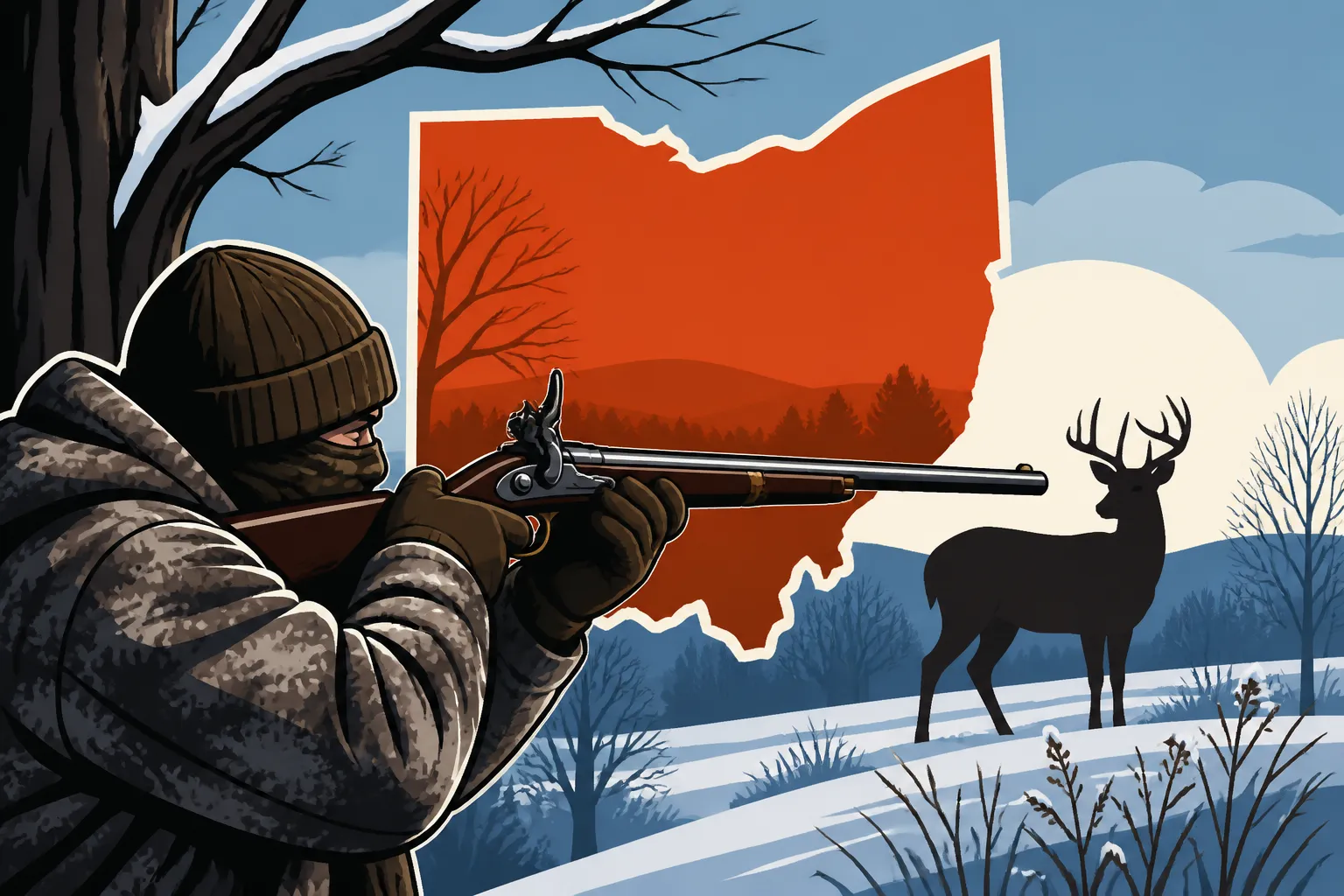
Hunting Ohio's muzzleloader season in January can feel like a test of wills, where bitter cold, unpredictable snow, and deer that seem to vanish into thin air conspire against even the most seasoned hunter. It's a time when many have already hung up their gear, but for those of us dedicated to extending our season, it offers a unique challenge and the chance for a truly hard-earned whitetail. This guide is all about equipping you with the right mindset, gear, and tactics to face down Ohio's mid-winter elements and fill your tag when the mercury plummets.
Understanding Ohio's January Muzzleloader Season
When that crisp, cold air of January rolls in, a lot of hunters might think the deer season is over. But for those of us who appreciate the challenge and tradition, Ohio's muzzleloader season offers a final, albeit often brutal, window of opportunity. This isn't just about throwing on an extra layer; it's about understanding a completely different deer hunting landscape.
The Unique Challenges of Mid-Winter Hunting
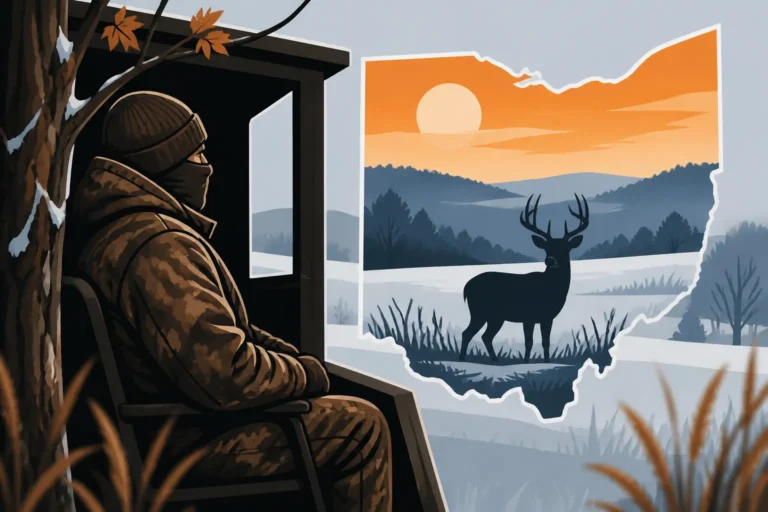
Let's be real, hunting in January cold is tough. The weather can swing wildly from relatively mild to downright frigid, often accompanied by biting winds, heavy snow, or even freezing rain. This isn't the comfortable sit of early archery season, nor the social atmosphere of gun week. You're often out there when the woods are quiet, covered in a blanket of white, and the temperature is doing its best to seep into your bones. The deer themselves are under immense pressure, too. They've been hunted hard for months, their natural food sources are dwindling, and their primary focus shifts dramatically from rutting to pure survival. They become incredibly efficient, conserving energy and moving only when absolutely necessary, often during the most brutal parts of the day when fewer hunters are afield. The sheer willpower it takes to brave those mornings, with numb fingers struggling to load a cold muzzleloader, is a frustration every January hunter knows well.
Key Ohio Regulations and Season Dates for Muzzleloaders
Ohio's muzzleloader season typically runs for a specific week in early January, usually following the regular deer gun season's second weekend. It’s important to double-check the exact dates each year with the Ohio Department of Natural Resources (ODNR), as these can sometimes shift. For instance, you can always find the precise opening and closing dates by looking up Ohio Muzzleloader Season Dates. During this period, hunters are permitted to use muzzleloading rifles, shotguns (with single projectile), and handguns that meet specific caliber and barrel length requirements. Straight-wall cartridge rifles, which are increasingly popular during other gun seasons, are generally not permitted during the dedicated muzzleloader-only week. You'll need your valid hunting license and a deer permit, just like any other deer season. Make sure you understand the antlered vs. antlerless regulations for your specific county, as these can impact your harvest strategy, especially if you're trying to fill an additional tag with an antlerless permit.
Essential Gear for January Muzzleloader Success
When it comes to late-season muzzleloader hunting in Ohio, your gear isn't just about comfort; it's about survival and success. The right equipment can make the difference between a miserable morning cut short by the cold and a productive day resulting in venison for the freezer.
Keeping Your Muzzleloader Functioning in the Cold
This is where many late-season muzzleloader hunts go sideways. The biggest frustration? A misfire. Nothing sours a cold morning more than pulling the trigger on a hard-earned buck and hearing a click instead of a bang. Keeping your powder dry is paramount. Before you even head out, ensure your powder, whether it's loose powder or pre-measured charges, is stored in waterproof containers. I like to use small, sealable plastic tubes for my powder charges. When loading, be meticulously careful to avoid moisture. A small piece of electrical tape over the muzzle and another over the primer or nipple can provide a surprising amount of protection against snow, sleet, or freezing fog. Some experienced hunters will even take their ramrod off the gun when not moving, keeping it tucked inside their coat to prevent it from freezing to the barrel if it gets wet. For those using 209 primers, a sealed primer caddy is a must. Remember, the metal of your gun gets cold, and condensation can form, turning into frost or ice. Giving your rifle a good wipe-down with an oily rag before you head out, and a quick re-wipe if it starts to get damp, can help. For an even deeper dive into this, check out tips on Keeping a Muzzleloader Dry in Wet Snow.
Layering Strategies for Extreme Ohio Winter
Ohio winters are no joke, and sitting still for hours on end in a treestand or ground blind in January demands a serious layering system. Forget cotton; it holds moisture and will leave you chilled to the bone. Start with a good base layer of merino wool or a high-quality synthetic that wicks moisture away from your skin. On top of that, you need an insulating mid-layer. Fleece or more wool works great here. The goal is to trap warm air close to your body without restricting movement. Finally, your outer layer needs to be windproof and waterproof, offering protection from snow, sleet, and that biting Ohio wind. Look for gear with minimal bulk that still allows you to shoulder your rifle comfortably. Don't forget your head, hands, and feet – these are critical areas for heat loss. A good balaclava or stocking cap, insulated gloves with a thin liner, and waterproof, insulated boots are non-negotiable. I can't stress enough how a proper pair of boots, rated for extreme cold and with plenty of room for thick wool socks, makes all the difference. Sometimes, I even use GoHunt to check detailed weather forecasts by the hour, helping me fine-tune my layering based on expected wind chills and precipitation. For more ideas on how to stay warm, consider reading up on Cold-Weather Sitting Strategy in Ohio.
Optics and Accessories for Low Light and Snow
January days are short, and the sun hangs low, often hiding behind thick clouds. This means precious little shooting light. Your binoculars and scope need to perform in dim conditions. Look for optics with larger objective lenses (e.g., 42mm or 50mm) that gather more light. Ensure your scope's lenses are clean and free of fog or moisture – a simple lens pen can be a lifesaver. A reliable rangefinder is also crucial, especially if snow is on the ground, as it can play tricks on your depth perception. Cold weather can drain battery life quickly, so carry spare batteries for your rangefinder, headlamp, and any other electronic accessories. A good headlamp, ideally one with a red light setting to preserve night vision, is essential for walking in before dawn and out after dusk. Finally, bring a small, foldable seat pad. Getting your backside off the freezing ground or treestand platform will go a long way in keeping you warm and comfortable for longer sits.
Muzzleloader Hunting Tactics for January Whitetails
By January, the deer are less concerned with breeding and much more focused on finding enough calories to survive. Their patterns shift dramatically, and successful muzzleloader hunting during this time means adapting your strategy to their survival instincts.
Locating Late-Season Food Sources
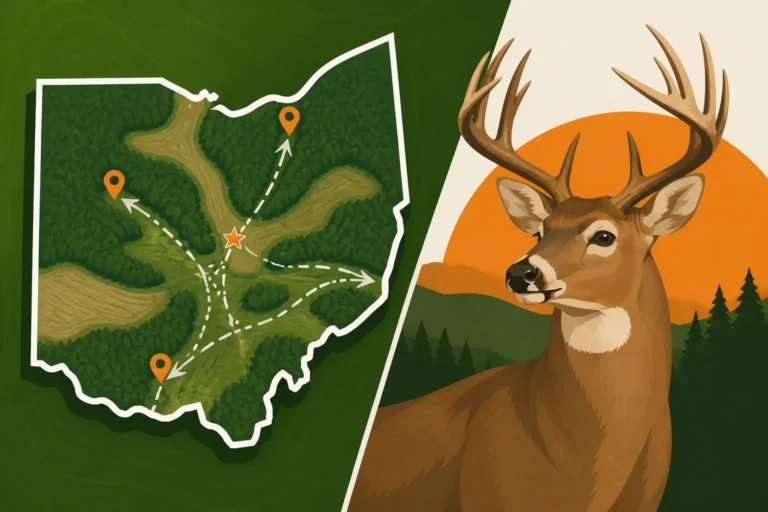
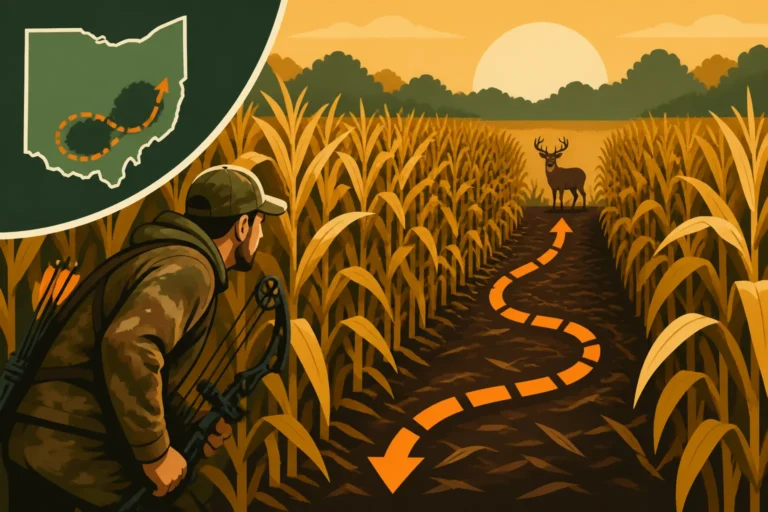
Deer in January are slaves to their stomachs. Acorns are long gone, and most natural browse has been picked clean. Their priority is finding any remaining high-energy food to fuel their bodies against the cold. This means agricultural fields are king. Look for standing corn, unharvested soybeans, or even winter wheat and brassica plots that farmers might have put in. Deer will often bed very close to these food sources, moving out only at last light and returning before first light to minimize energy expenditure. Identifying these crucial feeding areas is your first step. Use scouting apps like GoHunt to analyze aerial imagery for agricultural fields bordered by thick cover or woodlots. Look for deer trails leading directly from bedding areas to these fields, especially during daylight hours. Sometimes, a deer will hold up in a thick fencerow or a small woodlot island right in the middle of a vast field complex, just to be close to the groceries. Understanding Late-Season Food Sources for Ohio Whitetails is critical during this period.
Exploiting Thermal Hubs and South-Facing Slopes
Deer are smart, and they instinctively know how to conserve energy. In January, they'll gravitate towards areas that offer even a slight thermal advantage. This often means south-facing slopes, especially those with good cover, which catch more direct sunlight throughout the day. The sun warms these slopes, making them a few degrees warmer than shaded areas, which can be a huge comfort for deer trying to stay warm. Ridge-top saddles and benches can also act as thermal hubs, providing both cover and protection from biting winds. When scouting, pay close attention to the terrain. Look for dense cedar thickets, brushy clear-cuts, or even thick stands of evergreens on these sun-exposed slopes. These spots provide excellent bedding cover, warmth, and often a bit of browse. Consider hunting the edges of these areas, especially where they funnel into a food source. For tips on how deer respond to changes in temperature, you might find it useful to read about Hunting Deer After a January Thaw, as deer activity can spike even after a brief warming trend.
The Art of Still-Hunting and Tracking in Snow
While sitting on a stand can be effective near a prime food source, January, especially with snow on the ground, is an incredible time for still-hunting and tracking. The snow not only quiets your footfalls but also lays out a clear roadmap of deer movement. You can learn so much by simply reading the tracks – direction of travel, gait (walking, trotting, running), and even how recently the deer passed. When there's fresh snow, focus on areas like creek bottoms, thickets, and dense timber where deer might be moving to and from bedding or feeding. Move incredibly slowly, pausing often to scan ahead, listening for the crunch of snow or the flick of an ear. Pay attention to how the wind and thermals are moving; if you're still-hunting a ridge, the wind can shift, giving you away. This methodical approach can be incredibly rewarding, allowing you to intercept deer that might not be on a predictable pattern. For those keen on mastering this skill, the article on Tracking a Deer in Fresh Ohio Snow offers fantastic insights. Using an app like GoHunt to mark fresh tracks or promising sign can help you build a pattern over several hunts.
Patience and Perseverance on Stand
If you decide to post up on a stand, be prepared for long, cold sits. Deer movement in January is often minimal and typically occurs during the last hour of daylight and the first hour of legal shooting light. That means those middle-of-the-day lulls are going to feel even longer and colder. But this is also where your perseverance can pay off. Many hunters will leave the woods by mid-morning, but a stubborn buck might just decide to get up for a quick browse or shift bedding areas at noon. Don't underestimate the power of scent control, even in freezing temperatures. While the cold does reduce scent dispersion, a strong human odor can still alert wary late-season deer. Play the wind, always. And remember that the deer you see might be moving very slowly, almost imperceptibly, especially if they're trying to sneak from one bedding area to another. Patience is truly a virtue during this period, and understanding Hunting the Late-Season Rut Lull might offer some useful context, as deer behavior shares some similarities in terms of reduced daylight activity.
Overcoming Common January Muzzleloader Frustrations
Even with the best gear and tactics, January muzzleloader hunting in Ohio is going to throw some curveballs. It's a game of mental fortitude as much as skill, and knowing how to push through the inevitable discomforts is key to success.
Dealing with Frozen Hands and Feet
This is probably the most common reason hunters pack up early. Frozen fingers make loading a muzzleloader a painstaking, sometimes impossible, task, and cold feet are just plain miserable. For your hands, consider a layering system: thin liner gloves for dexterity when handling small parts, covered by thick, insulated mittens or a hand muff with chemical warmers inside. Many serious late-season hunters swear by rechargeable heated mittens or a heated hand warmer pouch. For your feet, it starts with the right boots – as mentioned, insulated, waterproof, and sized up to allow for thick socks and good circulation. Avoid overtightening your laces. Chemical foot warmers are a must for me on long sits. If you feel your feet or hands getting dangerously cold, take a break. Walk around a bit (if the situation allows), do some jumping jacks, or head back to the truck to warm up. A successful hunt isn't worth frostbite.
Managing Gear in Icy Conditions
Beyond keeping your muzzleloader dry, every piece of gear seems to conspire against you in icy conditions. Zippers freeze up, backpack straps become stiff and unyielding, and optics fog or get coated in a thin layer of ice. Keep a small cloth or lens wipe inside your jacket pocket so it stays warm and ready to quickly clean your scope or binocular lenses. Lubricate zippers on your jacket and pack before you go out. Pack your essential items, like spare primers or calls, in easy-to-access pockets that you can get into even with stiff fingers. If you're using a ground blind, ensure it's anchored securely before the ground freezes solid, otherwise, a strong gust of wind can turn it into a kite. Planning routes carefully, especially on public land with varied terrain like that found in Hunting Shawnee State Forest Ridges, can help you avoid unnecessary struggles with ice and snow. The GoHunt app can be particularly useful here, allowing you to pre-plan your route and mark potential hazards or areas of deep snow.
The Mental Game of Cold-Weather Hunting
Let's be honest, those frigid January days can be incredibly discouraging. The woods are often silent, deer sign can be sparse, and the sheer effort required to get out there sometimes feels overwhelming. It's easy to second-guess yourself, wondering if any deer are even moving or if your tactics are all wrong. This is where the mental game comes in. Remind yourself that fewer hunters are out, meaning less pressure on the deer. The deer that are moving are doing so for a critical reason, and if you're in the right spot, you stand a good chance. Focus on the small victories – spotting fresh tracks, hearing a distant squirrel, or simply enjoying the quiet beauty of a snow-covered Ohio woodlot. Embrace the challenge, knowing that a January muzzleloader buck is a testament to your dedication and skill. It’s a rewarding experience that few get to truly understand.
Layering for Ohio's January Muzzleloader Season
When the temperatures drop and you're planning a long sit, your layering system is your first line of defense against the cold. Here's a quick breakdown of common materials and their benefits for a January muzzleloader hunt.
| Layer Type | Material | Pros | Cons | Ideal Use Case |
|---|---|---|---|---|
| Base Layer | Merino Wool | Excellent warmth-to-weight, wicks moisture, naturally odor-resistant, warm when wet | Can be expensive, less durable than synthetics | Direct contact with skin, active or static hunting |
| Base Layer | Synthetic (Polyester) | Wicks moisture very well, durable, dries quickly, affordable | Can retain odor, less warm when wet than wool | Direct contact with skin, active hunting, good value |
| Mid Layer | Fleece | Lightweight, good insulation, breathable | Not windproof, can be bulky | Over base layer, adds significant warmth |
| Mid Layer | Down | Excellent warmth-to-weight, very compressible | Useless when wet, expensive, noisy | Under outer shell in very cold, dry conditions |
| Mid Layer | Synthetic Insulation (e.g., PrimaLoft) | Warm when wet, good warmth-to-weight, breathable | Not as compressible as down, can be bulky | Versatile mid-layer for various cold, wet conditions |
| Outer Layer | Waterproof/Windproof Shell | Protects from rain, snow, and wind | Can be noisy, less breathable | Final protective layer, essential for precipitation |
| Outer Layer | Insulated Parka (Synthetic) | Combines insulation and weather protection, warm when wet | Can be bulky, expensive | Extreme cold, static hunting, good for late season |
Always prioritize avoiding cotton against your skin, as it will absorb sweat and make you colder, faster. Your goal is to create air pockets that trap warmth, while allowing moisture to escape to prevent chilling.
Disclaimer
The information provided in this article is for educational and informational purposes only and does not constitute legal advice. Hunting regulations, seasons, and licensing requirements can change frequently. Always consult the official Ohio Department of Natural Resources (ODNR) hunting regulations and local laws before planning any hunting trip. Ensure you have all necessary licenses and permits and adhere to all safety guidelines. The author and publisher are not responsible for any actions taken based on the information provided herein.