Late-Season Food Sources for Ohio Whitetails
As the chill of late fall deepens into the biting cold of winter, many Ohio deer hunters find themselves facing a formidable challenge: deer seem to vanish, their once-predictable patterns thrown into disarray. The lush green forage of autumn is long gone, replaced by barren fields and sparse woods, leaving you wondering where in the world those whitetails are finding enough to eat to survive. This guide is here to unravel that mystery, helping you pinpoint those crucial late-season food sources that can make or break your final hunts of the year.
Understanding the Late-Season Hunger Drive
When the calendar flips to December and beyond, and especially into Ohio's January muzzleloader season, a deer's priorities shift dramatically. The rut is largely over, and the focus turns squarely to survival. This isn't just about finding any food; it's about finding energy-dense, accessible calories to fuel their bodies against the relentless cold and to recover from the strenuous breeding season. If you can understand this fundamental shift, you're halfway to patterning late-season whitetails.
The Importance of Carbs and Fats
Imagine being out in sub-freezing temperatures for days on end, trying to recover from a marathon. That's essentially what Ohio whitetails are dealing with in the late season. Their bodies are working overtime just to maintain core temperature, and the intense activity of the rut has left bucks particularly depleted. Does, too, are preparing for the demands of gestation. This means they're not looking for tender browse as much as they are searching for foods that pack a serious caloric punch. They need carbohydrates and fats to replenish energy reserves and build up a layer of insulating fat.
This isn't just a preference; it's a biological imperative. Their digestive systems, specifically the rumen, adapt to process these tougher, more fibrous and calorically dense foods. While some green browse might still be picked at, it's the high-energy sources that truly draw them in. Think of it like a human craving a hearty stew in winter versus a light salad in summer. The deer's body is signaling an urgent need for fuel. Finding these pockets of high-value food means finding where deer are willing to risk exposure.
Pressure and Nocturnal Movement
It's not just the cold that influences late-season deer behavior; hunting pressure plays an enormous role. Ohio's gun seasons, particularly the popular Ohio's Two-Weekend Gun Deer Season, push deer into tighter cover and often make them much more nocturnal, especially around easily accessible food sources. By the time December rolls around, many deer have been educated by hunters, and they've learned to associate daylight movement with danger. This means that while they absolutely need to eat, they'll often do so under the cover of darkness, or at least in extremely low-light conditions.
This dynamic makes hunting late-season food sources a game of patience and strategic setup. Deer will often stage in thick thermal cover adjacent to a preferred food source, waiting for the last sliver of daylight to fade before venturing out. Similarly, they'll be headed back to their beds well before the sun fully rises. This is why scouting for entry and exit routes between bedding and feeding areas is paramount. You need to identify those travel corridors that offer maximum security for the deer, understanding that they prioritize safety above all else, even when hunger gnaws.
Key Natural Late-Season Forage in Ohio
While agricultural fields often get all the glory for late-season deer, don't underestimate the power of natural forage. In many parts of Ohio, particularly the more rugged Appalachian foothills or areas without extensive farming, native plants become absolutely critical. You might not find a massive herd in one spot, but these natural pockets can hold a few key deer, especially those that are wary of open fields.
Persistent Browse and Evergreen Cover
Even when deciduous trees have dropped their leaves, some plants hold onto their greenery or offer valuable woody browse. Honeysuckle, a non-native but widely distributed plant in Ohio, often retains green leaves well into winter, making it a highly attractive food source. Deer will also nip at the woody stems of multiflora rose and greenbrier, which offer not only nutrition but also incredibly dense, thorny cover where deer feel safe.
Beyond specific browse plants, don't overlook areas with significant evergreen cover. Cedar thickets, pine plantations, and even dense hemlock groves in some parts of eastern Ohio provide vital thermal protection from biting winds and snow. What's often overlooked is that these same areas frequently have browse growing within them or immediately adjacent to them. Deer can bed down in the warmth of the evergreens and simply step out a few yards to feed on persistent green vegetation or woody browse, minimizing their exposure to both the elements and predators. These are the kinds of spots where deer will readily spend their entire day in winter, venturing out only slightly.
Remaining Mast Crops (If Any)
Ah, the elusive late-season acorn! While the peak of the acorn drop happens in early fall, a good mast year can sometimes leave forgotten pockets of acorns well into winter. White oaks, in particular, are preferred by deer due to their lower tannin content and can sometimes be found buried under leaves or snow. Other mast crops, like beechnuts, though less common and often less preferred than acorns, can also provide a small, localized food source.
Finding these lingering mast crops requires diligent scouting. You'll need to walk timbered ridges and bottomlands, looking for areas where the leaf litter has been churned up, indicating recent deer activity. Snow can actually be your friend here, making tracks and feeding sign incredibly obvious. In years with a bumper crop, even heavily hunted areas might have overlooked patches of acorns, especially on benches or in draws that are harder for other hunters to access. While not as consistent as agricultural sources, a hidden trove of acorns can be a magnet for a few savvy whitetails in the deepest part of winter.
Agricultural Goldmines for Ohio Whitetails
For hunters in Ohio's farm belt, especially in the central and western regions, agricultural fields are undeniably the absolute hero of late-season food sources. When natural browse is scarce and temperatures plummet, these man-made buffets become irresistible to deer. Understanding what fields to target, and why, is crucial for success. These are the spots where deer can replenish their energy stores rapidly.
Standing or Harvested Grain Fields
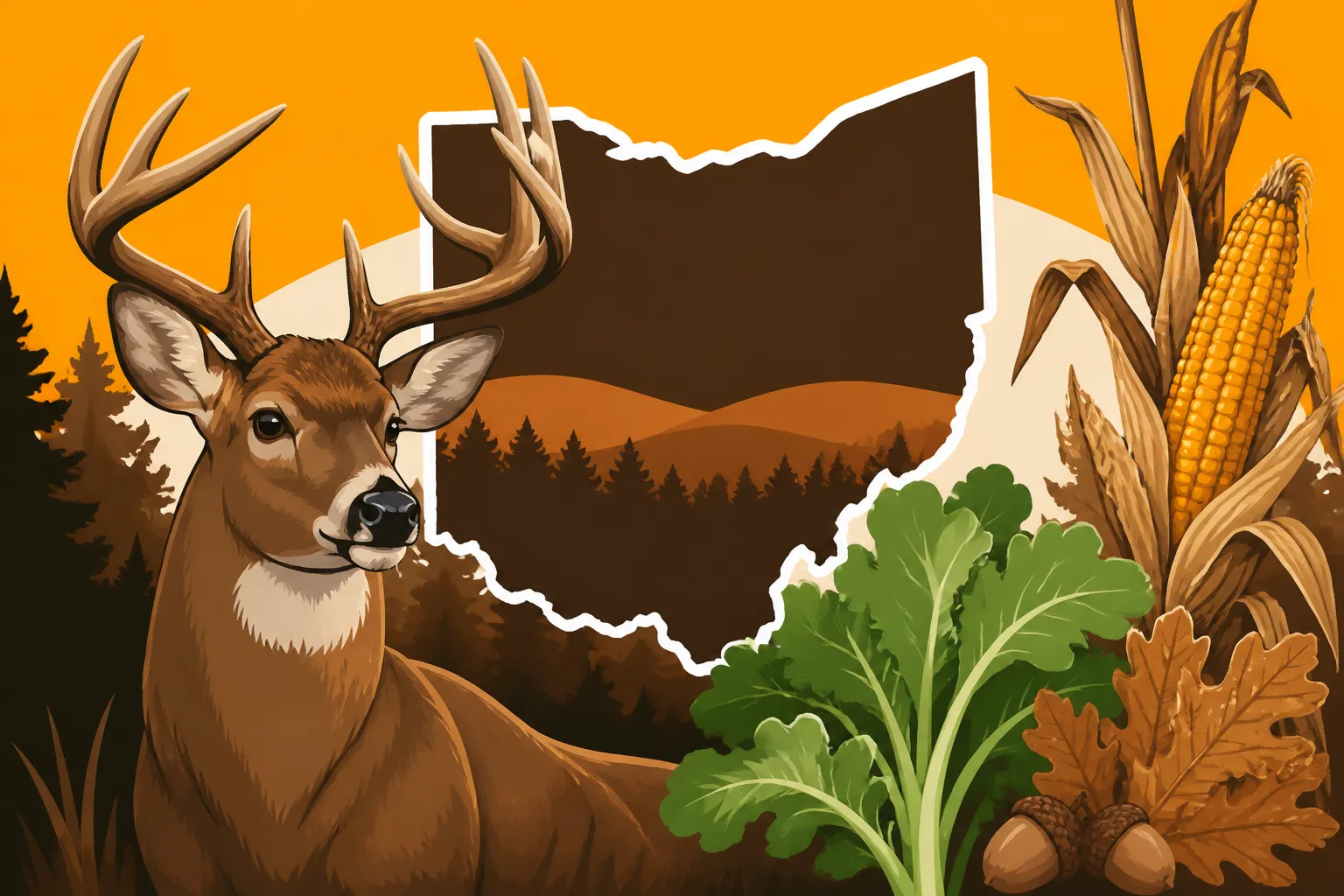
Perhaps the most obvious, and often most effective, late-season food source in Ohio is corn. Standing cornfields offer a powerful combination of high-calorie food and incredible thermal and visual cover. Deer will literally live in standing corn, especially during bitter cold snaps, as it shields them from wind and snow while providing a constant food supply. If you're lucky enough to find standing corn that hasn't been harvested by December, it's a prime target. Hunters often find great success using ground blinds or still-hunting the edges of these fields, focusing on where deer enter and exit.
Even after harvest, cornfields remain incredibly valuable. Combines, no matter how efficient, always leave behind a significant amount of waste grain, particularly whole ears or broken kernels. These leftover carbohydrates are a lifesaver for deer. Similarly, harvested soybean fields, while not offering the cover of corn, still provide discarded pods and beans that deer will eagerly seek out. The key to hunting harvested fields is understanding that deer will often move in during low light, cleaning up what's left. Areas where a combine made a turn or where machinery clogged up tend to have higher concentrations of waste grain, making them hot spots for activity. You might even use a mapping application like GoHunt to analyze aerial photos for field configurations or possible travel corridors near these agricultural assets.
Winter Cover Crops and Forage Plots
Smart farmers, and increasingly smart hunters, are planting cover crops or dedicated food plots that provide invaluable forage through the winter months. These can be absolute magnets for late-season deer. One of the most potent examples is brassicas – plants like turnips, kale, and rape. While deer might ignore them earlier in the fall, a hard frost or two breaks down the starches into sugars, making them incredibly palatable and highly nutritious. Once deer start hitting a brassica plot, they'll often clear it out quickly.
Other cool-season plantings like winter wheat, rye, oats, and certain clover varieties also provide crucial green forage when nothing else is available. These resilient plants can pop up even through light snow cover, offering a much-needed shot of vitamins and minerals in addition to carbohydrates. Many dedicated hunting clubs and landowners in Ohio are investing in these types of plots specifically for late-season attraction. If you have access to private land or have scouted public land where such efforts might be in place, these plots become the prime real estate. Understanding how these plants mature and become attractive to deer can give you a significant advantage. This is where tools from GoHunt can become especially handy, offering insights into soil types and ideal planting schedules if you're looking to establish your own late-season attractants or analyze potential farmer-planted ones.
| Food Source Type | Examples | Deer Appeal (Late Season) | Typical Location in Ohio |
|---|---|---|---|
| Agricultural Grains | Standing Corn, Harvested Corn, Soybeans | Very High | Farmland across central, western, and northern Ohio |
| Brassicas | Turnips, Kale, Rape | High (after frost) | Food plots, sometimes farmer's cover crops |
| Winter Grains | Winter Wheat, Rye, Oats | Moderate to High | Food plots, farmer's fields, conservation areas |
| Persistent Browse | Honeysuckle, Greenbrier, Multiflora Rose | Moderate | Woodlots, fencerows, clear-cuts, creek bottoms |
| Evergreen Browse | Cedar, Hemlock (shoots/needles) | Low to Moderate | Cedar thickets, pine plantations, rugged hillsides |
| Leftover Mast | Acorns (White Oak), Beechnuts | Moderate (in pockets) | Hardwood ridges, river bottoms (highly variable by year) |
Scouting and Hunting Strategies for Late-Season Foods
Knowing what deer eat in the late season is only half the battle; the other half is knowing how to find those sources and effectively hunt them. Late-season hunting demands a more meticulous approach than the chaotic fervor of the rut. Patience, precision, and an understanding of deer movement in cold weather are your best allies.
Aerial Recon and Boots on the Ground
Before you even step foot in the woods, spend some serious time with aerial maps. Tools like the Ohio HuntFish App or advanced mapping platforms like GoHunt are invaluable. Look for large agricultural fields, especially those near blocks of timber or thick cover. Identify potential staging areas, fencerows, and creek bottoms that connect bedding cover to food sources. You’ll be looking for islands of cover within vast fields, or the deep corners of woodlots that extend into agricultural ground. Also, pay attention to topography – a sunny, south-facing slope can hold deer because it's slightly warmer, and if it has a food source nearby, it's a double whammy.
Once you have a few promising spots identified on the map, it's time for boots on the ground. This is where the real work begins. Walk the perimeters of fields, looking for tracks leading in and out. Check the edges of standing corn or bean fields for areas where deer have been feeding. If there's snow on the ground, Reading Ohio Snow for Fresh Deer Movement becomes your superpower; it will tell you exactly where deer are traveling and feeding. Look for fresh droppings and chewed-off browse. Pay particular attention to transition areas – where a dense thicket meets a standing cornfield, or where a deep ravine opens up onto a brassica plot. These are the likely entry and exit points deer will use. Also, don't neglect those often-overlooked spots like Working a Fencerow for Late-Season Deer, which can serve as critical travel corridors and even offer browse.
Stand Placement and Patience
Hunting late-season food sources successfully often boils down to impeccable stand placement and a healthy dose of patience. Given the increased pressure and cautious nature of late-season deer, you'll want to set up on the primary travel corridors or staging areas between bedding cover and the food source, rather than directly on the food itself. This allows you to intercept deer as they move, giving you a shot while they're still feeling relatively secure and before they become completely nocturnal on the open food. Consider a setup where you can watch the edge of a field or a funnel connecting two woodlots.
Thermal cover is critical for bedding, especially in areas like Wayne National Forest or Shawnee State Forest where deer will rely on dense pine stands or thick rhododendron thickets. Your stand should be positioned to capitalize on deer moving from these secure bedding areas to the most desirable food source. For hunting field edges, a well-brushed-in ground blind can be incredibly effective, especially in open country, as it minimizes your silhouette. Read up on Brushing In a Blind on a Field Edge for tips on making yours undetectable. Remember, deer will often wait until the last few minutes of daylight to enter open fields, so Cold-Weather Sitting Strategy in Ohio is essential. Dress in layers, stay warm, and be prepared to sit until dark, or even a little beyond if your state laws allow for legal shooting light. These animals are moving at the absolute fringes of daylight. When pursuing that last buck or trying to fill Filling an Antlerless Permit Late in Ohio, this commitment to extended sits over prime food is what often makes the difference.
Disclaimer
Hunting is an inherently dangerous activity. Always follow all local, state, and federal hunting regulations. Practice safe firearm and archery handling, wear appropriate blaze orange or pink when required, and inform someone of your hunting location and expected return time. Be mindful of private property boundaries and obtain permission before hunting on private land. This information is for educational purposes only and should not replace professional guidance or official regulations.