Testing Requirements Inside the Disease Surveillance Area
Navigating deer hunting regulations in Ohio can sometimes feel like trying to solve a complex puzzle, especially when an emerging issue like Chronic Wasting Disease (CWD) adds new layers of rules. Many hunters find themselves scratching their heads, wondering exactly when, where, and how they're required to get their deer tested, particularly if they're hunting in or near the designated Disease Surveillance Area (DSA). This guide is here to untangle that knot, providing clear, in-depth explanations of Ohio's CWD testing requirements within the DSA so you can hunt confidently and responsibly.
Understanding Ohio's Disease Surveillance Area (DSA)
The presence of Chronic Wasting Disease (CWD) in Ohio is a serious concern for wildlife managers and hunters alike. It's a fatal, neurological disease affecting deer, elk, and moose, and once it takes hold in a wild deer population, it's incredibly difficult to eradicate. To manage and monitor its spread, the Ohio Department of Natural Resources (ODNR) established a Disease Surveillance Area, or DSA, which encompasses specific counties where CWD has either been detected or is deemed a high risk. This isn't just a theoretical boundary on a map; it's a critical zone with specific regulations designed to protect Ohio's deer herd and ensure the long-term health of our hunting traditions.
Defining the DSA Boundaries and Why They Matter
The current DSA in Ohio is primarily centered around Wyandot County, which is where Ohio's first CWD-positive deer in the wild was discovered. Since then, the DSA has expanded to include portions of surrounding counties, reflecting the potential movement of infected animals and the need for a broader surveillance effort. Currently, this includes all of Wyandot, and parts of Hardin, Marion, and Crawford counties. These aren't arbitrary lines; they are drawn based on epidemiological data, deer movement patterns, and geographical features that might influence disease transmission. For hunters, knowing if your hunting grounds fall within these boundaries is paramount because it directly impacts your responsibilities regarding deer harvest and testing. Whether you're targeting a mature buck or just filling a freezer with venison, being informed about these areas is the first step to compliance. You can easily check the latest DSA map on the ODNR's website or through a reliable hunting app like GoHunt, which often updates its land layers with regulatory zones.
The designation of these areas isn't just about finding sick deer; it's about understanding the prevalence and distribution of the disease. Every deer harvested within the DSA during mandatory testing periods provides valuable data points that help wildlife biologists track CWD, inform future management strategies, and potentially limit its spread to other parts of the state. It's a collective effort, and compliance from hunters is absolutely crucial. Failure to adhere to these rules can have significant consequences, not just for an individual hunter in terms of Ohio Wildlife Violation Penalties, but for the entire deer population if the disease is allowed to spread unchecked.
Historical Context of CWD in Ohio
CWD isn't a new phenomenon in North America, but its arrival in Ohio's wild deer herd was a significant and concerning development. Before 2021, Ohio had only detected CWD in captive deer facilities, which, while serious, allowed for contained management. However, the detection of CWD in wild deer changes the game entirely. The first wild CWD-positive deer was discovered in Wyandot County, a pivotal moment that led to the creation of the DSA. This discovery prompted immediate and extensive surveillance efforts, including the implementation of mandatory testing requirements during specific hunting seasons. Understanding Why Wyandot County Leads Ohio's CWD Count provides crucial context for the urgency and specific actions taken by the state.
The history of CWD in Ohio serves as a stark reminder of the importance of proactive management. The disease can have a long incubation period, meaning an infected deer might appear perfectly healthy for years before showing symptoms. This "silent spread" makes surveillance incredibly challenging and underscores why broad testing within at-risk areas is essential. The ODNR's approach has been to educate hunters, implement strict carcass movement rules, and leverage the hunting community as a vital part of the disease monitoring system. This historical context helps us appreciate that these regulations aren't arbitrary burdens but necessary measures based on scientific understanding and the experiences of other states grappling with CWD.
Mandatory CWD Testing Periods Explained
Hunting in Ohio offers a diverse range of seasons and opportunities, but if you're pursuing deer within the Disease Surveillance Area, specific periods come with mandatory CWD testing requirements. These aren't suggestions; they are non-negotiable rules designed to gather the most impactful data on CWD prevalence when deer harvest numbers are highest and deer movement is most significant. Missing these testing windows or failing to submit a sample means missing a critical opportunity to contribute to the health of Ohio's deer herd.
Key Weekends and Dates for Mandatory Testing
The ODNR strategically designates mandatory CWD testing periods to coincide with the busiest and most impactful hunting seasons, particularly the firearms seasons. This ensures a high volume of samples can be collected, providing the most accurate snapshot of CWD presence in the DSA. While specific dates can shift slightly year to year, the core principle remains: the opening weekends of both the traditional gun deer seasons are typically mandatory testing periods within the DSA.
For example, hunters harvesting a deer during Ohio Regular Gun Season First Weekend within the DSA (currently Wyandot, and parts of Hardin, Marion, and Crawford counties) are typically required to submit their deer for CWD testing. The same often applies to the Ohio Regular Gun Season Second Weekend. These are critical windows when a large number of deer are harvested and checked. Additionally, there might be specific requirements for Hunting the Ohio Youth Gun Weekend within the DSA, so always check the most current regulations released by the ODNR. It’s not enough to just harvest your deer; you must also be prepared to submit it for testing promptly. This means planning your hunt, understanding the available sampling stations, and allotting time for the submission process. Using tools like the GoHunt app can help you keep track of these specific dates and locate nearby testing stations, ensuring you're always in compliance.
These specific weekends are chosen because deer movement is often heightened due to hunting pressure and the peak of the rut, potentially increasing the likelihood of disease spread. By focusing testing efforts during these high-activity periods, the ODNR maximizes its ability to detect and monitor the disease effectively.
Exemptions and Special Circumstances
While the mandatory testing periods are strict, there can be specific exemptions or special circumstances to be aware of. Generally, deer harvested outside of the mandatory gun season weekends within the DSA, or any deer harvested outside the DSA entirely, are not subject to mandatory CWD testing. For instance, if you harvest a deer during Bowhunting Ohio's Long Archery Season in November in Wyandot County, it typically wouldn't require mandatory testing, although voluntary testing is often encouraged and available.
However, it's crucial to distinguish between mandatory and voluntary testing. Even if your deer isn't harvested during a mandatory period, the ODNR often encourages voluntary submissions if you hunt within the DSA or if you observe any deer exhibiting signs of CWD, such as extreme weight loss, drooling, or neurological issues. These signs are often subtle or can be mistaken for other ailments, so always report suspicious observations to the ODNR. Landowners participating in Ohio Deer Damage Control Permits for Farmers might also have specific testing requirements, depending on the circumstances of the harvest. The key takeaway is always to consult the latest Ohio Hunting and Trapping Regulations booklet or the ODNR website, as these rules can be updated annually based on the latest CWD surveillance data. When in doubt, a quick check can save you a lot of hassle and ensure you're following all protocols correctly.
How to Submit a Deer for Testing
Submitting a deer for CWD testing within Ohio's Disease Surveillance Area (DSA) is a crucial step in the state's efforts to manage and monitor the disease. It might seem like an extra hoop to jump through, but it's a straightforward process once you know the options and procedures. The ODNR has established several convenient methods to ensure hunters can fulfill this requirement without excessive difficulty, ranging from self-serve kiosks to staffed locations.
Utilizing Self-Serve Kiosks for Quick Submission
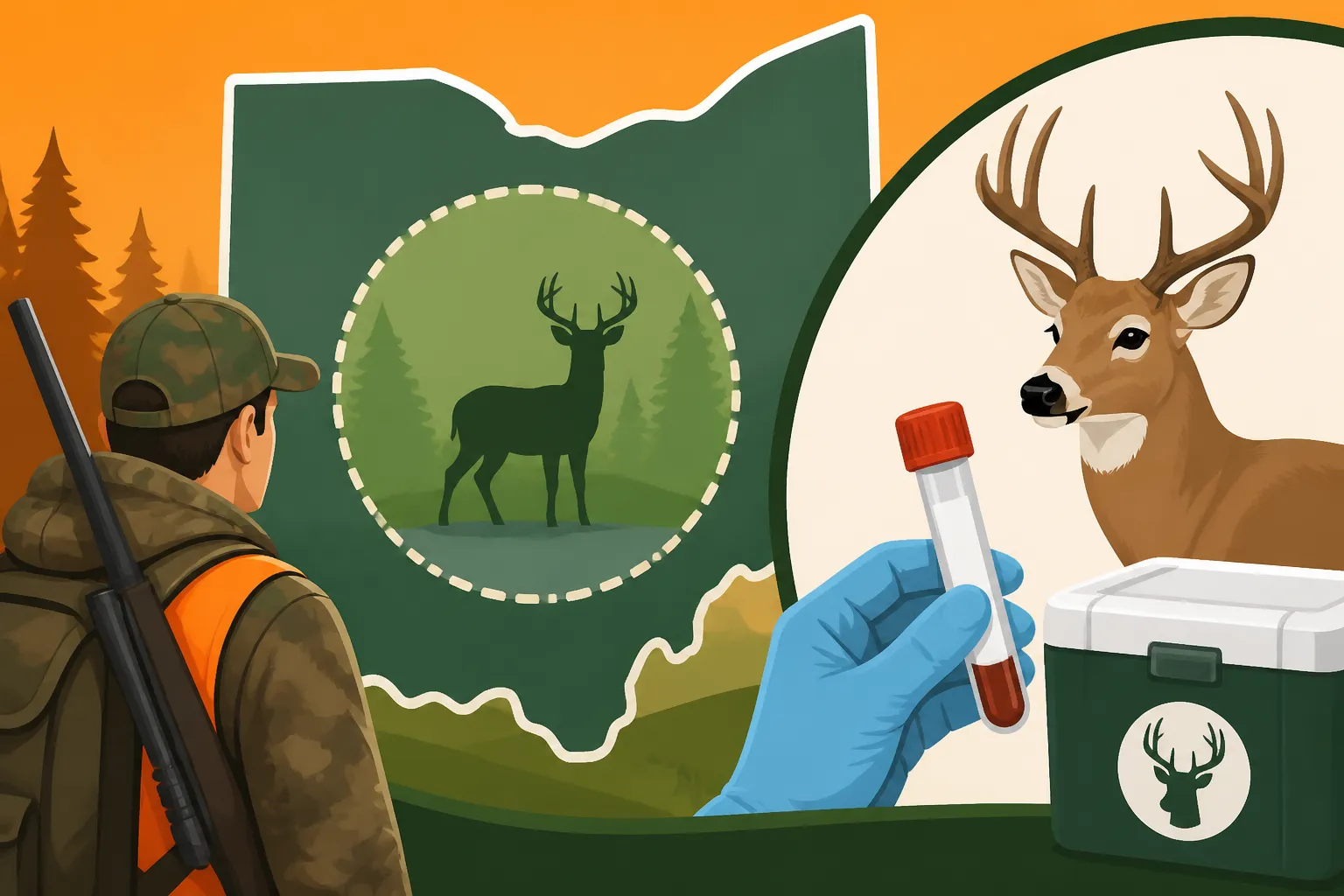
For many hunters, especially those on a tight schedule or hunting remote areas, the self-serve CWD sampling kiosk is the most practical option. These kiosks are strategically placed throughout and around the DSA, often at wildlife areas, public access points, or even local businesses that partner with the ODNR. They are designed for ease of use, allowing hunters to submit samples 24/7 during mandatory testing periods. The process typically involves taking the head of your harvested deer (with at least two to four inches of neck attached) to the kiosk. At the kiosk, you'll find instructions and supplies, including gloves, a plastic bag, and a form to fill out with your harvest information (permit number, date, location). You'll then use a provided tool to extract a lymph node sample from the deer's neck, place it in the bag, and deposit it into a secure drop box.
While it sounds involved, the instructions are usually very clear, and often visual aids are provided. The key is to be prepared: have your deer checked in online via the Ohio Deer Checking and Reporting Rules before you arrive, and bring a small cooler with ice to keep the head cool if you're not submitting immediately. Finding a Self-Serve CWD Sampling Kiosk near your hunting spot is easy using the ODNR's online map or by checking your GoHunt app, which often integrates these locations. This system empowers hunters to contribute to vital disease surveillance at their own convenience.
Partner Locations and Staffed Check Stations
In addition to self-serve kiosks, the ODNR often partners with local bait shops, meat processors, taxidermists, and even specific ODNR offices to establish staffed CWD check stations during mandatory testing weekends. These locations offer an alternative for hunters who prefer to have an ODNR representative or trained volunteer assist with the sample collection, or who may not be comfortable taking the sample themselves. These stations are usually staffed during specific hours on the mandatory gun season weekends, such as the Mandatory Testing on Statewide Gun Opening Weekend.
At a staffed station, you typically bring the entire deer or just the head, and a trained individual will collect the necessary lymph node sample. This can be particularly helpful for new hunters or those less familiar with anatomy. These partner locations are invaluable for supporting the CWD surveillance program, providing both convenience and expertise. When Hunting Northwest Ohio Farmland Deer within the DSA, for example, you might find a processor in a town like Upper Sandusky or Kenton that serves as a designated collection site. It's always a good idea to confirm hours of operation and what to bring before heading to one of these stations, as staffing and availability can vary. This collaborative approach ensures that hunters have multiple reliable avenues to comply with testing requirements.
Table of Common CWD Submission Methods in the DSA
| Submission Method | Location Types | When Available | What to Bring (Typically) | Key Advantage |
|---|---|---|---|---|
| Self-Serve Kiosk | Public land access points, designated businesses | 24/7 (during season) | Deer head (2-4" neck), ODNR check confirmation, gloves | Convenience, flexibility for busy hunters |
| Staffed Station | ODNR offices, partner processors, bait shops | Specific hours on weekends | Whole deer or head, ODNR check confirmation | Assistance with sampling, expert guidance |
| Voluntary Testing | Varies, often ODNR offices/specific processors | Throughout season | Head, ODNR check confirmation (check specific rules) | Contributes data outside mandatory periods |
Carcass Movement Restrictions and Regulations
One of the most critical aspects of preventing the spread of Chronic Wasting Disease (CWD) beyond its current footprint is regulating the movement of deer carcasses, especially those harvested within the Disease Surveillance Area (DSA). This isn't just about preventing the disease from spreading to new wild populations; it's also about protecting the health of captive deer and elk herds, as well as minimizing risks for humans, though CWD has not been found to directly transmit to humans. These regulations are designed to be practical yet stringent, acknowledging that hunters often travel to and from their hunting spots.
Rules for Transporting Carcasses Within and Outside the DSA
The regulations concerning carcass movement are very clear: if you harvest a deer within Ohio's DSA, there are strict limits on how and where you can transport it. The primary goal is to prevent the movement of high-risk parts, such as the brain, spinal cord, and lymph nodes, which are known to harbor the CWD prion. Therefore, you are generally allowed to transport a whole deer carcass within the DSA for processing or taxidermy. However, transporting a whole carcass outside the DSA is typically prohibited during mandatory testing periods.
What does this mean for the average hunter? If you shoot a deer in Wyandot County during the gun opener, and you live in, say, Franklin County (outside the DSA), you cannot simply load the whole deer into your truck and drive it home. Instead, you must process the deer down to specific low-risk parts before leaving the DSA. This usually includes deboned meat, antlers (with all soft tissue removed), hides (without the head), and clean skulls or skull plates (again, free of any brain matter or soft tissue). The idea is to leave the parts most likely to contain the CWD prion within the infected area. You can find detailed diagrams and explanations of these Ohio Carcass Movement Restrictions on the ODNR website. Planning ahead for processing facilities within or very close to the DSA is essential if you're hunting these areas. For hunters who travel distances, portable butchering kits and knowledge of field dressing techniques become even more critical.
Processing Deer Inside the DSA for Compliance
Processing your deer within the DSA, or at least breaking it down to its low-risk components before leaving, is the cornerstone of carcass movement compliance. This might mean field dressing your deer on site and then transporting it to a local processor within the DSA. Many processors in and around the DSA are well-versed in CWD regulations and can handle the carcass in compliance with state rules. They will typically remove and dispose of the high-risk parts appropriately, leaving you with only the deboned meat.
If you prefer to process your own deer, you'll need to do so at a location within the DSA. This involves deboning all the meat from the carcass, making sure no spinal column, brain, or lymphoid tissue (like tonsils or lymph nodes) leaves the zone. Antlers can be removed, but all brain and other tissues must be scraped off the skull plate before transport. Hides can generally be transported, but again, ensure they are free of any attached head or spinal tissue. This might sound like a lot of work, especially after a successful hunt, but it's a critical step. Having a solid plan for Field Dressing a Deer in Cold Weather or Butchering a Deer at Camp becomes even more important. Some hunters might rent a cabin or stay at a deer camp within the DSA, providing a convenient base for compliant processing. This diligence helps prevent the inadvertent spread of CWD to new areas, safeguarding Ohio's broader deer population.
Understanding Your CWD Test Results
After the effort of harvesting your deer and diligently submitting a sample for Chronic Wasting Disease (CWD) testing, the next natural step is to find out the results. It's a moment that can be filled with anticipation, as these results not only inform you about your specific harvest but also contribute to the broader understanding of CWD prevalence in Ohio. Knowing how to access these results and what they signify is crucial for responsible hunting and disease management.
How to Access and Interpret Your Results
The Ohio Department of Natural Resources (ODNR) has established a streamlined system for hunters to access their CWD test results. Typically, after submitting your deer sample at a self-serve kiosk or staffed station, you'll be provided with instructions on how to check the status online. This usually involves visiting the ODNR's dedicated CWD webpage and entering a unique identification number associated with your submitted sample. This number is often the same confirmation number you received when you checked in your deer or a specific sample ID provided at the collection site. How Long Ohio CWD Results Take can vary depending on the volume of samples and lab processing times, but the ODNR strives to make them available as quickly as possible.
Once you access your results, you'll typically see one of two primary outcomes: "Not Detected" or "Positive."
- "Not Detected" means that CWD prions were not found in the lymph node sample submitted. This is the desired outcome and means the deer you harvested is not known to be infected with CWD. You can proceed with consuming the venison with confidence, assuming proper field dressing and handling procedures were followed.
- "Positive" means that CWD prions were detected in the sample. This is a serious finding and triggers specific protocols.
It's important to understand that the test is designed to detect the presence of the CWD prion, not to determine if the meat is "safe" to eat in the conventional sense. While there's currently no scientific evidence of CWD transmitting to humans, health organizations generally advise against consuming meat from CWD-positive animals. Your Ohio Deer Record Book entry might carry an asterisk if you decide to keep the rack, but the primary concern with a positive test is public health and wildlife management.
What a Positive Result Means for Hunters
Receiving a "Positive" CWD test result can be a disheartening experience for any hunter. The ODNR will typically contact you directly if your sample tests positive, providing guidance and answering any questions you may have. The most critical implication of a positive result is that the venison from that deer should not be consumed. While the risk of human transmission is considered extremely low, health authorities err on the side of caution.
If your deer tests positive, the ODNR will also use this data point to enhance its understanding of Ohio's Chronic Wasting Disease Surveillance Area and its ongoing management efforts. Each positive case helps refine disease distribution maps and informs future regulations. For the hunter, it's an unfortunate but vital contribution to the scientific monitoring of the disease. It underscores the importance of the testing program and why compliance is so essential. Don't view it as a personal failure; view it as a critical piece of information that helps protect the greater deer herd.
In such cases, the ODNR might also offer to properly dispose of the carcass if you still have it. They will provide advice on cleaning any equipment that came into contact with the animal (knives, saws, coolers, etc.) to prevent any potential spread of prions. This might include using bleach solutions on non-porous surfaces. It’s also a good reminder that practicing careful Field Dressing a Deer in Cold Weather and maintaining strict hygiene is always important, regardless of CWD status, to prevent contamination from other bacteria or pathogens.
Beyond Testing: Preventing the Spread of CWD
While mandatory testing within the Disease Surveillance Area (DSA) is a critical component of Ohio's Chronic Wasting Disease (CWD) management strategy, it's only one piece of the puzzle. Preventing the spread of this insidious disease requires a multifaceted approach that extends beyond the mandatory testing periods and involves all hunters, regardless of where they hunt in the state. Responsible stewardship means understanding how to minimize risks and actively participating in the collective effort to protect Ohio's invaluable deer herd.
Best Practices for Cleaning Gear and Equipment
The CWD prion is notoriously resilient, capable of persisting in the environment for extended periods. This is why thorough cleaning of hunting gear and equipment is so important, especially if you've been hunting within the DSA or harvested a deer that might have been exposed. It's not just about washing off blood; it's about decontaminating surfaces.
After handling a harvested deer, particularly in a CWD-affected area, it's crucial to clean knives, saws, cutting boards, and coolers meticulously. For non-porous surfaces, a diluted bleach solution (e.g., 50% bleach, 50% water) can be effective. Soak metal tools for at least an hour, and spray down coolers, allowing the solution to sit for a similar duration before rinsing thoroughly. For porous materials like clothing or game bags, a hot wash with detergent is generally recommended, although prions are highly resistant to conventional cleaning agents. Many hunters also consider replacing disposable gloves and even certain game bags after a harvest in a DSA. This might seem extreme, but given the persistence of prions, an abundance of caution is warranted. When you're packing up after a hunt, whether you've been Still-Hunting Shawnee State Forest Ridges or hunting Northwest Ohio Farmland Deer, making sure your gear is spotless is a habit that serves the health of the entire ecosystem.
Additionally, avoid using natural urine-based attractants, as these could potentially contribute to CWD spread. Opt for synthetic alternatives that are free from biological contaminants. These small, consistent efforts collectively reduce the risk of inadvertently transporting prions to new areas, protecting both wild and captive cervids.
Reporting Sick Deer and What to Look For
One of the most powerful tools in CWD surveillance is the vigilant eye of hunters and other outdoor enthusiasts. Since CWD can have a long incubation period, many infected deer show no obvious symptoms. However, as the disease progresses, visible signs can emerge. Knowing what to look for and promptly reporting suspicious observations can make a significant difference in early detection and management.
Deer exhibiting CWD symptoms might display excessive drooling, extreme weight loss (often described as "wasting away"), a blank stare, lack of coordination, stumbling, or unusual behavior, such as a lack of fear of humans. They may also stand with their head lowered, have an unkempt coat, or show increased thirst and urination. It's important to remember that these symptoms can also be indicative of other diseases, injuries, or malnutrition (such as EHD, which also causes EHD Die-Offs in Ohio Deer), so reporting allows wildlife biologists to investigate properly. If you encounter a deer exhibiting any of these signs, do not approach or handle the animal. Instead, immediately contact the Ohio Department of Natural Resources (ODNR) at their wildlife division or local game warden. Provide a precise location of the sighting, a description of the animal, and its observed behavior. You can often find contact information on the ODNR website or through Scouting With the Ohio HuntFish App. Your report is invaluable data, helping the ODNR respond quickly and accurately to potential CWD cases, which in turn helps protect the rest of the herd.
By being proactive, meticulous in cleaning, and diligent in reporting, hunters become indispensable partners in the ongoing fight against CWD. It’s a responsibility that comes with the privilege of hunting, and one that every Ohio hunter should embrace wholeheartedly.
Disclaimer
The information provided in this guide is intended for general informational purposes only and does not constitute legal or official regulatory advice. Hunting regulations, including those pertaining to Chronic Wasting Disease (CWD) and the Disease Surveillance Area (DSA), are subject to change by the Ohio Department of Natural Resources (ODNR) at any time. Hunters are solely responsible for understanding and complying with all current federal, state, and local hunting laws and regulations. Always consult the most recent official Ohio Hunting and Trapping Regulations booklet or the ODNR website for the most accurate and up-to-date information before engaging in any hunting activities.