Hunting Lake Erie Marsh Zone Waterfowl
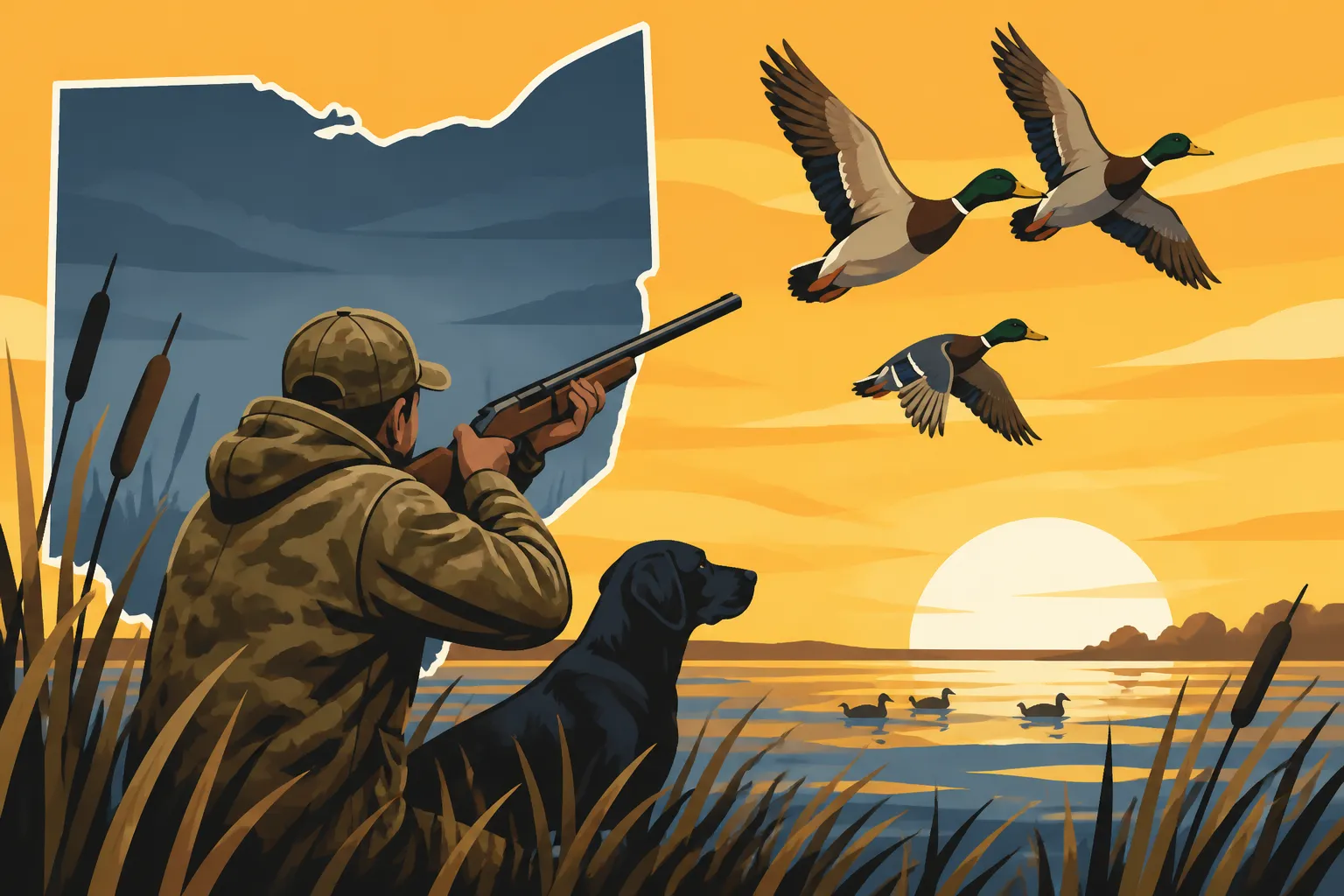
The Lake Erie Marsh Zone offers some of Ohio's most incredible waterfowl hunting, yet for many, it feels like a formidable, impenetrable fortress. Deciphering the shifting patterns of ducks and geese across vast, shallow wetlands, understanding local regulations, and even just figuring out how to access and navigate this unique habitat can deter even seasoned hunters. This comprehensive guide aims to demystify hunting the Lake Erie Marsh Zone, providing a deep dive into the strategies, gear, and local knowledge you'll need to confidently pursue waterfowl and enjoy memorable hunts in this iconic Ohio landscape.
Understanding the Lake Erie Marsh Zone
The Lake Erie Marsh Zone isn't just a stretch of open water; it's a dynamic, intricate ecosystem where the lake's vastness meets a network of shallow, vegetated wetlands, diked marshes, and sprawling coastal habitats. This transition zone is a biological hotspot, making it an irresistible magnet for migrating waterfowl throughout the fall and winter seasons. For hunters, grasping the unique characteristics of this zone is the first step toward successful hunts.
Defining the Marsh Zone Boundaries
When we talk about the Lake Erie Marsh Zone for waterfowl hunting, we're primarily referring to the extensive coastal wetlands that fringe the western basin of Lake Erie, stretching roughly from Toledo to Huron. This includes major wetland complexes like Magee Marsh Wildlife Area, Ottawa National Wildlife Refuge, and the expansive private marshes of the Winous Point Shooting Club and other historic hunting clubs. The Ohio Department of Natural Resources (ODNR) defines specific waterfowl zones, and this particular region falls within the Lake Erie Marsh Zone, which has its own distinct season dates and bag limits separate from the state's North, Central, and South Zones. Understanding these precise geographical boundaries and regulatory distinctions, as detailed in the Ohio's New Waterfowl Zone Map, is critical before planning any hunt. These marshes are characterized by shallow water, dense stands of cattails, phragmites, and other emergent vegetation, interspersed with open pockets of water, channels, and sometimes agricultural fields immediately adjacent. It’s a mosaic that provides everything a migrating duck or goose could want: food, cover, and refuge.
Unique Habitat Challenges
Hunting the Lake Erie Marsh Zone presents a distinct set of challenges that are largely dictated by its unique habitat. Water levels are constantly fluctuating, influenced by lake seiches (wind-driven shifts in water) and precipitation, which can dramatically alter accessibility and how birds utilize the marsh. What might be easily navigable by boat one day could be a mucky, impassable quagmire the next. The dense vegetation, while providing excellent cover for birds, also makes for arduous travel and demanding blind setups. You're not just dealing with waist-high cattails; sometimes it's literally an impenetrable wall of phragmites that can make a short walk feel like an expedition. The soft, mucky bottom often associated with these wetlands demands specialized gear, like chest waders, to prevent you from getting stuck, and often requires a shallow-draft boat or even a specialized marsh boat with a mud motor or a trusty push pole to get to your desired hunting spot. The sheer scale of some of these marshes means that scouting and prior knowledge of specific areas, channels, and deeper pockets of water are absolutely paramount. Without this, you'll spend more time fighting the terrain than hunting.
Key Species and Migration Patterns
The Lake Erie Marsh Zone is renowned for the sheer diversity and volume of waterfowl it attracts. Understanding which species you're likely to encounter and their typical migration patterns is crucial for timing your hunts and deploying effective strategies. Ohio sits on both the Mississippi and Atlantic Flyways, making it a natural funnel for a wide array of migratory birds.
Ducks of the Lake Erie Marshes
The marshes are a haven for both dabbling and diving ducks, offering different hunting experiences depending on what you're targeting. Dabblers, like mallards, black ducks, wood ducks, and green-winged teal, are often found in the shallower, vegetated areas, feeding on aquatic vegetation and seeds. They're typically more responsive to traditional calling and decoy spreads in protected pockets of water within the cattails. For detailed insights, consult our guide on Mallards and Wood Ducks in Ohio Marshes. Divers, including canvasbacks, redheads, scaup (bluebills), and buffleheads, prefer the deeper, more open water of the lake proper or the larger, open pools within the marsh. They feed on submerged vegetation and mollusks, often rafting up in large numbers. Hunting divers often requires larger decoy spreads and different boat-based tactics, as outlined in Diver Hunting on Open Lake Erie Water. The timing of their migrations is also distinct; teal often arrive early in the season, while canvasbacks and scaup are more prevalent later, especially when cold weather pushes them off more northern waters.
Geese in the Marsh Zone
While ducks often steal the spotlight, Canada geese are also a significant presence in the Lake Erie Marsh Zone. Early in the season, resident geese will be prevalent, often moving between nesting areas in the marsh and nearby agricultural fields. As the season progresses and colder weather sets in, migratory Canada geese from further north will pour into the region, adding to the already strong local populations. These birds will stage in large numbers on the larger bodies of water within the marsh or in adjacent fields, often flying out in the mornings to feed and returning to the safety of the marsh to roost. Occasionally, snow geese can also be seen, particularly during peak migration, though they are generally less common targets for marsh hunters compared to Canada geese. Their habits differ from ducks, often requiring larger, more visible decoy spreads and different calling techniques. For the sheer volume of Ohio Canada Goose Bag Limit opportunities, these marshes can be hard to beat, especially during the colder months when large flocks are seeking refuge.
Tracking Migration with Tools like GoHunt
To consistently find birds in the Lake Erie Marsh Zone, you need to stay on top of migration movements. This is where modern tools and resources become invaluable. Websites and apps like GoHunt offer incredible resources for monitoring weather patterns, tracking bird reports, and even providing satellite imagery that can help you identify potential hot spots before you even set foot in the marsh. By observing historical data and real-time updates, you can make informed decisions about when and where to hunt. For instance, a strong cold front pushing south from Canada often signals a new influx of migratory birds. GoHunt can also help you scout by highlighting public access points, detailing terrain features, and even indicating water depths in certain areas, which is a massive advantage in such a complex environment. Combining this digital intelligence with traditional scouting trips to observe actual bird movements and local conditions will significantly increase your odds of success. Keeping an eye on Ohio Waterfowl Migration Timing reports and local forums will give you the edge needed to intercept fresh birds.
Essential Gear for Marsh Hunting
Hunting the Lake Erie Marsh Zone demands specific gear to ensure both your safety and success. The environment is harsh, with cold water, thick mud, and often unpredictable weather. Being properly equipped can make the difference between a miserable outing and a memorable hunt.
Waterfowl Loads and Nontoxic Shot
When hunting waterfowl in Ohio, specifically in the Lake Erie Marsh Zone, it is legally mandated to use nontoxic shot. This is not optional; lead shot is strictly prohibited for all migratory bird hunting. The most common nontoxic options include steel, bismuth, and tungsten-based shot. Steel shot is the most affordable and widely available, performing well for most ducks and close-range geese. However, it’s lighter than lead, so you might need to go up a shot size or two (e.g., use #2 steel instead of #4 lead) to maintain kinetic energy. Bismuth offers performance closer to lead, being denser than steel but still softer, making it safe for older shotguns. Tungsten blends are the densest and most effective, offering superior range and knockdown power, but they come at a premium price. Your choice will depend on your budget, shotgun, and the specific birds you’re targeting. For Waterfowl Loads for Lake Erie Divers, a heavier shot like BB or #1 steel might be appropriate, while smaller steel shot like #3 or #4 works well for dabblers. Always double-check your ammunition to ensure it's nontoxic before heading into the marsh.
Waders and Layering for Cold Water
The number one piece of essential gear for marsh hunting is a high-quality pair of chest waders. You will be in the water, often up to your waist or even chest-deep, navigating mud and dense vegetation. Breathable waders are great for early season, but as temperatures drop, neoprene or insulated waders become indispensable for staying warm. Look for waders with good ankle support to help you move through the soft, uneven bottom. But waders alone aren't enough; proper layering underneath is paramount, especially when Waders for Cattail Marsh Hunting involves prolonged exposure to cold water and wind. Start with a moisture-wicking base layer against your skin to pull sweat away. Add insulating mid-layers, such as fleece or wool, which retain warmth even when damp. Top this with an outer shell that is waterproof and windproof to protect against the elements. A good quality waterproof jacket and insulated hat, gloves, or mittens are also critical to prevent hypothermia. Remember, you'll often be stationary for long periods, so over-dressing slightly is better than under-dressing.
Decoys and Spreads for Marsh Settings
Effective decoy spreads are critical for attracting waterfowl in the marsh. The type of decoys and how you set them up will largely depend on the species you're targeting and the specific conditions of your hunting spot. For dabbling ducks, a mixed spread of mallards, pintails, and wigeon, with some motion decoys (spinners or jerk strings), is often effective in smaller, protected pockets of water. Keep these spreads realistic and relatively tight. For diving ducks, larger numbers of diver decoys, such as canvasbacks, redheads, and bluebills, often set in larger, more open water areas, are necessary. Decoy Spreads for Lake Erie Divers often involve long lines of decoys to create the illusion of a feeding or resting flock. For geese, larger full-body or shell decoys are typically more effective, again, often set in larger numbers to emulate a substantial flock. Make sure your decoy lines are tangle-free and your anchors are heavy enough to prevent them from drifting in wind or current. Marsh-specific decoys that float higher in the water or have specialized bases can be advantageous in shallow, vegetated areas.
Accessing the Marsh Zone
The Lake Erie Marsh Zone, while vast, presents unique challenges when it comes to access. Many prime areas are privately owned by historical hunting clubs, but Ohio also offers fantastic public hunting opportunities if you know where to look and how to navigate them.
Public Access Points and Wildlife Areas
Ohio is fortunate to have several premier public hunting areas within the Lake Erie Marsh Zone. The Magee Marsh Wildlife Area in Ottawa County is perhaps the most famous, offering both marsh hunting and upland opportunities. It's largely managed through a controlled hunt system, often requiring applications well in advance, so check the ODNR website for application windows and specific rules. Another gem is the Ottawa National Wildlife Refuge, which also borders Lake Erie and provides excellent waterfowl hunting, usually through a lottery or permit system. These areas are specifically managed for migratory birds, meaning they often have excellent habitat and attract significant numbers of waterfowl. Other notable public areas, such as the Toussaint Wildlife Area and Crane Creek Wildlife Area (part of Magee Marsh), also offer opportunities. Before heading out, always consult the specific regulations for each public area, as rules on access, hunting methods, and specific units can vary wildly. The Ohio HuntFish app can be an invaluable tool for locating these areas and understanding their boundaries. Our guide on Hunting the Maumee Bay Marshes offers more specific details on this popular area. Remember, competition on public land can be fierce, especially on opening day, so scouting beforehand to find less-pressured areas is highly recommended.
Navigating the Marsh: Boats and Push Poles
Once you've gained access, navigating the dense, shallow, and often mucky marsh environment is a challenge in itself. Traditional outboard motor boats often won't cut it in the extremely shallow, vegetation-choked waters of the marsh. This is where specialized equipment comes into play. Shallow-draft boats, like jon boats or specialized marsh boats, are often necessary. These are typically flat-bottomed and designed to operate in minimal water. Many serious marsh hunters opt for boats equipped with mud motors, which are designed to power through thick mud and vegetation where traditional propellers would quickly foul. For truly shallow or extremely dense areas, a sturdy push pole is indispensable. This long pole allows you to silently propel your boat or navigate through areas where even a mud motor might struggle. Learning how to effectively use a push pole takes practice, but it's a skill that will open up areas of the marsh inaccessible to others. Always have multiple ways to propel your boat, and make sure your vessel is sized appropriately for the number of hunters and gear you intend to carry.
Securing Private Land Opportunities
While public land offers great opportunities, the vast majority of the Lake Erie Marsh Zone is comprised of privately owned land, much of which belongs to historic hunting clubs that have managed these wetlands for generations. Gaining access to these private parcels can be a game-changer for consistent success, as these areas often hold large numbers of undisturbed birds. The best way to secure private land opportunities is through networking and relationship building. If you know someone who is part of a club or owns land in the area, that's often the easiest route. Otherwise, "cold calling" landowners by knocking on doors or sending letters can sometimes yield results, especially if you offer to help with land management or show respect for their property. Offering to trade services, such as helping with repairs or even assisting with other types of hunting, can sometimes open doors. Be prepared for many rejections, but a single "yes" can lead to years of incredible hunting. Joining a club, though often expensive and with long waiting lists, is another way to secure dedicated access. While options like GoHunt might not directly help with private land access, they can sometimes highlight land ownership boundaries, which is useful when identifying who to approach.
Tactics for Success in the Marshes
Once you've navigated the logistics of access and gear, the real art of marsh hunting begins. Success here hinges on understanding bird behavior, adapting to conditions, and executing sound tactics. It’s a dynamic environment that rewards observation and flexibility.
Blind Placement and Concealment
Concealment is absolutely paramount in the Lake Erie Marshes. Waterfowl have excellent eyesight, and anything that looks out of place will flare them from a distance. The natural vegetation of the marsh offers fantastic cover, but it needs to be utilized effectively. Blind placement should take into account wind direction, sun position, and the expected flight path of birds. Often, building a natural blind out of cattails, phragmites, or other local vegetation directly within the marsh is the most effective approach. This allows your blind to blend seamlessly into the surroundings. If using a portable blind, ensure it's thoroughly brushed in with native materials. Layout blinds can also be effective in certain marsh settings, particularly if you're hunting an open area that birds are using as a loafing spot or field. For more general guidance, our article on Using a Ground Blind on Ohio Public Land offers principles that can be adapted to marsh environments. Always position your blind to allow for clear shooting lanes while maximizing concealment from all angles that birds might approach. Remember that the perspective of a bird flying overhead is very different from your ground-level view, so double-check your hide from a distance.
Calling Strategies for Different Species
Marsh hunting often involves calling, but the type and intensity of your calling will vary depending on the species you're targeting and how birds are reacting. For dabbling ducks like mallards, soft, inviting quacks and feed calls are often more effective than loud, aggressive hailing calls, especially as birds get closer. A contented chatter can often reassure wary ducks. Mixing in the distinct whistles of pintails or wigeon can also add realism to your spread. For diving ducks, calling is generally less critical than for dabblers, but a good confidence call or a single, sharp whistle can sometimes grab their attention if they're passing wide. Geese, on the other hand, often respond well to loud, insistent hailing calls to get their attention, followed by clucking and moaning to bring them in close. Learn to read the birds' reactions: if they're flaring, ease off the call; if they're looking, give them more. Using multiple callers can create the sound of a larger flock. Practice makes perfect, and learning to mimic the subtle nuances of different calls will pay dividends.
Reading the Weather and Water Conditions
Waterfowl are incredibly sensitive to weather and water conditions, and a successful marsh hunter learns to "read" these elements. Cold fronts, strong winds, and precipitation can all trigger significant bird movements. A sharp drop in temperature can push new birds into the area from further north. Overcast, drizzly days are often some of the best for waterfowl hunting, as birds tend to fly lower and more consistently. Bright, bluebird days can be slower, with birds often moving later in the morning or just before dusk. Wind is perhaps the most critical factor in the marsh. Ducks and geese almost always land and take off into the wind. This means you should position your blind and decoys to have birds flying into the wind, landing comfortably within your shooting range. Strong winds can also impact water levels, pushing water out of some marsh sections and into others, which will dictate where birds feed and rest. Our article on Reading a Marsh for a Morning Flight delves deeper into how understanding these environmental cues can improve your success. Pay attention to forecasts, observe how birds are behaving on the water, and be ready to adapt your strategy accordingly.
Regulations and Safety Considerations
Hunting the Lake Erie Marsh Zone, like any hunting activity, comes with a critical responsibility to understand and adhere to all regulations, as well as to prioritize safety. The marsh environment can be unforgiving, and a lapse in judgment can have serious consequences.
Bag Limits and Species Identification
Before you ever head out, you must be intimately familiar with the current Ohio Duck Daily Bag Limit and Ohio Canada Goose Bag Limit. These limits can vary by species, sex, and even time of year, and they are strictly enforced. The daily bag limit specifies the maximum number of birds you can harvest of a particular species in a single day, while the possession limit dictates the maximum number of birds you can have in your possession after multiple days of hunting. Beyond just knowing the numbers, accurate species identification in flight and on the water is absolutely crucial. Many duck species, such as pintails, canvasbacks, and black ducks, have lower bag limits than mallards or teal. Misidentifying a bird and shooting over your limit for that specific species can lead to severe penalties. Take the time to study waterfowl identification guides, pay attention to coloration, flight patterns, and vocalizations. If you're unsure of the species, it's always best to err on the side of caution and not shoot. Additionally, ensure you have your Ohio HIP Certification for Bird Hunters and a valid federal duck stamp, as these are mandatory for all migratory bird hunters.
Hunter Orange and Water Safety
While hunter orange is primarily associated with deer gun seasons, it's important to remember that safety in a crowded marsh is paramount. While not explicitly required during waterfowl hunting from a blind, carrying and wearing hunter orange (or blaze pink) when walking to and from your blind, especially on public land or shared access points, is a smart practice. It makes you visible to other hunters and minimizes the risk of accidental discharge. However, the most critical safety considerations in the marsh revolve around water. The cold water of Lake Erie and its associated marshes poses a significant hypothermia risk, even on seemingly mild days. Always wear a life jacket, especially when traveling in a boat, and ensure it fits properly. Overloading your boat or using a vessel not suited for marsh conditions is incredibly dangerous. Inform someone of your hunting plan, including your location and expected return time. Be aware of changing weather conditions, particularly strong winds that can quickly make open water impassable. Carrying a fully charged cell phone in a waterproof bag, a whistle, and a basic first-aid kit are essential safety measures. Never hunt alone if possible, and always let someone know where you are going and when you expect to return.
Carcass Handling and Disease Prevention
Proper carcass handling is not just about preserving the meat for the table; it's also a critical aspect of disease prevention. In recent years, avian influenza (AI) has been a concern in wild bird populations, including waterfowl. While the risk to humans is generally low, it's important to take precautions. Always wear gloves when handling harvested birds. Avoid direct contact with bird droppings or sick/dead birds you encounter in the marsh. After handling birds, thoroughly wash your hands and disinfect any surfaces or equipment that came into contact with the birds. Quickly field dress and cool harvested birds to prevent bacterial growth and preserve meat quality. Do not dispose of carcasses in publicly accessible areas; instead, double-bag them and place them in municipal trash or bury them deeply. If you encounter multiple sick or dead birds in an area, report it to the ODNR. While Chronic Wasting Disease (CWD) is a concern for deer in Ohio's Disease Surveillance Area, it's not a waterfowl issue. However, being diligent about hygiene and reporting unusual wildlife mortality is a general best practice for all hunters.
| Species Group | Preferred Habitat | Calling Strategy | Decoy Spread Recommendation | Key Considerations |
|---|---|---|---|---|
| Dabblers | Shallow, vegetated pockets, flooded timber, agricultural fields | Soft quacks, contented feed calls, whistles | Realistic, smaller groups (1-2 dozen), some motion | Landing into wind, good concealment, close range shots |
| Divers | Deeper, open water of marsh or lake, larger pools | Minimal calling, occasional confidence calls | Large numbers (3-5 dozen+), long lines, often "J" or "V" patterns | Wind direction for landing, boat access, longer shots |
| Geese | Open water, adjacent agricultural fields, large clearings | Loud hailing, clucks, moans, growls | Large, visible spreads (2-4 dozen+), full-bodies or shells | Visibility from a distance, strong wind for landings, field access |
Disclaimer
Please note: Hunting regulations, season dates, and license requirements are subject to change by the Ohio Department of Natural Resources (ODNR). Always consult the most current Ohio Hunting and Trapping Regulations booklet or the ODNR website before planning your hunt. This guide is for informational purposes only and does not supersede official regulations.