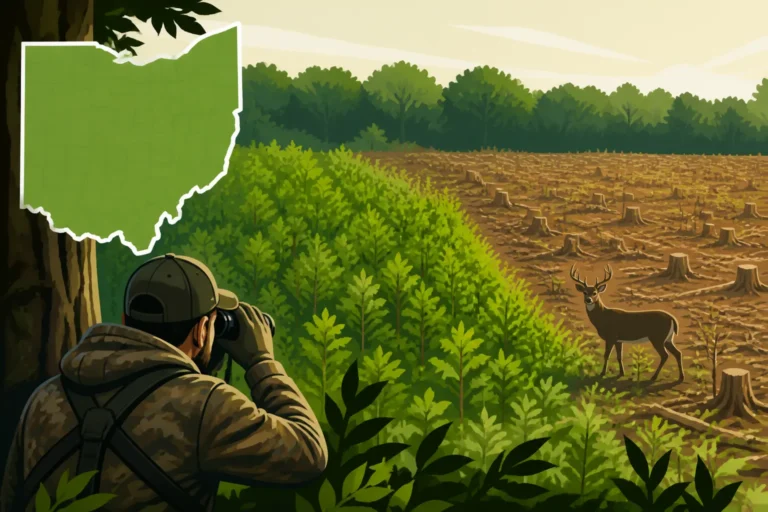
Hunting Ohio Farmland Deer
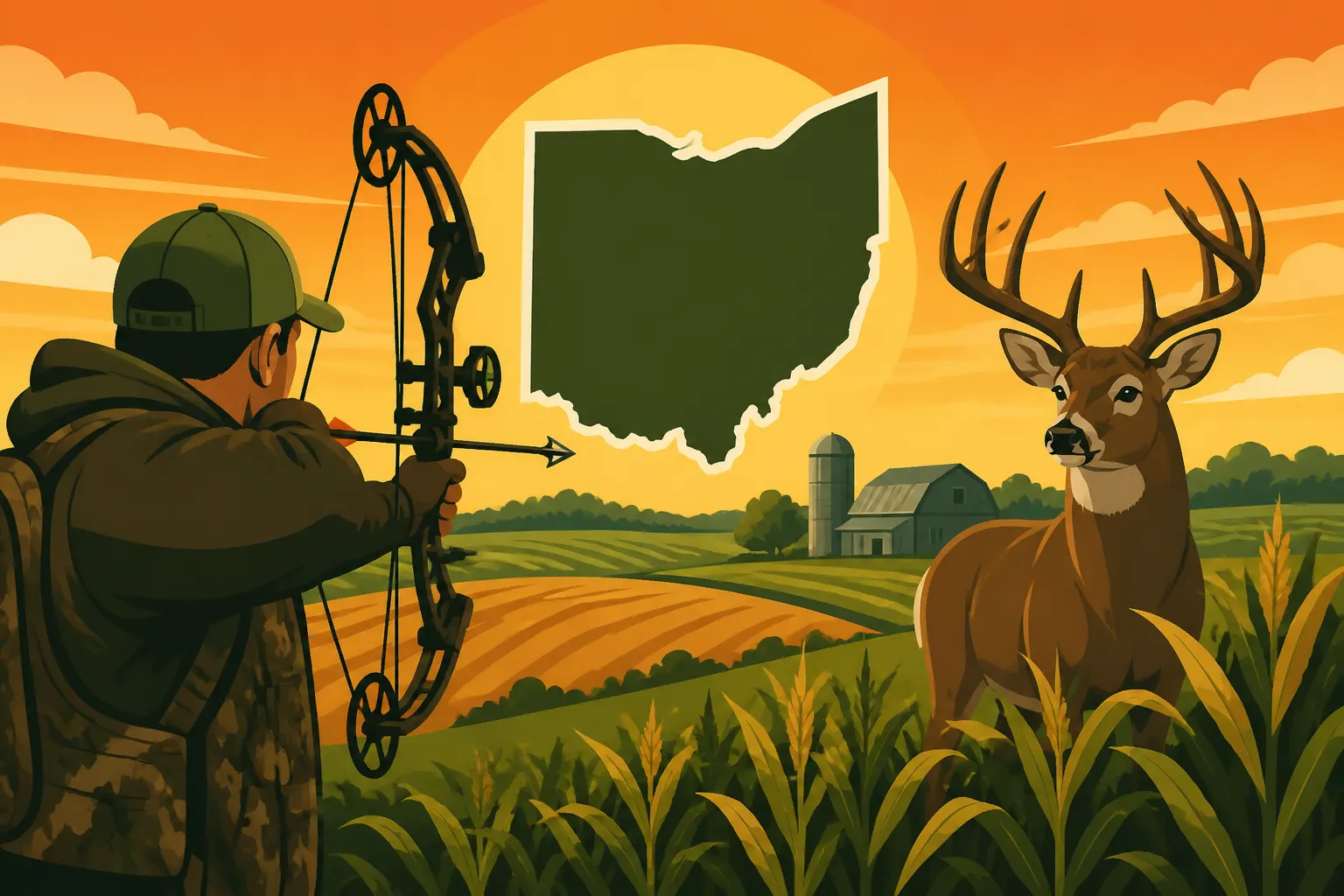
Hunting deer in Ohio's vast farmland regions can feel like a whole different ballgame compared to navigating the big woods of Appalachia. Many hunters get frustrated trying to pinpoint deer in a sea of corn and soybeans, wondering where the bucks are hiding when the crops are still standing or how to approach those isolated woodlots. This guide is here to break down the unique challenges and share proven strategies for successfully hunting whitetails in Ohio's rich agricultural landscapes, helping you unlock the secrets to consistent success in farm country.
Understanding Ohio's Farmland Deer Behavior
Hunting deer in Ohio's agricultural belt means stepping into a world where whitetails adapt their lives around human farming practices. Their movements, bedding, and feeding patterns are intimately tied to the crops grown and the limited cover available. It’s a completely different puzzle than hunting a sprawling forest, and understanding these nuances is your first step to success.
How Food Sources Dictate Movement
In farm country, food is rarely a question of scarcity; it's a question of preference and availability. Early in the season, standing corn and soybeans offer both prime sustenance and incredible cover. Deer will literally live inside these fields, emerging only under the cloak of darkness or during extremely low-pressure periods. It’s tough to hunt them when they’re practically invisible in a jungle of stalks.
As the season progresses and harvest begins, the dynamics shift dramatically. Suddenly, vast acreages of standing corn become stubble fields, and beans transform into bare ground. This forces deer out of their primary hiding spots and exposes new food sources like waste grain, winter wheat, and brassica plots. Understanding this seasonal rotation of food and cover is critical. For instance, knowing when the combines are rolling in your specific hunting area can help you predict major deer movement changes. That seemingly barren field in December might hold the key to late-season success if it's got a patch of unharvested turnips or standing winter rye.
Bedding Areas in Agricultural Landscapes
Unlike dense forests where deer can bed anywhere, farmland whitetails are restricted to specific pockets of cover. These might be small, isolated woodlots, thick fencerows, CRP (Conservation Reserve Program) fields, creek bottoms choked with multiflora rose, or even patches of dense weeds left undisturbed. The key here is "isolated" – deer in farm country seek refuge where they feel least exposed.
These bedding areas are often much smaller than what you'd find in big timber, making them more concentrated and easier to identify once you know what to look for. Sometimes, a mature buck will bed down in a tiny clump of saplings in the middle of a vast field, relying on its keen senses and the element of surprise. Understanding how deer utilize these limited bedding locations is crucial, as it will inform where you should place your stands and how you plan your entry and exit routes to avoid spooking game. If you can locate these core bedding spots, you're halfway to patterning deer movement.
The Impact of Hunting Pressure
Ohio's farmland often sits amidst a patchwork of private land, which can lead to varying levels of hunting pressure. On heavily hunted properties, deer quickly become nocturnal, moving primarily at night between bedding and feeding areas. This is a common frustration for many hunters, as it feels like the deer simply vanish during daylight hours. Conversely, properties with limited or managed pressure might see more daylight activity, especially during the rut.
Deer in these areas are highly sensitive to intrusion. A misplaced stand, a noisy entry, or scent left behind can quickly push them into neighboring properties or deeper into dense cover. This makes low-impact scouting and careful hunting tactics paramount. Using tools like GoHunt can help you analyze property lines and potential escape routes, giving you a better understanding of how deer might react to pressure from various directions. It's not just about your pressure, but the cumulative pressure from the entire area.
Scouting Strategies for Farm Country
Effective scouting in Ohio's agricultural regions is about more than just walking around; it's about piecing together a puzzle using visual cues, technology, and a deep understanding of deer behavior. The openness of farmland can be deceiving, making thorough reconnaissance all the more critical for success.
Reading Field Edges and Funnels
Field edges are the highways of farm country for deer. They offer a transition zone between open feeding areas and protective cover, serving as natural travel corridors. Look for well-worn trails, rubs, and scrapes along the edges of cornfields, soybean fields, and woodlots. These signs indicate regular deer movement. But not all field edges are created equal. A "hard" edge, where cover abruptly meets open field, might only be used at night. A "soft" edge, with more gradual transition cover like a fencerow or brushy ditch, offers more security for daylight movement.
Funnels are also goldmines in farmland. These are natural pinch points that concentrate deer movement into predictable pathways. Think about narrow strips of timber connecting two larger woodlots, brushy creek bottoms dissecting fields, or even small hedgerows between agricultural plots. Deer will almost always take the path of least resistance and greatest cover when moving between areas. Identifying these funnels, often just a few yards wide, can lead to high-odds stand locations. Learning to identify these spots is key, much like you would read a ridge for deer movement in hillier terrain. When Hunting a Funnel Between Two Woodlots, you're essentially setting up on a deer superhighway.
Utilizing Technology for Farmland Scouting
In today's hunting world, technology is your best friend, especially in flat, open farmland. Aerial maps and GPS apps like GoHunt are invaluable for identifying key features that might be hard to spot on the ground. You can pinpoint isolated woodlots, drainage ditches, fencerows, standing cover, and even subtle elevation changes that might funnel deer. This digital reconnaissance allows you to scout vast areas efficiently, even without setting foot on the property.
Consider overlaying different map layers to see historical crop rotations, identify potential bedding cover in satellite imagery, and mark potential stand sites. You can also use weather apps to track prevailing winds, which are crucial for planning approaches and stand placement in open country. Even the free Ohio HuntFish app offers useful public land boundaries, but for private land analysis and more detailed terrain, a subscription mapping service is highly beneficial. Before the season, spend hours poring over these maps to develop a solid game plan and identify access points that minimize intrusion.
Locating Key Cover Patches
Beyond the obvious woodlots, farmland deer rely on a variety of smaller, less obvious cover patches for bedding and daytime security. These can include overgrown ditches, thick brush alongside creeks, CRP fields, thickets of multiflora rose, osage orange hedges, and even small patches of dense cattails in marshy areas. These spots might seem insignificant to us, but to a deer seeking refuge, they are sanctuaries.
Pay close attention to these smaller cover pockets during your scouting. Look for tracks leading in and out, or even beds within the densest parts. Often, these overlooked spots hold mature deer that have learned to avoid the larger, more obvious woodlots due to hunting pressure. Remember, a deer's primary need is security. If an area, no matter how small, offers them safety, they will use it. This is particularly true for bucks looking for a quiet place to escape the heat of the rut or the constant pressure of a busy farm.
Stand and Blind Placement Tactics
The open nature of Ohio's farmland dictates a different approach to stand and blind placement. You need to maximize concealment, account for long sightlines, and be hyper-aware of wind direction and entry/exit routes. The wrong setup here can blow a hunt before it even begins.
Field Edge Setups and Wind Considerations
When setting up on a field edge, your primary concern is the wind. In open country, winds can swirl more unpredictably than in dense timber, but generally follow a dominant pattern. Always choose a setup that puts the wind in your favor, carrying your scent away from where you expect deer to approach. This might mean setting up on the leeward side of a woodlot or a specific corner of a field. For example, when Setting Up on a Northwest Ohio Field Edge, you might find prevailing westerly winds dictate your stand location.
Concealment is also paramount. Deer can spot movement from a long distance in open fields. Opt for trees that offer natural back cover, such as a gnarly oak with heavy limbs or a cluster of pines. Elevate your stand as high as safely possible to get above their primary line of sight, but don't compromise safety. For a rifle hunt, consider a ground blind brushed into a fencerow for maximum concealment. Always trim shooting lanes before the season, minimizing disturbance. Think about how your silhouette will appear against the sky or field.
Hunting Woodlot Islands and Fencerows
Small woodlot islands—those isolated patches of timber in the middle of a field—are often deer magnets. They offer secure bedding and staging areas. When hunting these, focus on the downwind side, placing your stand where you can catch deer slipping out to feed or entering from adjacent cover. Entry and exit routes need to be carefully planned to avoid disturbing the core of the woodlot. Sometimes, waiting until deer are well out in a field before attempting an exit is the only way to avoid blowing them out.
Fencerows, especially brushy ones, act as linear travel corridors and offer fantastic ambush points. These narrow strips of cover connect larger woodlots or fields, providing deer with security as they move. Position your stand or blind where a fencerow bottlenecks or intersects with another cover feature. A common mistake is setting up directly in the fencerow; instead, set up slightly off to the side, perhaps in a patch of tall weeds or a larger tree nearby, to catch deer using the fencerow without being directly in their path. A detailed map on GoHunt can help you find those perfect intersecting fencerows.
Using Ground Blinds Effectively
Ground blinds are exceptionally versatile in farmland settings. They offer excellent concealment, block wind, and allow for movement, which can be a huge advantage when you're sitting for long periods in cold weather. For field edge hunting, Brushing In a Blind on a Field Edge is crucial to make it look like a natural part of the landscape. Don't just plop it down; use natural vegetation like corn stalks, brush, and small trees to break up its outline.
Blinds are especially effective for hunting standing corn or soybean fields before harvest. You can set them up inside the field, waiting for deer to emerge. They also shine for late-season hunts over specific food sources where natural tree cover might be sparse. Just remember, a ground blind needs to be set up well in advance of the hunt to allow deer to get accustomed to its presence. This can mean weeks, even a month, depending on the deer's wariness.
Rut and Late Season Strategies
Ohio's rut in early November brings exciting opportunities in farm country, but the late season after harvest can be equally productive if you know where to look. Both periods demand specific tactics to leverage deer behavior influenced by breeding activity and the scarcity of cover.
Capitalizing on the Rut in Open Country
The rut turns farm bucks into wanderers, less cautious and more prone to daylight movement as they chase does. In open country, this means covering ground or sitting strategic pinch points becomes even more critical. Does will still use the established travel corridors and cover that they've always used. Bucks will be checking these areas constantly. Focusing your efforts on these doe bedding and feeding areas, as well as the travel routes between them, is often more productive than simply wandering aimlessly. Many hunters find success during Hunting the Rut in Early November by focusing on these patterns.
Calling can be highly effective during the rut in open farmland. Grunt calls and rattling sequences can carry a long way, drawing curious bucks from distant fields. Always be ready, as a buck might appear quickly from an unexpected direction. Remember, in wide-open spaces, deer have excellent visibility. Be extra vigilant about your movement and scent control. If you're struggling to locate mature bucks during the peak of the rut, consider shifting your focus to the secondary rut, often coinciding with Hunting the Late-Season Rut Lull after the main breeding push.
Hunting Post-Harvest Food Sources
Once the combines have rolled, the landscape transforms. Deer, now stripped of their primary cover and food source, gravitate heavily towards whatever remains. This often means waste grain in cut cornfields, winter wheat, standing soybeans (if any are left), food plots of brassicas or clover, and sometimes even hayfields. Identifying these critical food sources becomes your number one priority for late-season success.
Scouting these areas post-harvest for fresh sign like tracks and droppings is essential. Deer will often bed in the nearest available cover, even if it's just a brushy ditch or a small patch of woods, then move to these food sources in the evening. Setting up on the downwind side of these hot feeding areas is a classic late-season tactic. A prime example is Hunting a Standing Soybean Field or a freshly cut cornfield that still holds scattered grain. Don't underestimate the appeal of a simple patch of winter wheat that might seem insignificant.
Cold Weather Sitting Strategies
Ohio's late season often brings bitter cold, snow, and bone-chilling winds, which can be a real test of endurance. However, these conditions also force deer to feed more frequently during daylight hours to maintain body temperature. This makes proper cold-weather gear and strategic sitting crucial. Layering is key: start with good base layers, add insulating mid-layers, and top it off with a windproof and waterproof outer shell. Wool and synthetics are far superior to cotton in these conditions.
Consider using a warm ground blind or a well-insulated tree stand setup with warmers for your hands and feet. Prolonged sitting in the cold requires mental toughness, but the rewards can be significant. Deer will be looking for the most efficient path to food, conserving energy in the cold. Focus on pinch points and funnels that offer the quickest access from bedding to feeding. Mastering Cold-Weather Sitting Strategy in Ohio means staying comfortable enough to remain vigilant for extended periods, as a late-season buck might only offer a small window of opportunity.
Accessing Private Land and Building Relationships
Ohio has a significant amount of private land, and much of its prime deer habitat is found within these private holdings. Gaining access to these properties is often the key to consistent success in farm country, and it requires more than just a quick knock on the door. It's about building trust and demonstrating respect.
Asking Farmers for Permission
Approaching landowners to ask for permission to hunt can be intimidating, but it's a vital skill. Start by identifying properties that show good deer sign, often visible from public roads. Don't just show up during hunting season; approach farmers well in advance, perhaps in the late spring or summer, when they're less busy and not bombarded by other hunters. A clean, presentable appearance and a polite, respectful demeanor go a long way.
When you speak with them, introduce yourself, explain why you're interested in hunting their property, and highlight your commitment to safety and respect for their land. Offer to help with chores, keep an eye on their property, or even share some of your venison if you're successful. Sometimes, a simple handwritten letter followed by a phone call can open a door. Be prepared for rejection, and never take it personally. Persistence, combined with respect, is key. Our guide on Knocking on Doors in Ohio Farm Country offers more specific tips for this critical step.
Maintaining Good Landowner Relations
Once you've secured permission, the real work of maintaining that relationship begins. This isn't a one-time transaction; it's an ongoing partnership. Always follow the landowner's rules, no exceptions. Inform them when you'll be on their property and where you plan to hunt. Close all gates, pick up any trash (even if it's not yours), and report any suspicious activity you might notice.
If you're successful, offer them some of the meat. A thoughtful thank-you note or a small gift at the end of the season can also go a long way in showing your appreciation. Remember, you are a guest on their land. Your actions reflect not only on you but on all hunters. By being a respectful, responsible hunter, you not only ensure your own access but help build a positive image for the entire hunting community. A good relationship means potential long-term access, which is invaluable.
Ethical Considerations and Respect
Beyond legal requirements, ethical hunting practices are paramount, especially on private land. This includes respecting property boundaries, ensuring clean kills, and promptly tracking and recovering game. If a deer crosses a property line onto land where you don't have permission, you must gain permission from that landowner before retrieving your animal. Failure to do so is trespassing.
Always be mindful of livestock, farm equipment, and other aspects of a working farm. Avoid driving vehicles through muddy fields or near crops unless explicitly permitted. Your behavior as a hunter can directly impact future hunting opportunities for yourself and others. Using a reliable GPS app like GoHunt with property line overlays can prevent accidental trespass and demonstrate your commitment to responsible hunting. Always prioritize safety, respect, and ethical conduct above all else.
| Season Phase | Key Food Sources | Primary Bedding Areas | Recommended Tactics |
|---|---|---|---|
| Early Season | Standing corn, soybeans, alfalfa, clover food plots | Standing crops, thick fencerows, small woodlots | Hunt field edges, inside standing crops (if accessible), morning entry to bed areas, evening exit to food. |
| Pre-Rut/Rut | Remaining standing crops, winter wheat, waste grain | Woodlot interiors, brushy creek bottoms, thick CRP fields | Focus on funnels, pinch points, doe bedding areas, rattling/grunting, cruising buck observation. |
| Late Season | Waste grain (corn/beans), winter wheat, brassica plots | Heaviest thermal cover (cedar thickets, dense brush) | Hunt primary food sources, focus on thermal cover during coldest periods, use ground blinds for concealment. |
Disclaimer
Hunting is an inherently risky activity. Always prioritize safety, wear appropriate blaze orange or pink when required, and follow all Ohio hunting regulations and laws. The information provided in this guide is for informational purposes only and should not replace proper hunter education or professional guidance. Always respect private property and obtain permission before hunting.