Hunting the Rut in Early November
That electric feeling you get when the calendar flips to November, knowing the whitetail rut is either here or just around the corner, is something every Ohio deer hunter understands. There's nothing quite like the surge of adrenaline when a buck you've never seen before suddenly appears, nose to the ground, chasing a doe. But pinpointing when and where that magic happens in early November can feel like trying to catch lightning in a bottle. This guide is here to help you decipher the early November rut in Ohio, offering practical strategies to make the most of this exhilarating time in the deer woods.
Understanding the Early November Rut in Ohio
The early November window for deer hunting in Ohio is, for many, the absolute pinnacle of the season. It's the time when bucks seemingly lose their minds, discarding their nocturnal habits and sometimes even their caution, all in the name of procreation. If you've ever felt frustrated by invisible deer, this is when they start showing themselves.
What is "The Rut" and Why Early November Matters
The "rut" isn't a single event; it's a dynamic, multi-phase period driven by hormones, daylight cycles, and ultimately, the biological imperative to breed. In Ohio, this typically kicks off with the "pre-rut" in late October, characterized by increased buck sign like rubs and scrapes as testosterone levels rise. Bucks are feeling their oats, testing boundaries, and establishing dominance.
But when we talk about early November, we're usually hitting the sweet spot of the "seeking" and "chasing" phases. This is when the majority of does are approaching or entering estrus, and bucks are actively, almost frantically, searching for them. You'll see more daylight movement, bucks traveling extensively, and the occasional high-speed chase through the timber. This intense activity often peaks around the first or second week of November, making it a critical time to be in the stand. It's not necessarily the breeding peak yet, where most does are standing, but it's certainly the movement peak, which is what hunters are after. The dropping temperatures and shorter days of late autumn signal to whitetails that it's time to get down to business.
Peak Rut Behavior: The Science Behind the Madness
During early November, the hormonal surge in bucks is in full swing. Testosterone levels are at their highest, leading to significant changes in their behavior. They become more aggressive, both towards other bucks and in their pursuit of does. You’ll often see bucks sparring, pushing each other around, and generally throwing their weight around. This increased aggression is a clear sign that the breeding season is truly upon us.
Does also play a crucial role, though their behavior is often more subtle until they're ready to be bred. As they approach estrus, they might move more frequently, sometimes seeking out bucks, but more often trying to avoid the relentless pursuit of eager suitors. Once a doe enters standing estrus, she'll often lead a buck on a chase until she's ready to stand and breed. This is the classic "chasing" behavior that makes the early November rut so exciting to witness and hunt. Hunters who pay close attention will notice that bucks are no longer just browsing; they’re driven by a singular purpose, often oblivious to their surroundings, especially if they catch the scent of a hot doe. Understanding these patterns helps immensely when you're trying to figure out When the Ohio Rut Peaks.
It's important to remember that while there's a general peak, deer are individuals, and rut activity can fluctuate daily, even hourly. A warm spell might slow things down for a day or two, only for a cold front to kick it back into overdrive.
Essential Tactics for Early November Rut Success
To consistently put yourself in front of rutting deer in Ohio, you need a combination of smart scouting, strategic stand placement, and effective calling. This isn't the time for passive hunting; it's time to be proactive and aggressive.
Aggressive Scouting and Stand Placement
While summer and early fall scouting focuses on food and bedding, early November scouting shifts to identifying high-traffic travel corridors that bucks will use to cruise for does. Think about natural funnels: narrow strips of timber between open fields, saddles on ridges, pinch points created by thick cover or terrain features, and creek bottoms. Bucks will use these to cover ground efficiently while staying out of the open.
Consider areas where does typically bed and feed. During the rut, bucks will often scent-check these areas. A stand placed on the downwind side of a known bedding area, or overlooking a field edge that does frequent, can be deadly. In the rugged terrain of Appalachian Ohio, look for Hunting a Ridge-Top Saddle for Rutting Bucks as these become critical intersections. Don't overlook secondary scrapes and rub lines, especially those that appear fresh and near these travel corridors. These are signposts indicating buck activity.
Wind direction is paramount. A rutting buck will almost always circle downwind of a suspected hot doe, using his nose to confirm her presence. Your stand needs to be positioned to intercept him before he winds you. Utilizing mapping tools, like the ones offered by GoHunt, can help you identify these topographical features and plan your entry and exit routes, minimizing disturbance. Remember, good stand placement for the rut often means thinking like a cruising buck – where would he go to find the ladies?
Calling and Decoying Strategies
Early November is arguably the best time to incorporate calling and decoying into your hunting strategy. The key is to be confident and realistic with your sounds.
- Grunt Calls: A simple tending grunt can imitate a buck trailing a hot doe or a subordinate buck looking for company. Vary your grunts: short, soft grunts if deer are close, or a series of louder, more aggressive grunts if you need to grab attention from a distance. Bucks are actively seeking during this phase, so they’re more likely to investigate.
- Rattling: Mimicking two bucks fighting can be incredibly effective, especially during the peak chasing phase when testosterone is high. Start with light sparring, then escalate to more intense crashes, grunts, and snort-wheezes, as covered in Rattling and Grunting in Ohio. The sound of a fight attracts dominant bucks looking to assert themselves, or younger bucks hoping to sneak in and steal a doe. Give it a minute or two of silence after a sequence, then repeat.
- Decoys: Using a single doe decoy can be highly effective, especially with a buck decoy placed behind it to simulate a buck tending a doe. This can enrage a dominant buck, drawing him in for a confrontation. Place decoys where they are visible from a distance but still within your effective shooting range. Always consider wind direction for scent and presentation. Using an estrus scent or dominant buck urine on your decoy can add an extra layer of realism.
Remember, every situation is different. Pay attention to deer reactions. If they respond negatively to aggressive calling, back off. If they ignore soft grunts, try rattling. Being adaptable is key.
All-Day Hunting and Adapting to Conditions
The rut is often described as "the great equalizer" because deer movement can happen at any time. This means you need to adjust your typical hunting schedule to truly capitalize.
The All-Day Sit: Maximizing Opportunities
During the early November rut, the concept of the "all-day sit" isn't just a suggestion; it's often a necessity for success. Bucks are moving continuously, sometimes cruising for miles to find does, making their appearance less predictable. While dawn and dusk remain prime times, it's not uncommon to see the biggest buck of your life at high noon.
To make an all-day sit productive and tolerable, preparation is key. Pack plenty of water, snacks, and even a packed lunch. Keeping warm is critical, especially as Ohio November days can be brisk. Layering clothing, perhaps starting with a good set of merino wool base layers and adding insulated outer layers, is essential. For more tips, check out Cold-Weather Sitting Strategy in Ohio. A comfortable stand or saddle setup is also vital – you don't want discomfort sending you back to the truck early. Bring a good book or podcast for quiet periods, but always remain vigilant. Sometimes, a deer will appear silently, and you need to be ready.
Weather and Pressure: Reading the Signs
The weather plays a significant role in rut activity. Cold fronts, particularly those that bring a sharp drop in temperature after a mild spell, often ignite deer movement. Clear, crisp mornings with light winds are ideal. Deer, especially bucks, tend to move more in cooler temperatures. Conversely, warm, rainy, or windy days can slow things down, making deer movement more sporadic. Keep a close eye on the forecast and try to time your hunts with favorable conditions. Many hunters find that a tool like the GoHunt app can help predict these weather shifts and their potential impact on deer activity, allowing for better planning.
Hunting pressure is another huge factor, particularly on Ohio's public lands. Opening day of gun season might still be a few weeks off, but archery pressure can certainly increase during the rut. If you're hunting public ground, expect other hunters to be out, especially on weekends. This pressure can push deer into thicker cover or shift their movement patterns to more secluded areas. To combat this, consider walking further from main access points, exploring less obvious terrain features, or hunting areas that others might overlook, a tactic covered in Finding Ground Others Walk Past. Understanding Hunting Pressure on Ohio Public Land is crucial for adapting your strategy. A pressured buck might avoid open areas or move predominantly in low-light conditions, even during the rut, so adjust your stand placement accordingly.
Gear and Preparation for the Early November Rut
Being properly equipped and mentally prepared can significantly impact your success during the frantic days of the early November rut. Don't let a minor oversight ruin an otherwise perfect opportunity.
Essential Gear for Long Days in the Woods
Since you'll likely be spending extended periods in your stand, your gear choices are critical.
- Layered Clothing: Ohio's weather can be unpredictable in November. Start with moisture-wicking base layers, add insulating mid-layers, and top it off with a scent-controlled, waterproof/windproof outer shell. Wool is an excellent choice for its warmth-to-weight ratio and ability to retain warmth even when damp; for more details, see Wool Versus Synthetics in Wet Cold. Don't forget a warm hat, gloves, and insulated boots.
- Optics: A good pair of binoculars (8x or 10x power) is indispensable for scanning distant fields, ridge lines, and thick cover for cruising bucks. A rangefinder is also crucial for quickly and accurately determining shot distances, especially when a deer is on the move.
- Scent Control: While bucks might be distracted, their noses are still their primary defense. Use scent-eliminating sprays, store hunting clothes in scent-free containers, and be mindful of your entry and exit routes.
- Navigation: A reliable GPS unit or a mapping app on your phone (like GoHunt) is vital, especially when you're pushing deeper into unfamiliar territory or tracking a deer after dark. Always carry a portable charger for your phone.
- Safety Harness: If you're hunting from a treestand, a full-body safety harness is non-negotiable. Falling from a stand can have catastrophic consequences. Prioritize your safety above all else, especially when dealing with steep ground, as discussed in Treestand Safety Gear for Steep Ground.
- Calls: Don't forget your grunt tube, rattling antlers (or bag), and a snort-wheeze call. They are your voice in the woods during the rut.
- Comfort Items: Hand warmers, a small thermos of coffee or tea, and a comfortable seat cushion can make those long sits much more enjoyable and keep you in the woods longer.
Physical and Mental Readiness
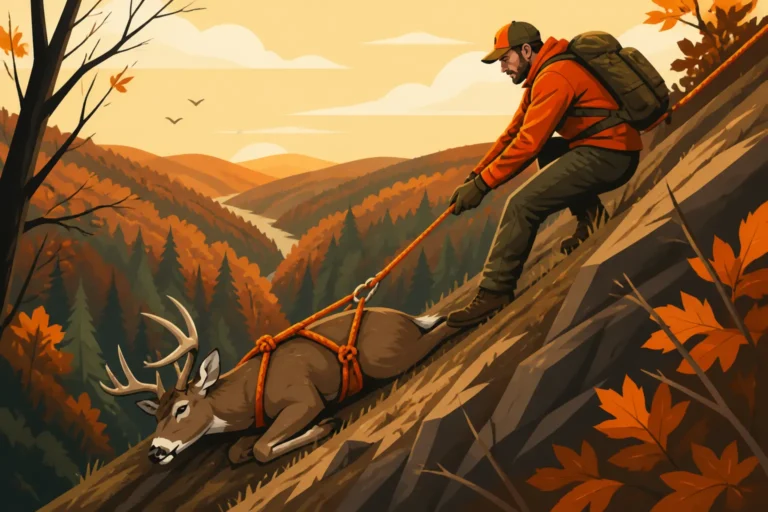
The rut can be physically demanding. Long walks to remote stands, all-day sits, and potentially dragging a mature buck out of tough terrain require a certain level of fitness. Make sure you're in good physical condition before the season, especially if you plan to explore larger tracts of public land like the Wayne National Forest or Shawnee State Forest.
Equally important is mental readiness. The rut is exciting, but it can also be frustrating. You might sit for hours without seeing anything, only for a buck to blow through your area in a flash. Patience, perseverance, and the ability to stay focused for extended periods are paramount. Understand that not every sit will be productive, but every sit during the rut holds the potential for a truly memorable encounter. Remind yourself that every single day in early November, especially as the moon phases align and the temperatures drop, holds the promise of that dream buck finally stepping into your shooting lane. Staying positive and alert can make all the difference. Scouting Ohio Public Land Before Season can give you the edge of confidence going into the rut.
Early November Rut Tactics at a Glance
| Rut Behavior | Key Signs to Look For | Recommended Tactics | Optimal Conditions |
|---|---|---|---|
| Seeking/Cruising | Fresh scrapes, rubs, tracks | All-day sits, hunt travel corridors/funnels | Cold fronts, crisp mornings, light wind |
| Chasing | Deer running, vocalizations | Grunting, rattling, snort-wheezes, doe decoy | Peak movement times, especially midday |
| Staging/Scent Checking | Bucks pausing downwind | Stand on downwind side of bedding/feeding areas | Consistent winds, active scent checking |
| Feeding (Sporadic) | Quick stops at food plots | Hunt pinch points between food and cover | Lulls in chasing activity, post-front |
| Rubbing/Scraping | Fresh sign on trails | Target areas with new buck sign; use mock scrapes | Pre-rut into early rut, rising testosterone |
Disclaimer
Please remember that hunting regulations and seasons in Ohio can change. Always consult the most current Ohio Department of Natural Resources (ODNR) hunting regulations manual before heading into the field. This guide provides general advice and is not a substitute for official legal guidelines. Safety should always be your top priority while hunting.