When Ohio’s Archery Season Opens
That feeling of anticipation leading up to archery season is something every Ohio deer hunter knows well. You've spent months dreaming of crisp autumn mornings, the sound of leaves underfoot, and the exhilarating challenge of outsmarting a whitetail. But a common question that pops up every year, often accompanied by a flurry of anxious checking of calendars, is simply: "When does Ohio's archery season actually open?" This guide is here to cut through any confusion, give you the definitive lowdown on the dates, and help you get prepped for success from the very first legal shooting light.
The Official Start of Ohio's Archery Deer Season
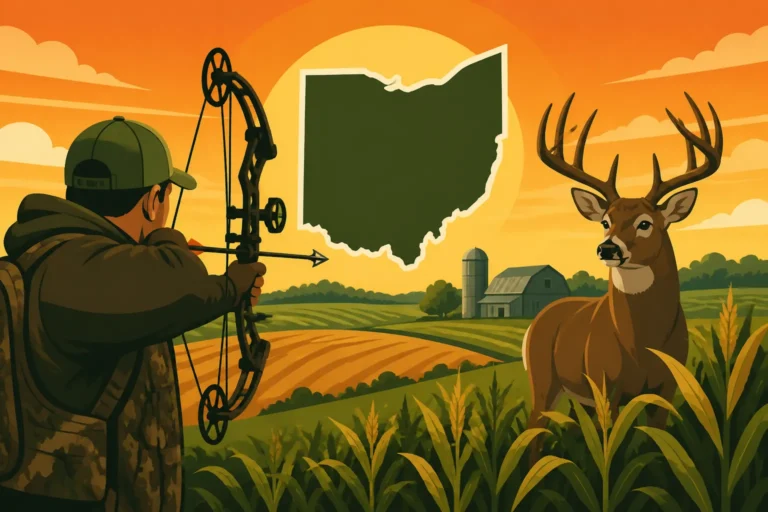
The opening of Ohio's archery deer season is a highlight on every bowhunter's calendar, signaling the true beginning of fall hunting opportunities. It’s when the woods truly come alive, offering an incredible chance to connect with nature and pursue Ohio's thriving deer population. Knowing the precise date is the first step in planning your hunts, scouting efforts, and gear preparation.
Pinpointing the Exact Opening Date Each Year
For those of us who live and breathe Ohio hunting, the archery season opener is practically a holiday. Historically, and consistently, the Ohio Department of Natural Resources (ODNR) sets the statewide archery deer season to open on the last Saturday of September. This date typically falls between September 24th and September 30th, giving hunters a reliable window to mark on their calendars well in advance. While the specific numerical date shifts each year, that "last Saturday" rule is a solid anchor. For instance, in an upcoming year like 2024, the season would kick off on September 28th. It's always a good idea to double-check the current year's official ODNR Hunting and Trapping Regulations booklet, which is released annually, for the definitive dates and any minor adjustments. You can usually find this information on the ODNR's website or pick up a physical copy at most license vendors.
The consistent timing of the opener allows hunters to plan their vacation days, coordinate with hunting buddies, and schedule those critical pre-season scouting trips. There's nothing worse than thinking you're ready, only to realize you misread the calendar! Knowing it’s always the last Saturday in September provides peace of mind and allows for early preparation, which, as any seasoned hunter knows, is half the battle.
Understanding the "Why" Behind the Timing
You might wonder why the ODNR consistently picks the last Saturday of September. It's not arbitrary; there's a thoughtful approach behind it. This timing typically coincides with the latter part of summer and the very beginning of fall, when deer behavior is still largely driven by food sources and their daily patterns are fairly predictable. The leaves are just starting to turn, the temperatures are usually mild, and the deer are still in their early-season feeding routines before the chaos of the rut truly begins.
The decision also balances hunter opportunity with herd management goals. Opening in late September provides a long archery season, often extending into February, as detailed in our guide on How Ohio's Archery Season Runs Into February. This extended period allows for ample opportunity to harvest deer, contributing to the state's overall deer management objectives. It also pre-dates the peak of the acorn drop in many areas, meaning deer are still hitting agricultural fields and specific mast crops like early-ripening persimmons or soft mast, offering different strategic advantages compared to later in the season. By starting before the major changes of the late fall and winter, hunters can observe and capitalize on more stable deer patterns.
Navigating Equipment and Regulations for Opening Day
Once you know when the season starts, the next logical step is to ensure your gear is ready and you're fully compliant with all state regulations. Ohio has made significant strides in modernizing its hunting rules, particularly concerning archery equipment, to offer flexibility while maintaining safety and fair chase principles.
Vertical Bows and Crossbows: All Clear from Day One
One of the great things about Ohio's archery season is its inclusivity. Whether you prefer a traditional recurve, a compound bow, or a crossbow, all legal archery equipment is permitted from the very first day of the season. There's no staggered opening for different types of bows, which simplifies planning and allows hunters to choose the equipment they are most comfortable and proficient with. This is a huge benefit, especially for new hunters or those transitioning between bow types.
For many years, some states had restrictions on crossbow use, but Ohio has recognized the value and increasing popularity of crossbows, putting them on equal footing with vertical bows. This means you don't need a separate permit for your crossbow, nor do you have to wait for a later start date. The key is simply ensuring your equipment meets the legal specifications for draw weight and bolt/arrow length as outlined by the ODNR. Our comprehensive guide on Crossbow Versus Vertical Bow in Ohio dives deeper into the nuances of choosing the right equipment for your hunting style and local conditions. Just make sure your broadheads are sharp and your shot placement practice is dialed in, regardless of your chosen weapon.
Licenses, Permits, and Crucial Check-ins
Before you even think about stepping into the woods on opening day, you absolutely need to have your ducks (or in this case, deer permits) in a row. Ohio requires all deer hunters, regardless of weapon type, to possess a valid hunting license and a deer permit. These are two separate items you'll need to purchase. You can pick them up online through the Wild Ohio customer portal, or at most sporting goods stores, bait shops, and some department stores across the state.
The cost of these varies depending on residency and age, so it's best to consult our guide on Ohio Hunting Licenses and What They Cost for the most up-to-date pricing. Remember, your hunting license is valid for a full year from the date of purchase (or for the current season year, depending on how you buy it), while deer permits are specific to the current deer season. You'll want to ensure you have both tucked away safely in your pack or, more conveniently, stored digitally on your phone via the official Ohio HuntFish app.
After a successful harvest, reporting your deer is not just a suggestion; it's a legal requirement. Ohio has a straightforward online or phone-based check-in system. You'll need to tag your deer immediately after harvest with a temporary tag, and then check it in within 24 hours of the kill. This data is vital for wildlife managers to monitor the health and population of White-Tailed Deer Across Ohio. For hunters using apps like GoHunt, you might even find integrations or tools that streamline this process, ensuring you're compliant without the hassle. It’s always smart to review the current year's specific checking requirements to avoid any issues.
Pre-Season Prep: Setting Yourself Up for Early Archery Success
Opening day is about more than just showing up. It's the culmination of weeks, if not months, of preparation. The early archery season presents unique challenges and opportunities, and savvy hunters know that diligent pre-season work is the cornerstone of a successful hunt.
Strategic Scouting and Stand Placement
This is where the rubber meets the road. Deer behavior in late September is heavily influenced by food sources. Unlike the rut, when bucks are cruising for does, early season deer are primarily focused on filling their bellies. This means extensive scouting for active food sources is paramount. Look for agricultural fields (corn, soybeans, alfalfa), mast crops (oaks, beeches, persimmons), and even lush green food plots. Identifying travel corridors between these food sources and bedding areas is key. Services like GoHunt mapping are invaluable here, allowing you to pour over aerial imagery, identify potential bottlenecks, funnels, and hidden clearings that might hold deer.
Once you’ve identified promising locations, it's time for stand placement. For early season, consider stand locations that allow for easy, quiet access and exit without alerting deer. Elevated stands, whether traditional hang-ons or saddle setups, are often preferred for their vantage point and scent control advantages. When considering Treestand Setups in Appalachian Ohio Hardwoods or even on flatter ground, always think about the prevailing winds. Your stand should position you downwind or crosswind of where you expect deer to approach. This might mean having multiple stand locations for different wind directions, which is a smart strategy for staying adaptable throughout the early season. Hanging stands weeks before the opener also gives deer time to get accustomed to their presence, reducing wariness.
Adapting to Early Season Deer Behavior
Deer behavior at the end of September is a distinct chapter in the hunting season. Bucks are often still in their bachelor groups, or just starting to break up, and their primary focus is food. They haven't yet been pressured by hunters, nor are they distracted by the urge to breed. This can make them somewhat predictable if you've done your homework. They'll often move from bedding areas to food sources during the last hour or two of daylight, and again in the very early morning hours.
Understanding the Ohio Deer Population Estimate and local deer density can also help you gauge pressure and adapt your strategy. In areas with high deer numbers, competition for food can make deer more aggressive, potentially leading to more daylight movement. However, as soon as hunting pressure starts, these patterns can quickly change. Deer will become more nocturnal or shift their movements to thicker cover during daylight hours. Your job as an early season hunter is to capitalize on their natural, unpressured patterns before they adapt to human presence. This means being in your stand early, staying late, and minimizing disturbances whenever you're in the woods.
Early Archery Tactics: Making the Most of the First Weeks
The opening weeks of archery season offer a unique window of opportunity that seasoned hunters covet. It's often before the major weather shifts, the leaves are still mostly on the trees, and deer are still relatively unpressured. Mastering early season tactics means focusing on their most basic needs: food and water.
Prioritizing Food and Water Sources
During the late summer and early fall, a deer's life revolves around calories. As such, identifying and hunting primary food sources is paramount. Look for areas with a heavy concentration of soft mast like persimmons or crabapples, which drop their fruit early. Hard mast, especially white oak acorns, is a magnet for deer once it starts falling, so scouting for those trees is crucial. Agricultural fields, particularly those with standing soybeans or corn, will draw deer in like a magnet. If you're hunting Ohio Farmland Deer, setting up on field edges or in funnels leading to these fields can be incredibly effective.
Water sources, especially during dry spells in September, can also be overlooked hotspots. Small ponds, creeks, or even muddy wallows might see significant deer activity. Consider trails leading to and from these areas. Using trail cameras, especially a few weeks before the opener, can help you confirm active food and water sources and even identify specific deer patterns. When you place a camera, think about Where to Hang a Camera on a Logging Road or near a field edge, and remember to check state regulations regarding trail camera use on public land. Patience is key when hunting over food and water; deer will often stage in nearby cover before venturing into the open.
Playing the Wind and Minimizing Pressure
The single most critical factor in early season bowhunting success is often the wind. With leaves still on the trees, thermals can be tricky in the mornings and evenings, but a steady wind is your best friend for carrying your scent away from your target. Always know the wind direction and set up accordingly. This might mean having two or three stand locations to accommodate different wind directions for the same food source or travel corridor. A mapping tool like GoHunt can help you visualize prevailing winds and identify optimal stand placements relative to your target areas.
Minimizing pressure is equally vital. Early season deer are still somewhat naive, but they are incredibly sensitive to human disturbance. This means:
- Quiet Entry and Exit: Plan your routes to and from your stand carefully, avoiding known bedding areas or high-traffic deer trails. Walk slowly and deliberately.
- Scent Control: While no system is foolproof, showering with scent-free soap, washing clothes in scent-free detergent, and storing them in airtight bags can help. Use scent elimination sprays before and during your hunt.
- Limited Intrusion: Try not to over-scout or visit your stand location too frequently. Every time you enter the deer's world, you leave scent and create disturbance. Only go in when conditions are right for a hunt, or for a quick, low-impact scouting trip.
- Hunting Small Private Tracts in Ohio: If you have access to small private tracts, these can be less pressured than public lands. Leverage that by being extra stealthy.
By adhering to these principles, you increase your chances of encountering unalerted deer, which is the ultimate goal for a successful early archery season. Remember, the early season offers a unique opportunity to fill a tag before the deer become educated by rifle season pressure or change their patterns due to the rut.
Disclaimer
Hunting regulations, season dates, and permit requirements are subject to change. Always consult the most current Ohio Department of Natural Resources (ODNR) hunting and trapping regulations before planning and engaging in any hunting activities. This guide is for informational purposes only and should not replace official ODNR publications or expert advice.