Crossbow Versus Vertical Bow in Ohio
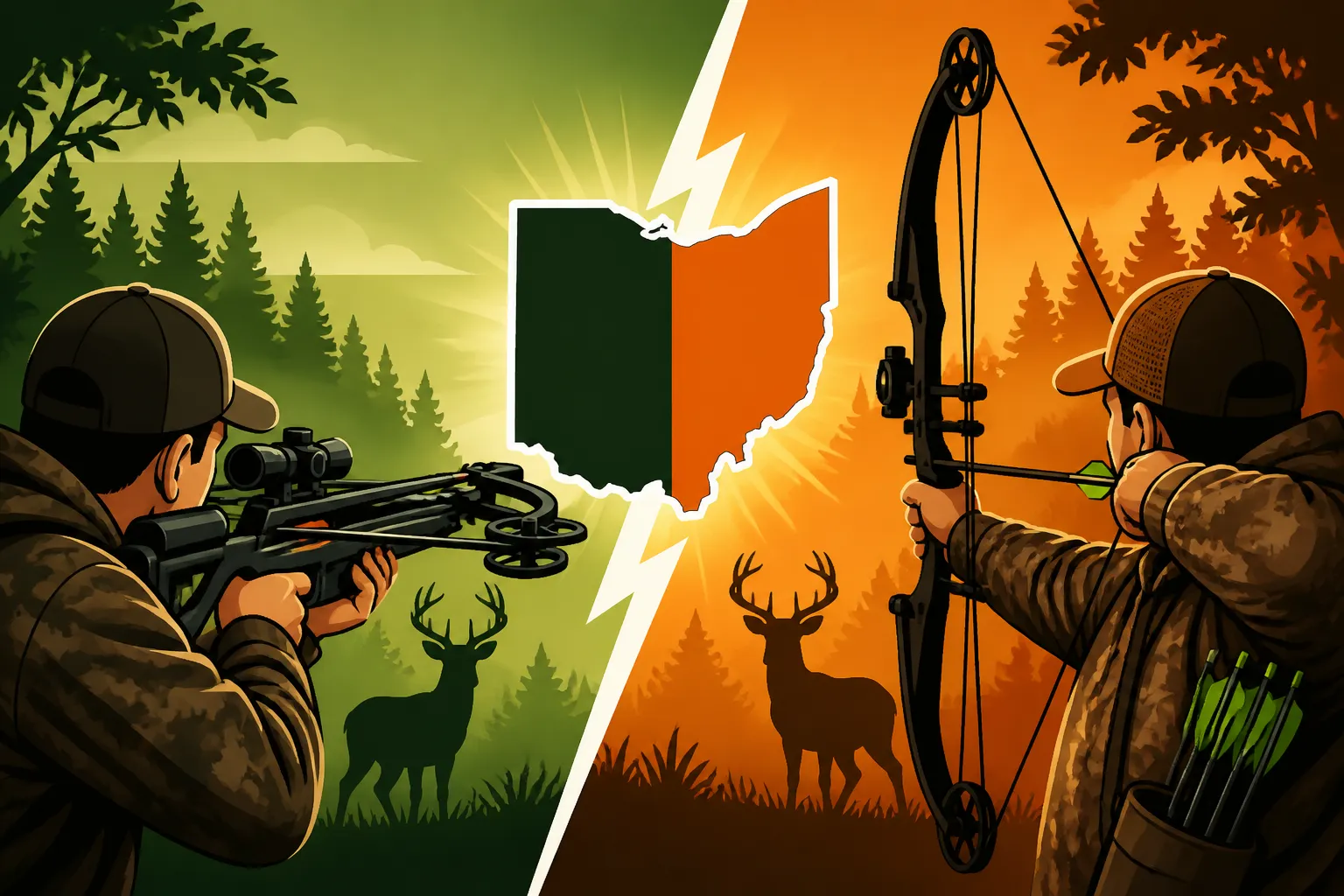
Choosing between a vertical bow and a crossbow for deer hunting in Ohio is a decision many hunters grapple with, often leading to confusion and frustration about which option is truly "better." The truth is, both are incredibly effective tools for harvesting a whitetail, but they cater to different styles, physical capabilities, and personal preferences. This guide aims to clear up the common misconceptions and provide a comprehensive look at what each weapon offers, helping you make an informed choice for your next Ohio archery season.
The Enduring Appeal of the Vertical Bow in Ohio
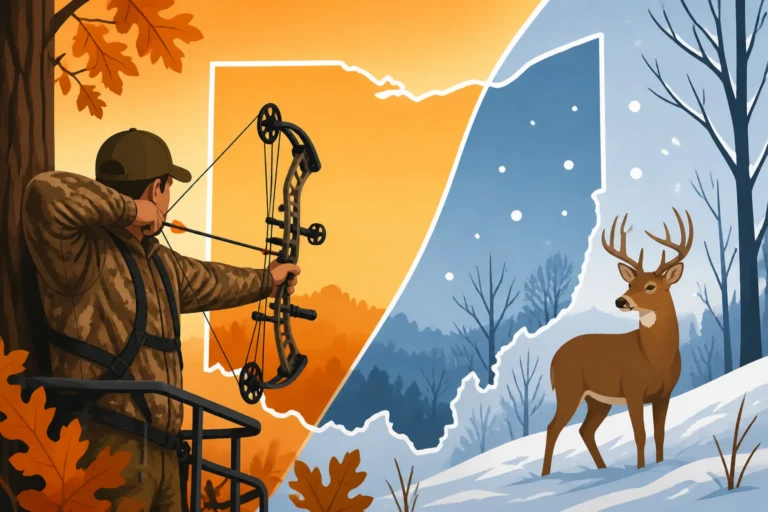
The vertical bow, often simply called a compound bow in modern hunting circles, represents a deeper connection to the sport's traditions for many Ohio hunters. It demands a higher degree of physical commitment and consistent practice, rewarding those who master its intricacies with a profound sense of accomplishment. When you stalk through the autumn woods of Wayne National Forest or sit patiently in a treestand overlooking a southern Ohio ridge, a vertical bow in hand feels like an extension of yourself.
Advantages of Sticking with a Vertical Bow
For many, the primary allure of the vertical bow lies in its lightweight nature and maneuverability. Whether you're navigating dense thickets in the Appalachian foothills or trying to stay silent on a Still-Hunting Shawnee State Forest Ridges expedition, a vertical bow is generally less cumbersome than a crossbow. This can be a huge advantage when silently drawing back on an unsuspecting buck that steps into an unexpected shooting lane. The kinetic energy generated by modern compound bows is impressive, offering clean, ethical kills when paired with a good broadhead and accurate shot placement.
There's also a significant psychological reward that comes with hunting with a vertical bow. The process of drawing, holding steady, and releasing an arrow, knowing that your own strength and skill are paramount, fosters a unique connection to the hunt. It’s a pursuit that demands dedication and precision, and when everything comes together, the satisfaction of a successful harvest is immense. For those who value the challenge and the raw, primal feel of archery, the vertical bow remains the undisputed champion. It’s not just about the kill; it’s about the journey and the skill developed along the way. Mastering your technique, understanding your Bow Draw Weight for Ohio Whitetails, and practicing consistently until it becomes second nature is a huge part of the vertical bow experience.
The Challenges a Vertical Bow Presents
Despite its many advantages, the vertical bow comes with its own set of challenges that can be a hurdle for some hunters. The most significant is undoubtedly the steep learning curve and the constant need for practice. Achieving proficiency with a vertical bow requires a substantial investment of time, often year-round, to maintain muscle memory, form, and accuracy. You need to be able to consistently execute a smooth draw, hold steady under pressure, and release without torque, all while dealing with fluctuating temperatures and awkward shooting angles from a treestand or ground blind.
Physical demands are another key consideration. Drawing a hunting-weight compound bow requires a certain level of strength and stamina, especially when you might need to hold at full draw for an extended period waiting for a deer to offer the perfect shot. Injuries, age, or physical limitations can make this aspect particularly challenging, sometimes even impossible. Furthermore, vertical bows generally operate within a shorter effective range compared to crossbows, meaning you often need to get closer to your target, which adds another layer of difficulty to the hunt. This requires meticulous scouting, understanding deer movement, and precise stand placement – skills that are honed over many seasons.
The Modern Alternative: Crossbow Hunting in Ohio
Crossbows have surged in popularity across Ohio, and for good reason. They offer a different set of advantages, particularly appealing to hunters looking for a more accessible entry point into archery season or those facing physical challenges that make vertical bow hunting difficult. The technology behind modern crossbows has advanced dramatically, making them incredibly accurate and powerful hunting tools. Ohio's hunting regulations have fully embraced the crossbow, allowing its use throughout the entirety of the state's generous archery season, right alongside vertical bows. This means you don't need to worry about any special permits or restricted seasons; if you can hunt with a bow, you can hunt with a crossbow.
The Many Benefits of Choosing a Crossbow
One of the most compelling benefits of the crossbow is its relative ease of learning and use. Unlike a vertical bow, which requires significant muscle strength to draw and hold, a crossbow is cocked and then held at full draw by a mechanical mechanism, allowing you to aim steadily for extended periods. This drastically reduces the physical exertion required, making it an excellent option for older hunters, individuals with shoulder or back issues, or those simply new to archery. The less demanding physical aspect means more focus can be placed on shot placement and ethical hunting.
Crossbows are often inherently more accurate for many shooters, especially at longer ranges, due to their rifle-like aiming system and stable platform. Many come equipped with scopes, which can greatly enhance precision, particularly in low-light conditions often encountered during early morning or late evening hunts. This increased accuracy can translate into higher confidence in the field and a greater likelihood of clean, ethical shots. For hunters primarily concerned with effective harvest and who may not have the time or physical ability to master a vertical bow, a crossbow offers a highly effective and accessible alternative. It opens up the world of Bowhunting Ohio's Long Archery Season to a broader demographic, allowing more people to experience the thrill of the archery hunt.
Important Considerations for Crossbow Users
While crossbows offer many advantages, they also come with their own set of considerations. For starters, crossbows are generally heavier and bulkier than vertical bows. This can make them more cumbersome to carry through dense woods, especially on long treks into public land areas like the Athens Unit of Wayne National Forest. Maneuvering them in a tight Treestand Setups in Appalachian Ohio Hardwoods or a compact ground blind can also be more challenging. Their size and weight might require different carrying strategies, like specialized slings or packs, to ensure comfort and efficiency during your hunt.
Cocking a crossbow, while not requiring sustained strength, can still be a physical effort. Most modern crossbows come with cocking aids, such as rope cockers or crank devices, that significantly reduce the required force. However, even with these aids, it's something to factor in, especially if you anticipate needing to recock quickly in a hunting situation, which is rare but possible. Maintenance is another point; crossbows have more moving parts, including strings, cables, and trigger mechanisms, which may require more frequent inspection and professional servicing. Furthermore, some traditional archers hold a perception that crossbows are "less sporting" due to their perceived ease of use. While this is a subjective viewpoint, it's part of the ongoing discussion around crossbows in the hunting community.
Ohio Regulations and Making Your Choice
Understanding Ohio's hunting regulations is paramount regardless of your weapon choice. The good news is that the Ohio Department of Natural Resources (ODNR) treats vertical bows and crossbows equally for deer hunting purposes, allowing them both throughout the entire archery season. This parity in regulation simplifies the decision-making process from a legal standpoint, allowing hunters to focus purely on personal preference and practical considerations.
Navigating Ohio's Archery Season with Either Weapon
Ohio's archery season is famously long, often running from late September well into February. This extensive window provides ample opportunity for hunters to pursue deer with either a vertical bow or a crossbow. Both weapons are legal for harvesting white-tailed deer and wild turkeys during their respective archery seasons. There are no additional permits required for crossbows beyond your standard hunting license and deer permits. For specific rules regarding crossbow use, such as minimum draw weights or arrow/bolt specifications, it’s always best to consult the current year's Ohio Hunting and Trapping Regulations booklet. You'll find detailed information there, including any specific requirements for using a crossbow, although generally, the rules are quite flexible to ensure broad participation.
When it comes to the technicalities, both vertical bows and crossbows are subject to general safety rules and ethical hunting practices. For instance, knowing your effective range and only taking clean, ethical shots is critical, regardless of whether you're sending an arrow from a compound bow or a bolt from a crossbow. This also includes understanding different Fixed Versus Mechanical Broadheads and how they perform with your specific setup. The bottom line is, if you're legal to hunt during the archery season, you're legal to use either weapon. This flexibility is a huge benefit for Ohio hunters, allowing them to choose the tool that best fits their individual circumstances.
Matching Your Equipment to Your Hunting Style and the Terrain
The ultimate decision often boils down to matching the weapon to your individual hunting style, physical capabilities, and the specific terrain you'll be hunting in. For instance, if you're planning to hunt the steep, rugged hills of Southeast Ohio, where quiet, mobile hunting is often key, the lighter and less bulky nature of a vertical bow might be appealing. However, if you're primarily hunting from a carefully brushed-in ground blind on a Hunting Northwest Ohio Farmland Deer field edge, the added stability and accuracy a crossbow offers might be more advantageous. Tools like GoHunt can be invaluable in scouting different types of terrain, helping you visualize potential stand locations and movement patterns for deer, regardless of your chosen weapon.
Consider your physical condition: Are you able to consistently draw and hold a vertical bow under hunting conditions? Or would the mechanical advantage of a crossbow alleviate strain and allow for a more enjoyable and sustainable hunting experience? Think about the time you can dedicate to practice. If consistent, year-round practice is feasible, a vertical bow might be a rewarding challenge. If your time is limited, a crossbow often requires less frequent, intensive practice to maintain proficiency. Both weapons demand respect and responsibility, but the path to mastery and comfort in the field differs.
Here’s a quick overview of how the two stack up in some common areas:
| Feature | Vertical Bow | Crossbow |
|---|---|---|
| Learning Curve | Steep; requires significant practice and form development. | Moderate; easier to achieve proficiency quickly. |
| Physical Demands | High; requires strength to draw and hold. | Low; cocking mechanism holds draw weight. |
| Maneuverability | Excellent; lightweight and compact. | Moderate; heavier and bulkier. |
| Accuracy (Avg.) | High with practice; often limited by hunter fatigue. | Very High; rifle-like precision, less fatigue. |
| Effective Range | Generally shorter (20-40 yards typical). | Generally longer (30-60 yards typical, depending on model). |
| Noise Level | Quieter draw and shot. | Louder cocking and shot. |
| Cost | Can vary widely, from budget to high-end. | Typically higher entry cost for quality models. |
| Ohio Legality | Fully legal throughout archery season. | Fully legal throughout archery season. |
The Personal Journey: Making the Right Choice for You
Ultimately, the choice between a vertical bow and a crossbow is deeply personal. There isn't a universally "better" option; there's only the option that's better for you. It's about aligning the tool with your abilities, your commitment, and the kind of hunting experience you seek. Ohio offers a diverse landscape and a generous archery season, providing ample opportunities for success with either weapon.
Prioritizing Comfort and Confidence
When you’re out in the woods, whether it's the sprawling public lands of Hunting Southeast Ohio Appalachian Foothills or the smaller woodlots nestled within Hunting Northwest Ohio Farmland Deer regions, having confidence in your equipment is crucial. If you feel more comfortable and accurate with a crossbow, that confidence will translate into better decision-making and more ethical shot opportunities. Conversely, if you enjoy the challenge and skill development inherent to the vertical bow, that passion will drive your practice and enhance your hunting experience. Don't let external pressure dictate your choice. For those serious about maximizing their chances, detailed mapping applications, including features found on GoHunt, can help pinpoint crucial deer movement patterns regardless of your weapon, aiding in that confidence.
It's also worth considering trying both if possible. Many archery pro shops offer rental or demo programs where you can try shooting different bows and crossbows to get a feel for them. Spend some time at the range, and if you have friends who hunt with both, ask if you can try theirs (safely and under supervision, of course). This hands-on experience can be incredibly valuable in making your final decision. Regardless of your chosen weapon, being prepared for your hunt involves more than just practice; it means understanding the landscape and local regulations, a process greatly aided by resources like GoHunt. You should also brush up on general scouting techniques, like Scouting Ohio Public Land Before Season, which are universal regardless of your weapon.
Ethical Hunting Above All Else
Regardless of whether you choose a vertical bow or a crossbow, the core principles of ethical hunting remain the same. This means knowing your limitations and those of your equipment, practicing regularly to ensure accuracy, and only taking shots that offer the highest probability of a clean, swift kill. It’s about respecting the animal and the hunt. Both weapons are capable of delivering a humane harvest when used by a proficient and responsible hunter.
Ohio's long archery season is an incredible opportunity. Whether you're drawn to the traditional challenge of a vertical bow or the accessible precision of a crossbow, the most important thing is to get out there, be safe, and enjoy your time in Ohio's beautiful outdoors. Many hunters also find value in community forums or resources often linked through platforms like GoHunt, where they can discuss specific gear setups or hunting strategies relevant to Ohio's diverse terrain. Ultimately, the best bow is the one you shoot most accurately and confidently.
Disclaimer
Please note: Hunting regulations can change. Always consult the current year's Ohio Department of Natural Resources (ODNR) hunting and trapping regulations before heading afield to ensure you are compliant with all laws and requirements.