Hunting Pressure on Ohio Public Land
It’s a tale as old as time for many of us in Ohio: you’ve put in the time scouting, found promising sign on public land, only to arrive on opening morning to find a parade of truck headlights already lining the road. Hunting pressure on Ohio public land isn't just a nuisance; it fundamentally changes deer behavior and can quickly turn a hopeful hunt into a frustrating hike. This guide is designed to help you understand why our public lands often feel so crowded, and more importantly, how you can adapt your strategies to find success even when everyone else is out in the woods.
Understanding the Nature of Public Land Pressure in Ohio
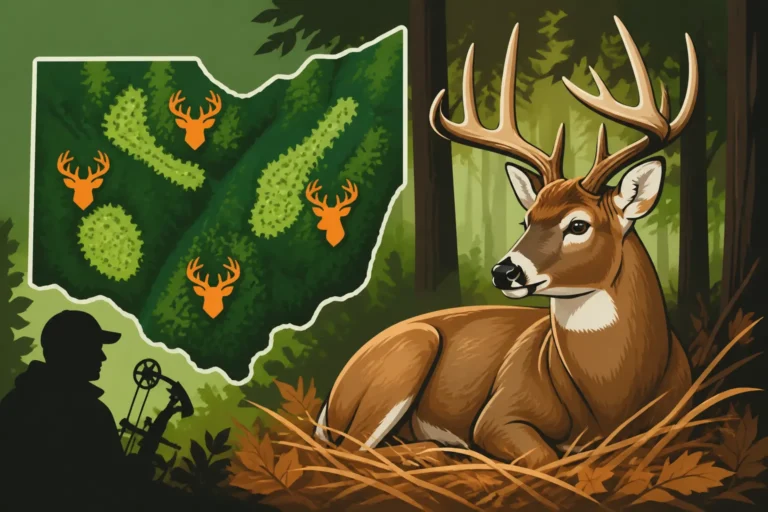
Ohio's public hunting lands are precious resources, offering invaluable access to hunters who might not have private ground. However, with a large and enthusiastic hunting population, these areas, especially those easily accessible, often see significant traffic. This pressure impacts everything from where deer choose to bed to how they react to human presence.
Why Ohio's Public Lands Get So Much Traffic
Ohio's landscape is a diverse mix, but a significant portion of our land base is private, dedicated to agriculture or suburban development. This means that hunters often flock to the more limited public areas. From the sprawling hills of Wayne National Forest in the southeast to the scattered wildlife areas in the flat farmlands of the northwest, every hunter is looking for that sweet spot. The convenience of simply pulling off the road and stepping into the woods, especially during popular seasons like the gun deer weekends, makes easily accessible public land a magnet. It's a double-edged sword: great access, but often at the cost of solitude and undisturbed deer.
Another factor is the sheer popularity of deer hunting in Ohio. Our deer herd is robust, and the opportunities are fantastic, which naturally draws more people to the woods. Combine that with a clear and well-defined Ohio Deer Season Structure Explained and you have predictable periods of high activity. Hunters, especially new ones or those with limited time, often gravitate to the known spots. This creates a cycle where popular areas become even more pressured, as successful hunts (or even just the hope of one) reinforce their appeal. Moreover, the ease of checking your deer online further simplifies the hunting process, removing some of the traditional barriers that might deter casual hunters.
The Impact of Pressure on Deer Behavior
Deer are incredibly adaptable creatures, and they learn quickly. When they constantly encounter human scent, sight, and sound, their patterns shift dramatically. On highly pressured public land, you'll find deer becoming predominantly nocturnal. That buck that was daylighting on your trail camera during scouting might suddenly only show up after dark once hunting season kicks off. They'll also seek out the thickest, nastiest cover they can find – the places most hunters are reluctant to penetrate. This often means bedding in deep ravines, impenetrable briar patches, or even within sight of suburban developments where hunting is restricted.
Their feeding patterns also change. Instead of casually browsing in open areas during daylight, pressured deer will often feed intensely for short periods under the cover of darkness, or stick to smaller, less obvious food sources deep within secure cover. The "front porch" areas of public land, those within a quarter-mile of a parking lot, often become ghost towns during legal shooting hours. Bucks, especially mature ones, develop an uncanny ability to sense danger, using every gust of wind and subtle thermal shift to their advantage. They become masters of evasion, making them challenging targets for even the most experienced hunters.
Strategies for Locating Less Pressured Areas
Finding those hidden gems on Ohio's public lands requires a combination of good scouting, intelligent map-reading, and a willingness to work harder than the next hunter. It’s about looking beyond the obvious and thinking like a wary whitetail.
Deep Dives Beyond the Trailhead
The most effective way to escape hunting pressure is often the simplest: walk further. Most hunters, especially on public land, don't venture more than a quarter to a half-mile from their vehicle. If you're willing to go a mile or two (or more!), you dramatically increase your chances of finding areas that receive minimal human disturbance. This might mean traversing steep terrain, crossing small creeks, or pushing through thick briar patches that deter others.
Consider natural barriers that funnel or deter human movement. A wide, shallow creek might not stop a determined deer, but it could make many hunters turn back. A dense block of evergreen trees or a particularly steep shale bluff can create a natural "sanctuary" that deer use to escape pressure. Look for these features on your maps. They often lead to pockets of undisturbed habitat where deer feel safe enough to move during daylight. It's about finding ground others walk past, not just because it's far, but because it's hard to get to. Don't be afraid to Scouting Ohio Public Land Before Season and explore these tougher access points, even if it's just for a reconnaissance mission.
Utilizing Overlooked Habitat Features
Beyond just distance, intelligent hunters learn to identify habitat features that are often overlooked by the masses but are highly attractive to deer seeking refuge. These aren't always grand, sweeping landscapes, but subtle nuances that offer security.
- Small, isolated woodlots: In agricultural areas, you'll often find small woodlots, sometimes only 5-10 acres, surrounded by vast fields. These might seem too small to hold deer, but they can be magnets for pressured deer seeking quick cover close to food. Hunters often drive right past them, heading for bigger timber.
- Thick, brushy clear-cuts: A clear-cut from a few years ago might look like a nightmare to walk through, but the dense, regenerating growth provides incredible bedding cover. Deer will often hold tight in these areas, moving only when absolutely necessary. Position yourself on the downwind edge or along a subtle deer trail just inside the thickest cover.
- Swamps and wet areas: Many hunters avoid wet feet, making swamps, marshy areas, or creek bottoms less pressured. Deer, however, are perfectly comfortable in these environments and will often use them as safe havens. Look for slightly elevated islands or hummocks within these wet areas where deer can bed.
By focusing on these often-ignored pockets, you can significantly reduce the competition and increase your odds of encountering less wary deer.
Scouting With Digital Tools
In today's hunting world, digital mapping applications are indispensable, especially for navigating public land pressure. Tools like the ODNR's HuntFish Ohio app or premium services such as GoHunt can give you an incredible advantage. They allow you to virtually scout vast tracts of land from your couch, identifying potential access points, terrain features, and even specific habitat types that might hold deer.
Here's how to use them effectively:
- Identify potential entry/exit points: Look for obscure pull-offs, old logging roads, or even utility rights-of-way that aren't marked as official trailheads. These often provide stealthier access than main parking areas.
- Pinpoint topographic funnels and pinch points: Use contour lines to find saddles, ridges, and creek crossings that naturally funnel deer movement. These are excellent places to intercept deer moving between bedding and feeding areas.
- Analyze cover types: Differentiate between open hardwoods, dense pines, thick clear-cuts, and swampy areas. Prioritize areas with dense cover, especially those adjacent to food sources, as these are where pressured deer will likely spend their daylight hours.
- Evaluate hunting pressure: Look for satellite imagery that shows worn trails or signs of human activity around obvious access points. Then, deliberately look for areas without such signs. A good mapping app, like GoHunt, allows you to save waypoints and track your movements, making it easier to return to promising spots. Remember, layers showing public land boundaries are critical when you're exploring potential spots to ensure you're always on legal ground, a feature easily accessible in robust platforms like GoHunt.
Tactics for Hunting Pressured Deer
Once you've found a less pressured area, or if you're stuck hunting a high-pressure zone, it's time to adjust your actual hunting tactics. Standard strategies often fail when deer have been educated by human presence.
Adjusting Your Approach to Deer Drives
Deer drives, when done correctly, can be highly effective on public land, particularly during the Ohio's Two-Weekend Gun Deer Season. However, on pressured land, traditional loud, wide drives often just push deer out of the area entirely or cause them to hide rather than move. You need to be much more strategic.
Consider smaller, more controlled "mini-drives" or "pushes" with only two or three hunters. Instead of just walking aimlessly, have your drivers move quietly and deliberately through specific blocks of thick cover. The standers should be positioned tightly on known escape routes or pinch points that deer use to slip out of danger. Think about natural funnels between two woodlots or a narrow creek bottom.
Another highly effective tactic, especially for solo or two-person drives, is the "bump and sit." One hunter quietly bumps a known bedding area, and then immediately sits down in a strategic location (like a saddle or a dense thicket downwind) while the deer are still reacting and trying to figure out what happened. Often, deer will circle back or move slowly through cover, offering a shot. This requires careful planning and knowing where deer are likely to go when disturbed. If you're considering a larger group, check out tactics for Deer Drives With Three or Four Hunters to maximize efficiency and safety.
| Pressure Level | Deer Behavior Adaptation | Hunter Strategy Adaptation |
|---|---|---|
| Low Pressure | Daylight movement, less wary, uses open feeding areas. | Standard stand placement, still-hunting, calling. |
| Medium Pressure | Nocturnal tendencies, uses thicker cover, wary of open areas. | Hunt deep cover edges, focus on transition times (dawn/dusk), use mapping tools for remote access. |
| High Pressure | Almost entirely nocturnal, holds in thickest, nastiest cover, hyper-sensitive to scent/sound. | Aggressive deep penetration, hunt mid-day, strategic mini-drives, hunt adverse weather, utilize Reading Aerial Photos for Southeast Ohio Deer to find hidden pockets. |
Stand Placement for Wary Whitetails
When deer are pressured, conventional stand locations might be unproductive. Forget the obvious food plots or wide-open field edges. Instead, think about where deer go to escape the pressure – their sanctuary spots.
- Inside the "Nasties": Place stands deep within thick cover, such as dense multiflora rose thickets, regenerating timber, or swamps. These are often bedding areas, and deer will move within them during daylight, feeling secure. You'll need to cut lanes or find natural openings, but being inside their comfort zone can pay off.
- Secondary Funnels: While primary funnels get a lot of attention, look for secondary funnels that connect deep cover to slightly less dense areas, or small escape routes that deer use to slip between two high-pressure zones. These might be subtle dips in a ridge, a narrow strip of hardwoods between two clear-cuts, or a small gully. For those hunting in the rugged terrain of Appalachia, understanding Treestand Setups in Appalachian Ohio Hardwoods is crucial, as the terrain itself can create unique pressure points and sanctuaries.
- Water Sources in Thick Cover: Small, hidden springs or seepages within dense woods become even more important as deer try to avoid open water sources. A stand overlooking one of these can be incredibly productive, especially during dry spells or late season.
- Ridge-top Saddles: A Hunting a Ridge-Top Saddle for Rutting Bucks can be a hotspot, as bucks use these elevated points to cruise for does while staying above the prevailing thermals, offering them a scent advantage. However, on pressured land, you'll want to push further down into the saddle itself or even slightly off to a side bench to catch deer that are skirting the most obvious crossing points.
Always consider your entry and exit routes to and from your stand. On pressured land, bumping deer on your way in or out can ruin your hunt before it even begins. Use terrain features, ditches, or existing trails to mask your approach and exit.
Harnessing the Power of Early and Late Season
While opening day and the rut often see the highest pressure, the early archery season and the late muzzleloader season can offer unique advantages for hunting pressured deer, simply because fewer hunters are in the woods.
- Early Archery Season: In early October, deer are still on relatively predictable patterns, focused heavily on food sources. While some hunters are out, the overall pressure is generally lower than during gun season. Focus on trails leading from bedding areas to early season food, especially acorns in a good mast year. Deer aren't as wary yet, giving you a small window before they become fully educated.
- Late Muzzleloader and Archery: By December and January, many hunters have hung up their gear. The weather is cold, and the woods are quieter. This is when you can capitalize on the need for Late-Season Food Sources for Ohio Whitetails. Deer are often congregated around the best remaining food sources, like standing corn, winter wheat, or persistent acorns. Their drive to feed can override some of their wariness, especially after a period of heavy pressure when they've been primarily nocturnal. However, remember that these deer are still incredibly smart, so focus on morning or evening hunts and maintain excellent scent control. This is also a fantastic time to implement Cold-Weather Sitting Strategy in Ohio to stay comfortable and vigilant during longer sits.
Leveraging Technology and Timing to Your Advantage
Success on pressured public land often boils down to being smarter and more persistent than the average hunter. Technology can be a powerful ally, and timing your hunts strategically can make all the difference.
The Role of Mapping Apps and Data
We already talked about scouting with digital maps, but their utility doesn't stop there. Once you're in the field, these apps (like GoHunt) become invaluable navigation and data collection tools. You can mark fresh sign, potential stand sites, and even track the movement of other hunters (if visible from your stand). This real-time data helps you adapt. If you consistently see hunters entering a particular section, you can adjust your strategy to hunt the periphery or an escape route they might be pushing deer toward.
Furthermore, many hunters rely on public land for their entire season. A subscription to a robust mapping platform like GoHunt can be invaluable. It offers detailed satellite imagery, topographic maps, and often public land boundaries, ensuring you're always on legal hunting ground. You can overlay different data, such as private property boundaries, to identify overlooked fingers of public land adjacent to private sanctuaries where deer might be bedding. Utilizing features like onX Layers for Ohio Land Status can provide similar advantages, showing property ownership and allowing you to discern subtle boundary edges that often hold deer attempting to avoid pressure.
Beyond just your own observations, the Ohio Department of Natural Resources (ODNR) provides annual deer harvest reports. While these reports don't specifically detail public land harvests, they can give you a general idea of deer density and success rates in different counties. High harvest numbers in a particular region might indicate healthy deer populations, but also potentially higher hunting pressure, especially on public parcels. Use this data as a broad guide, then drill down with your digital maps to find the specific, less-pressured spots within those areas.
Hunting During Off-Peak Times
The vast majority of public land hunting pressure occurs during opening day, the first weekend of gun season, and early mornings and late evenings. To circumvent this, consider hunting during times when others are typically absent.
- Mid-day Movement: While deer are often most active at dawn and dusk, pressured deer will often move less during those times to avoid hunters. Instead, they might make small movements within their bedding areas during the middle of the day. If you're set up deep in heavy cover, a mid-day sit from 10 AM to 2 PM can be surprisingly productive. Many hunters head back to camp or home for lunch, creating a lull in human activity that deer sometimes exploit.
- Weekdays vs. Weekends: This one is almost too obvious, but it bears repeating. Weekday hunting, especially outside of peak seasons, sees significantly less pressure. If your schedule allows, prioritize weekday hunts. The woods will be quieter, and deer are more likely to resume more natural movement patterns.
- Adverse Weather Conditions: Most hunters prefer fair weather. Rain, snow, sleet, or high winds keep many people out of the woods. This is your chance. Dress for the conditions, and embrace the discomfort. Deer, especially in cold weather, need to move to feed and stay warm. A steady rain can mask your scent and sound, making it easier to slip into a pressured area undetected. Just be sure to keep your Keeping a Muzzleloader Dry in Wet Snow or other firearm dry and functional!
Adapting to Changing Conditions
Hunting pressured public land isn't a "set it and forget it" endeavor. You need to be dynamic and adapt your strategy as conditions change throughout the season.
- Scout constantly: Even during the season, keep an eye out for new sign, changes in food sources, or fresh rubs and scrapes. Deer patterns can shift overnight, especially if pressure increases in a particular area.
- Observe other hunters: Pay attention to where other hunters are parking, where they are entering the woods, and where you hear shots. This information can tell you where the pressure is concentrated and help you decide where to go or avoid. If you hear constant shooting in one direction, that might be where deer are being pushed from, and you might want to set up an escape route.
- Focus on the overlooked: If everyone is hunting the ridge tops, consider the creek bottoms. If the hardwoods are packed, look for a small patch of pines. Be willing to explore and try unconventional spots. The deer are doing the same thing – they're looking for peace and quiet.
- Don't give up: Hunting pressured deer is mentally tough. You might go several hunts without seeing much. But persistence, combined with intelligent strategies, will eventually lead to success. Each hunt is a learning experience, providing more clues to unravel the puzzle of pressured whitetails.
Hunting on Ohio's public lands provides incredible opportunities, but it demands a higher level of strategy and perseverance. By understanding deer behavior under pressure, scouting smart with tools like GoHunt, and adapting your tactics to outsmart both the deer and fellow hunters, you can consistently find success in even the most crowded woods.
Disclaimer
Hunting is an inherently dangerous activity. Always follow all Ohio Department of Natural Resources (ODNR) regulations, including licensing requirements, legal shooting hours, and blaze orange laws. Prioritize safety, including using a fall arrest system when hunting from elevated stands. Consult the current Ohio hunting regulations for the most up-to-date information.