Early Goose Season Tactics in Ohio
There’s nothing quite like the crisp air of early September, but the challenge of finding those big Canada geese before the main migration often leaves hunters scratching their heads. They seem to vanish after being pressured once, or you just can’t pinpoint where they’re feeding day after day. This guide is all about giving you the proven strategies and detailed insights to put those early season honkers in your bag, focusing specifically on Ohio's unique landscape and regulations.
Understanding Ohio's Early Goose Season Dynamics
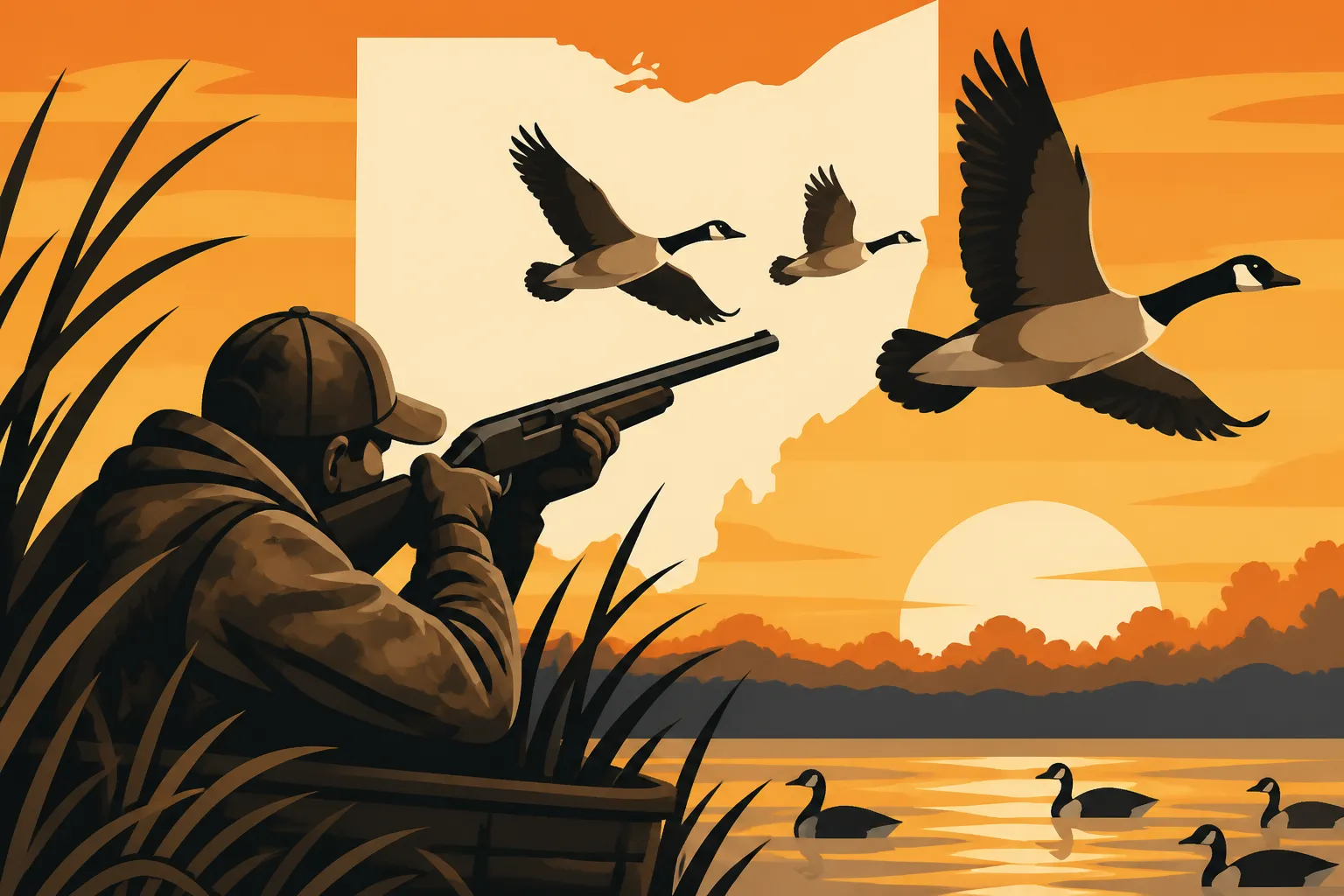
Ohio’s early goose season is a fantastic opportunity for waterfowlers to get out in the field well before the main duck and goose migrations kick into high gear. This isn't just a warm-up act; it's a prime time to target resident Canada geese that have spent the summer fattening up in our local farm fields and waterways. These birds often have predictable patterns, but they can also become incredibly wary very quickly.
Key Regulations and Season Dates
The Ohio Department of Natural Resources (ODNR) sets the specific dates for the early goose season each year, but it typically runs through most of September. It’s a dedicated window designed to manage the healthy resident goose population before the influx of migratory birds from the north. The bag limit during this early period is often quite generous, sometimes as high as five birds per hunter per day, which is a significant difference from later in the regular season. Always double-check the current year’s Ohio hunting regulations on the ODNR website or through their GoHunt app, as dates and limits can shift. You’ll also want to make sure your Ohio Hunting Licenses and What They Cost are up to date, along with your Ohio Migratory Bird Certification, before heading out.
One crucial detail to remember is the requirement for non-toxic shot when hunting waterfowl in Ohio. This isn't just for designated waterfowl areas; it applies across the board for all waterfowl hunting. Steel shot is the most common and affordable choice, but other options like bismuth or tungsten-alloy are gaining popularity for their improved performance, especially at longer ranges. Understanding Where Nontoxic Shot Is Required in Ohio is vital to stay legal and ethical.
Resident Geese Versus Migratory Birds
The geese you'll encounter during the early season are predominantly resident Canada geese. These are birds that hatched and summered right here in Ohio, often within a few miles of where you're hunting. Unlike their migratory cousins that are more driven by weather fronts and large-scale movements, resident geese establish daily routines: roosting on large bodies of water, flying to specific feeding fields, and returning to water in the afternoon. Their patterns are dictated by food sources, water access, and local pressure.
Later in the fall, you'll start to see more Ohio Waterfowl Migration Timing as new birds push down from Canada and the northern states, but in September, you're primarily dealing with the locals. This distinction is important because it influences your scouting, calling techniques, and even your decoy spreads. Resident geese are often more forgiving to less-than-perfect spreads early in the season, but they become educated very quickly once hunting pressure builds. Knowing that these birds are typically local means you can often find them in predictable areas like cut cornfields, soybean stubble, or even golf courses and suburban ponds, though hunting public land or getting private land permission in those areas can be tricky.
Essential Gear for Early Goose Success
Having the right gear makes a world of difference when chasing early season geese. You’re often dealing with warmer temperatures, more mosquitoes, and birds that might be a bit more scattered than those later-season flocks. Forget the heavy parkas and insulated boots for now; focus on concealment, comfort, and effective tools.
Shotguns and Ammunition
For Canada geese, a 12-gauge shotgun is the undisputed king. Its versatility in handling heavier loads and larger shot sizes makes it ideal for these robust birds. You'll want a reliable semi-automatic or pump-action shotgun, capable of holding at least three rounds (one in the chamber, two in the magazine, as per federal migratory bird regulations). Consider a model with interchangeable chokes, as you'll likely want a modified or improved cylinder choke for close-range decoying early in the season, and perhaps a full or extra-full choke later on when shots get longer or if you're pass-shooting.
As mentioned, non-toxic shot is a must. For early season Canada geese, steel shot in BB or #2 size is a common and effective choice. If you're looking for a bit more punch or are shooting at longer ranges, bismuth in #3 or #4, or even tungsten in #4, can be incredibly effective, albeit more expensive. With resident geese, often coming into a spread, a good pattern with steel BBs will do the trick. Make sure to pattern your chosen load and choke combination before the season to understand its effective range. This is especially true if you are planning to engage in Ohio Waterfowl Hunting on Lake Erie and Inland as conditions vary greatly.
Decoys and Calls
A solid spread of Canada goose decoys is fundamental for early season success. You don't necessarily need a massive spread like you might for snow geese, but a dozen to two dozen quality decoys can be very effective. Full-body decoys offer the most realism and are excellent for drawing birds in close, especially in fields. However, they can be bulky and heavy. Shells and silhouette decoys are lighter, more portable, and can effectively bulk up a spread. If you're on a budget, combining a few full bodies with a larger number of silhouettes or shells can create a convincing visual. Movement decoys, such as flags or motion stakes, can add a lot of realism, especially on calm days.
Calling is another critical component. While early season geese might not respond to frantic, aggressive calling like late-season birds, a good goose call can still be invaluable. Focus on realistic, conversational calling: murmurs, clucks, and soft honks to simulate contented geese feeding. A single honk or a short greeting call can be enough to get their attention, and then you can transition to softer calls as they approach. Companies like Zink Calls and Buck Gardner offer excellent goose calls that can replicate these sounds. Practicing before the season, perhaps using a GoHunt app to record and analyze your calling, will help you sound natural and confident in the field.
Blinds and Concealment
Ohio's early goose season often means hunting in cut fields or near water, where natural cover can be sparse. Effective concealment is paramount. Layout blinds are incredibly popular for field hunting because they allow you to hide completely flat on the ground, blending into the stubble or cover. Brands like Avery, Final Approach, and Rogers Sporting Goods offer excellent options that are comfortable and easy to deploy. When using a layout blind, always "brush it in" thoroughly with natural vegetation from the surrounding area – corn stalks, soybean stubble, or tall grass – to break up its outline. Remember, geese have incredible eyesight, and a dark blob in the middle of a field will stand out like a sore thumb.
If you're hunting near water or a fence line, natural blinds can be constructed using cattails, willow branches, or other available brush. A well-built natural blind offers excellent concealment and can often be more cost-effective. Just ensure it's sturdy enough to withstand wind and provides a good shooting lane. Another option is simply wearing good camouflage and lying flat in dense cover, though this offers less mobility and comfort than a dedicated blind. No matter your choice, ensure your face and hands are covered with gloves and a face mask; bright skin is a dead giveaway.
Scouting and Setup Strategies
Successful early season goose hunting in Ohio hinges almost entirely on thorough scouting. These resident birds are creatures of habit, and finding their patterns before opening day is the key to consistent success. Without proper scouting, you're essentially just hoping for luck, and in goose hunting, luck rarely fills the freezer.
Pre-Season Reconnaissance
Start your scouting several weeks before the season opens. Use a good pair of binoculars or a spotting scope and spend time driving rural roads, especially in areas known for agriculture or large bodies of water. Look for large flocks of geese in fields, on ponds, or flying to and from these locations. Pay close attention to their flight paths and the specific fields they use. Are they hitting a recently cut wheat field? A standing cornfield edge? A harvested soybean field?
Tools like the GoHunt app can be incredibly useful for digital scouting. You can identify potential feeding fields, roosting ponds, and public land access points (especially if you're considering Scouting Ohio Public Land Before Season). Overlays showing property boundaries can also help in planning your approach for asking permission on private land, which is often crucial for prime goose spots. During this pre-season phase, you're looking for consistent patterns. Note the time of day they arrive and depart, their approximate numbers, and the exact spot in the field they prefer. These details are golden.
Locating Feeding and Roosting Areas
Resident Canada geese typically follow a predictable daily routine: they fly from a safe roosting area (a large lake, reservoir, or secluded pond) to a feeding field in the morning, often return to water midday, and then hit another feeding field in the late afternoon before returning to their roost for the night. Your goal is to intercept them during their feeding flights.
- Feeding Fields: Look for large agricultural fields, especially those with harvested grains like wheat, corn, or soybeans. Geese will also feed on green fields like winter wheat or cover crops. Freshly cut silage fields are also magnets for early season birds. The key is finding where they are currently feeding. A field they used last week might not be their spot today if a new food source opened up.
- Roosting Areas: Identify nearby bodies of water that hold significant numbers of geese overnight. These are typically large enough to offer safety from predators and human disturbance. While you generally don't hunt the roost itself (it can burn out a spot quickly), knowing its location helps predict their flight paths. Understanding Canada Geese on Ohio Farmland is crucial for identifying these patterns.
Gaining Access and Field Selection
Once you've identified a prime feeding field, the next step is gaining permission if it's private land. Knock on doors, be polite, and be prepared to offer a small token of appreciation, or even offer to help with some chores. Farmers often appreciate hunters who are respectful and considerate. If permission isn't an option, look for public access points near known flight lines or consider hunting on public land. However, be aware that public lands can experience significant hunting pressure, especially on weekends.
When selecting your exact setup location within a field, aim for the "X" – the spot where the geese were landing and feeding most consistently. Look for goose droppings, trampled vegetation, and feathers. Set your decoys upwind of this spot, as geese prefer to land into the wind. Consider the sun's position for morning or evening hunts; having the sun at your back will give you an advantage in spotting incoming birds and make it harder for them to see you. Don't be afraid to adjust your spread based on changing conditions or how birds are reacting. For instance, sometimes a smaller, tighter spread works better for pressured birds.
Decoy Spreads and Calling Techniques
Getting geese to commit to your spread is an art form that combines realistic decoy placement with convincing calling. It's about painting a picture that screams "safe and abundant food" to wary birds.
Effective Decoy Spreads
The number and type of decoys can vary, but generally, a spread of 12-36 decoys is effective for early season resident geese. You're trying to create the illusion of a contented, feeding flock.
Here are a few common and effective early season spreads:
| Spread Type | Description | Ideal Use |
|---|---|---|
| U-Shape/J-Shape | Decoys are arranged in a "U" or "J" formation with the open end facing into the wind. Your blind is placed at the bottom of the "U" or in the bend of the "J." This creates a natural landing zone right in front of your position. | Most versatile for field hunting, encourages birds to land in a specific kill hole. |
| Loosely Clustered | Decoys are placed in small groups of 3-5, mimicking family units feeding naturally. Spread these clusters out to cover a larger area, leaving open pockets. | Great for subtle realism, less aggressive look, effective for wary birds. |
| Feeders with Sentinels | Most decoys are in feeding postures (heads down), with a few "sentinel" decoys (heads up) positioned on the perimeter to appear as watchful birds. This conveys a sense of security. | Adds realism and confidence to the spread, especially in open fields. |
| Landing Strip | A path of open ground is left clear of decoys, leading directly to your blinds. Decoys are placed on either side of this "runway." | Excellent for directing birds to a precise landing zone, good for Layout Blind Hunting Ohio Farm Fields. |
Always ensure your decoys are facing into the wind, as this is how real geese land. Mix in different postures (feeders, sentinels, resters) for added realism. Don't be afraid to experiment! If birds are flaring, try moving your blinds or adjusting your decoy setup slightly. Sometimes, less is more, especially if the geese are heavily pressured. Adding a few motion decoys or a goose flag can dramatically increase the visibility and realism of your spread, especially on calm days.
Realistic Calling for Resident Geese
Early season calling is generally more conservative than aggressive. Resident geese have been hearing calls all summer, and they're quick to pick up on anything that sounds unnatural or over-the-top.
- Soft, Contented Calls: Focus on clucks, murmurs, and soft honks. You're trying to sound like a flock of happy, feeding geese that are undisturbed. These subtle sounds can be very effective in convincing incoming birds that your spread is safe.
- Greeting Calls: When you first see a distant flock, a short, clear greeting honk can get their attention. Once they acknowledge you, immediately switch to softer, more conversational sounds.
- Decrescendo Calling: Start with slightly louder calls when birds are far out, then gradually reduce the volume and intensity as they get closer. This mimics natural goose behavior – they get quieter as they settle in.
- Calling in Bursts: Don't call continuously. Call in short bursts, then listen. Let the geese "talk back" to you. This interaction is key. Too much calling can sometimes scare birds away.
- Mix It Up: If hunting with a partner, try to vary your calls. One person can do soft clucks while the other throws in an occasional single honk, mimicking a small, spread-out flock.
Remember that early season birds might not be as eager to commit if they've been shot at before. Sometimes, less calling is better. Let the realism of your decoy spread do most of the work, and use your call as a subtle invitation rather than a loud command.
Field Dressing and Post-Hunt Care
Congratulations, you've successfully brought down some early season Ohio geese! The hunt isn't over yet, though. Proper field dressing and post-hunt care are crucial for ensuring your hard-earned birds make it to the dinner table in prime condition. Especially with early season's warmer temperatures, acting quickly is key.
Quick Field Dressing Techniques
As soon as you retrieve your birds, consider field dressing them. This means removing the guts to allow the carcass to cool down as quickly as possible. Geese have a lot of body heat, and in warm September weather, leaving the internal organs in can cause the meat to spoil or develop off-flavors.
- Locate the Vent: Find the vent (anus) of the goose.
- Make an Incision: Make a small incision around the vent, being careful not to puncture the intestines. You can also make a cut from the breastbone down to the vent.
- Reach Inside: Reach into the body cavity and pull out all the internal organs. This includes the heart, liver, lungs, and intestines.
- Check for Shot: While cleaning, feel for any shot pellets. It's easier to remove them now than after cooking.
- Clean the Cavity: Wipe out the cavity with a clean cloth or paper towel to remove any blood or debris. Some hunters will even rinse the cavity with water if available, but ensure it's dried thoroughly afterwards to prevent bacterial growth.
If you're planning on breasting out the birds (just taking the breast meat), you can do this immediately in the field. Make a deep cut down the center of the breastbone, then cut along each side of the breast, peeling the meat away from the bone. This significantly reduces weight for the drag out and allows the meat to cool even faster.
Cooling and Transport
After field dressing, the immediate priority is cooling the birds down. This is critical in warm weather.
- Ice Chest: The best method is to immediately place the birds in a cooler filled with ice. Ensure ice is packed both inside the body cavity (if whole) and around the exterior of the bird. This rapid cooling prevents bacterial growth and ensures the meat quality.
- Game Bags: If you're walking a long distance and don't have a cooler immediately available, use breathable game bags to protect the birds from flies and dirt. Hang them in the shade, if possible, to allow air circulation. However, this is a temporary solution in warmer temperatures.
- Avoid Piling: Never pile warm birds on top of each other, especially in a truck bed. This traps heat and can quickly ruin the meat. Spread them out if not immediately iced.
Once back home, you can either finish plucking and butchering or continue cooling the birds in the refrigerator for a day or two before final processing. Remember that Ohio Duck and Goose Bag Limits often mean you might have several birds to process, so having a plan for handling them efficiently is key to preserving that delicious wild game flavor.
Final Considerations for Ohio Goose Hunters
Early goose season can be one of the most rewarding hunts of the year, offering fast action and delicious table fare. However, success often comes down to paying attention to the details and adapting to the unique conditions of September hunting in Ohio.
Weather and Conditions
Ohio's September weather can be unpredictable. You might start the morning in a chilly fog and end up baking in 80-degree sunshine by midday. Dressing in layers is essential, allowing you to shed clothing as the day warms up. Lightweight, breathable camouflage is often preferred. Also, be prepared for mosquitoes and other biting insects; a good repellent is your friend. Wind direction and speed are crucial for decoy setup, but also for hunter comfort. A strong gust can make calling difficult and highlight poor concealment. Keep an eye on the forecast and use it to your advantage when planning your hunt.
Public Land Versus Private Land
While private land often offers less pressure and more consistent opportunities, Ohio has numerous public hunting areas that can provide excellent early goose hunting. Wildlife Areas managed by the ODNR often have designated waterfowl zones or fields that are managed for migratory birds. Locations like Killdeer Plains Wildlife Area, Magee Marsh Wildlife Area (though often a draw hunt), and some areas along the Ohio River backwaters can hold good numbers of resident geese. However, be prepared for competition on public ground, especially on weekends. Arrive early, scout aggressively, and be willing to walk further than other hunters to find undisturbed birds. Remember to always check specific rules for Ohio Public Land Hunting Hours and other regulations on these properties.
Ethics and Safety
Above all, prioritize safety and ethical hunting practices. Always identify your target clearly and ensure you have a safe backdrop before taking a shot. Respect property lines, whether you're on private or public land. Be mindful of others using the land, whether they are other hunters, hikers, or birdwatchers. Pack out everything you pack in, leaving no trace behind. If hunting on private land, always thank the landowner, perhaps even offering some cleaned goose meat as a gesture of appreciation. These small acts of courtesy go a long way in maintaining positive relationships and securing future hunting opportunities in Ohio.
Disclaimer
Hunting is an inherently dangerous activity. This guide provides general information and recommendations. Always consult the official Ohio Department of Natural Resources (ODNR) hunting regulations for the current season, as rules and dates can change annually. Ensure you have the proper licenses, permits, and hunter education required by Ohio law. Prioritize safety, hunt ethically, and respect wildlife and landowners.