Ohio Public Land Hunting Hours
One of the trickiest parts about hunting on public land in Ohio, especially for new hunters or those venturing into different areas, is figuring out the exact legal hunting hours. It’s not always a simple sunrise-to-sunset rule, and getting it wrong can lead to violations and a ruined hunt. This guide is here to untangle the confusion, offering a clear breakdown of Ohio's public land hunting hours, including those crucial exceptions and practical tips to ensure you're always on the right side of the law.
Understanding Ohio's Legal Hunting Hours Framework
The Ohio Department of Natural Resources (ODNR) sets the statewide legal hunting hours, and these generally apply across public lands, whether you're in a Wildlife Area, State Forest, or even the vast expanse of Wayne National Forest. However, there are nuances that every hunter needs to be aware of. It's not just about daylight; specific species and seasons dictate exactly when you can legally pull the trigger or release an arrow.
General Sunrise to Sunset Rules
For many game species in Ohio, the traditional "legal hunting hours" are defined as official sunrise to official sunset. This often applies to a wide array of small game species like squirrels and rabbits, as well as pheasants and grouse when their seasons are open. The key here is "official" sunrise and sunset. This isn't just when you think the sun is coming up or going down; the ODNR provides precise times for various regions of the state, often updated daily on their website or accessible through helpful apps. For example, if you're out chasing squirrels on a crisp October morning, you can't start hunting until the official sunrise time for your specific location. Being even a few minutes early or late could be a violation, and wildlife officers are pretty vigilant about these rules.
These hours are designed to ensure fair chase and often to provide animals a period of respite from hunting pressure. It also ties into safety, as visibility is generally better during these daylight hours. It’s always a good idea to double-check the ODNR's official tables for the specific day and location you plan to hunt, as these times can shift throughout the season due to daylight saving time and the earth's rotation.
Extended Hours for Specific Game and Seasons
While many species are confined to the sunrise-to-sunset window, some notable exceptions exist that extend the hunting day, offering hunters more opportunity, particularly for deer, turkey, and certain furbearers. Understanding these extended periods is critical for maximizing your time afield and staying legal.
For instance, during Ohio's expansive archery season, as well as the gun and muzzleloader deer seasons, and all turkey seasons, the legal hunting window stretches from 30 minutes before official sunrise until 30 minutes after official sunset. This extra half-hour on both ends of the day is incredibly valuable, especially for deer and turkey hunters. Think about it: those first and last 30 minutes of light are often when deer are most active, moving to and from bedding areas or feeding zones. Being able to be in your stand and ready to hunt before the sun officially crests the horizon, and to stay a bit longer as darkness settles, can make all the difference in connecting with a mature buck or a wary tom. This extended period is crucial for understanding the entirety of Ohio Deer Season Structure Explained and Ohio Spring Turkey Zones and Dates.
Then you have species like coyotes and raccoons, which are often pursued at night. Raccoon Hunting at Night in Ohio and Coyote and Predator Hunting in Ohio have their own unique set of rules regarding hunting hours. Raccoons, for example, can be hunted during specific night hours, often from sunset to specific early morning times, utilizing lights and hounds. Coyotes can be hunted even more extensively, sometimes 24 hours a day on private land, though public land rules might have nuances. It's vital to consult the current ODNR hunting regulations for the exact dates and times for these night-hunting opportunities, as they can sometimes vary by county or specific public land unit. This is where tools like the GoHunt app can be incredibly useful, often integrating these specific regulations directly into their mapping features, saving you the hassle of flipping through dense rulebooks.
Navigating Public Land Specifics and Local Variations
Even with statewide regulations, the sheer diversity of Ohio's public hunting lands means that practical application and local rules can sometimes add another layer to understanding hunting hours. It's not just about the clock; it's about knowing if a specific area has additional stipulations.
Ohio Wildlife Areas and State Forests
The vast majority of Ohio's public hunting opportunities are found within its extensive network of Wildlife Areas and State Forests. For the most part, the statewide hunting hours – be it sunrise to sunset for small game or the 30-minutes-before-to-30-minutes-after window for deer and turkey – apply here. However, it’s always, always a good practice to check the specific regulations for the particular Wildlife Area or State Forest you plan to hunt.
Some areas might have unique restrictions. For example, a small Wildlife Area near a residential zone might have archery-only rules, or specific access gates might have opening and closing times that, while not directly impacting hunting hours, will certainly affect your ability to get in and out. Certain areas might also be temporarily closed for managed hunts, habitat work, or other events. The ODNR provides detailed maps and information for each of its Wildlife Areas, and using their Scouting With the Ohio HuntFish App is an invaluable tool for checking these details on the fly. This app often includes specific area rules, boundaries, and even real-time closures. When planning your hunt, don't just assume; confirm. A quick check on the ODNR's website or the HuntFish app can prevent a lot of frustration and potential legal issues.
Wayne National Forest and Other Federally Managed Lands
Ohio is home to a significant portion of the Wayne National Forest, which offers vast tracts of public hunting ground, particularly in the Appalachian foothills of southeastern Ohio. For federal lands like Wayne, the general rule is that state hunting regulations apply unless there are specific federal regulations that supersede them. This means that Ohio's hunting hours for deer, turkey, small game, and furbearers are generally what you'll follow when hunting within the Wayne National Forest.
However, federal lands can sometimes have specific rules regarding vehicle access, camping, or certain types of activities that, while not directly related to hunting hours, can impact your overall hunting plan. For example, some forest roads may be seasonally closed, limiting your access points, which means you'll have to factor in longer walk-in times to reach your desired hunting spot, especially if you want to be in your stand 30 minutes before sunrise. While the hunting hours remain the same, your logistical planning changes. It's always wise to check the U.S. Forest Service website for the specific unit of the Wayne National Forest you're targeting (Athens, Ironton, or Marietta) to ensure there aren't any local closures or special use regulations that might affect your hunt. Similarly, if you are planning to hunt near specific waterways that might fall under other federal jurisdictions, like the Ohio River backwaters, you’d want to confirm any additional rules there.
Practical Considerations for Adhering to Hunting Hours
Knowing the official rules is one thing, but actually implementing them in the field requires a bit of practical thinking and preparation. It's not just about avoiding a ticket; it's about respecting the game, other hunters, and ensuring a safe and ethical experience.
The Importance of Accurate Timekeeping
Let's be honest, in the field, it's easy to lose track of time. The thrill of an approaching deer or the intense concentration of a turkey setup can make minutes feel like seconds. This is precisely why reliable and accurate timekeeping is non-negotiable. Don't rely on a guess or the general light level outside. Official sunrise and sunset times vary depending on your exact longitude and latitude, and they change every single day.
Many hunters swear by dedicated hunting apps that provide hyper-local, real-time sunrise and sunset data, often adjusted for the 30-minute grace period if applicable to the species. GoHunt is one such resource that helps hunters stay informed with such data. Even basic weather apps on your smartphone can give you this information. The key is to have it readily accessible and check it frequently. Getting caught shooting outside legal hours, even by a few minutes, is a serious violation that can result in fines, license revocation, and the confiscation of your game and equipment. It's a risk simply not worth taking. Always aim to be safely out of your stand and unloaded well before the "official" end time for your hunt, and conversely, give yourself plenty of time to get set up and settled before the legal start.
Planning Entry and Exit Times
Hunting hours specify when you can legally discharge your firearm or bow, but they don't dictate when you can be on public land. This distinction is crucial for safe and respectful hunting. If legal shooting light begins 30 minutes before sunrise, you need to be in your stand, settled, and ready long before that. This means you'll be walking in the dark. The same goes for the evening hunt; you'll likely be walking out after dark.
Planning your entry and exit routes, especially on unfamiliar public land like the depths of Wayne National Forest or a new Wildlife Area, becomes paramount. Think about how long it takes you to walk to your spot. Is it a half-mile stroll or a two-mile hike up a steep ridge? Factor in the terrain, potential obstacles, and the need for stealth. Using a good headlamp with a red-light option (to preserve night vision and be less visible to animals) is essential. Carrying a GPS device or using an app like GoHunt on your phone with downloaded maps can help you navigate in the dark and ensure you don't trespass or get lost.
This planning also ties into managing Hunting Pressure on Ohio Public Land. Getting to your spot early, before other hunters, can give you an advantage. Similarly, waiting a bit after legal shooting light ends before exiting can sometimes allow you to avoid bumping deer that might be moving late, or encountering other hunters exiting the area. Always communicate with hunting partners about your planned entry and exit times for safety. Remember, while you might be thinking about Hunting the Ohio Rut in Early November, you also need to think about how you'll get there and back safely in the dark.
Species-Specific Hunting Hour Breakdowns
While we've covered the general framework, a species-by-species breakdown of hunting hours on Ohio's public lands can provide a clearer picture for planning your adventures. Keep in mind that specific opening and closing dates for seasons also impact these hours, so always cross-reference with the current ODNR hunting regulations.
| Species Category | General Hunting Hours on Public Land (Most Seasons) | Exceptions/Notes |
|---|---|---|
| Deer | 30 minutes before sunrise to 30 minutes after sunset | Applies to archery, gun, and muzzleloader seasons. |
| Wild Turkey | 30 minutes before sunrise to sunset | Applies to both spring and fall turkey seasons. |
| Small Game (Squirrel, Rabbit, Pheasant, Grouse) | Sunrise to sunset | Check specific season dates. |
| Waterfowl (Ducks, Geese) | 30 minutes before sunrise to sunset | Federal guidelines apply; always check migratory bird regulations for specific zone times. |
| Raccoon & Fox | Varies; often sunset to early morning | Specific night hunting hours apply; refer to ODNR furbearer regulations. |
| Coyote | 24 hours a day (some restrictions apply) | Check public land regulations; night hunting permitted year-round. |
Deer Hunting Hours
For white-tailed deer, Ohio grants hunters the most generous daily hunting window. Whether you're chasing them during the early months of Bowhunting Ohio's Long Archery Season, heading out for Ohio's Two-Weekend Gun Deer Season, or trying your luck with Muzzleloader Deer Hunting in Ohio in January, the rule is consistent: 30 minutes before official sunrise to 30 minutes after official sunset.
This extended window is incredibly important because deer are often most active during the low-light hours of dawn and dusk. Being in your stand, quiet and ready, before that first sliver of light appears can put you in position for a shot at a deer heading back to its bedding area. Similarly, staying until the last legal minute of twilight can sometimes intercept a buck on its way to a food source. Always consult the official ODNR tables for the precise sunrise and sunset times for your specific location. These times are your legal benchmark, not how bright or dark it feels to your eyes. Remember to consider Ohio Blaze Orange Requirements during specific deer seasons, as well, for visibility to other hunters during these low-light periods.
Turkey Hunting Hours
Ohio's wild turkeys are also subject to a slightly extended hunting window, though it's not quite as long as the deer window. For both spring and fall turkey seasons, hunters can be in pursuit from 30 minutes before official sunrise until official sunset. This means you get the critical early morning period when gobblers are often still on the roost or just hitting the ground, but your evening hunt concludes at sunset.
For spring turkey hunting, that pre-sunrise period is golden for setting up, listening for gobblers on the roost, and getting into position before they fly down. Once the sun dips below the horizon in the evening, your turkey hunt must conclude. If you're out Roost Hunting Ohio Gobblers, that 30-minute pre-sunrise window is crucial. This helps prevent hunters from targeting roosted birds in complete darkness, promoting fair chase and ethical hunting practices. Again, checking the official ODNR sunrise/sunset times is paramount to ensure you're within legal limits.
Small Game and Furbearer Hours
For most small game species, including squirrels, rabbits, pheasants, and grouse, the legal hunting hours typically revert to the more traditional official sunrise to official sunset window. This means that if you're out trying your luck with Squirrel Hunting Ohio Hardwoods or Rabbit and Upland Bird Hunting in Ohio, you need to wait for the sun to officially rise before you can start hunting, and you must cease hunting as soon as it officially sets.
However, furbearers introduce more varied rules. Species like raccoons and foxes can often be hunted during specific night hours, making these hunts a completely different experience. Raccoon Hunting at Night in Ohio, for example, typically involves specific start and end times that fall outside the traditional daylight hours. Coyotes are a unique case in Ohio; they can generally be hunted 24 hours a day, year-round, which opens up vast opportunities for night hunting, especially during the winter months when they are more active. However, specific public land regulations or local ordinances might still apply, so if you're planning a late-night Coyote Calling in Ohio Winter session, always double-check the rules for your chosen public area. The GoHunt app can be a great resource for quickly checking these specific furbearer regulations for your county or public land unit.
Waterfowl Hunting Hours
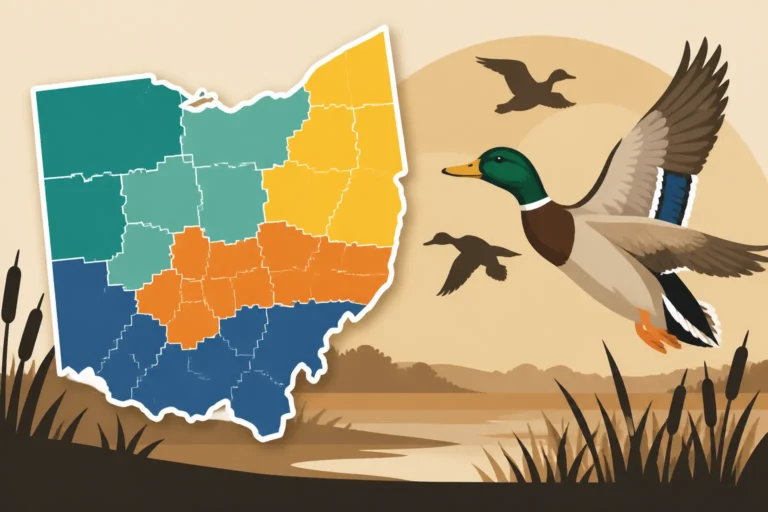
Waterfowl hunting, whether you're targeting ducks or geese, also operates under the "30 minutes before official sunrise to official sunset" rule. This aligns with federal migratory bird hunting guidelines, which Ohio adopts for its waterfowl seasons. This early morning window is incredibly important for waterfowl hunters, as ducks and geese are often most active during the first light, flying to and from roosting areas and feeding grounds.
This rule applies across all of Ohio's Ohio's New Waterfowl Zone Map, whether you're hunting the Lake Erie Marsh Zone or inland wetlands. Given the often extreme weather conditions and logistics involved in waterfowl hunting, it's essential to plan your setup well in advance of legal shooting light. This means getting your decoys out, blind brushed in, and dog ready in the dark. Similarly, as sunset approaches, be prepared to pick up your spread quickly once legal shooting hours conclude. Staying even a few minutes late can be tempting during a hot flight, but it's a sure way to incur a federal violation, which carries significant penalties. It's often helpful to program your phone or watch with the exact times for the day to ensure compliance, especially when hunting the dynamic Hunting Lake Erie Marsh Zone Waterfowl.
Disclaimer
Please remember that hunting regulations, including specific hunting hours, can change. While this guide provides a comprehensive overview based on current Ohio hunting laws, it is your responsibility as a hunter to consult the most up-to-date official Ohio Department of Natural Resources (ODNR) hunting and trapping regulations before heading afield. Always verify information for the current hunting season and specific public land area you intend to visit.