Ohio Blaze Orange Requirements
There's a good deal of confusion out there among Ohio hunters when it comes to blaze orange requirements. You want to stay safe, avoid fines, and just enjoy your time in the woods, but trying to decipher the rules can feel like solving a riddle. This comprehensive guide is here to cut through the noise, explaining exactly when, where, and how much blaze orange you need to wear to comply with Ohio law and keep yourself and others safe in the field.
Understanding Ohio's Blaze Orange Mandate
Hunting in Ohio, especially during our incredibly popular deer gun seasons, means sharing the woods with a lot of other folks who are just as passionate as you are. That's why understanding and adhering to blaze orange regulations isn't just about avoiding a ticket; it's about making sure everyone goes home safe at the end of the day.
Why Blaze Orange Matters So Much in Ohio
Let's be real, a lot of Ohio's hunting land, particularly in the hilly Appalachian foothills of southeastern Ohio, can be incredibly dense. Think about thick stands of briars, evergreen thickets, and deep ravines where visibility can drop to mere yards, especially on a dreary, overcast November day. Even in the more open farmlands of northwestern Ohio, cornfields and fencerows can obscure a hunter's presence until you're right on top of them.
This low visibility, combined with the sheer number of hunters converging during peak seasons, creates a very real risk of accidents. Blaze orange isn't some arbitrary fashion statement; it's a scientifically proven safety measure. Deer, you see, are largely red-green colorblind. To them, blaze orange appears as a bright, unnatural shade of yellow or gray, standing out sharply against the natural browns, greens, and grays of the forest. To the human eye, however, it's a vibrant, unmistakable signal that screams "human!" This stark contrast is what prevents those tragic mistaken-for-game incidents that no one ever wants to imagine.
It's also about validating the concern of other hunters. When you wear your blaze orange properly, you're not just protecting yourself; you're actively contributing to a safer environment for everyone else sharing that patch of woods. It's a sign of respect and responsibility within the hunting community.
Ohio's Legal Framework for Blaze Orange
The Ohio Department of Natural Resources (ODNR) takes blaze orange seriously, and for good reason. The specific regulations are outlined in the Ohio Administrative Code, specifically 1501:31-7-05, which details the requirements for wearing hunter orange. While you don't need to memorize the code number, understanding the spirit and the letter of the law is crucial.
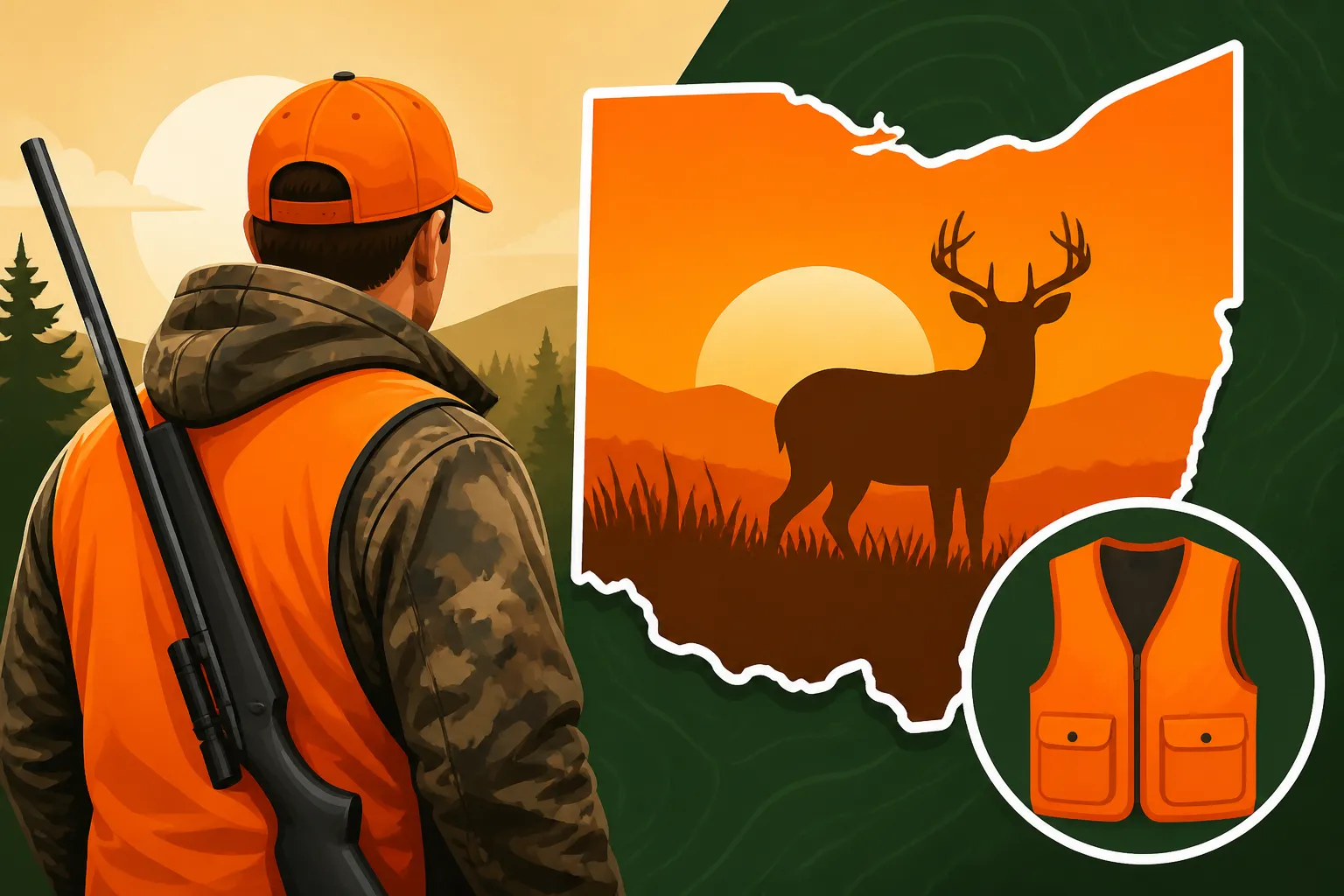
Essentially, Ohio law stipulates that during specific deer gun seasons, including the regular deer gun season, the youth gun season, and the muzzleloader season, all hunters, regardless of the game they are pursuing, must conspicuously wear an outer garment of solid hunter orange or camouflage hunter orange. This isn't just a hat; it typically means a vest or jacket. The key here is "conspicuously." This means it needs to be visible from all directions – front, back, and sides – above the waist. This isn't just some small patch; it's designed to make you stand out from a distance, even when partially obscured by brush.
The goal is to ensure that you are readily identifiable as a human hunter and not mistaken for game. ODNR wardens are vigilant about these rules, knowing that strict adherence saves lives. It's not uncommon to see wardens out in force on opening weekends, ensuring compliance, especially in high-pressure areas like Wayne National Forest or Killdeer Plains Wildlife Area.
Specific Seasons and Situations Requiring Blaze Orange
The timing of Ohio's hunting seasons can be a bit of a jigsaw puzzle, and knowing when to don your orange is paramount. Generally, if there's a gun capable of taking deer in the woods, you need to be wearing blaze orange.
Deer Gun Seasons: The Strictest Rules
This is where the blaze orange requirements are at their most stringent, and for good reason—these are our busiest hunting seasons. During the regular Ohio Deer Season Structure Explained, which includes the incredibly popular Ohio Regular Gun Season First Weekend in late November and the Ohio Regular Gun Season Second Weekend in December, every single person in the field, whether hunting deer, squirrels, or just scouting, must wear blaze orange.
The law requires you to wear a vest, jacket, or coveralls that are "solid hunter orange or camouflage hunter orange." This outer garment must be "conspicuously displayed" on your person. What does "conspicuously displayed" really mean? It means it shouldn't be covered by your backpack, tucked into your pants, or obscured by brush. It needs to be the outermost layer, visible from all angles. Some hunters even go a step further and pair their orange vest with an orange hat to maximize visibility, though the vest or jacket is the primary legal requirement.
One of the most common points of confusion arises when the archery season overlaps with gun season. Let's say you're out chasing whitetails with your bow during the Ohio Archery Season Structure in late November, hoping to catch some rutting action, but it's also the first gun weekend. Even if you're only carrying a bow, you must wear blaze orange. The game you're hunting doesn't dictate the rule; the presence of firearms capable of taking deer in the woods does. This is a crucial safety measure to protect archers from gun hunters who might not expect to see a camouflaged individual during a firearms season.
Muzzleloader Season and Youth Gun Hunts
The blaze orange requirements extend beyond the main gun season weekends. If you're planning on Muzzleloader Deer Hunting in Ohio during our special early January muzzleloader season, the same rules apply. You must wear the required blaze orange outer garment. This season often falls during colder, often snowy conditions, which can sometimes lead hunters to prioritize warmth over visibility. However, layering effectively under your blaze orange is critical.
Similarly, the Hunting the Ohio Youth Gun Weekend has the same strict blaze orange rules. This is a fantastic opportunity for young hunters to get out in the field, and safety is paramount. Not only must the youth hunter themselves be in blaze orange, but their adult mentor, who is required to be present, must also wear blaze orange. This double layer of visibility ensures that both experienced and novice hunters are protected.
It's common to see hunters debating what "enough" orange is. Some try to get by with just a small patch on a backpack. This is a dangerous mistake and a clear violation. The intent of the law is maximum visibility. When in doubt, more is always better than less, especially on crowded public lands like those found in the Wayne National Forest or various Ohio Wildlife Areas. Always think about how you'd want another hunter to appear if they were approaching your stand.
When Blaze Orange Is NOT Required (But Still a Good Idea)
While blaze orange is a non-negotiable during Ohio's deer gun seasons, there are specific times and types of hunting where it's not legally mandated. However, that doesn't always mean you should ditch it entirely.
Archery-Only Seasons and Small Game
During the vast majority of Ohio's archery deer season, when no firearms capable of taking deer are allowed in the woods, blaze orange is not required by law. This means from the When Ohio's Archery Season Opens in late September until the start of the first gun season, archers are free to wear full camouflage if they choose. Most bowhunters prefer to be as camouflaged as possible to blend into their surroundings and get close to wary whitetails.
However, even during archery-only season, many seasoned hunters, especially those on public land or in areas with high foot traffic, still choose to wear a blaze orange hat or a small piece of orange when walking to and from their stand. It's a personal preference that adds an extra layer of safety, particularly during low-light conditions like dawn and dusk when most archers are heading in or out. It's all about making yourself visible to other users of the woods, whether they are hikers, bird watchers, or other archers.
For small game hunting, like during Ohio Squirrel and Rabbit Season Rules, blaze orange is generally not required, unless those seasons overlap with an active deer gun season. If you're out chasing squirrels with a .22 rifle in October, you don't need blaze orange. But if you're out rabbit hunting with a shotgun in December, and it's deer gun season, then yes, you absolutely need to be wearing your orange. Always check the current ODNR digest to be sure of any overlaps. Many small game hunters, even when not legally required, opt for at least an orange hat or vest, especially if they are hunting in dense cover or areas where visibility might be limited, simply because it makes good sense.
Turkey Hunting and Other Specific Exceptions
When it comes to Spring Turkey Hunting in Ohio or Ohio's Shotgun-Only Fall Turkey Season, blaze orange is actually not required, and in fact, it's generally advised against. Turkey hunting relies heavily on camouflage to fool the keen eyesight of a gobbler. Wearing blaze orange would be counterproductive to the primary hunting strategy.
This is a key distinction from deer hunting. While safety is still paramount in turkey hunting, the methods and risks are different. Turkeys are hunted with shotguns (or bows), often from a stationary position, calling birds in. The biggest safety consideration here is identifying your target 100% before shooting, and ensuring no other hunter is in your line of fire or in between you and the bird. Therefore, camouflage from head to toe, often with a face mask and gloves, is the standard for turkey hunters.
Similarly, for waterfowl hunting on Lake Erie or inland marshes, blaze orange is not required. Waterfowl hunters are typically concealed in blinds, using decoys to attract birds. The environment and hunting methods make blaze orange unnecessary and impractical. Other niche hunting pursuits like coyote hunting at night also fall outside the blaze orange mandate, though specific rules for night hunting, such as light sources, will apply.
It's also worth noting that if you are hunting on private land that you own and know for certain that no other hunters or individuals will be present, the strictness of the "conspicuously displayed" rule might feel less urgent. However, the legal requirement still stands during mandated seasons, regardless of property ownership. It's always best to err on the side of caution and safety.
Practical Considerations and Gear Choices
Beyond simply meeting the legal minimum, choosing the right blaze orange gear and adopting best practices can significantly enhance your safety and overall hunting experience.
Choosing the Right Blaze Orange Gear
Not all blaze orange is created equal. When selecting your gear, think about functionality, comfort, and durability.
- Vests vs. Jackets vs. Coveralls: For most gun seasons, a blaze orange vest worn over your hunting jacket is the most common choice. Look for vests with adjustable straps to accommodate various layers of clothing underneath. Brands like GoHunt often feature vests with thoughtful designs, including pockets for licenses, calls, or even a small GPS unit, making them practical beyond just visibility. If you're hunting in particularly cold weather, a full blaze orange jacket might be more appropriate, offering warmth and visibility in one garment. Blaze orange coveralls are also an option, especially if you want maximum coverage and often come in durable, weather-resistant materials.
- Material Matters: For early gun season, when temperatures can still be mild, a lightweight mesh vest might suffice to prevent overheating. However, as the season progresses into colder December, you'll want something more substantial, perhaps a softshell or even fleece-lined blaze orange outer layer that can provide some insulation while still being visible. The material should also be quiet enough not to spook game when you move.
- Fit and Layering: Remember that your blaze orange needs to be an outer garment. This means you need to account for all the layers you'll be wearing underneath. Don't buy a vest that's too tight over your heaviest insulated jacket. You should be able to move freely, shoulder your gun, and remain comfortable for hours in the stand or walking. Think about what will keep you comfortable and visible when you're out Hunting the Ohio Rut in Early November and temperatures can fluctuate wildly.
- Beyond the Vest: While a vest or jacket is the legal requirement, consider adding a blaze orange hat. It's an inexpensive way to add significant visibility, especially if your body is partially obscured. Some hunters also use blaze orange flagging tape to mark their stand locations or game trails for safe entry/exit, though this is supplementary, not a replacement for wearing the garment.
When you're equipping yourself, remember that quality makes a difference. A durable, well-fitting blaze orange garment from a reputable brand like GoHunt will not only last longer but also maintain its vibrant color better through washes and exposure to the elements, ensuring you remain highly visible season after season.
Common Misconceptions and Best Practices
It's easy to fall into traps with blaze orange, but some common sense and a little foresight can make a big difference.
- "A little bit is enough": This is a dangerous mindset. Ohio law states "conspicuously displayed." A small patch on a backpack that's only visible from one angle isn't enough. The intent is to make your human form unmistakable. Imagine yourself through the eyes of another hunter, perhaps using Optics for Appalachian Ohio Ridges to scan a distant hillside. Would they clearly see you?
- Visibility in Varying Conditions: Blaze orange is designed to perform well in various light conditions, but it's not magic. In heavy fog, driving rain, or deep shadows at dawn and dusk, even bright orange can be harder to spot. That's why maximizing your coverage is a good idea. Consider how you can make yourself as visible as possible from all directions.
- Movement and Sound: While blaze orange makes you visible, you still need to be mindful of sound and movement. The rustle of a cheap nylon vest can spook game just as easily as poor camo. This is where investing in quieter materials pays off.
- Beyond Hunting Season: Even outside of specific hunting seasons, if you're hiking, scouting, or shed hunting on public land, especially in areas known for year-round activities like dog training or target shooting, wearing some form of high-visibility clothing is just plain smart. Think about safety when Shed Hunting on Ohio Public Land in late winter, when others might also be out.
- Harnesses and Safety Gear: If you're using a treestand, make sure your blaze orange vest can be worn over your safety harness, or that your harness itself is blaze orange compliant. You don't want your safety gear to compromise your visibility.
Using tools like the GoHunt app, which provides detailed maps of public and private land, can also indirectly boost your safety. By knowing precisely where you are and understanding property lines, you can avoid encroaching on areas where you might not expect other hunters or where rules might differ. This geospatial awareness, combined with proper blaze orange, creates a comprehensive safety strategy.
Compliance and Penalties
Ignoring Ohio's blaze orange regulations isn't just risky; it carries real legal consequences. Wildlife officers are trained to identify violations and prioritize hunter safety.
What Constitutes a Violation
A violation of Ohio's blaze orange regulations typically occurs if you are hunting during a mandated firearm deer season and fail to wear the required amount of hunter orange visibly above the waist. This could mean:
- No orange at all: The most obvious violation.
- Insufficient orange: Wearing only a small patch, or a garment that doesn't meet the "conspicuously displayed" standard.
- Obscured orange: Having your orange vest covered by a backpack, a large coat, or tucked away.
- Incorrect timing: Being out in the woods during a gun deer season (even if you're not personally hunting deer or carrying a firearm) without orange. This applies to squirrel hunters, rabbit hunters, or even someone just scouting a new area.
If a wildlife officer observes a violation, they will typically issue a citation. The penalties can vary depending on the severity and whether it's a first offense, but generally include fines and court costs. Repeat offenses or violations that contribute to an accident could lead to much more severe penalties, including the loss of hunting privileges. The ODNR takes these regulations extremely seriously because they are directly linked to preventing tragic accidents. It's a foundational part of Ohio Hunter Education Requirements.
Staying Informed with Ohio's Regulations
The rules and regulations for hunting in Ohio, while generally stable, can sometimes see minor adjustments from year to year. It's every hunter's responsibility to stay informed about the most current regulations.
- The Ohio Hunting and Trapping Regulations Digest: This is your bible. The ODNR publishes a new digest annually, usually available online and at license vendors before the fall hunting seasons begin. Always grab the newest one and give it a thorough read, paying close attention to the general regulations section and any specific rules for deer season.
- ODNR Website: The official Ohio Department of Natural Resources website is a fantastic resource. They often publish updates, news releases, and frequently asked questions that can clarify complex regulations.
- License Vendors and Wildlife Offices: Don't hesitate to ask questions. Your local license vendor or an ODNR wildlife district office can often provide clarification on specific rules or scenarios that might be unclear.
- Trusted Hunting Resources: Reputable hunting resources and platforms, like the GoHunt blog, often break down complex regulations into easy-to-understand guides, helping hunters navigate the nuances of Ohio law. Make it a habit to cross-reference information and always refer to the official ODNR digest as the ultimate authority.
Remember, ignorance of the law is not an excuse. Taking a few minutes to confirm you're compliant can save you a headache, a fine, and potentially prevent a serious accident.
Here's a quick summary of the requirements by season:
| Season/Situation | Blaze Orange Required? | Specifics |
|---|---|---|
| Regular Gun Deer Season (First Weekend) | YES | Outer garment (vest/jacket/coveralls) of solid or camo blaze orange, conspicuously displayed. |
| Regular Gun Deer Season (Second Weekend) | YES | Outer garment (vest/jacket/coveralls) of solid or camo blaze orange, conspicuously displayed. |
| Early Gun Season (DSA) | YES | Outer garment (vest/jacket/coveralls) of solid or camo blaze orange, conspicuously displayed. |
| Youth Gun Deer Season | YES | Both youth hunter and adult mentor must wear outer blaze orange garment, conspicuously displayed. |
| Muzzleloader Deer Season (January) | YES | Outer garment (vest/jacket/coveralls) of solid or camo blaze orange, conspicuously displayed. |
| Archery Deer Season (Archery-Only) | NO | Many choose to wear a hat or small piece for visibility, especially on public land, but not required. |
| Archery Deer Season (Overlap w/ Gun) | YES | Even if bowhunting, during any gun deer season, outer blaze orange garment is required. |
| Small Game (Squirrel, Rabbit, Upland) | NO* | *Unless overlapping with any open gun deer season, then YES. Otherwise, optional but recommended. |
| Spring Turkey Season | NO | Camouflage is preferred for turkey hunting; blaze orange is counterproductive. |
| Fall Turkey Season | NO | Camouflage is preferred for turkey hunting; blaze orange is counterproductive. |
| Waterfowl Hunting | NO | Not applicable to blind hunting. |
| Trapping | NO | |
| Scouting/Hiking during Gun Deer Season | YES | Anyone afield during gun deer seasons must wear blaze orange. |
Disclaimer
The information provided in this article is for general informational purposes only and does not constitute legal advice. Hunting regulations in Ohio are subject to change. Always consult the most current Ohio Department of Natural Resources (ODNR) hunting and trapping regulations digest or contact the ODNR directly for the most accurate and up-to-date legal requirements.