Ohio’s Shotgun-Only Fall Turkey Season
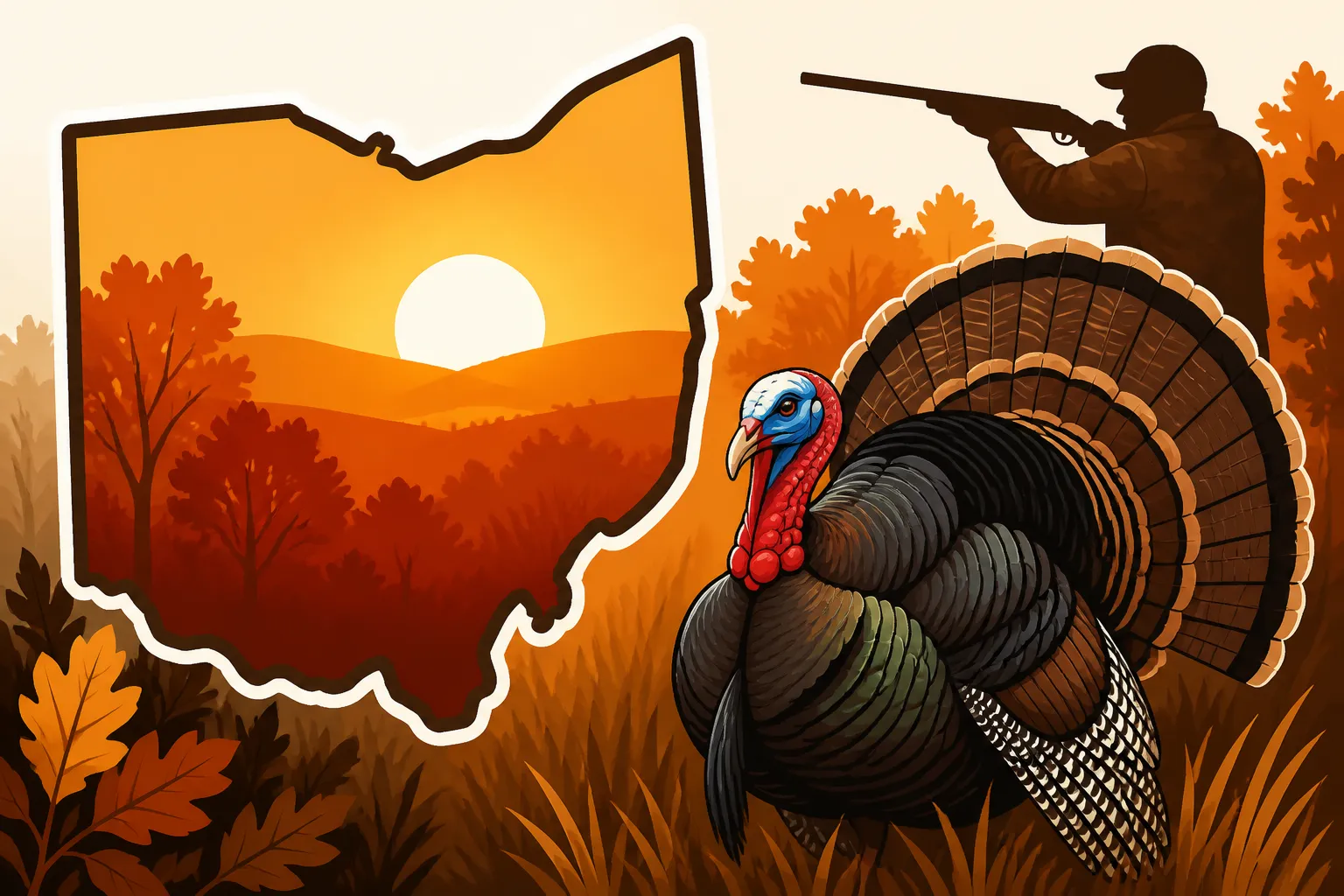
The crisp air of an Ohio autumn often brings visions of colorful leaves and maybe a whitetail deer moving through the timber, but for a dedicated few, it's the call of a fall turkey that truly gets the blood pumping. While spring turkey hunting is well-known for gobblers strutting and spitting, the fall season presents a completely different challenge, demanding a unique set of skills and an understanding of turkey behavior that many hunters find incredibly rewarding. This comprehensive guide will walk you through everything you need to know to successfully navigate Ohio's shotgun-only fall turkey season, helping you unravel the mysteries of these wary birds when they're not focused on breeding.
Understanding Ohio's Fall Turkey Season Framework
Hunting fall turkeys in Ohio isn't just a casual stroll in the woods; it's a carefully regulated pursuit with specific dates, bag limits, and legal methods. Many hunters, especially those new to the fall pursuit, often get caught off guard by how different the regulations are compared to the spring season or even other small game. It's not just about getting out there; it's about understanding the specific framework that governs your hunt, county by county, to ensure you're compliant and maximizing your chances.
Key Dates and Zones for Fall Turkey Hunting
Unlike the statewide spring season with its distinct zones, Ohio's fall turkey season is usually more restricted, often only open in specific counties where populations can sustain harvest. These county lists can change, so always double-check the latest Ohio Department of Natural Resources (ODNR) hunting regulations. Typically, the season kicks off sometime in October and runs for a few weeks, sometimes with a later segment that coincides with other small game seasons. The bag limit is usually quite conservative, often one bird of either sex per hunter, meaning you can take a hen or a gobbler, a significant difference from the spring's gobbler-only restriction. Understanding Ohio's Fall Turkey County List is paramount before you even think about stepping into the woods, because showing up in a closed county is a quick way to a frustrating day and potential legal trouble.
It's easy to assume that if you can hunt turkeys in spring, you can in fall, but that's a mistake. The ODNR manages these populations carefully, and if a county's turkey numbers are a bit low, they might close it to fall hunting to allow for recovery. This means your favorite spring spot might not be an option in October. Always refer to the most current regulations printed in the annual hunting digest or available on the ODNR website. This diligent research ensures you're hunting legally and ethically, contributing to the sustainable management of Ohio's wild turkey resource.
Why Shotgun-Only for Fall Turkeys
Ohio has a "shotgun-only" rule for fall turkeys, meaning you cannot use a bow or a straight-wall rifle for these birds. This often puzzles hunters, especially those who enjoy the challenge of archery during the spring season. However, this regulation is rooted in the unique dynamics of fall turkey hunting and wildlife management principles. In the fall, turkeys are typically found in large flocks, often composed of hens and their poults, or bachelor groups of gobblers. The goal for many fall hunters is to scatter these flocks and then call the birds back in, a tactic known as "flock breaking."
A shotgun, with its wider shot pattern, is generally considered a more effective and ethical tool for this style of hunting, especially when birds might be moving quickly or presenting fleeting opportunities after being scattered. It minimizes the chances of wounding a bird without recovery, which can be a higher risk with archery equipment if shot placement isn't absolutely perfect on a moving bird. The emphasis on shotguns also simplifies gear requirements for many hunters, as they often already own a reliable scattergun for other small game or even deer hunting. It helps to ensure that hunters are using appropriate tools for the unique challenges of the fall season, which is less about precise single-target shots on a stationary gobbler and more about dynamic situations with multiple birds. It's a pragmatic approach to maintaining healthy turkey populations while still offering a challenging and engaging hunting experience.
Essential Gear and Equipment for Fall Turkey Hunting
Preparing for Ohio's shotgun-only fall turkey season requires a specific gear setup that balances the need for camouflage, effective calling, and reliable shotgun performance. Unlike the often warmer spring mornings, fall weather can be fickle, ranging from mild and sunny to cold, wet, and windy, sometimes all in the same day. Your gear needs to reflect these conditions while optimizing your chances against a more communal and food-focused bird.
Shotgun and Ammunition Selection
For the shotgun-only fall turkey season, your choice of firearm and ammunition is critical. Most hunters opt for a 12-gauge shotgun, though 20-gauge can also be highly effective, especially for younger hunters or those sensitive to recoil. The key is to have a shotgun that you are comfortable shooting accurately, as shot placement is still crucial. A pump-action or semi-automatic shotgun with a 3-inch or 3.5-inch chamber is common, allowing for heavier turkey loads. The barrel length typically ranges from 24 to 28 inches, balancing maneuverability with pattern stability. A full or extra-full choke is almost universally recommended to ensure a tight, dense pattern at typical turkey ranges.
When it comes to ammunition, dedicated turkey loads are the way to go. These shells are designed with heavier payloads of larger shot sizes (like #4, #5, or #6 lead shot, or equivalent non-toxic loads if hunting specific areas) and higher velocities to deliver maximum energy and penetration to the turkey's head and neck area. Brands like Federal, Winchester, and Remington offer excellent turkey-specific loads. You'll want to pattern your shotgun with your chosen ammunition and choke before the season. This means shooting at a paper target at various distances (20, 30, 40 yards) to see how dense and consistent your pattern is. Knowing your effective range is paramount to making clean, ethical shots. Don't just assume your gun and shells will perform well; prove it on the range.
Camouflage, Blinds, and Calling Tools
Fall turkey hunting requires excellent concealment, perhaps even more so than in spring, as you're often dealing with larger flocks and birds that are less preoccupied with breeding and more attuned to their surroundings. Full camouflage, including face masks and gloves, is essential. The pattern should blend with the autumn woods – think muted browns, grays, and leafy patterns that mimic leafless timber or mixed undergrowth. Layered clothing is a must for fluctuating fall temperatures. A good pair of waterproof boots is also highly recommended, as you might be walking through dew-laden fields or damp woods.
Beyond clothing, a pop-up ground blind can be incredibly useful, especially if you're hunting with kids or want extra concealment. However, many fall hunters prefer to remain mobile, utilizing natural cover like fallen logs, thick brush, or the base of large trees. For calling, a variety of calls is beneficial. Locator calls like owl hoots or crow calls are great for getting a shock gobble or determining general turkey locations in the morning. Once you've located birds, mouth calls (diaphragm calls) are versatile for a wide range of turkey vocalizations, from lost hen yelps to the excited kee-keeing of scattered poults. Slate or glass calls offer rich, realistic tones, perfect for seductive clucks and purrs to bring birds closer. Learning Fall Turkey Tactics With a Shotgun Only often revolves around mastering these calls to break up flocks and then re-assemble them. Carrying a small pair of binoculars can also be invaluable for spotting birds from a distance without giving away your position, helping you confirm whether that dark lump is a stump or a turkey.
| Gear Item | Primary Function | Key Considerations |
|---|---|---|
| Shotgun (12/20 gauge) | Ethical harvest of birds | Pump/Semi-auto, 3-3.5" chamber, full/extra-full choke |
| Turkey Ammunition | Delivering dense, lethal pattern to head/neck | #4, #5, #6 shot (lead/non-toxic), patterned for range |
| Full Camouflage | Concealment from wary birds | Autumn patterns, layered for warmth/weather, face mask, gloves |
| Ground Blind (Optional) | Enhanced concealment, comfortable waiting | Portable, easy setup, blends with environment |
| Locator Calls | Pinpointing distant birds (owl hoot, crow) | Versatile, loud for long-range detection |
| Mouth/Slate Calls | Emulating turkey vocalizations (yelps, kee-kees) | Realistic tones, hands-free for mouth calls, weather-resistant for slate |
| Binoculars | Scouting, identifying distant birds | Compact, clear optics, often 8x-10x magnification |
| Waterproof Boots | Comfort and protection in various terrain | Good traction, ankle support, suitable for wet conditions |
| Turkey Vest/Pack | Organizing calls, shells, water, snacks | Comfortable, accessible pockets, quiet materials |
Mastering Fall Turkey Hunting Tactics
Fall turkey hunting is a vastly different ball game than the spring, shifting from attracting lovesick gobblers to understanding and exploiting flock dynamics. It's less about the strut and gobble and more about the scatter and regroup. This season demands patience, keen observation, and a good understanding of turkey psychology, making it a truly rewarding challenge for those who invest the time.
Locating and Scouting Fall Flocks
The first, and arguably most critical, step in fall turkey hunting is locating the birds. Unlike spring, where gobblers often announce their presence from the roost, fall turkeys are much quieter and more elusive. They travel in larger family groups (hens and their poults) or bachelor groups of gobblers, constantly foraging for food. Your scouting efforts should focus heavily on food sources. Look for areas with abundant acorns, beechnuts, or other hard mast, as well as agricultural fields where turkeys might be feeding on waste grain like corn or soybeans. Creeks and water sources are also natural magnets.
Start your scouting well before the season opens. Drive quiet backroads at dawn and dusk, listening for yelps or cackles as birds move to and from roosts. Don't be afraid to pull over and use a locator call. Walking the woods and looking for fresh tracks, droppings, and scratch marks where they've dug for food can tell you a lot about their travel patterns and preferred feeding areas. This is where tools like GoHunt can really shine, allowing you to study aerial maps to pinpoint potential food sources, roosting areas along ridge lines, and travel corridors before you even set foot in the woods. Identifying key sign and patterns before the season allows you to formulate a strategic plan, rather than wandering aimlessly.
The Art of the Flock Break and Re-Calling
The cornerstone of fall turkey hunting is the "flock break." When you locate a flock, the primary goal is to intentionally scatter them as widely as possible. This is usually done by aggressively running towards them, yelling, or even firing a warning shot into the air if legal and safe. The idea is to disorient the birds, making them fly or run in different directions, eager to regroup with their companions. Once the flock is broken, find a strategic ambush point – ideally, a place with good visibility and cover, central to where the birds scattered.
After a break, wait quietly for 15-30 minutes for the woods to settle down. Then, begin calling. The most effective calls after a scatter are the lost hen yelp and the "kee-kee" run of a young, disoriented turkey. The kee-kee, a high-pitched whistle followed by yelps, is particularly potent as it mimics a lost poult trying to find its family. Start softly, then increase volume as time passes. The goal is to sound like a lonely bird, compelling the scattered flock members to come looking for you. Be patient; it can take a long time for birds to respond, sometimes an hour or more. When they do respond, they often come in silently or with soft clucks and purrs, so remain vigilant. Mastering Breaking Up a Fall Turkey Flock and then successfully calling them back in is arguably the most satisfying aspect of this hunting method.
Still-Hunting and Ambush Techniques
While flock breaking is a primary tactic, it's not the only way to hunt fall turkeys. Still-hunting, a slow, deliberate method of moving through the woods, can also be productive. This involves taking a few steps, then pausing to scan and listen, covering ground quietly and methodically. This approach is effective when you're in areas known to hold turkeys but haven't located a specific flock to break, or if you prefer a more solitary hunt. Focus on areas with good cover and food sources, moving into the wind if possible to prevent birds from smelling you.
Ambush techniques also play a significant role. If you've been scouting and identified a consistent pattern of movement – perhaps birds moving from a roost to a feeding field, or traveling along a particular ridge – you can set up ahead of them. This often involves getting into a ground blind or finding natural cover near a travel corridor or preferred food source and waiting. This requires extreme patience and an intimate knowledge of the birds' routine. Using detailed mapping resources, like those offered by GoHunt, can help you identify these natural travel routes and strategic ambush points, such as saddles between ridges or bottlenecks along field edges. These setups can be particularly effective in areas with high hunting pressure where birds are less likely to respond to aggressive calling tactics.
Public Land vs. Private Land Strategies
Ohio offers a mix of public and private land for hunting, and each presents its own set of opportunities and challenges for the fall turkey hunter. Understanding these differences and adapting your approach accordingly can significantly impact your success.
Navigating Public Hunting Lands
Public lands in Ohio, such as Wayne National Forest, Shawnee State Forest, and various ODNR Wildlife Areas, are accessible to all licensed hunters. While this accessibility is a huge benefit, it often means higher hunting pressure. For fall turkeys, this can be both a blessing and a curse. High pressure might mean birds are more scattered, making flock breaking easier, but it also means other hunters are likely using the same tactics, making birds warier. When hunting areas like the Athens Unit Wayne National Forest Access, you need to expect competition.
To succeed on public land, deep scouting and finding overlooked areas are paramount. Don't be afraid to hike further than most hunters are willing to go. Look for natural barriers like steep ravines or dense thickets that deter casual hunters. Use mapping apps like those on GoHunt to identify remote corners, pinch points, and varied terrain that might hold birds. Focus on finding untouched food sources – a hidden grove of oaks dropping acorns away from main trails, or a secluded field edge that sees less traffic. You might even find success by observing other hunters' movements, then circling around them to find birds they've pressured but not yet scattered. Being adaptable and willing to put in the legwork is key to Hunting Pressure on Ohio Public Land.
Gaining Access to Private Properties
Hunting private land often offers a more secluded and potentially more productive experience, as birds typically face less pressure. However, gaining permission can be challenging. The best approach is often a direct, respectful one. Start by identifying landowners in areas known to hold turkeys. A simple knock on the door, a polite introduction, and a clear explanation of your intentions can go a long way. Dress neatly, be courteous, and offer to help with chores or share some of your harvest.
When approaching landowners, emphasize your respect for their property, your commitment to safety, and your understanding of game laws. If possible, offer to show them your hunting license and proof of insurance. It's often helpful to provide a reference or two if you have them. Many landowners appreciate hunters who are willing to manage nuisance wildlife, and demonstrating your responsibility can build trust. Having a written agreement, even a simple one, outlining the terms of your access (e.g., specific dates, areas, species) is always a good idea for both parties. Remember, a "no" from one landowner doesn't mean "no" from all. Persistence and politeness are your greatest assets when Knocking on Doors in Ohio Farm Country to secure private land access.
Safety and Ethical Considerations
Hunting, especially in the challenging environments of Ohio's fall turkey season, always requires a strong emphasis on safety and ethical practices. Beyond legal compliance, ensuring the well-being of yourself, fellow hunters, and the wildlife you pursue is a responsibility every hunter shares.
Hunter Safety Reminders in the Field
The fall turkey season often overlaps with other hunting seasons, including archer deer season and various small game seasons. This means you might encounter other hunters pursuing different species. Always identify your target positively before shooting. Never shoot at sound or movement. Wearing blaze orange is not legally required for fall turkey hunting unless you are also hunting other game that requires it, or if it's during a gun deer season. However, for added visibility while moving through the woods, some hunters choose to wear a blaze orange hat or vest when not actively calling or set up in a blind. This can significantly reduce the risk of being mistaken for game by another hunter, especially on public lands.
Beyond other hunters, be mindful of your surroundings. Terrain can be rugged, especially in Appalachian Ohio, and falling leaves can conceal slippery rocks, roots, or holes. Carry a first-aid kit, a fully charged cell phone (though service can be spotty in remote areas), and a compass or GPS device. Inform someone of your hunting plans, including your exact location and expected return time. Always practice safe firearm handling: keep the muzzle pointed in a safe direction, keep your finger off the trigger until you're ready to shoot, and treat every firearm as if it's loaded. These fundamental rules of firearm safety are non-negotiable and protect everyone in the field.
Ethical Shot Placement and Game Recovery
For fall turkeys, ethical shot placement is paramount to ensuring a quick, humane harvest. As with spring turkeys, the target zone is the head and neck. A turkey's body is incredibly resilient, and a body shot, especially with smaller birdshot, can result in a wounded bird that is difficult to recover. Aim for the top of the neck where it meets the head. Patterning your shotgun beforehand ensures you know your effective range and the density of your shot pattern. Never take a shot beyond your proven capabilities.
After the shot, observe the bird carefully. Turkeys can sometimes flop around or run a short distance even after a lethal hit. Give the bird a few moments, then approach cautiously, watching for any signs of movement. If the bird is still alive, be prepared to administer a quick follow-up shot. If the bird runs or flies off, mark the exact location where you last saw it and immediately begin a thorough search. Look for feathers, blood, or disturbed ground. Having a plan for Blood Trailing After Dark in Ohio can be crucial, as falling light can make recovery even harder. Responsible hunters make every effort to recover any game they shoot, ensuring no animal is wasted.
Post-Harvest Practices and Management
Successfully harvesting a fall turkey is a moment of triumph, but the work isn't over. Proper handling of your bird, from checking it in to processing the meat, ensures that your efforts are rewarded and that you comply with Ohio's regulations, contributing to sound wildlife management.
Checking and Reporting Your Harvest
Once you've harvested a fall turkey, you are legally required to check it in with the ODNR. This process is crucial for wildlife managers to gather data on harvest numbers, population health, and hunter effort. The method for checking in game has become increasingly convenient. You can typically check your turkey online via the Wild Ohio Customer Center website or through the HuntFish OH mobile app. Some older hunters might remember physically going to a check station, but those days are largely past for convenience, though some still exist.
You'll need to provide information such as the county of harvest, the date, and the type of bird (hen or gobbler). Ensure you complete this process by midnight on the day of harvest. Failing to check in your game is a violation and can result in penalties. Always keep your confirmation number handy, either digitally on your phone or printed, as proof of legal harvest and compliance. This data helps the ODNR make informed decisions about future season structures and bag limits, directly impacting the quality of hunting for everyone.
Field Dressing and Meat Care
Proper field dressing and meat care begin immediately after harvest, especially important during the warmer days of early fall. The goal is to cool the meat down as quickly as possible to prevent spoilage. Start by removing the entrails. Make a shallow cut from the breastbone to the vent, being careful not to puncture the intestines. Reach inside and pull out all organs. Many hunters also choose to remove the crop (the pouch in the neck where food is stored) to prevent any spoilage from fermenting food.
Once field dressed, allow the bird to cool. If temperatures are mild, you can pack the cavity with ice or place the bird in a cooler with ice, ensuring the meat doesn't directly sit in meltwater. If you're on a long hike out of remote areas like Tar Hollow State Forest, a game bag can protect the bird while allowing air circulation. When you get home, you can either pluck the bird whole for roasting or skin it and breast out the meat, along with the thighs and drumsticks. The tenderloins, located under the breast, are often considered a delicacy. Properly handled, wild turkey meat is lean, delicious, and a healthy addition to any meal, making all the effort worthwhile.
The Future of Fall Turkey Hunting in Ohio
Ohio's fall turkey season is a testament to successful wildlife conservation, bringing back a species that was once completely extirpated from the state. However, the future of this hunt, like all hunting seasons, depends on ongoing management, habitat health, and responsible hunter participation.
Conservation and Habitat Management Efforts
The wild turkey's resurgence in Ohio is a remarkable success story, largely due to reintroduction programs and dedicated habitat management. The ODNR, in partnership with organizations like the National Wild Turkey Federation (NWTF), continues to monitor populations and implement habitat improvement projects. These efforts include timber stand improvements, controlled burns to encourage new growth, and planting of diverse food sources. Maintaining healthy hardwood forests, particularly those with a strong mast crop of oaks and hickories, is vital for fall turkeys, as these areas provide critical food resources throughout the autumn and winter.
Hunters play a crucial role in these conservation efforts, not just through ethical hunting but also through financial contributions from license and permit sales, which fund these vital programs. Understanding the biology of Ohio Turkey Population Trends helps hunters appreciate the careful balance that wildlife managers strive to maintain. Supporting conservation initiatives, advocating for habitat preservation, and participating in surveys or reporting observations are all ways hunters can contribute to ensuring robust turkey populations for future generations to enjoy.
Adapting to Changing Landscapes and Climate
Ohio's landscape is constantly changing, with urban sprawl encroaching on rural areas and agricultural practices evolving. These changes, coupled with potential shifts in climate, can impact turkey habitats and behavior. For instance, milder winters might affect survival rates, while changes in rainfall patterns could influence mast production. Hunters need to be adaptable, continuously scouting and learning how turkeys respond to these environmental shifts.
Furthermore, the introduction and spread of diseases like Avian Influenza in Ohio Birds or other localized turkey diseases could pose future challenges. The ODNR monitors these threats closely, and hunters can assist by reporting any sick or dead birds they encounter. As fall turkey hunting continues to evolve, staying informed about the latest research and management strategies is key. This might mean adjusting hunting tactics based on new information or exploring different regions of the state as turkey populations fluctuate. With a proactive approach from both wildlife managers and hunters, Ohio's shotgun-only fall turkey season will continue to offer unique and exciting opportunities for years to come.
Disclaimer
Please remember that hunting regulations, seasons, and bag limits are subject to change. Always consult the most current Ohio Department of Natural Resources (ODNR) hunting regulations before heading into the field. This guide is for informational purposes only and does not supersede official state regulations. It is the hunter's responsibility to know and follow all applicable laws.