Bowfishing Ohio Rivers in the Off-Season
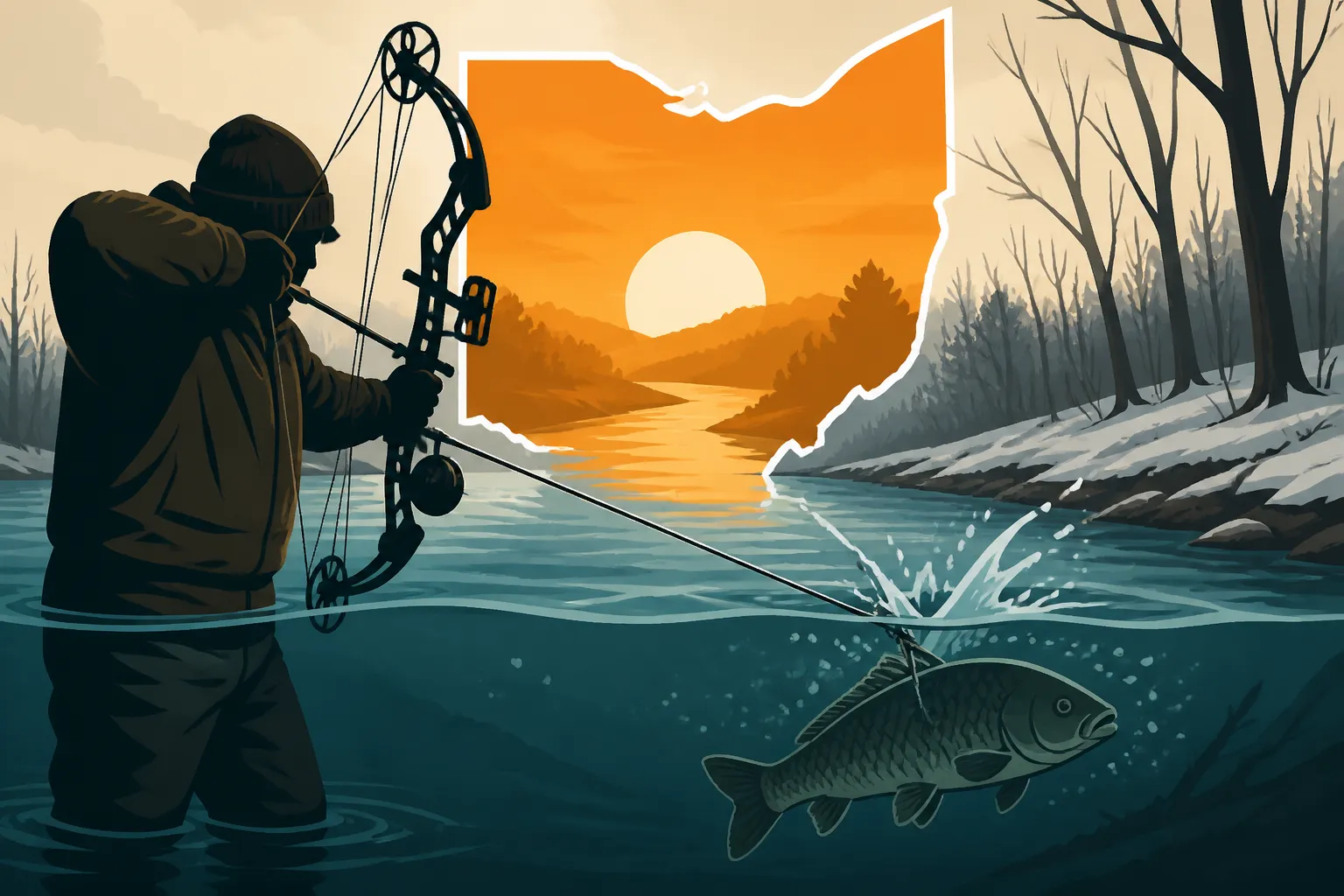
The off-season can feel like an eternity for us Ohio hunters, a time when the crisp air of fall and the excitement of the rut are just distant memories. Many of us find ourselves restless, constantly checking trail cameras that are still empty or staring at maps, wishing for cooler weather and open seasons. But what if I told you there's an exciting, active pursuit that fills this void perfectly, blending the thrill of hunting with the challenge of fishing right on our own Ohio waterways? This guide is all about diving deep into the world of bowfishing Ohio rivers during the quieter months, offering a unique adventure to keep your skills sharp and your freezer full.
Why Bowfishing Ohio Rivers is a Great Off-Season Activity
When deer season closes and turkey tags are punched, the woods can feel a little too quiet. For those of us who live for the chase, the spring and summer months can bring on a serious case of cabin fever. That's where bowfishing steps in, offering a dynamic and engaging way to stay connected with the outdoors and put some wild game on the table, even when the traditional hunting seasons are closed. It's an accessible sport that doesn't require a massive investment to get started, especially if you already have a bow.
Beating the Off-Season Lull
There's a unique satisfaction that comes from actively pursuing game, and bowfishing delivers that in spades. Instead of passively waiting for the next season, you're out on the water, actively scanning for targets, refining your aiming skills, and learning the nuances of fish behavior. It’s a perfect bridge activity that keeps your hunting instincts honed. You’re not just sitting on a bank with a hook and line; you're stalking, aiming, and reacting, much like you would during archery season for deer. This constant engagement makes the time fly by, transforming those long off-season days into memorable adventures. It also provides a fantastic opportunity to explore parts of Ohio's diverse landscape you might not typically visit during deer or turkey season, opening up new perspectives on our state's natural beauty and resources.
Unique Challenges and Rewards
Bowfishing isn't just "fishing with a bow"; it's a distinct discipline with its own set of challenges that make it incredibly rewarding. The biggest hurdle, hands down, is refraction – the way water bends light, making fish appear shallower than they actually are. It takes practice and a lot of missed shots to learn how to aim low, compensating for this optical illusion. But once you start connecting, the feeling is exhilarating. You’re often targeting hard-fighting species like carp or gar, which can provide a surprising battle on the end of your line, testing your strength and the durability of your gear. The reward isn't just the fish you bring home; it's the satisfaction of mastering a new skill, the camaraderie if you're out with friends, and the sheer joy of being out on the water under the Ohio sun or moon. Plus, many of the species you'll target are considered invasive or rough fish, so you're actually helping native ecosystems by removing them.
Essential Gear and Setup for Ohio Bowfishing
Getting into bowfishing doesn't have to break the bank, especially if you already own a compound bow or recurve. However, there are some specialized pieces of gear that are absolutely crucial for a successful and safe experience on Ohio's rivers. Think of it as tailoring your existing archery setup for an aquatic environment, much like you'd adjust your kit for Bowhunting Ohio's Long Archery Season.
Bow and Reel Setups
For your bow, almost any compound or recurve will work, though many dedicated bowfishermen opt for older, simpler bows that can take a beating. You don't need high poundage; 30-50 pounds is usually plenty for piercing fish and retrieving them. The real game-changer is the reel. There are generally two main types:
- A Bottle/Drum Reel: These are simple, inexpensive, and attach directly to your bow. You manually wrap the line around the drum. They're very reliable but slower to retrieve and can tangle if you're not careful. Brands like Cajun Archery offer solid, entry-level options.
- A Spincast Reel (often modified): These are like heavy-duty fishing reels that mount to a special bracket on your bow. They offer faster retrieval and are less prone to tangles, making them popular for active shooting. You typically push a button to release the line before the shot. Innerloc and Muzzy Bowfishing are well-known manufacturers in this space.
Regardless of the reel type, ensure it's specifically designed for bowfishing, as regular fishing reels are not built to withstand the force of a shot and the drag of retrieving an arrow with a fish attached. For any serious scouting or planning trips, tools like the Ohio HuntFish Map Tool can be invaluable for pinpointing river access and potential hotspots.
Arrow and Line Considerations
Bowfishing arrows are distinctly different from your typical hunting arrows. They are solid fiberglass or carbon-fiberglass composites, much heavier and stronger than deer arrows, designed to penetrate water and fish scales without breaking. They typically don't have fletchings, as these would create too much drag in the water. Instead, they often have a nock that accepts your bowstring and a specialized tip designed to hold the fish once it's struck.
The most critical part of the arrow, however, is the line. You'll need very strong, braided line, typically 150-300 pound test, to handle the weight and fight of the fish. This line attaches to the front of your arrow, often through a safety slide system. This slide system is paramount: it ensures the line stays in front of the bow when shot, preventing the dreaded "arrow snap-back" which can cause severe injury. Always double-check your safety slide before every shot. Choosing the right arrow and line combination is a key part of setting up for success, similar to how hunters carefully select their broadheads for optimal deer penetration when Hunting Ohio Farmland Deer.
| Gear Item | Description | Key Considerations |
|---|---|---|
| Bow | Compound or recurve, often older models. | 30-50 lb draw weight, durable, simple. |
| Reel | Bottle/Drum reel or specialized Spincast reel. | Durability, ease of line release, retrieval speed. |
| Arrows | Solid fiberglass or carbon-fiberglass, no fletchings. | Strength, water penetration, equipped with safety slide system. |
| Line | Heavy-duty braided line (150-300 lb test). | High breaking strength, abrasion resistance, UV resistant. |
| Arrow Tips | Barbed or grappler tips, designed to hold fish securely. | Sharpness, barb reliability, ease of fish removal. |
| Boat (Optional) | Jon boat, canoe, kayak, or even a paddleboard for shallow water. | Stability, maneuverability, capacity for gear and fish, draft. |
| Lighting | Generator-powered lights (for boats) or headlamps/spotlights (for shore/kayak). | Brightness, beam spread, battery life/fuel efficiency for night shoots. |
| Polarized Glasses | Crucial for reducing glare and spotting fish in the water during daylight. | UV protection, comfortable fit. |
| Safety Gear | Life vest, first aid kit, sturdy knife, proper footwear. | Essential for any water-based activity. |
| Fish Stringer/Tub | To hold your catch on the water. | Durable, easy to clean, large enough capacity. |
Boat and Lighting Needs
While you can bowfish from shore in certain spots, a boat significantly expands your opportunities on Ohio's rivers. A sturdy jon boat is a popular choice, offering stability and space for gear and your catch. Canoes and kayaks are also excellent for stealthy approaches in shallower water or tight river bends. When hunting on public lands, knowing the rules for Ohio Public Land Hunting Hours can guide when you might be able to start or end your bowfishing trip.
For night bowfishing, which can be incredibly productive for certain species, powerful lighting is non-negotiable. Many serious bowfishermen mount generator-powered halogen or LED lights around their boats, illuminating the water around them like a stadium. This bright, wide-angle light penetrates the surface, allowing you to spot fish swimming just below. For smaller craft or budget-conscious setups, powerful LED headlamps and handheld spotlights can work, though they won't offer the same broad coverage. The key is to have enough light to clearly see the fish and gauge their depth, especially when you're dealing with moving water and variable clarity.
Prime Ohio Rivers and Target Species for Bowfishing
Ohio is blessed with an extensive network of rivers and waterways, many of which hold abundant populations of prime bowfishing species. Knowing where to go and what to target will significantly boost your success rate and enjoyment.
Top River Systems and Their Quarry
When it comes to Ohio rivers, you've got options. The Ohio River itself, with its vast backwaters and tributaries, is a bowfishing paradise. You'll find huge common carp, silver carp, grass carp, and bighead carp here, often basking in the shallows. These invasive species are not only fun to shoot but their removal benefits the ecosystem. Exploring its numerous oxbows and calmer sections can be incredibly productive, much like hunting the river's adjacent timber during Hunting the Ohio River Valley.
Further inland, rivers like the Muskingum, Scioto, and Miami systems also offer excellent opportunities. These rivers are generally shallower and narrower than the Ohio, making them ideal for smaller boats or even wading in certain sections. Here, you'll still encounter plenty of carp, but also buffalo (a species of sucker), and sometimes even longnose gar, which are incredibly challenging and rewarding targets due to their armored bodies. The key is to focus on areas with slower currents, muddy bottoms, and aquatic vegetation, as these are natural feeding grounds for these bottom-dwelling fish. Remember to check local regulations specific to these waterways, as rules can sometimes vary by district, similar to the different Ohio Spring Turkey Zones and Dates.
Seasonal Patterns and Best Times
Bowfishing is primarily a warm-weather sport in Ohio, though you can extend it into the cooler shoulder seasons. The spring, once water temperatures start to consistently hit the 50s and 60s, is fantastic. This is when common carp, in particular, move into very shallow water for their spawning rituals, making them highly visible and vulnerable. They'll be cruising mud flats, submerged grass, and even flooded fields. This shallow water action is often best during the day.
As summer progresses, the fish might move into slightly deeper water during daylight hours, making night bowfishing under lights incredibly effective. The lights draw them in, and the calmer night waters often improve visibility. Early mornings and late evenings can also be productive as fish move from deeper holding areas to shallower feeding grounds. Pay attention to water clarity; recent heavy rains can muddy up rivers, making visibility poor. Give it a few days after a big rain for the sediment to settle before heading out. Much like scouting for deer movement patterns when Reading Ohio Snow for Fresh Deer Movement, understanding fish behavior in relation to water conditions is key. Utilizing mapping applications can help immensely in scouting these areas, even if tools like GoHunt are more tailored for Western big game, general GPS functions are always helpful.
Navigating Regulations and Safety for Ohio Bowfishing
As with any outdoor pursuit, understanding and adhering to regulations and prioritizing safety are paramount. Bowfishing in Ohio falls under fishing regulations, but with specific considerations due to the nature of the equipment.
Ohio Bowfishing Rules and Licenses
First and foremost, you'll need a valid Ohio fishing license. All residents 16 years and older and non-residents 16 years and older must possess a current Ohio fishing license. This is similar to needing a hunting license for any game, as detailed in Ohio Resident Hunting License Options or Ohio Nonresident Hunting License Options. You can purchase these online through the Ohio Department of Natural Resources (ODNR) website, at most sporting goods stores, or through the "Wild Ohio" app.
Currently, common carp, bighead carp, silver carp, grass carp, buffalo, suckers, gar, and bowfin are legal targets for bowfishing in Ohio. It's crucial to correctly identify your target before shooting. Some game fish, like catfish, are generally not legal to take with a bow, although some states do allow it under specific conditions. Always consult the current Ohio Fishing Regulations digest available on the ODNR website or at license vendors. This digest will also cover any specific length or bag limits for certain species if they apply, though many invasive rough fish have no limits. Be aware of any special restrictions on specific waterways, particularly in certain reservoirs or protected areas, similar to how Ohio's Chronic Wasting Disease Surveillance Area has specific rules for deer hunting.
Safety Protocols on the Water
Safety is non-negotiable in bowfishing. You're combining a powerful archery setup with a water environment, often at night, and sometimes from a moving platform.
- Wear a PFD: Always wear a personal flotation device (PFD) when on the water, especially at night or when in unfamiliar territory. Even strong swimmers can get into trouble quickly.
- Maintain Control of Your Arrow: Never, ever shoot your bow without the line properly secured to your arrow and reel, and the safety slide correctly positioned. An unattached arrow can "dry fire" or worse, snap back and cause serious injury. Always ensure your fingers are clear of the line path when shooting.
- Know Your Target and Beyond: While bowfishing for rough fish, you're often shooting into the water, which can obscure potential hazards. Always ensure no people, other boats, or sensitive structures are beyond your target. Your arrow can travel a considerable distance even after skipping off the water.
- Boat Safety: If using a boat, ensure all lights are functional, and you have proper navigation lights for night operations. Don't overload your boat. Be mindful of currents, submerged obstacles, and other boaters. A sturdy knife is always a good idea for cutting tangled lines or emergency situations, and a basic First Aid Kits for Remote Wayne Forest Ground is a smart addition to your gear.
- Handling Fish: Bowfishing arrows are designed to hold fish, but removing them can sometimes be tricky. Be cautious of sharp fins, teeth (especially on gar), and the thrashing of a large fish. A pair of pliers or a dedicated fish-handling tool can be very useful. Dispose of your catch ethically; if you don't plan to eat the fish, ensure it's removed from the waterway and properly disposed of, ideally not just tossed back into the river.
Bowfishing offers a thrilling way to enjoy Ohio's natural resources and keep your archery skills sharp during the traditional hunting off-season. By understanding the gear, knowing where to go, and always prioritizing safety and regulations, you're set for a unique adventure.
Disclaimer
Please remember that hunting and fishing regulations can change. Always consult the latest official Ohio Department of Natural Resources (ODNR) fishing and hunting digests or their website before heading out to ensure you are compliant with all current laws and regulations. The information provided here is for general guidance only and should not be considered legal advice.