Running Pointing Dogs on Ohio Pheasants
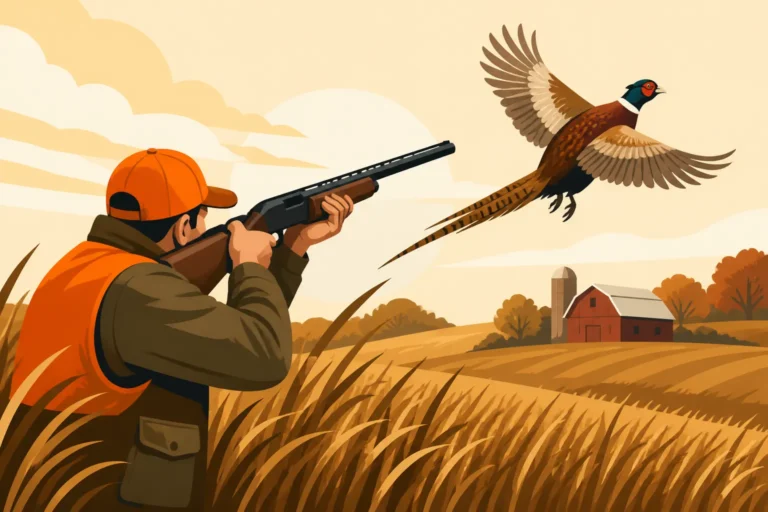
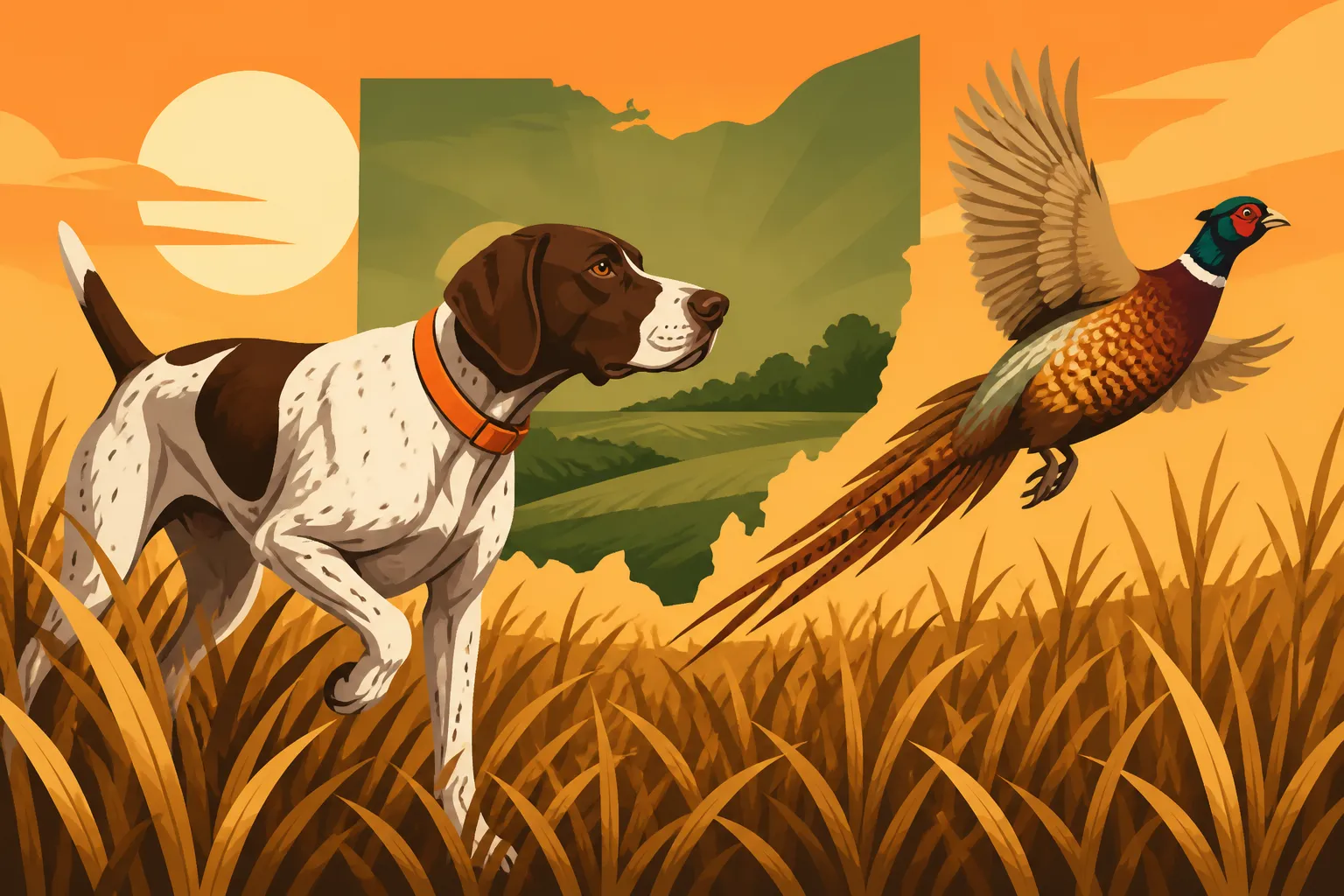
There's nothing quite like the electrifying sight of a pointing dog locking up, nose twitching, rigid with purpose on a pheasant. For many Ohio upland hunters, however, finding those wily wild pheasants can feel like chasing a ghost, making the pursuit with a pointing dog both a passion and a perplexing challenge. This comprehensive guide is designed to help you navigate Ohio's unique pheasant hunting landscape, equipping you with the knowledge and tactics to effectively run your pointing dog, maximize your chances, and celebrate those hard-earned flushes and retrieves.
Understanding Ohio's Pheasant Landscape for Pointing Dogs
Let's be real: Ohio isn't the pheasant mecca it once was. The glory days of abundant wild birds across vast swaths of the state are largely in the rearview mirror. But that doesn't mean the dream of a classic pheasant hunt with a pointing dog is dead – it just means you need to be more strategic, and your dog needs to be more adept. Understanding the current reality of the pheasant population and their preferred habitats is your first step to success.
The Reality of Ohio's Wild Pheasant Populations
When we talk about hunting pheasants in Ohio, it's crucial to distinguish between wild birds and those released on public hunting areas. While the Ohio Division of Wildlife does an admirable job with its pheasant stocking program, particularly on specific wildlife areas, the true challenge and reward for a pointing dog hunter often lies in finding residual wild birds. These wild populations are typically scattered and localized, clinging to specific pockets of undisturbed habitat. Their numbers have unfortunately declined significantly over the decades due to habitat loss from changing agricultural practices and increased development.
This decline means you can't just drive down any rural road and expect to find robust coveys. Instead, you're looking for needle-in-a-haystack situations, often on private lands where conservation efforts or less intensive farming practices create suitable cover, or in specific public areas known to hold small, persistent populations. Your dog, therefore, needs to be well-conditioned for covering a lot of ground, using its nose to discern the faintest scent, and maintaining focus even when birds are sparse. The pursuit becomes less about volume and more about the quality of the individual bird encounters, making each point and flush all the more precious.
Prime Habitats and Cover Types for Pheasant Hunting
Ohio pheasants, especially the wild ones, are creatures of specific cover. They need dense, protective vegetation for nesting, roosting, and escape from predators and harsh weather. Your pointing dog will be working through these various cover types, and understanding them helps you direct your dog effectively and anticipate where birds might be holding.
- CRP (Conservation Reserve Program) Fields: These government-subsidized fields are often planted with native grasses and wildflowers, creating ideal dense cover. Pheasants love them for roosting, nesting, and loafing. When hunting these, expect your dog to work hard, pushing through thick tangles. The birds here can be tough to flush, holding tight, which is perfect for a staunch pointer.
- Fencerows and Ditch Lines: Even in heavily farmed areas, these linear strips of cover can be goldmines. They act as travel corridors and thermal cover, especially during colder months. Pheasant Hunting a Northwest Ohio Ditch Line is a classic scenario, where a pointing dog can methodically work its way down these narrow strips, scenting birds that are hugging the edge. Be ready for quick flushes as birds often sprint ahead of the dog before bursting into the air.
- Standing Corn and Cut Crop Fields: While standing corn offers fantastic security, hunting it effectively with a pointing dog can be a maze-like challenge. Pheasants will run endlessly in standing corn, testing your dog's ability to pin them. Cut cornfields, however, can be excellent, especially if there are unharvested strips or weedy patches nearby, offering residual cover and waste grain.
- Brush Piles and Woodlot Edges: Don't overlook the edges of small woodlots or substantial brush piles near fields. Pheasants will often seek refuge here, especially in areas with heavier Hunting Pressure on Ohio Public Land. Your dog might be accustomed to open fields, but training it to investigate denser edges can pay dividends.
- Wetlands and Marshes: While more often associated with waterfowl, the upland edges of marshes or wet ditches with cattails can hold pheasants, especially in late season when other cover has been cut or flattened by snow. These areas require a dog that's not afraid to get wet and push through dense, often muddy, vegetation.
Understanding these cover types helps you plan your hunt. When you're scouting Ohio Public Land Before Season, or using mapping tools like GoHunt, look for the confluence of these habitat elements. A CRP field bordered by a thick fencerow and a standing cornfield is pheasant paradise, and exactly where your pointing dog is most likely to shine.
Training and Preparing Your Pointing Dog for Ohio Pheasants
A good pointing dog isn't born; it's made through consistent training and exposure. For Ohio pheasants, your dog needs specific skills to handle the unique challenges of scattered birds, varied cover, and sometimes wary roosters. This isn't just about pointing; it's about making your dog an effective partner in the field.
Essential Commands and Steadiness in the Field
At the heart of any successful pointing dog operation are rock-solid obedience and absolute steadiness. You need a dog that will respond instantly to your commands, no matter the excitement of the moment.
- Whoa/Hup: This is the cornerstone. Your dog must freeze on command, whether it's scenting a bird, watching a bird flush, or simply stopping to let you catch up. Practice this tirelessly with pigeons or planted pheasants. The goal is for your dog to be "steady to wing and shot," meaning it holds its point even as the bird flushes and you shoot. This is paramount for safety and for allowing you to make a clean shot. A dog that busts birds or chases after the shot is dangerous and ineffective.
- Heel and Here: Navigating dense fencerows or working along property lines requires your dog to stay close and listen. A reliable "heel" command keeps your dog from running too far afield, especially in areas with potential road hazards or property boundaries. "Here" is critical for calling your dog back to you quickly if it gets out of range or into trouble. These commands are essential for maintaining control and ensuring the safety of your dog and other hunters.
- Retrieve: While not directly related to the point, a reliable retrieve is crucial for recovering downed birds, especially in thick cover. Pheasants are tough birds, and a wounded one can run a long way. Your dog should be trained to quickly retrieve the bird to hand, ensuring no game is wasted. This also prevents your dog from eating or damaging the bird, preserving it for the table.
Steadying your dog to wing and shot takes patience and repetition. Start in controlled environments, gradually introducing more distractions and real bird scenarios. Remember, a pointing dog's job is to find and point, allowing you to flush and shoot. If the dog is breaking point or chasing, you lose control of the shot opportunity and risk a dangerous situation. Using an E-Collar Use on Public Ground can be a valuable tool in reinforcing these commands, but it should always be used as a communication aid, not a punishment device.
Acclimatizing Your Dog to Ohio's Diverse Cover
Ohio's pheasant habitats, as we've discussed, are diverse. Your dog needs to be comfortable and efficient working through everything from short grass to thorny multiflora rose bushes and standing corn. This isn't just about physical conditioning; it's about mental preparedness and learning how to effectively scent in different environments.
- Exposure to Varied Terrain: Don't just train in open fields. Seek out diverse cover during the off-season. Take your dog on walks through dense woods, tall grass, and areas with thick brush. This helps build their confidence and stamina for pushing through challenging vegetation. It also teaches them how scent behaves differently in various cover types – sometimes birds will hold tighter in heavy cover, other times they'll run more.
- Building Stamina: Pheasant hunting in Ohio often involves covering significant ground. Your dog needs to be in peak physical condition to hunt hard all day. Regular exercise, beyond just backyard play, is essential. Long runs, swimming, and working drills in varied terrain will build the necessary endurance. Remember that an out-of-shape dog will tire quickly, losing its drive and ability to hold a strong point.
- Weather Acclimation: Ohio weather can be notoriously unpredictable, especially during small game seasons. Your dog needs to be accustomed to working in cold, wet, or even snowy conditions. Short training sessions in adverse weather can help, along with ensuring they have proper protection (like a good dog vest) when hunting. Always be mindful of extreme temperatures; dogs can overheat or get frostbite just like humans.
When you're out there, observe how your dog works different cover. Does it slow down in thick stuff? Does it hesitate near water? Address these tendencies during training. A well-acclimatized dog will work methodically and confidently, whether it's in a dense CRP field or a thorny fencerow, giving you the best chance at finding those elusive Ohio pheasants.
Field Tactics for Running Pointing Dogs on Ohio Pheasants
Once your dog is trained and conditioned, it's time to put those skills to the test. Effective field tactics for Running Pointing Dogs on Ohio Pheasants involve a blend of reading your dog, understanding the terrain, and working strategically to put birds in the air where you can get a shot.
Working the Wind and Reading Dog Body Language
The wind is your best friend when hunting with a pointing dog. Pheasants rely heavily on scent, and your dog relies on picking up that scent. Always try to hunt into or across the wind. This allows your dog's sensitive nose to catch the pheasant's scent cone more effectively, giving them a better chance to locate and pin the bird.
- Into the Wind: This is generally preferred. Scent travels directly back to your dog, giving them a clear path to the bird. It also causes the bird to hold tighter, as it's harder for them to smell danger approaching from the downwind side.
- Across the Wind: This is also effective, especially when working wide fields. Your dog can zig-zag, picking up scent as they quarter back and forth, allowing them to cover more ground efficiently.
- Downwind: Avoid hunting directly downwind if possible. Your dog will struggle to pick up scent, and birds will be much more likely to detect your approach and flush wild, far out of range.
Beyond the wind, paying close attention to your dog's body language is paramount. Your dog is communicating with you constantly, telling you where the bird is and what it's doing.
- Sudden Change in Pace: A dog that suddenly slows down, gets birdy, or changes its gait is on scent.
- Head Position: If their head drops, and they start quartering more intensely, they are actively working a hot scent trail.
- Tail Action: A stiffening tail, or a tail that starts to "flag" (a rapid wagging motion), indicates a very hot scent.
- The Point: Of course, the classic point – body rigid, nose aimed directly at the bird. Learn to distinguish a "soft point" (where the dog is uncertain or the bird is moving) from a "hard point" (where the bird is pinned).
When your dog goes on point, approach cautiously but deliberately. Often, a pheasant will try to run ahead of the dog. Watch for your dog to adjust its point, or even creep forward (a "roadie"), indicating the bird is moving. Get ready for the flush; these birds can explode out of cover with surprising speed. Using mapping apps like GoHunt can help you track your dog's movements, especially in dense cover, ensuring you stay in a good position to back up its point.
Handling Flushes and Follow-Up Shots
The moment of truth: the flush! This is where teamwork between you and your pointing dog truly pays off. When your dog goes on point, your job is to prepare for the shot.
- The Approach: Walk in confidently, usually from the side or slightly behind your dog, keeping your shotgun ready. Be aware of your surroundings, especially if you're hunting with a partner. Communicate clearly if you're working a multi-hunter scenario.
- Flushing the Bird: Sometimes the pheasant will flush naturally as you approach. Other times, you may need to kick the cover around your dog to encourage it to fly. Be patient, as some roosters will hold incredibly tight, relying on their camouflage.
- The Shot: When the bird flushes, focus, mount your gun smoothly, swing, and shoot. Pheasants are strong flyers, and you'll want to aim for a clean kill. Your shotgun choice matters here; an Upland Guns for Fencerow Cover like a 12 or 20 gauge with a modified or improved cylinder choke is often ideal for Ohio's typical pheasant ranges. Make sure you are using appropriate Shot Size for Squirrel and Rabbit, typically #4 to #6 shot for pheasants, and be aware of Ohio's small game and upland bird seasons.
- The Retrieve: If you make a clean shot and the bird falls, command your dog to retrieve. Remember, your dog should be steady to the shot, not breaking point until you release it. This prevents the dog from running wild and potentially disturbing other birds. If the bird is winged and runs, let your dog track it. This is where a good retriever truly shines, turning what might be a lost bird into a successfully recovered meal.
- Marking the Fall: Always try to mark where the bird falls. Even with a good retriever, knowing the general area greatly speeds up the recovery, especially in thick cover. Look for a landmark tree, a distinct bush, or use your GPS on a GoHunt app to mark the spot.
By working cohesively with your pointing dog, respecting the bird's instincts, and executing a clean shot, you turn a complex hunting scenario into a smooth, rewarding experience.
Gear and Safety Considerations for You and Your Dog
Successful and safe pheasant hunting with a pointing dog requires the right gear for both you and your canine companion, along with a keen awareness of safety in the field. Don't skimp on essentials; they can make or break your hunt.
Essential Gear for Hunter and Dog
Having the right equipment ensures comfort, safety, and efficiency.
| Gear Item | Hunter's Use | Dog's Use | Notes |
|---|---|---|---|
| Shotgun | 12 or 20 gauge, appropriate choke (Modified/Improved Cylinder) | N/A | Reliable and patterned for pheasant loads. |
| Ammunition | #4 to #6 shot, non-toxic where required (e.g., some public lands) | N/A | Carry enough for the day, and practice shooting. |
| Blaze Orange/Pink | Vest, hat, or full outerwear | Vest or collar | Required for safety during certain seasons in Ohio. |
| Hunting License | Ohio Resident Hunting License Cost, Migratory Bird Stamp (HIP) | N/A | Always carry proof of current license and permits. |
| Upland Vest/Pack | Carries shells, water, snacks, first aid, downed birds | N/A | Distributes weight, offers easy access to essentials. |
| Boots | Sturdy, waterproof, comfortable for long walks | N/A | Protection from thorns, mud, and uneven terrain. |
| Brush Pants/Chaps | Protection from briars, thorns, and wet cover | N/A | Prevents painful scratches and keeps legs dry. |
| Dog Collar/GPS | N/A | Robust collar, GPS tracker (like those compatible with GoHunt) | Crucial for tracking your dog in dense cover and ensuring safety. |
| Dog Vest | N/A | Brightly colored (orange), protective from thorns, visibility | Prevents cuts, keeps dog warm, increases visibility to hunters. |
| First-Aid Kit | For both human and dog injuries | Specific dog-friendly items (paw salve, antiseptic, wraps, tweezers) | Essential for immediate care in the field. |
| Water | For both hunter and dog | Water bottle/collapsible bowl for dog | Hydration is crucial, especially on warm days. |
When choosing a dog vest, opt for something durable and bright. This not only protects your dog from sharp stubble and thorns but also makes them highly visible to you and any other hunters in the area. Remember, wearing the proper amount of Ohio Blaze Orange Requirements is not just good practice, it's often legally mandated during certain hunting seasons for everyone's safety.
Health and Safety in the Ohio Uplands
The safety of both you and your dog should always be your top priority. Hunting pheasants in Ohio's diverse landscape can present various hazards.
- Hunter Safety: Always follow basic gun safety rules: treat every gun as loaded, never point a gun at anything you don't intend to shoot, keep your finger off the trigger until ready to fire, and be sure of your target and what's beyond it. Wearing blaze orange is critical. If hunting with others, maintain safe shooting lanes and communicate constantly. Make sure you meet the Ohio Hunter Education Requirements.
- Dog Safety:
- Overheating/Hypothermia: Monitor your dog closely. In warm weather, take frequent water breaks and watch for signs of overheating (excessive panting, lethargy). In cold, wet conditions, watch for shivering or signs of hypothermia. Bring a towel to dry them off and a vest for warmth.
- Injuries: Ohio's cover can be rough. Inspect your dog's paws regularly for cuts, thorns, or burrs. Carry a paw salve or bootie if needed. Be aware of potential encounters with wildlife like coyotes, especially when Hunting Coyote and Predator in Ohio, or even other dogs.
- Hydration and Nutrition: Pack plenty of water for your dog. A high-quality diet and proper hydration are crucial for maintaining their energy and health during strenuous hunts.
- Ticks and Pests: After every hunt, thoroughly check your dog for ticks, especially in grassy or brushy areas. Ohio is home to various tick species that can transmit diseases.
- Roads and Boundaries: Always be mindful of roads, private property lines, and other hazards. A GPS collar is an invaluable tool for keeping track of your dog's location and ensuring they stay within safe and legal hunting areas.
By preparing thoroughly with the right gear and prioritizing safety, you'll ensure that your pheasant hunting adventures with your pointing dog in Ohio are not only successful but also safe and enjoyable for both of you. The bond forged over challenging hunts and thrilling retrieves is a unique reward that makes all the preparation worthwhile.
Disclaimer
Always consult the current Ohio Department of Natural Resources hunting regulations for specific season dates, bag limits, licensing requirements, and any other rules that apply to pheasant hunting in Ohio. Hunting laws and regulations can change, and it is the hunter's responsibility to stay informed.