Blood Trailing After Dark in Ohio
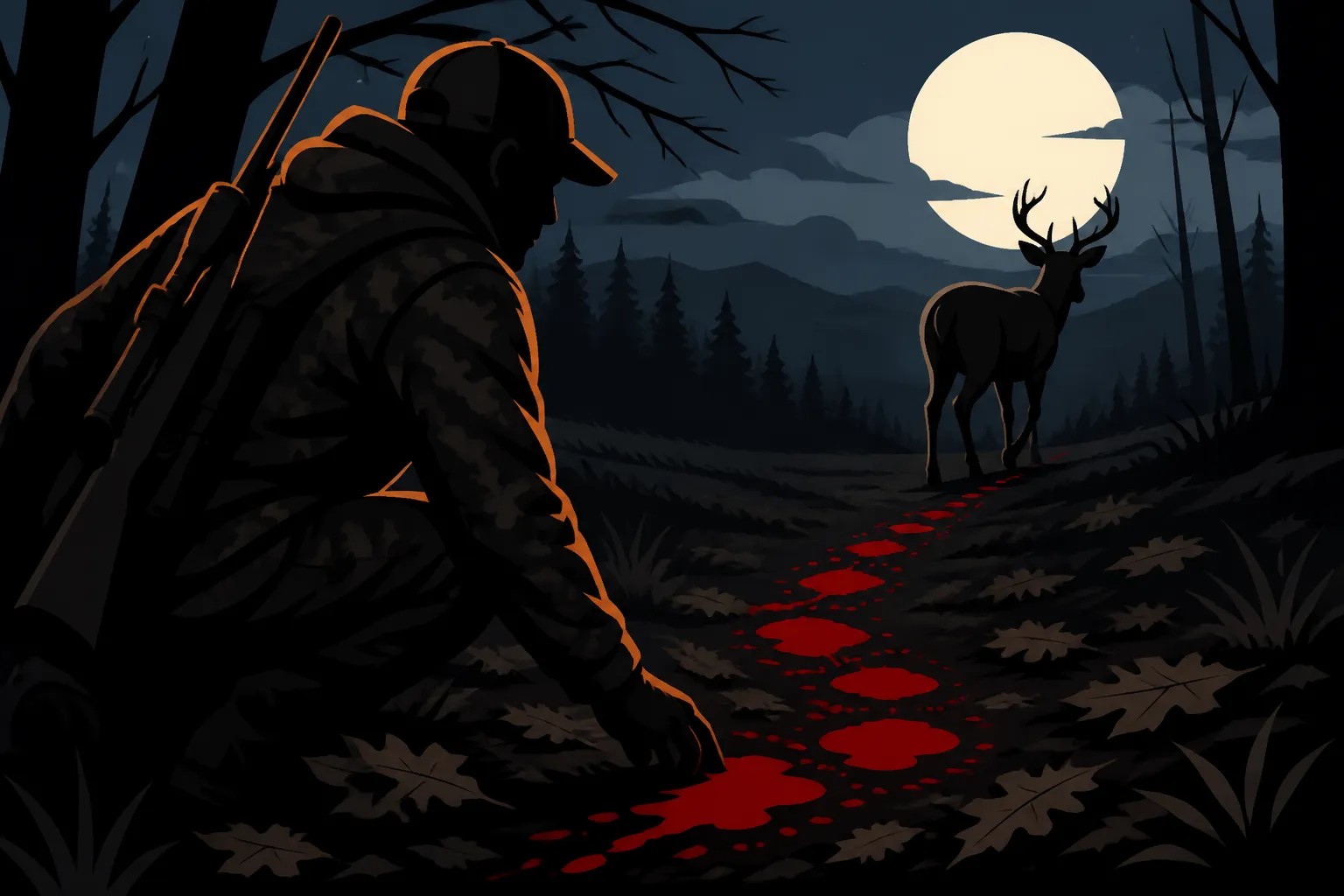
There’s nothing quite like the rush of an Ohio whitetail hunt, but that euphoria can quickly turn to gut-wrenching dread when you make a shot, and the deer runs off, leaving a sparse or vanishing blood trail as dusk deepens into full darkness. It's a common, frustrating scenario many hunters face, leaving us feeling lost and anxious about recovering our game. This guide is here to walk you through the difficult but often necessary process of blood trailing after dark in Ohio, focusing on effective techniques, essential gear, and crucial decision-making to help you find your deer.
The Heart-Stopping Reality of a Lost Night Trail
That feeling when the sun dips below the horizon, and you're still on a faint blood trail, or worse, have lost it entirely, is enough to make any hunter's heart sink into their boots. We've all been there, pushing against the fading light, trying to discern that last speck of crimson on a leaf or a disturbed patch of moss. The pressure to find the deer you've worked so hard for is immense, and the thought of leaving it overnight, especially with fluctuating temperatures or predator activity, is agonizing. But rushing in blindly can often do more harm than good, especially when you're dealing with challenging Ohio terrain, from the thick cover of the Appalachian foothills to the sprawling fields of the northwest. Understanding when to push on, and when to pause, is a critical part of the hunting experience.
Why Darkness Adds a Layer of Difficulty
Even a good blood trail during the day can seem to vanish into thin air once the light fades. Shadows play tricks on your eyes, familiar landmarks disappear, and the sense of direction can become disorienting, particularly in dense timber or uneven terrain. You might find yourself circling, second-guessing every step, and feeling the cold grip of anxiety. The sheer volume of visual information you rely on during the day—the subtle bend of a broken sapling, the faint scuff of a hoof in soft dirt—becomes nearly impossible to detect without adequate illumination. Plus, the sounds of the night woods, from rustling leaves to distant coyote calls, can amplify the stress, making it hard to concentrate on the task at hand. This is precisely why a well-thought-out plan and the right gear are non-negotiable for night trailing.
The Ethical Imperative to Recover Your Game
Beyond the personal disappointment, there's a deep ethical responsibility to recover any animal you shoot. As hunters, we owe it to the game we pursue to ensure a quick and humane harvest, and if the initial shot doesn't achieve that, we're obligated to do everything within our power to find and retrieve it. This commitment often means putting in extra hours, sacrificing sleep, and enduring tough conditions. It's not just about filling the freezer; it's about respecting the animal and the privilege of the hunt. Abandoning a deer you’ve hit, especially one that could still be alive or is easily recoverable, is simply not an option for a responsible hunter. This is where dedicated night trailing becomes less of a choice and more of a duty, requiring patience, persistence, and proper technique.
Assembling Your Night Trailing Arsenal
You wouldn't head into the woods without your rifle or bow, and you shouldn't head out on a blood trail after dark without a specific set of tools designed for the job. Having the right gear isn't just about convenience; it's about safety, efficiency, and increasing your chances of a successful recovery. Thinking ahead and preparing your "trailing kit" can make all the difference when those critical minutes after a shot turn into hours in the dark.
Lighting Solutions for Enhanced Visibility
When it comes to night trailing, light is your absolute best friend. But not all lights are created equal, and often, a combination of sources works best.
- Powerful Headlamps: This is non-negotiable. A bright LED headlamp, ideally with adjustable settings and a wide flood beam, frees up your hands for marking the trail, navigating obstacles, or even carrying your weapon. Look for models with at least 500 lumens, and always carry spare batteries or a fully charged power bank. Brands like Coast or Fenix offer reliable options that can withstand the rigors of an Ohio hunt.
- Handheld Spotlights/Lanterns: A powerful handheld spotlight can cut through the darkness over longer distances, helping you scan ahead for sign. A small, portable lantern can also be useful for illuminating a small area when you're stopped, allowing you and your trailing partners to gather around a piece of sign without everyone having to point their headlamp at the same spot.
- Specialty Blood Lights (UV/Blue Lights): These lights claim to make blood fluoresce or stand out more prominently. While they can sometimes be helpful, particularly on certain types of foliage or against specific backgrounds, they are often overhyped. Realistically, fresh blood is already dark red or maroon, and a good, bright white LED light usually illuminates it just as well, if not better, by simply providing maximum contrast. Don't rely solely on these; always back them up with a strong white light.
- Emergency Backup Lights: A small, reliable flashlight tucked into your pack or pocket can be a lifesaver if your primary headlamp fails. Two is one, and one is none, as the saying goes.
Navigation and Marking Tools
Keeping track of your path and marking the trail is paramount, especially when you're likely to be moving slowly and erratically in unfamiliar darkness.
- GPS Devices or Smartphone Apps: A dedicated GPS unit or a robust hunting app on your smartphone, like GoHunt, is invaluable. Before you even head out to hunt, make sure you're familiar with how to use your chosen navigation tool to mark your shot location and your last known blood sign. The ability to drop pins and track your route means you can always find your way back to your vehicle or camp, and accurately resume a lost trail in the morning if needed. GoHunt, for example, allows you to save waypoints and track your path, which is critical when you’re going back and forth over the same ground. This is especially useful when you're exploring deep into areas like the Wayne National Forest Hunting grounds or Shawnee State Forest Hunting.
- Reflective Tape or Biodegradable Flagging: This is how you'll mark the blood trail as you go. Reflective tacks or strips are fantastic for night use, as they brightly reflect your headlamp beam, showing you the direction of travel even from a distance. Biodegradable toilet paper or surveyor's flagging tape works too, but remember to remove it on your way out to leave no trace. Mark every piece of significant sign—a pool of blood, a section of disturbed earth, a broken branch—so you can easily pick up the trail from the last known point.
- Compass: Even with GPS, a traditional compass is a smart backup, especially if you lose signal or your battery dies. Knowing how to Reading Aerial Photos for Southeast Ohio Deer and understanding basic navigation can keep you from getting seriously lost.
Safety and Comfort Gear
You're already stressed, tired, and probably cold. Don't let a lack of basic safety and comfort items turn a difficult situation into a dangerous one.
- First Aid Kit: A compact but comprehensive first aid kit is crucial. Stumbling in the dark, especially through briars or over uneven ground, can lead to scrapes, cuts, or worse. Ensure it includes bandages, antiseptic wipes, pain relievers, and any personal medications. It's a key item for anyone going Scouting Ohio Public Land Before Season or spending extended time in remote areas. Consider packing a more robust version specifically for deep woods trips, like what you’d need for First Aid Kits for Remote Wayne Forest Ground.
- Extra Layers: Even if the evening starts mild, temperatures can plummet quickly in Ohio once the sun sets, especially in the late fall or winter. A lightweight, packable jacket, an extra hat, and gloves can prevent hypothermia and allow you to focus on the trail, not your shivering. Dressing in Clothing for an Ohio Late Season layers is always smart.
- Water and Snacks: Dehydration and low blood sugar can impair judgment. Bring a bottle of water and a few high-energy snacks like granola bars or nuts.
- Hunting Buddy/Dogs: If possible, always try to blood trail with a partner. Two sets of eyes are infinitely better than one, and you can cover more ground and discuss possibilities. For difficult trails, especially if a shot was marginal, consider calling in a licensed trailing dog. Ohio has several excellent dog handlers who specialize in deer recovery, and their success rate can be astounding, significantly increasing your chances of Recovering a Deer From a Steep Ravine or through dense cover.
Here’s a quick overview of lighting options:
| Light Type | Pros | Cons | Best Use Case |
|---|---|---|---|
| High-Lumen Headlamp | Hands-free, consistent illumination, wide beam. | Battery drain with high output. | Primary light source for active trailing. |
| Handheld Spotlight | Powerful beam, illuminates distant areas. | Takes a hand, can be bulky. | Scanning ahead, confirming distant sign. |
| UV/Blue Light | Can enhance blood visibility in specific situations. | Often overhyped, not effective on all surfaces/ages of blood, requires dedicated batteries. | Secondary, experimental use; not a primary tool. |
| Portable Lantern | Area illumination for group discussions. | Less focused, limited range. | At a pause point to analyze sign with partners. |
| Emergency Flashlight | Compact, reliable backup. | Limited power/range compared to primary lights. | Backup for primary light failure. |
Mastering the Art of Night Trailing in Ohio
Alright, you've got your gear, the sun is down, and the deer is out there. This is where the real work begins. Night trailing demands a systematic approach, patience, and a keen eye for subtle details that go beyond just bright red blood. Remember, the goal is not to push the deer further but to locate it quickly and humanely.
The Initial Approach and Gathering Clues
Before you even step into the woods, take a moment to collect yourself. Replay the shot in your mind. Where did the deer stand? Which way did it run? What was its reaction? Did you hear a crash? This immediate information is critical.
- Mark the Shot Site: Immediately mark where you were standing when you took the shot and where the deer was standing. This establishes a baseline and helps determine the angle of entry and potential exit. A quick drop of a pin on your GoHunt app or a piece of reflective tape on a nearby tree is perfect.
- Go Slow, Go Methodical: The biggest mistake hunters make is rushing. This is not a race. Give the deer time if you believe it was a marginal hit. If it was a good, solid hit, still approach slowly and deliberately. When you start at the last known blood sign, move only a few feet at a time, sweeping your light back and forth. You're looking for blood, yes, but also disturbed leaves, broken twigs, scuffed earth, or even the smell of deer. Sometimes, even if you’re Hunting After a Poor Acorn Year, the ground beneath an oak might still be soft enough to reveal tracks.
- Working a Grid Search: When the visible blood trail disappears, don't panic. Expand your search. Imagine a grid pattern around the last confirmed sign. Walk in ever-widening circles or squares, meticulously inspecting every foot of ground. If you have a partner, have one person stay at the last sign while the other searches. This technique is invaluable when the sign is sparse or the deer has changed direction unexpectedly. This methodical approach is especially useful in open areas, such as when Hunting Northwest Ohio Farmland Deer where deer might cross a field quickly.
Deciphering the Sign Beyond Blood
Blood is the primary indicator, but it’s rarely the only one. Learning to read other signs is crucial for effective trailing, especially when the blood dries up or gets washed away.
- Color and Consistency of Blood: This offers vital clues about the shot placement.
- Bright Red, Frothy Blood: Often indicates a lung hit. This is generally a good sign, and the deer likely won't be far.
- Dark Red Blood, Chunky: Can indicate a liver or muscle hit. Liver hits are fatal but can take longer, while muscle hits are less certain.
- Bright Red, Watery Blood: Often a superficial hit.
- Green or Brown Matter with Blood: Stomach or gut shot. This is a tough one, and it's almost always best to back out immediately and return in 6-12 hours. Pushing a gut-shot deer will only make it run further and harder, making recovery much more difficult.
- Hair: Look for hair at the shot site. Long, coarse, dark hair usually indicates a hit further back on the body. Shorter, finer, light-colored hair is often from the brisket or leg. This can corroborate your initial assessment of the shot.
- Tracks and Scrapes: Deer hooves can leave subtle marks, especially in soft soil or leaf litter. Look for scuffs, slides, or deeper imprints that indicate the animal was running hard or stumbling. In areas with dense undergrowth, like the Hunting Southeast Ohio Appalachian Foothills, broken branches or rubbed-off bark can also point the way.
- The Smell of Deer: Don't underestimate your nose! A freshly deceased deer, or one that's been severely injured, can emit a distinct musky odor. As you get closer, you might pick up on this scent.
Working with a Trailing Team
Even if you go into the woods alone, don't be afraid to call for help. A fresh set of eyes, or several, can make a monumental difference.
- Designated Roles: If you have multiple people, assign roles. One person leads the trail, meticulously scanning for sign. Another marks the trail with flagging. A third can be on "flank" duty, sweeping wider to look for the deer itself or a broader path of disturbance. Communication is key.
- Maintain Spacing: Don't crowd the lead tracker. Keep enough distance so everyone can effectively use their light, but stay close enough to communicate without shouting. This also prevents you from destroying potential sign.
- Avoid Contamination: Once you find a spot of blood, everyone should avoid walking through it or near it. You don't want to accidentally erase crucial evidence.
What if the Trail Crosses a Boundary?
This is a scenario that causes immense stress. You're on a hot trail, and it leads straight to a "No Trespassing" sign. In Ohio, retrieving game from private land without permission is trespassing and illegal, regardless of whether you shot the animal on public land or your own property. Your best course of action is to immediately try to contact the landowner. Carry a printout of the county plat map (many counties have these available online) or use a mapping app like GoHunt that shows property boundaries and landowner information. Explain the situation calmly and respectfully. Most landowners, if approached properly, will grant permission, especially if you offer to show them the animal. Never, ever cross a property line without explicit permission; the potential legal ramifications, including Ohio Wildlife Violation Penalties, are severe and not worth it. If you're Knocking on Doors in Ohio Farm Country for permission, have this conversation before you hunt.
Knowing When to Hang It Up and Wait
This is perhaps the hardest decision a hunter will ever make on a blood trail: when to stop and let the deer go overnight. Every fiber of your being will scream at you to keep going, to find it, no matter what. But sometimes, pushing on is the worst thing you can do, especially if the deer is still alive and has a chance to bed down and expire.
Assessing the Shot and Deer's Reaction
Your decision to continue or pause should be heavily influenced by your initial assessment of the shot and the blood you're finding.
- Clear Vital Hit (Heart/Lungs): If you're seeing bright red, frothy blood, or large quantities of dark red blood, and the deer's reaction was indicative of a solid hit, the deer likely won't be far. A heart or double-lung shot usually means the animal expires within minutes, often within 100-200 yards. In these cases, a diligent night trail is warranted. You should typically find that deer relatively quickly.
- Marginal Hit (Muscle, Leg, Low Gut): If the blood is sparse, watery, or contains stomach contents, or if the deer's reaction wasn't a distinct "kick" or "buckle," you're likely dealing with a marginal hit. This is where patience becomes paramount.
- Gut Shot: If you confirm a gut shot (green or brown fecal matter mixed with blood), stop immediately. Mark the last sign and back out. Return in 6-12 hours, ideally at first light. A gut-shot deer needs time for the internal bleeding and infection to take its toll. Pushing it will cause it to run, making a recovery much less likely.
- Leg or Muscle Hit: These hits are tricky. The deer might survive, or it might eventually succumb to infection. If the blood trail is sporadic and the deer is clearly not mortally wounded, you might consider backing out for a few hours or until morning. The goal is to allow the deer to bed down and stiffen up.
Environmental Factors: Rain, Snow, and Predators
Ohio weather can be unpredictable, and environmental conditions can drastically affect your trailing efforts.
- Rain: This is the arch-nemesis of a blood trailer. Rain washes away blood quickly, turning a clear trail into an impossible task. If it starts to rain heavily, your best bet is often to mark your last known sign, estimate the direction of travel, and back out. Resume at first light, focusing on tracks and disturbed ground rather than blood. Sometimes, Tracking a Deer in Fresh Ohio Snow is actually easier than after a heavy rain.
- Snow: Fresh snow can be a blessing, providing a clear canvas for tracks and blood. However, falling snow can quickly cover a trail. If snow starts, follow the trail as fast and carefully as possible. If it becomes too difficult, back out and hope the snow stops, allowing you to resume on a clearer trail later.
- Predators: Ohio has a healthy population of coyotes, particularly in farming regions and public lands. The longer a deer lies unrecovered, the higher the chance of it being scavenged. This adds to the urgency, but it shouldn't override the need for patience with a gut-shot deer. If you're in an area known for high predator activity, this might factor into your decision to push a marginal trail or call in a dog faster. Be aware of Coyote and Predator Hunting in Ohio season dates and consider that the sounds of a struggling deer can attract them.
The Morning After: When to Resume
If you decide to back out, plan your next move meticulously.
- First Light: The absolute best time to resume a lost night trail is at first light. The rising sun can illuminate blood you missed in the dark, and your eyes will be fresh.
- Gather Reinforcements: If you're alone, use the time to call friends or family who can join you in the morning. More eyes dramatically increase your chances.
- Mental Preparation: Get some rest. The mental and physical fatigue of night trailing can lead to poor decisions. A clear head in the morning is invaluable.
- Strategic Approach: Review your GPS track from the previous night, pinpointing your last marked blood and the direction of travel. When you return, start at the last known sign and systematically expand your search from there. Consider where the deer might have bedded—thick cover, sheltered depressions, or near water sources. Think about Where Shawnee State Forest Bucks Bed might be, or common bedding areas on private land.
Remember, the decision to back out is a tough one, often feeling like defeat. But it's a decision rooted in ethics and pragmatism, ultimately giving you the best chance to recover your deer. Sometimes, it's the smartest move you can make.
Disclaimer
The information provided in this guide is for informational purposes only and is not a substitute for professional advice or proper hunter education. Always consult the most current Ohio hunting regulations and safety guidelines from the Ohio Department of Natural Resources (ODNR) before heading into the field. Hunting involves inherent risks; always prioritize safety for yourself and others.