Knocking on Doors in Ohio Farm Country
Finding quality hunting ground in Ohio can feel like an impossible task sometimes, especially when public land gets crowded and lease prices soar. Many hunters get discouraged, convinced that every good spot is already taken. But I'm here to tell you that some of the best opportunities are still out there, often just a polite conversation away. This guide is all about giving you the confidence and know-how to successfully knock on doors in Ohio farm country and gain access to those coveted private hunting lands.
The Art of the Knock: Why It Still Works in Ohio's Farmland
In today's fast-paced world, the idea of simply walking up to a stranger's door and asking for permission to hunt their land might seem old-fashioned, or even a little nerve-wracking. We're so used to digital interactions and structured processes that a direct, face-to-face request can feel incredibly alien. But trust me, in Ohio's rural areas, particularly around our rich agricultural lands, this traditional approach still holds immense power. It's a testament to the value of genuine human connection, and it often unlocks doors that no online map or forum ever could.
The Growing Challenge of Public Land Pressure
Let's be honest, hunting on public land in Ohio, while offering fantastic opportunities, often means dealing with significant pressure. Spots on places like Wayne National Forest Hunting or even our various Ohio Wildlife Areas can get absolutely hammered, especially during peak seasons like the Ohio Regular Gun Season First Weekend. You'll find countless trucks at trailheads, stands seemingly every hundred yards, and the constant worry of another hunter spooking your game. This pressure can make it incredibly difficult to pattern deer, set up undisturbed, or even just enjoy the peace of the outdoors. Private land, by contrast, often offers a much more serene and productive hunting experience, if you can only get access.
The Personal Touch: Building Trust and Rapport
What many hunters forget is that landowners, especially farmers, are often deeply invested in their property. It's not just land; it's their livelihood, their home, their heritage. A polite, well-mannered hunter who takes the time to introduce themselves personally is immediately a cut above someone who just shows up. The act of knocking on a door shows respect, initiative, and a willingness to engage. It allows you to build immediate rapport, answer questions, and alleviate any concerns they might have about strangers on their land. This personal connection is the foundation of trust, and trust is the golden key to long-term hunting access. It's about more than just getting a "yes" for one season; it's about potentially forging a relationship that lasts for years, giving you a consistent, low-pressure hunting spot.
Understanding the Landowner's Perspective
Most farmers aren't actively trying to keep all hunters off their land. In fact, many welcome responsible hunters for a variety of reasons. Deer can cause significant crop damage, especially to fields of corn and soybeans in areas like Hunting Northwest Ohio Farmland Deer. A hunter who can help manage deer populations might be seen as a valuable asset. Landowners also have concerns about liability, safety, and respect for their property. When you approach them, they're assessing if you're someone who will be careful, respect their boundaries, and not cause problems. They might have had bad experiences in the past with careless hunters, so your job is to demonstrate that you are different—a responsible, ethical sportsman who values their generosity and their land.
Preparation is Key: Before You Even Step Foot on the Driveway
You wouldn't go into the woods without your gear, right? Well, think of preparing to knock on a door as scouting your approach. It's about gathering information, getting your ducks in a row, and making sure you present yourself in the best possible light. A little homework and forethought can dramatically increase your chances of success.
Researching Potential Properties
Before you even think about driving down a gravel lane, do your research. Use online mapping tools—like the parcel viewer within the Ohio HuntFish App or services like GoHunt—to identify land ownership. Look for properties that have desirable habitat features, such as woodlots bordering crop fields, creek bottoms, or areas that seem to offer good travel corridors for deer. Pay attention to how the properties are laid out, where the houses are, and if there are obvious signs of no-trespassing.
I can't stress this enough: knowing who owns the land and a little about the area before you approach shows diligence and respect. For instance, if you're targeting specific game, say, for Ohio's Squirrel and Rabbit Populations, look for properties with mature timber or dense fencerows. Using the detailed mapping features on GoHunt can really help you pinpoint these promising areas and even visualize potential stand locations, giving you a more informed pitch when you talk to the landowner.
Your Appearance and Demeanor: Making a First Impression
This isn't a job interview, but it's close. How you present yourself can make or break your chances. Dress neatly and conservatively. You don't need to wear a suit, but don't show up in muddy hunting clothes, either. A clean pair of jeans, a presentable shirt, and a clean vehicle send a message of responsibility. Take off your hat when you approach the door. Make eye contact, smile, and speak clearly.
Your demeanor should be polite, humble, and respectful. Remember, you are asking for a favor. Avoid any sense of entitlement. If they seem busy or hesitant, offer to come back at a more convenient time. First impressions are everything, and a genuine, friendly, and respectful approach can disarm even the most wary landowner.
Crafting Your Pitch: What to Say and What to Offer
Have a clear, concise pitch ready. Introduce yourself, state why you're there, and be ready to answer questions. Here's a basic framework:
- Introduction: "Hello, my name is [Your Name]. I live in [Your Town], and I'm a responsible hunter."
- Purpose: "I noticed your property here has some really nice habitat, and I was wondering if you ever allow respectful hunters to access it for deer/turkey/small game."
- Reassurance: "I'm always very careful about safety, I respect property lines, and I'm happy to follow any rules you might have."
- Offer: "I'd be glad to help out with any chores, like clearing brush or helping with repairs, or even sharing some venison if I'm successful."
Be specific about what you're hunting (e.g., "I'm primarily interested in deer hunting during archery season" or "I'd love to try for some spring gobblers here during Ohio Spring Turkey Zones and Dates"). Many landowners appreciate hunters who can help thin the deer herd, especially if they’re getting crop damage. Consider offering to harvest does, particularly if they have an issue with too many deer. Knowing about Ohio Deer Management Permits can also be a talking point, as you can explain how you could help them with nuisance deer.
Understanding Ohio's Trespass and Permission Law
It's absolutely critical to understand the legalities surrounding hunting on private land in Ohio. Our state's Ohio Trespass and Permission Law is clear: you need written permission to hunt on private land. While a verbal "yes" might seem sufficient in the moment, having a signed permission slip protects both you and the landowner. This document should outline who is allowed to hunt, for what species, during which seasons, and any specific rules (e.g., no ATVs, specific parking areas, no hunting near the house). It’s not about distrust, but about clarity and legal protection for everyone involved. A brief, handwritten note explaining your intentions, perhaps mentioning your appreciation for their property as seen on GoHunt's satellite view, can be a great leave-behind if they're not available, but always aim for a direct conversation first.
The Conversation: What to Say, What to Ask, and How to Listen
This is the moment of truth. You’ve done your homework, you look presentable, and you have your pitch ready. Now it’s about engaging in a genuine conversation, showing respect, and being a good listener. Remember, it’s not just about getting what you want; it’s about understanding their needs and finding a mutually beneficial arrangement.
Approaching with Respect and Empathy
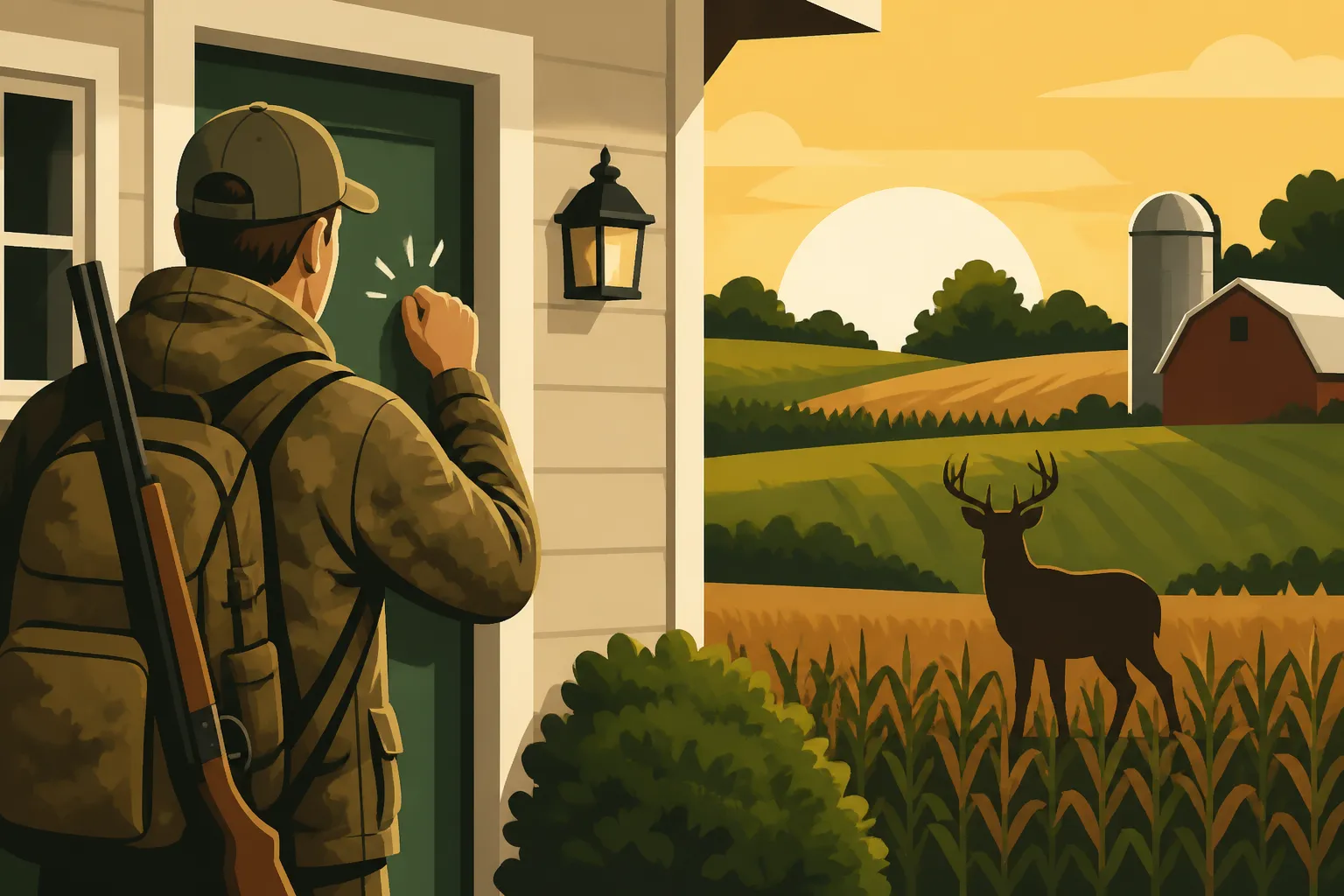
When you approach the door, make sure your vehicle is parked in a way that doesn't block their driveway or feel intrusive. Keep your approach calm and non-threatening. When they answer, take a step back to give them space. Start with a friendly greeting, introduce yourself, and then clearly state your purpose. "Good afternoon, my name is [Your Name], and I was hoping to speak with the landowner about a hunting opportunity." If they are busy, ask if there's a better time to talk, or if you could leave a note. Empathy is key here; put yourself in their shoes. They might be wary, busy, or have had negative experiences. Your calm, polite, and understanding demeanor can help diffuse any initial apprehension.
Specific Questions to Ask About Hunting Access
Once you've introduced yourself and made your request, be prepared to engage in a dialogue. Here are some key questions you might ask, or points you should be prepared to discuss:
- What kind of hunting are you interested in? (e.g., "I'm primarily an archery hunter, so I'd be looking for access during When Ohio's Archery Season Opens.")
- What are your specific concerns? (e.g., "Are there any areas you'd prefer I avoid, or livestock I need to be aware of?")
- Are there any areas that are off-limits, like near the house or outbuildings? This shows you're thinking about their safety and property.
- Do you have any specific rules about vehicle access, parking, or when I can be on the property? This demonstrates you're willing to adhere to their guidelines.
- Would you be interested in me helping to manage the deer population, perhaps by focusing on harvesting does? (This can be a strong selling point for farmers with crop damage).
- Who else hunts here, if anyone? This can help you understand potential pressure and avoid conflicts.
- Could I get your permission in writing, just to make sure we're both clear on the agreement? (Crucial for legal protection.)
Listen intently to their answers. Their responses will tell you a lot about their concerns and priorities.
Handling Rejection Gracefully
It won't always be a "yes," and that's okay. Many landowners have valid reasons for denying access: they might already have hunters, concerns about liability, past bad experiences, or simply prefer to keep their land private. If you get a "no," accept it graciously. Thank them for their time and move on. "I completely understand. Thank you for taking the time to talk with me. Have a good day." A polite exit leaves a positive impression, and you never know—circumstances might change in the future, or they might recommend you to a neighbor. Burning bridges achieves nothing. Even if a door closes, the experience of a polite interaction can build your confidence for the next one.
Getting It In Writing: The Importance of a Permission Slip
As mentioned earlier, once you get that coveted "yes," immediately follow up by requesting a written permission slip. You can even come prepared with a basic template. This isn't about mistrust; it's about clarity and protection for everyone involved. A good permission slip should include:
- The hunter's name and contact information.
- The landowner's name and contact information.
- A clear description of the property (address, parcel number, or a basic map).
- The specific dates or seasons for which permission is granted (e.g., "October 1st to February 4th for archery deer season").
- The species of game allowed.
- Any specific conditions or restrictions (e.g., "foot traffic only," "no hunting near the north pond," "call before arriving").
- Both parties' signatures and the date.
This document acts as a clear understanding and protects you legally should any questions arise regarding Ohio Trespass and Permission Law.
Key Information to Discuss with Landowners
| Aspect of Hunting Access | Hunter's Approach & Questions | Landowner's Potential Concerns & Rules |
|---|---|---|
| Species & Season | "I'm interested in deer/turkey during specific season, e.g., archery." | What are you hunting? When? (Hunting pressure, personal preferences) |
| Property Boundaries | "Are there any areas (e.g., near the house, livestock) I should avoid?" | Safety zones, privacy, livestock welfare, crop fields, sensitive areas |
| Access & Parking | "Where would be best to park? Can I drive on specific trails/roads?" | Preventing damage, blocking access, muddy tracks, designated areas |
| Safety Measures | "I'll always be aware of your home/buildings and wear appropriate blaze orange during gun season." | Hunter safety (for themselves, family, livestock), accidental discharge |
| Harvest & Reporting | "I'd be happy to share harvest details, especially if you're concerned about deer numbers." | Deer management, knowing what's being harvested, adhering to Ohio Deer Checking and Reporting Rules |
| Liability | "I understand the risks involved and am a safe hunter." | Potential for accidents, legal implications, insurance |
| General Conduct | "I'll leave no trace, won't litter, and respect your property as if it were my own." | Littering, property damage, gates left open, noise, poaching fears |
| Communication & Contact | "What's the best way to contact you if I'm coming out, or if there's an issue?" | Knowing who is on their land, emergency contact |
| Written Permission | "Could we put this in writing for clarity and protection for both of us?" | Legal proof, clear understanding of terms |
Nurturing the Relationship: Ensuring Future Hunting Opportunities
Getting permission once is a win, but building a lasting relationship is the ultimate goal. The way you conduct yourself after you've been granted access is just as important, if not more so, than how you asked for it. Think of yourself as a guest in their home, and behave accordingly. This long-term approach is what turns a one-time opportunity into a consistent, cherished hunting spot.
Respecting Boundaries and Following Through
Once you have permission, religiously adhere to all the rules and boundaries discussed. If the landowner said no ATVs, don't use one. If they asked you to park in a specific spot, park there every time. If they mentioned avoiding a particular woodlot where their grandkids play, stay far away from it. This shows them that you are a person of your word and that their concerns are your concerns.
Always notify them when you plan to hunt. A quick text or phone call, "Hey Mr./Ms. [Last Name], I was thinking of heading out to the north woodlot tomorrow morning, is that still okay?" goes a long way. It ensures you don't surprise them and gives them peace of mind. After you harvest a deer, for example, make sure you take care of the animal responsibly, such as Field Dressing a Deer in Cold Weather, and then notify them of your success. This shows respect and keeps them in the loop.
Offering Help Beyond Hunting Season
True appreciation extends beyond the hunting months. Farmers are busy people, and offering a helping hand, even for a few hours, can solidify your relationship. This could be anything from helping mend a fence, picking up fallen branches after a storm, or assisting with a small repair project. Even just asking, "Is there anything I can help you with around the farm this spring/summer?" shows you genuinely care about them and their property, not just what it offers you. This is where you transition from being "a hunter" to being "a trusted friend" who happens to hunt.
Small Gestures of Gratitude
Little things can make a huge difference. A holiday card, a gift basket at Christmas, or even sharing some of the game meat you harvest (if you're successful and they enjoy it) can go a long way. If you’re successful on their land, make sure to take them a nice cut of venison or some sausage. It's a tangible way to say thank you and reinforce the positive experience. Maintaining a good relationship, maybe even offering to share harvest data or help with light tasks, ensures that next year, you won't have to look too far beyond your existing GoHunt permissions. This mutual respect and appreciation will open doors for years to come, turning a simple knock into a valuable, long-term partnership in the field.
Disclaimer
Hunting carries inherent risks, and it is the responsibility of each individual hunter to understand and abide by all Ohio hunting regulations, safety protocols, and landowner agreements. This guide provides general information and recommendations and should not be considered a substitute for official legal advice or hunter education. Always prioritize safety, ethics, and respect for wildlife and private property.