Ohio Deer Management Permits
Understanding Ohio's deer hunting regulations can sometimes feel like trying to solve a complex puzzle, especially when you start digging into the different types of permits available. Many hunters, new and seasoned alike, often scratch their heads trying to figure out the nuances of deer management permits. This comprehensive guide is here to untangle that confusion, walking you through everything you need to know about Ohio's deer management permits, how they work, and how they can fit into your hunting strategy.
What Exactly Are Deer Management Permits?
Let's cut right to the chase: Ohio's Deer Management Permits (DMPs) are a crucial tool in the state's approach to maintaining a healthy, balanced deer population. Think of them as a specific type of tag designed to help manage the antlerless segment of the herd. They are distinct from your general "either-sex" or "antlered-only" deer permits, focusing solely on does and fawns.
Defining the Permit's Purpose
At its core, a Deer Management Permit is an antlerless-only tag. This means you can only use it to harvest a female deer (doe) or a fawn. The Ohio Department of Natural Resources (ODNR) uses DMPs as a primary mechanism to fine-tune deer populations at a more granular, county-specific level. When deer numbers in a particular area are high, and the ODNR determines that more antlerless harvest is needed to bring the population in line with habitat carrying capacity or reduce human-deer conflicts, DMPs become more readily available and often less expensive.
Unlike a standard deer permit that might allow you to harvest an antlered buck or an antlerless deer depending on the season and zone, DMPs are explicitly for antlerless animals. This distinction is vital for hunters planning their season, especially if they have a specific goal like filling the freezer with venison or helping a local landowner reduce herd numbers. It’s about being precise with our management efforts, ensuring we're not just taking any deer, but specifically targeting the female segment to control reproduction rates.
Historical Context and Evolution
Ohio's deer population has undergone quite a transformation over the decades. Back in the early 20th century, deer were virtually extirpated from the state. Through dedicated conservation efforts, including reintroductions and habitat management, the whitetail made an incredible comeback. By the late 20th and early 21st centuries, the pendulum had swung the other way, with robust deer populations sometimes leading to concerns about agricultural damage, forest regeneration, and deer-vehicle collisions, particularly in urban and suburban fringes.
The Deer Management Permit system evolved as a direct response to these burgeoning populations. Initially, bag limits were simpler, but as the ODNR gained more data and understanding of localized deer densities, a more flexible, surgical approach was needed. DMPs allowed the ODNR to empower hunters to be part of the solution, providing incentives (like lower costs or unlimited availability in certain counties) to harvest more does where they were most needed. This system allows for adaptability year to year, region to region, ensuring that management strategies can be tailored to current conditions rather than a one-size-fits-all approach that might not work across Ohio's diverse landscapes, from the rolling Appalachian foothills to the flat farmlands of the northwest.
The "Why" Behind Ohio's Deer Management Permit System
It's easy to just see a permit as another tag you need to buy, but understanding the philosophy behind Deer Management Permits helps you appreciate their role in sustainable hunting and wildlife conservation in Ohio. These permits aren't just about collecting fees; they're a vital part of a larger ecological and social management strategy.
Addressing Overpopulation and Crop Damage
One of the most significant drivers for the extensive use of DMPs is the issue of deer overpopulation and the resulting damage to agriculture. In many parts of Ohio, particularly the rich farming counties in regions like Northwest Ohio Farm Country, deer can decimate crops. Fields of corn, soybeans, and alfalfa represent a readily available food source, and large deer herds can inflict substantial economic losses on farmers. Imagine spending all spring planting, only to see entire sections of your fields browsed down to nothing by deer, especially during critical growth stages. That's a real frustration many landowners face.
Deer Management Permits give hunters the ability to target these problem deer, effectively helping landowners protect their livelihoods. By encouraging the harvest of antlerless deer, the ODNR aims to reduce overall population density in these agricultural hotspots. This not only alleviates immediate crop damage but also reduces future breeding potential. It's a pragmatic solution that leverages the hunting community to provide a public service, making hunters partners in land stewardship. This is also why securing access to private land often becomes easier if you offer to help manage the deer population by taking does.
Balancing Herd Health and Hunter Opportunity
Beyond crop damage, DMPs play a critical role in maintaining the overall health of the white-tailed deer herd. An overpopulated deer herd can quickly outstrip its habitat's carrying capacity, leading to poor nutrition, increased susceptibility to diseases like EHD (Epizootic Hemorrhagic Disease), and reduced fawn survival rates. A healthy herd has access to sufficient food resources, which in turn leads to stronger, healthier animals, including bucks with better antler development.
By encouraging the harvest of antlerless deer, DMPs help to bring the population into a more sustainable balance with the available habitat. This means individual deer have better access to forage, which translates to healthier deer and, yes, potentially larger-racked bucks in the long run. For hunters focused on quality deer management, understanding and utilizing DMPs is key. Furthermore, DMPs expand hunter opportunity. They allow hunters to harvest additional deer beyond their initial either-sex tag, providing more venison for the table and more time in the woods. This is especially true in counties where Deer Management Permits are unlimited, offering ample opportunity to experience a rewarding hunt.
How Deer Management Permits Differ from Regular Deer Permits
Navigating the permit system can be a bit tricky, as Ohio offers a few different types of deer tags. It’s vital to understand how Deer Management Permits stand apart from your general Ohio Deer Season Structure Explained permits to ensure you're compliant and maximizing your hunting potential.
Key Distinctions in Harvest and Cost
The most fundamental difference is what you can harvest with each permit. A regular deer permit in Ohio typically allows you to harvest one deer. Depending on the season and zone, this could be an antlered buck or an antlerless deer. For instance, during the statewide gun season, your regular permit is usually an either-sex tag.
A Deer Management Permit (DMP), however, is strictly for antlerless deer – a doe or a fawn. You cannot legally harvest an antlered buck with a DMP. This distinction is paramount. If you've already filled your buck tag with a regular permit and still want to hunt, a DMP is your avenue to continue pursuing venison without risking a violation.
Cost is another significant differentiator. While a standard Ohio Resident Hunting License Options and deer permit have a set price, DMPs are often more affordable. For Ohio residents, they can sometimes be a fraction of the cost of a regular permit. Nonresidents will find their Ohio Nonresident Hunting License Options and deer permits generally higher, but even for them, DMPs often present a more economical option for harvesting additional antlerless deer. Some counties may even offer unlimited DMPs, further encouraging their use for herd reduction. This tiered pricing and specific-use design incentivizes hunters to take additional does in areas where population control is most needed, acting as a bonus tag to help the state achieve its harvest objectives.
Seasonality and Application
The validity periods for DMPs also tend to be broader or more specific, depending on the management goals. While your regular deer permit might be valid for specific gun or muzzleloader seasons, DMPs often have extended validity throughout various portions of the deer season. For example, they are typically valid through the entire Ohio Archery Season Structure, the statewide gun seasons, and the Ohio Muzzleloader Season Structure in January.
This extended window provides immense flexibility for hunters. You might use your regular permit for an early-season buck hunt, and then switch to DMPs to fill the freezer later in the fall or during the cold January muzzleloader season. This flexibility is particularly useful for hunters who want to prolong their time afield or focus on specific hunting methods across different periods. It's not uncommon for hunters to use their regular tag early in the archery season for a trophy buck, and then spend the remainder of the season using DMPs to take does, contributing to population management and providing excellent table fare.
Who Can Use Deer Management Permits and When
One of the beauties of Ohio's Deer Management Permit system is its broad accessibility, allowing many hunters to participate in herd management. However, understanding the specific rules about eligibility and season validity is crucial to ensure a legal and successful hunt.
Eligibility and Permit Limits
Generally speaking, any hunter who possesses a valid Ohio hunting license is eligible to purchase Deer Management Permits. This includes both Ohio residents and non-residents, provided they have met all other licensing requirements, such as completing hunter education if applicable. The idea is to get as many hunters as possible involved in managing the deer herd.
The number of Deer Management Permits an individual hunter can purchase can vary. While there are state-level limits on the total number of antlered deer a hunter can take (usually one per season with a permit), the number of antlerless deer, particularly those taken with DMPs, is often more generous. Many counties in Ohio allow for the harvest of multiple antlerless deer with DMPs, and some even have unlimited antlerless permits, meaning you can purchase as many as you need to meet your personal hunting goals and contribute to local herd management. You can find detailed information on How Many Deer Permits an Ohio Hunter Can Buy directly from the ODNR's website or their annual hunting regulations digest. This is where tools like GoHunt become invaluable; they often aggregate this county-specific data, making it easier for you to plan your hunts based on permit availability and bag limits for different regions.
Specific Season Validity
Deer Management Permits are designed to be quite versatile, covering a wide array of hunting seasons to maximize harvest opportunities for antlerless deer. They are typically valid during:
- Archery Season: DMPs are usually valid throughout the entirety of Ohio's long archery season, which often stretches from late September through early February. This gives bowhunters ample time to use these permits.
- Youth Gun Season: During the special Hunting the Ohio Youth Gun Weekend, DMPs are typically valid, allowing young hunters to contribute to antlerless harvest.
- Statewide Gun Seasons: Both the first and second statewide gun deer hunting weekends usually allow the use of DMPs. This is a critical period for antlerless harvest due to the high number of hunters in the field.
- Muzzleloader Season: The late-season muzzleloader hunt, often in January, is another window where DMPs are commonly valid, providing an opportunity for Muzzleloader Tactics in January Cold and late-season venison acquisition.
- Specific Urban or Controlled Hunts: In some instances, DMPs might be specifically valid for urban deer hunts or controlled hunts aimed at intense population reduction in specific areas.
It's crucial to always consult the current year's Ohio Hunting and Trapping Regulations booklet or the ODNR website, as specific dates and county-level restrictions can change annually. For example, counties within Ohio's Chronic Wasting Disease Surveillance Area (DSA) might have additional requirements or special season structures, such as the Mandatory CWD Testing Windows in the DSA for harvested deer, even antlerless ones taken with a DMP.
Strategic Use of Deer Management Permits for Hunters
Deer Management Permits aren't just extra tags; they're strategic tools that can significantly enhance your hunting season. By understanding how to effectively deploy them, you can achieve both personal hunting goals and contribute positively to wildlife conservation.
Filling the Freezer
For many hunters, especially those new to the sport or those who prioritize wild game for their family's table, DMPs are an absolute godsend. Let's be honest, putting food on the table is a huge motivator for going afield, and venison is lean, healthy, and delicious. Unlike the pursuit of a specific trophy buck, which can be time-consuming and often unpredictable, harvesting a doe with a DMP offers a more consistent opportunity to secure high-quality meat.
Imagine you've spent weeks scouting, set up a perfect treestand in an Appalachian Ohio Hardwoods creek bottom, and passed on several smaller bucks hoping for a mature deer. Suddenly, mid-season, you get a break in the weather, and a group of three does feeds into your shooting lane. With a DMP in your pocket, you can ethically harvest one of those does, knowing you're providing for your family and helping manage the local herd, all without impacting your ability to pursue that elusive buck later. This makes DMPs perfect for hunters who want to ensure a steady supply of venison throughout the year, or those who want to practice their hunting skills without the pressure of an antlered tag. Consider utilizing a Filling an Antlerless Permit Late in Ohio strategy to capitalize on late-season food sources and less hunting pressure.
Influencing Local Deer Quality
Beyond the immediate benefit of venison, using Deer Management Permits strategically contributes directly to the long-term health and quality of the deer herd in your hunting area. By harvesting antlerless deer, especially mature does, you help reduce the overall population density. This reduction means less competition for food resources among the remaining deer.
When deer have ample access to nutritious forage, they are healthier. Fawns have better survival rates, and young bucks can put more energy into body growth and antler development, rather than just sustaining themselves in a crowded environment. If you consistently hunt a particular private tract or even a specific section of public land, strategically taking antlerless deer with DMPs can, over several seasons, lead to noticeable improvements in the average size and health of the deer you encounter. Tools like GoHunt, with its detailed mapping and harvest data overlays, can help hunters identify areas where antlerless harvest is most critical based on historical numbers, allowing you to focus your efforts where they'll have the biggest impact. This informed approach turns you into an active participant in quality deer management.
Supporting Landowner Relations
Perhaps one of the most powerful, yet often overlooked, strategic uses of Deer Management Permits is in fostering positive relationships with landowners. Many farmers and rural property owners view deer as a nuisance due to crop damage, garden raiding, or even damage to young trees in timber plots. When you approach a landowner asking for permission to hunt, offering to help reduce their deer problem by specifically targeting does with DMPs can be a huge selling point.
Instead of just asking to hunt, you're offering a service. This shifts the dynamic from simply wanting access to being a valued partner in land stewardship. A farmer might be hesitant to allow general deer hunting, but if you explain that you're focused on antlerless harvest to alleviate their crop damage issues, they are often much more receptive. This can open doors to private land hunting opportunities that might otherwise be unavailable. Over time, consistently demonstrating your commitment to responsible herd management can build trust, potentially securing you long-term access to prime hunting ground. This symbiotic relationship benefits both the hunter and the landowner, providing meat for your freezer and relief for their fields.
Acquiring Your Ohio Deer Management Permit
So, you're convinced that Deer Management Permits are a smart addition to your hunting arsenal. Great! Now, let's talk about the practical steps of getting your hands on one (or several) of these essential tags. It's a straightforward process, but knowing the ins and outs can save you time and frustration.
Purchase Methods and Cost
Acquiring an Ohio Deer Management Permit is designed to be relatively easy and accessible. The primary ways to purchase your permits are:
- Online via the Wild Ohio Customer Center: This is by far the most convenient method for many hunters. The Ohio Department of Natural Resources (ODNR) maintains an online portal where you can purchase your hunting license and any associated permits, including DMPs, from the comfort of your home. You'll need to create an account or log in if you already have one. The digital permit is then linked to your customer ID, and you can carry proof on your phone or print a physical copy.
- At an Authorized License Agent: Hundreds of bait shops, sporting goods stores, and various retailers across Ohio are authorized to sell hunting licenses and permits. This is a great option if you prefer an in-person transaction or need to pick up a permit on your way to the woods. You can usually find a list of authorized agents on the ODNR website.
- By Phone: For those who prefer speaking to a representative, the ODNR often provides a phone number for license and permit purchases.
When it comes to cost, DMPs are typically more affordable than an "either-sex" deer permit. For Ohio residents, a Deer Management Permit usually costs around $15-20, while for non-residents, it's generally in the $20-30 range. These prices are always subject to change by the ODNR, so it's crucial to check the current year's regulations for exact figures. The relatively low cost makes DMPs an attractive option for hunters looking to harvest additional antlerless deer without a significant financial outlay.
Important Deadlines and Availability
One of the great advantages of Deer Management Permits is their general availability throughout much of the deer season. Unlike some special draw tags or limited permits, DMPs are usually available for purchase from the start of the archery season and remain so through the end of the muzzleloader season in January. This means you don't typically have to worry about missing an application window or a strict deadline to acquire them for regular season hunting.
However, there are always nuances to be aware of:
- County-Specific Limits: While many counties have unlimited DMPs, some might have stricter limits depending on localized deer populations and management goals. Always check the current year's regulations booklet for county-specific information on Ohio Deer Management Permits.
- Special Hunt Permits: If you're participating in a controlled hunt on a state park or wildlife area, the permit acquisition process and deadlines might be entirely different and more restrictive. DMPs discussed here pertain to general statewide seasons.
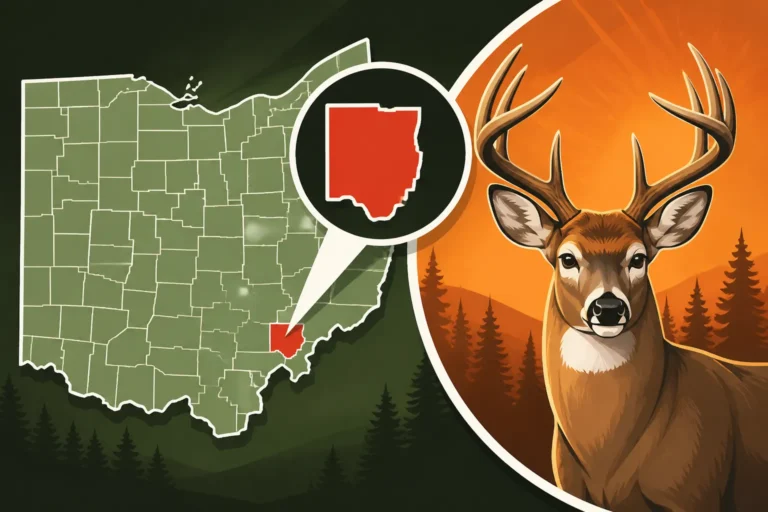
- Disease Surveillance Area (DSA): In counties designated as part of the DSA, such as Wyandot County, while DMPs are still available, hunters may face additional requirements like mandatory CWD testing. These specific rules should be understood before hunting in these areas.
Staying informed about the latest regulations is key. The ODNR website is your best friend, and annually reviewing the Ohio Hunting and Trapping Regulations digest will ensure you're always up to date. Programs like GoHunt also provide digital access to regulations and mapping features that can help keep you on top of any changes or specific area rules.
Reporting and Compliance with Deer Management Permits
Harvesting a deer with a Deer Management Permit is only half the battle; the other equally important half is ensuring you comply with all reporting and checking requirements. Ohio has a mandatory deer check-in system that applies to all harvested deer, regardless of the permit type. Adhering to these rules is not just about legality; it's essential for sound wildlife management.
Mandatory Deer Checking Procedures
Every deer harvested in Ohio, whether it's an antlered buck taken with your regular permit or an antlerless doe with a DMP, must be reported and checked in. This isn't just a suggestion; it's a legal requirement. The data collected from these check-ins is incredibly valuable to the ODNR. It helps them track harvest numbers, monitor population trends, assess management strategies, and make informed decisions for future hunting seasons. Without accurate data from hunters, wildlife management becomes significantly more challenging.
The process for Registering a Deer Through Ohio's Check-In System is designed to be convenient:
- Online: The easiest and most common method is to use the ODNR's online checking system. You'll typically enter your customer ID, permit number, and details about the harvest (date, county, sex of the deer, antler points if applicable).
- HuntFish OH App: The official HuntFish OH mobile app is another fantastic tool. It allows you to check in your deer directly from your smartphone, even in the field (though you might need cell service for final submission).
- Calling In: There's usually a phone number available if the online or app methods aren't feasible for you.
You are required to check in your deer by noon the day after the kill. This The Ohio Deer Checking Deadline is crucial, so don't procrastinate! Many hunters do it immediately after field dressing, either back at camp or when they get a signal. Make sure you have your permit information readily available when you check in. Once successfully checked, you'll receive a confirmation number that serves as your proof of legal harvest.
Special Rules in the Disease Surveillance Area (DSA)
Ohio's efforts to monitor and manage Chronic Wasting Disease (CWD) mean that hunters in specific counties, designated as the CWD Disease Surveillance Area (DSA), have additional, non-negotiable requirements. Currently, these counties include parts of Wyandot, Hardin, and Marion, among others, stemming from the initial CWD cases in the region.
If you harvest any deer – buck or doe, with any permit including a DMP – within the DSA during specific mandatory testing windows (usually the opening weekends of the gun and muzzleloader seasons), you must submit the deer's head for CWD testing. This is not optional. The ODNR provides various options for submission:
- Mandatory Check Stations: During designated mandatory testing weekends, you'll typically find manned check stations in DSA counties.
- Self-Serve Kiosks: Year-round, many Ohio CWD Sampling Station Locations are available in DSA counties. These kiosks are usually clearly marked and provide instructions for how to submit the deer head (often requiring you to remove the head and place it in a designated freezer bag with appropriate identification tags).
- Cooperating Processors/Taxidermists: Some local businesses are authorized to collect CWD samples.
Additionally, there are strict rules regarding Ohio Carcass Movement Restrictions out of the DSA. Essentially, whole deer carcasses cannot be transported out of the DSA unless certain parts (e.g., skull plate, meat) have been properly processed or handled according to ODNR guidelines. This is to prevent the potential spread of CWD to other parts of the state. These rules apply to deer harvested with DMPs just as much as any other deer. Staying informed about these specific CWD regulations for the current hunting season and the areas you plan to hunt is absolutely critical.
Impact of Deer Management Permits on Ohio's Deer Herd and Hunting
It’s easy to get caught up in the details of purchasing and using permits, but stepping back to look at the bigger picture reveals the profound impact Deer Management Permits have had on Ohio’s deer population and the overall hunting experience. These permits are more than just tags; they're instruments of conservation and a reflection of adaptive wildlife management.
Success in Population Management
From the ODNR's perspective, Deer Management Permits have been an undeniable success in achieving specific population management goals across Ohio. For decades, the state has grappled with balancing robust deer numbers – a testament to successful restoration efforts – with the ecological and economic realities of a largely agricultural and increasingly developed landscape.
DMPs provide the flexibility needed to address localized overpopulation, particularly in urban-fringe areas and intensive agricultural zones. By incentivizing and enabling hunters to harvest more antlerless deer, the ODNR can effectively reduce reproductive potential and slow herd growth in areas where deer numbers are too high. This helps mitigate crop damage, reduces deer-vehicle collisions, and lessens the strain on natural habitats. The continuous data collected from these harvests helps inform future regulations and permit allocations, creating a dynamic system that responds to real-world conditions. When you look at the Ohio Deer Population Estimate and the annual harvest reports, you can see the direct influence of these permits in shaping the herd's trajectory, moving towards more sustainable numbers that benefit both deer and people. Without DMPs, achieving targeted population goals would be significantly more challenging for wildlife managers.
Hunter Perception and Future Outlook
Hunter perception of Deer Management Permits is often multifaceted. For many, DMPs are a welcome opportunity. Meat hunters appreciate the chance to fill their freezers with additional venison, extending their hunting season and providing valuable food. Landowners and hunters focused on quality deer management recognize DMPs as a critical tool to improve herd health and foster better buck-to-doe ratios, potentially leading to bigger, healthier deer in the future. The ability to harvest multiple antlerless deer often extends the hunting experience and provides more opportunities for success.
However, the complexity of Ohio's deer regulations, which include DMPs, antlered deer limits, and county-specific rules, can sometimes be a source of frustration for hunters. Newcomers, especially non-residents, might find it challenging to navigate the various permit types and restrictions. Keeping up with annual changes in bag limits, season dates, and CWD regulations requires diligence. This is where modern tools and resources become incredibly useful. Platforms like GoHunt and the ODNR's own HuntFish OH app aim to simplify access to this information, providing interactive maps, regulation summaries, and real-time updates that can help hunters make informed decisions.
Looking ahead, DMPs will likely continue to be a cornerstone of Ohio's deer management strategy. As deer populations ebb and flow, and as challenges like CWD require adaptive responses, the flexibility of the DMP system will remain invaluable. Hunters who embrace these permits, understanding their purpose and how to use them effectively, will not only enhance their own hunting experience but also play a vital role in ensuring a healthy, sustainable white-tailed deer population for generations to come in Ohio.
Ohio Deer Permit Comparison
To help clarify the differences between the various deer permits, here's a quick comparison:
| Permit Type | What You Can Harvest | Typical Cost (Resident/Non-resident) | Primary Purpose | Validity Periods | Notes |
|---|---|---|---|---|---|
| Regular Deer Permit | One deer (either-sex or antlered-only, depending on season/zone) | ~$25 / ~$77 | General hunting opportunity, antlered buck harvest. | Valid for Archery, Youth Gun, Statewide Gun (both weekends), and Muzzleloader seasons. | Hunter can typically only harvest one antlered deer statewide with this type of permit. Exact antlered-only vs. either-sex depends on season and county. |
| Deer Management Permit | One Antlerless Deer (doe or fawn) | ~$15-20 / ~$20-30 | Herd population control, venison acquisition. | Valid for Archery, Youth Gun, Statewide Gun (both weekends), and Muzzleloader seasons. | Specifically for antlerless deer. Often more affordable. Many counties allow multiple or unlimited DMPs. Essential for managing localized populations and providing additional venison. |
| Youth Deer Permit | One deer (either-sex or antlered-only, depending on season/zone) | ~$10 | Youth hunting opportunity. | Valid for Archery, Youth Gun, Statewide Gun (both weekends), and Muzzleloader seasons. | Reduced cost for young hunters (under 18). Encourages participation in hunting. |
| Landowner Deer Permit | Varies by land owned | Free / Discounted | N/A | Varies | Exemptions for landowners hunting on their own property, specific rules apply. |
Costs are approximate and subject to change by the ODNR. Always check current regulations.
Disclaimer
The information provided in this guide is intended for general informational purposes only and is not a substitute for the official regulations published by the Ohio Department of Natural Resources (ODNR). Hunting laws and regulations can change annually. It is the responsibility of every hunter to consult the current Ohio Hunting and Trapping Regulations booklet or the ODNR website before going afield to ensure full compliance with all applicable laws and permit requirements.