Why Ohio Bears Have No Open Season
It's a question many Ohio hunters ponder, often with a mix of hope and frustration: why, with all the incredible wildlife we have in the Buckeye State, is there no open season for black bears? You see trail cam photos, hear reports from friends, and sometimes even spot one yourself, but the opportunity to ethically pursue these magnificent animals remains elusive. This guide will dive deep into the history, current status, and management philosophy behind why Ohio's black bear population isn't open to hunting, exploring what it would take for that to change.
A Look Back: When Bears Vanished from Ohio's Landscape
It's hard to imagine now, but centuries ago, black bears were a natural and thriving part of Ohio's ecosystem. They roamed the dense forests, feasting on nuts, berries, and small game, playing a vital role in the health of the woodlands. However, as European settlers pushed westward, the landscape began to change dramatically.
Habitat Destruction and the March of Civilization
The primary reason for the black bear's disappearance from Ohio was, unequivocally, habitat loss. Early settlers weren't just clearing small plots for farming; they were engaged in widespread deforestation. Timber was needed for homes, barns, fences, and fuel, leading to vast tracts of virgin forest being cut down. Think about the sprawling agricultural fields and urban centers that dominate much of Ohio today – that was once prime bear country. Bears need large, undisturbed forested areas to thrive, with plenty of cover, food, and denning sites. As these areas dwindled, so too did the bear population.
Imagine trying to raise a family in a house that's constantly being torn down around you; that's essentially what happened to Ohio's bears. They simply ran out of places to live, hide, and forage, making it impossible for their populations to sustain themselves. This wasn't a sudden event, but a gradual, relentless erosion of their territory over decades.
Unregulated Hunting and Persecution
While habitat loss was the biggest driver, unregulated hunting also played a significant role in pushing black bears out of Ohio. In those early days, wildlife management as we know it didn't exist. Bears were often viewed as a threat to livestock, crops, and even human safety, leading to direct persecution. There were no seasons, no bag limits, and no real protection for bears. If a farmer saw a bear, it was often dealt with decisively.
Bears were also hunted for their meat and hides, without any thought for population sustainability. This combination of dwindling habitat and relentless pressure from humans eventually led to the complete extirpation of black bears from Ohio by the mid-1800s. It wasn't until well over a century later that these iconic animals would begin to make a tentative return.
The Return of Black Bears to the Buckeye State
For many, the idea of black bears in Ohio sounds almost mythical, a story from a bygone era. But in recent decades, these incredible creatures have indeed been making a comeback, slowly but surely establishing a presence once again.
Natural Recolonization from Neighboring States
Ohio’s black bear resurgence isn't due to reintroduction efforts by the Ohio Department of Natural Resources (ODNR), but rather a natural recolonization process. As bear populations in neighboring states like Pennsylvania, West Virginia, and Kentucky have grown and expanded, some younger bears, particularly males seeking new territories, have dispersed into Ohio. These pioneer bears are often looking for areas with less competition for resources and potential mates.
They typically enter Ohio's eastern and southern counties, which share borders with these states and still retain significant forested habitats, particularly in areas like the Wayne National Forest and along the Appalachian foothills. Each year, the ODNR tracks sightings, and you can see the expansion of their range through annual reports. While we don't have a specific Ohio Black Bear Sighting Reports by Year internal link here, it’s clear the numbers have been on an upward trend.
Current Population Status and Distribution
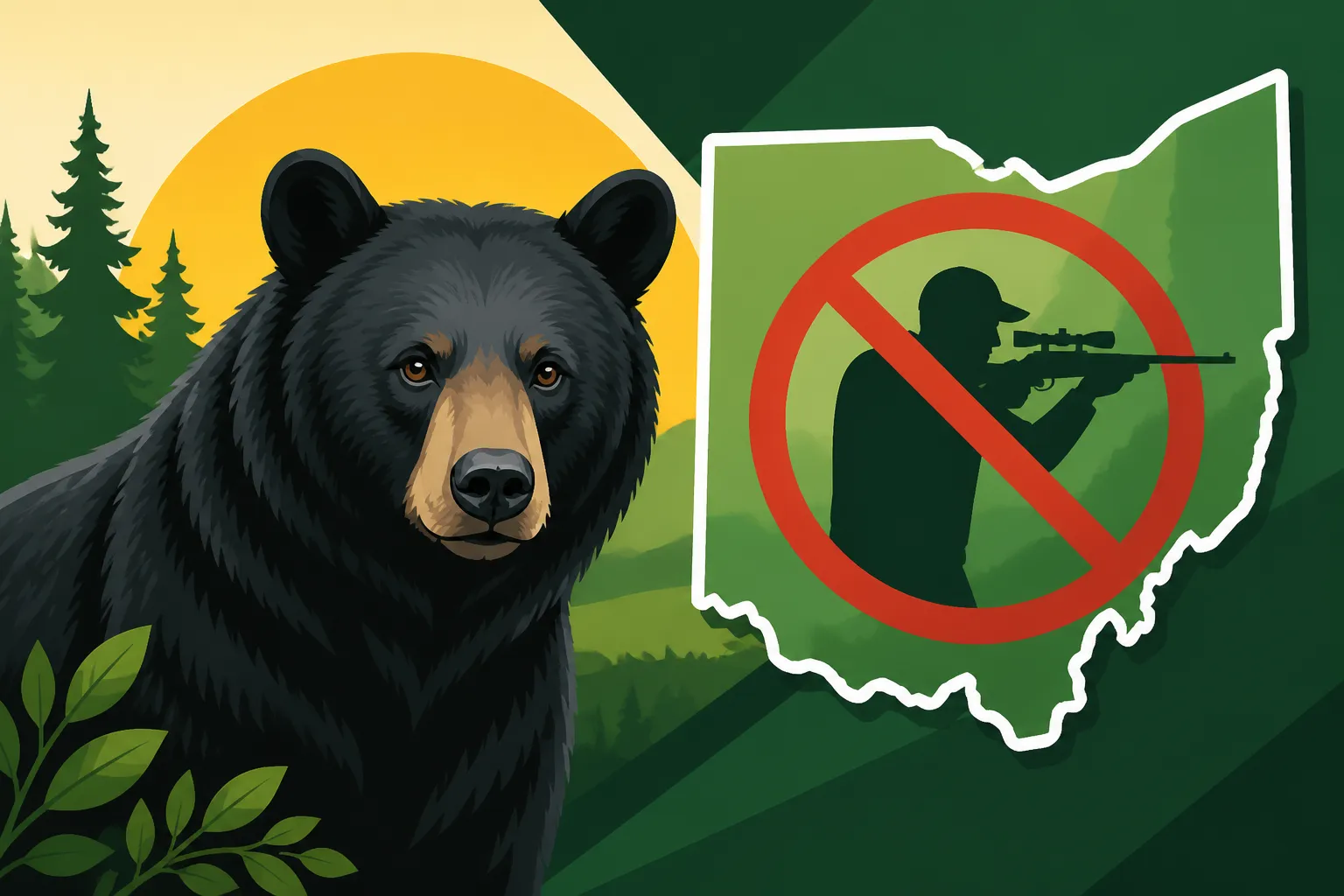
While black bears are back, they are not evenly distributed across the state, nor are their numbers anywhere near robust enough to support an open hunting season. The current black bear population in Ohio is estimated to be relatively small, likely in the range of 50 to 100 adult bears, though this can fluctuate. They are primarily concentrated in the heavily wooded, unfragmented landscapes of eastern and southeastern Ohio. Counties like Ashtabula, Jefferson, Monroe, Washington, and Athens often see the most consistent activity.
Occasionally, transient bears—often young males—will wander much further west, showing up in surprising locations closer to metropolitan areas, which inevitably generates a lot of local excitement (and sometimes panic!). These wandering individuals, however, rarely indicate a breeding population in those areas. The ODNR still classifies black bears as an endangered species in Ohio, which gives you a strong indication of their precarious status here. This is a critical point when considering why we have Why Black Bears Are Not Yet a Stable Ohio Species.
Ohio's Bear Management Philosophy and Challenges
Given the growing number of sightings, it's natural for hunters to wonder why the ODNR hasn't opened a bear season. The answer lies in the complex balance of conservation, public safety, and scientific management.
Conservation Status and Legal Protections
As mentioned, black bears are listed as an endangered species in Ohio. This designation isn't just a label; it comes with significant legal protections. It means the primary focus of ODNR is on population growth and ensuring the species can establish a stable, self-sustaining presence across a broader, suitable range within the state. Until the population reaches a certain threshold—a scientifically determined number that indicates long-term viability—hunting is simply not on the table.
The goal is to allow the population to naturally expand without additional human-caused mortality pressure. Every bear that survives and potentially reproduces contributes significantly to the state's slow-growing population. Unlike deer, where ODNR actively manages herd numbers through various hunting seasons, the objective for bears is fundamentally different: facilitate their recovery. This contrast highlights the specific management challenges for Game You Cannot Hunt in Ohio versus species like deer.
Public Safety and Human-Bear Conflicts
With more bears comes the inevitable increase in human-bear interactions. While black bears are generally shy and avoid humans, conflicts can arise, particularly when bears become habituated to human food sources. These conflicts range from raiding bird feeders and trash cans to more significant damage to crops or livestock. The ODNR receives numerous calls about bear sightings and incidents each year.
The department manages these conflicts primarily through education (teaching people What to Do If You See an Ohio Black Bear), hazing (scaring bears away from residential areas), and, in rare instances of repeated dangerous behavior, live trapping and relocating problem bears. In extreme and rare cases where a bear poses an immediate threat to human life and relocation isn't feasible, lethal removal might be authorized, but this is a last resort. Managing these interactions without an open hunting season adds a layer of complexity, as there's no harvest mechanism to naturally reduce densities in conflict-prone areas.
Data Collection and Monitoring Challenges
Effectively managing a species, especially one that is recovering, requires robust data. ODNR relies on public sighting reports, roadkill data, and the occasional capture and tagging of bears to gather information on population size, distribution, reproductive rates, and health. However, bears are secretive animals, and collecting precise data in Ohio's fragmented landscapes is challenging.
Unlike deer, where the ODNR can utilize tools like harvest reports from an active hunting season (similar to How ODNR Counts Ohio's Deer Herd) to get a clear picture of population trends, they don't have that direct mechanism for bears. This means a heavy reliance on public participation and less direct observation methods. The ODNR also keeps an eye on Ohio Wildlife Disease Monitoring, as any outbreaks could significantly impact a small, recovering bear population. Reliable data is crucial for any decision about an open season; without it, making an informed management choice is virtually impossible.
Future Prospects for an Ohio Bear Season
So, what would it actually take for Ohio to open a bear hunting season? It’s not a simple switch, but a multifaceted process rooted in science, policy, and public support.
The Role of Population Metrics and Stability
The most critical factor for establishing a bear season would be a sustained increase in the black bear population to a level that ODNR biologists deem stable and self-sustaining. This isn't just about raw numbers, but also about the population's distribution, reproductive success, and genetic health. There would need to be evidence that bears are not only present but successfully breeding and expanding their range into suitable habitats without needing constant dispersal from neighboring states.
This stability would be measured over several years, looking at metrics like annual cub production, survival rates, and the number of distinct breeding populations across the state. The ODNR would need to be confident that an annual harvest wouldn't jeopardize the long-term recovery goals. For Ohio hunters tracking these developments, resources like GoHunt could provide insights into wildlife population trends and potential regulatory changes across states, though for Ohio bears, it's a waiting game.
Public and Political Will
Beyond biological metrics, there's the significant factor of public and political will. Hunting bears is a sensitive topic for many non-hunters, and any proposal for a season would likely face considerable scrutiny and debate. The ODNR would need to effectively communicate the scientific rationale behind such a decision, emphasizing how a managed hunt could contribute to healthy bear populations and mitigate human-bear conflicts, rather than hindering recovery.
Educational campaigns would be crucial to inform the public about bear ecology, safe coexistence, and the role of hunting in modern wildlife management. Hunters, too, would need to advocate responsibly, demonstrating their commitment to ethical hunting practices and conservation. The path to an open season is as much about public relations and education as it is about biology.
Regulatory Framework and Season Design
Should the population and public sentiment align, the ODNR would then need to develop a detailed regulatory framework for a bear season. This would involve significant planning, including:
- Establishing Season Dates and Duration: Likely very short, initially, to ensure a conservative harvest.
- Setting Quotas and Bag Limits: Very restrictive at first, perhaps even a statewide quota that closes the season once met.
- Defining Legal Hunting Methods: What firearms, bows, or other methods would be permitted?
- Implementing Checking and Reporting Requirements: Similar to Ohio Deer Checking and Reporting Rules, robust systems would be needed to collect vital data from harvested bears.
- Designating Hunting Zones: Would it be statewide or restricted to areas with higher bear densities?
- Special Permits and Tags: A specific bear permit, potentially with a lottery system, would likely be required.
A managed bear season would likely resemble special opportunity hunts rather than broad, general seasons like for deer. The emphasis would be on data collection and highly controlled harvest to avoid any setbacks to the species' recovery. Organizations like GoHunt could offer tools for navigating complex tag applications and regulations if a season were ever established, though for now, Ohio hunters interested in bears must look out of state. Until then, we must be patient and continue to support habitat conservation efforts.
| Factor | Status in Ohio (Black Bears) | Impact on Hunting Season |
|---|---|---|
| Population Size | Small (50-100 individuals est.) | Too low for sustainable harvest |
| Conservation Status | State Endangered | Legal protection, recovery focus |
| Habitat Availability | Recovering in specific regions | Limits expansion, dense areas only |
| Human-Bear Conflicts | Increasing, but manageable | Concerns for public safety, education focus |
| Data Reliability | Challenging to collect accurate data | Need better monitoring before decisions |
| Public Perception | Mixed, often emotional | Requires education, political will |
| Neighboring State Seasons | Active (PA, WV, KY) | Contributes to Ohio's recolonization |
Disclaimer
The information provided in this article is for general informational purposes only and is not intended as legal advice or a substitute for official regulations. Hunting regulations, wildlife statuses, and seasons can change frequently. Always consult the most current official publications from the Ohio Department of Natural Resources (ODNR) or relevant state agencies before engaging in any hunting activities or making decisions based on this information.