Which County Found Ohio’s First CWD Case
It’s a chilling thought for any deer hunter: what if the magnificent whitetail population we cherish, the very reason we spend countless hours in the woods, becomes threatened by a devastating disease? For years, we in Ohio watched states to our west and east grapple with Chronic Wasting Disease (CWD), hoping it would never breach our borders. But then, it did. The news hit like a punch to the gut, bringing with it a wave of uncertainty and frustration about what it meant for our hunting traditions, our deer herd, and the venison we put on our tables. This guide is here to cut through the confusion, revealing exactly which Ohio county became the unfortunate ground zero for CWD and what its discovery has meant for every hunter in our great state.
The Alarming Arrival: Ohio's First Chronic Wasting Disease Case
The conversation about CWD can feel overwhelming, but it all starts with understanding where and when it first reared its head. For Ohio hunters, that moment of dread became a reality in a specific location, forever changing the state's deer management strategy.
Unpacking the Initial Discovery and Its Location
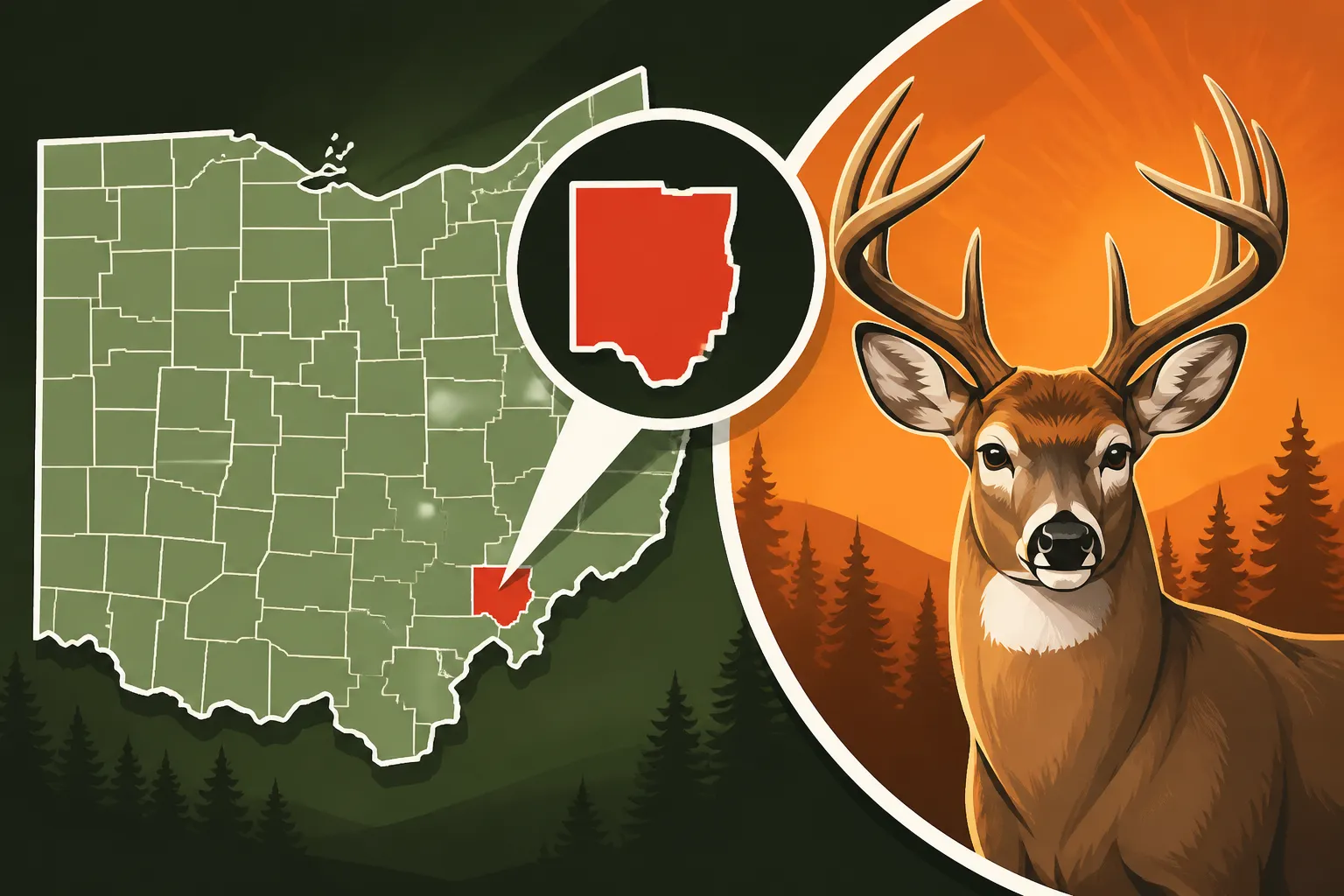
Ohio's journey with Chronic Wasting Disease officially began in the autumn of 2014. The first confirmed case of CWD in a wild deer was identified in Holmes County, an area famous for its beautiful rolling hills, productive farmland, and a thriving Amish community that often relies on the land for sustenance. It wasn't found in some far-flung, isolated wilderness, but right in the heart of a vibrant, working landscape.
The discovery itself came from a hunter-harvested deer. A successful hunter, following the proper check-in procedures, provided a sample from their deer, and it was through the routine testing of these samples that CWD was detected. Imagine the shock – you've celebrated a successful hunt, perhaps already butchered your deer, only to learn it was carrying a fatal, neurological disease. It’s a moment that resonated deeply with the hunting community, transforming a distant threat into a stark, local reality. This wasn't some theoretical problem discussed in academic journals; it was a sick deer in our woods. It validated the fears many of us had, bringing the disease uncomfortably close to home and making us all wonder: "Is my venison safe?" and "What does this mean for our deer herd?"
The Immediate Aftermath and ODNR's Response
When that initial CWD case was confirmed in Holmes County, the Ohio Department of Natural Resources (ODNR) didn't waste any time. The situation demanded an immediate and decisive response to try and contain the potential spread. One of the very first steps was the establishment of what's known as a Disease Surveillance Area, or DSA. This geographical boundary, initially encompassing parts of Holmes, Tuscarawas, and Wayne counties, was designed to focus intensive monitoring and management efforts where the disease was known to exist or was most likely to spread. If you're hunting within this zone, it changes a lot of the usual rules.
The ODNR swiftly initiated enhanced surveillance within and around the newly designated DSA. This meant a significant increase in the number of deer samples collected for CWD testing, particularly from hunter-harvested animals, roadkill, and any deer exhibiting unusual or sick behavior. Hunters in the DSA were directly impacted, facing new rules that felt restrictive but were absolutely necessary for the greater good of the herd. Public outreach became a massive undertaking, with ODNR biologists and staff holding community meetings, distributing informational pamphlets, and engaging directly with hunters and landowners to explain the disease, the regulations, and why their cooperation was vital. The air was thick with anxiety, especially among local hunters who worried about the future of their deer and their hunting opportunities. For many, it felt like an invisible cloud had settled over their favorite hunting spots, making every deer harvested a potential carrier. Understanding the boundaries and rules of areas like the Ohio's Chronic Wasting Disease Surveillance Area became paramount. The ODNR's rapid response, while sometimes feeling heavy-handed to individual hunters, was crucial for attempting to get ahead of a problem that has plagued deer populations in other states for decades.
Understanding Chronic Wasting Disease and Its Implications for Ohio Hunters
For many years, CWD was just a scary headline from out west. But once it landed in Ohio, every hunter suddenly had to get up to speed on what this disease truly is and how it impacts our cherished whitetail resource.
What Exactly is CWD? A Hunter's Perspective
From a hunter's perspective, CWD is an absolutely devastating and always fatal neurological disease that affects cervids like white-tailed deer, mule deer, elk, and moose. It's not caused by a virus or bacteria, but by abnormal proteins called prions. These rogue prions accumulate in the brain and other tissues, essentially creating sponge-like holes in the brain, leading to irreversible damage. Imagine a deer slowly losing its ability to function – that's what CWD does. It’s a truly heartbreaking thing to witness in an animal that represents so much vitality and wilderness to us.
The symptoms are often subtle at first, which is why it’s so insidious. Over time, however, infected deer will display progressive weight loss (hence "wasting"), abnormal behavior such as listlessness, blank stares, and uncoordinated movements, excessive salivation, and increased thirst and urination. They might also carry their head in an unusual position or have drooping ears. These symptoms don't appear overnight; CWD has a long incubation period, often years, meaning a deer can be infected and spreading prions long before it shows any outward signs of illness. This makes detection incredibly difficult without testing. While there's no conclusive scientific evidence that CWD can jump to humans, health organizations still advise against consuming meat from CWD-positive animals. For us hunters, it means an extra layer of caution and responsibility when we're processing our harvest. This reality directly impacts our approach to Chronic Wasting Disease in Ohio Deer and how we interact with the herd.
Why the First Case Matters So Much
The discovery of that first CWD case in Holmes County was more than just an isolated incident; it was a wake-up call that fundamentally altered Ohio's approach to deer management. The significance lies in the fact that once CWD is detected in a wild population, it's incredibly difficult, if not impossible, to eradicate. Prions are notoriously persistent in the environment, remaining viable in soil for years, meaning even if every infected deer were removed, the land could still be contaminated. This is why the first case signals not just presence, but a long-term battle.
The immediate consequence for hunters was the establishment and subsequent expansion of the Disease Surveillance Area (DSA). This zone dictates specific rules, like mandatory CWD testing for deer harvested during certain periods, typically the opening weekends of gun season. These regulations are designed to gather data on prevalence and geographic spread. Hunters in the DSA, and those bordering it, suddenly found themselves with new responsibilities, from understanding specific check-in locations to adhering to carcass movement restrictions. These rules can be a real headache, adding layers of bureaucracy to what should be a straightforward post-harvest process. If you’re trying to understand the testing windows, platforms like GoHunt can be invaluable for pinpointing specific requirements or identifying potential CWD hotspots, especially when planning a hunt in an unfamiliar area. It became clear that the days of simply checking in a deer and heading home were over for those hunting within the expanding Ohio's Six-County CWD Footprint.
Navigating the Landscape Post-Discovery: Challenges and Hunter Responsibilities
The presence of CWD has definitely thrown a wrench into some long-standing hunting practices. Adapting to these changes is crucial for both compliance and helping manage the disease. It’s not always easy, and it certainly adds to the planning before and after a hunt.
The Burden of Mandatory Testing and Carcass Restrictions
One of the most immediate and, let's be honest, sometimes frustrating changes for hunters in CWD-affected areas is the implementation of mandatory testing. During designated periods, usually key opening weekends of the gun deer season, hunters harvesting deer within the DSA are required to present their deer for CWD sampling. This often means driving to a specific check station or utilizing a self-serve kiosk, which can add significant time and logistical challenges, especially if you're hunting remote public land or a long distance from home. It's an extra step that, while vital for monitoring the disease, can really test your patience after a long day in the woods, especially when you're cold and tired.
Beyond testing, carcass movement restrictions are another major hurdle. To prevent the further spread of CWD prions, hunters are often prohibited from taking certain high-risk parts of a deer (like the brain, spinal cord, and lymph nodes) out of the DSA. This means you might need to bone out your deer in the field or at a local processor before transporting the meat. While it's a necessary precaution, it's a departure from the traditional practice of simply loading a whole deer into the truck and taking it home for processing. Hunters frequently ask about the specifics of Ohio Carcass Movement Restrictions because it fundamentally changes how they handle their harvest. Thankfully, the ODNR has worked to make this process as clear as possible, often setting up convenient self-serve kiosks where you can deposit a deer head for testing, such as those discussed in Submitting a Deer Head at a Sampling Kiosk. These kiosks help, but it still means modifying your post-harvest routine. Keeping up with these regulations can feel like a part-time job, but tools like GoHunt can help clarify boundaries and sampling locations, making it a bit less of a logistical nightmare.
Adapting Hunting Strategies in a CWD-Affected Area
The discovery of CWD has forced many Ohio hunters to re-evaluate their strategies, especially if they hunt within or near a Disease Surveillance Area. It's not just about compliance; it's about being a responsible steward of the resource and adapting to a new reality. One significant shift often encouraged in CWD-affected counties is an increased focus on harvesting antlerless deer. The logic here is that reducing overall deer density can potentially slow the rate of disease transmission, as fewer deer mean less contact and therefore less opportunity for prions to spread. This can sometimes involve utilizing additional Ohio Deer Management Permits to help meet population reduction goals, a departure from traditional "big buck" mentalities for some hunters.
Beyond harvest numbers, hunters are now encouraged to be extra vigilant for any signs of sick deer. If you observe a deer that appears emaciated, disoriented, or exhibiting other unusual behaviors, it's crucial to report it to the ODNR immediately. This isn't just about protecting the herd; it's about preventing yourself from unknowingly harvesting a sick animal. Field dressing and processing techniques also warrant closer attention. While the risk of CWD transmission to humans is considered low, it's always best practice to use gloves, minimize contact with brain and spinal cord tissue, and properly dispose of high-risk parts. Learning how to safely handle venison from a DSA county is something every hunter in Ohio should understand, as detailed in guides like Handling Venison From a DSA County Safely. This isn't just a regulatory burden; it's about protecting yourself and your family. If you're using a scouting tool like GoHunt, you can often overlay CWD zones or access herd health data that might inform your scouting and hunting decisions, giving you a clearer picture of the areas you're hunting.
Looking Ahead: The Future of Deer Hunting in Ohio with CWD
The presence of CWD isn't a temporary blip; it's a persistent challenge that will continue to shape deer hunting in Ohio for years to come. Understanding the ongoing efforts and our collective role is key to facing this future.
Ongoing Monitoring and Management Efforts
Since that initial discovery in Holmes County, the ODNR has maintained a relentless focus on monitoring and managing CWD. This isn't a "one-and-done" effort; it's a continuous, evolving strategy. Ongoing surveillance remains a cornerstone, with thousands of samples collected annually from hunter-harvested deer, roadkill, and "sick acting" deer reports. This robust sampling helps biologists track the disease's prevalence and geographic spread, informing future management decisions. You'll often hear about the Ohio CWD Prevalence Rate in the DSA in ODNR reports, which is a direct result of these efforts. It’s a constant battle, and one that relies heavily on hunters providing those samples.
The ODNR also invests in research to better understand CWD transmission, its impact on Ohio's deer population, and the effectiveness of various management strategies. This includes collaborating with universities and other state agencies. Public education is another vital component, ensuring hunters and landowners understand the disease, its implications, and how they can comply with regulations and contribute to mitigation efforts. It's a never-ending cycle of testing, analyzing, educating, and adapting. The challenge is immense, as reflected in headlines like Why Ohio's 2025-26 CWD Count Was the Highest Yet, indicating that this disease isn't going away quietly. The commitment to understanding and fighting CWD is a long-term one, and it requires the state to be constantly on its toes.
The Role of the Hunting Community in CWD Mitigation
Make no mistake, hunters are not just observers in the fight against CWD; we are absolutely critical to its mitigation. Our actions, both individually and collectively, have a direct impact on the disease's spread and the health of Ohio's deer herd. The most important thing we can do is to remain informed and compliant with all ODNR regulations, particularly those pertaining to mandatory testing during specific periods, like the Mandatory Testing on Statewide Gun Opening Weekend, and carcass movement restrictions. While these rules can sometimes feel like an inconvenience, they are put in place for a reason – to protect the very resource we love.
Beyond compliance, hunters can proactively help by reporting any deer that appear sick or are acting strangely. This vigilance in the field provides invaluable intelligence to wildlife biologists. Additionally, responsible carcass disposal, which means either burying high-risk parts or taking them to approved landfill sites, prevents environmental contamination. Every hunter needs to understand that contributing to CWD mitigation is part of our ethical responsibility to wildlife. If you're a serious deer hunter in Ohio, platforms like GoHunt can be extremely useful for staying updated on the latest CWD news, regulation changes, and identifying areas where testing might be mandatory. These tools empower you to be a more informed and responsible hunter, ensuring that Ohio's deer hunting legacy endures for generations to come, despite the formidable challenge of CWD. It's a fight we're all in together, and the future of our whitetails depends on it.
Ohio CWD: Key Facts at a Glance
| Fact Category | Detail |
|---|---|
| First Confirmed Case | Holmes County |
| Year of Discovery | 2014 |
| Initial DSA Counties | Holmes, Tuscarawas, Wayne (parts of) |
| Current DSA Footprint | Expands and contracts based on surveillance; currently includes Wyandot, Marion, Hardin, and more. For specific current boundaries, refer to the ODNR website. |
| Why Wyandot is Key | Why Wyandot County Drives Ohio's CWD Numbers due to high prevalence. |
| Testing Requirement | Mandatory for hunter-harvested deer in DSA during specific gun season weekends. |
| Carcass Rules | High-risk parts (brain, spinal cord, etc.) cannot leave the DSA. |
| Human Health Risk | No known cases of CWD in humans, but caution advised. |
Disclaimer
The information provided in this article is for general guidance and informational purposes only. Hunting regulations, CWD surveillance areas, and testing requirements in Ohio can change frequently. Always consult the official Ohio Department of Natural Resources (ODNR) website or their current hunting regulations digest for the most up-to-date and accurate information before planning or engaging in any hunting activities. Compliance with all state and federal hunting laws is the responsibility of the individual hunter.