Ohio CWD Prevalence Rate in the DSA
There's a palpable sense of anxiety that settles over a deer camp, or even just in your own mind as you plan a solo hunt, when you start thinking about Chronic Wasting Disease (CWD). It's a real and disheartening threat to Ohio's deer herd, and understanding the prevalence rate within the designated Disease Surveillance Area (DSA) can feel like trying to decipher a secret code. This guide aims to pull back the curtain on CWD prevalence in Ohio's DSA, offering clarity on what it means for hunters and how we can all be part of the solution.
Understanding Chronic Wasting Disease and Ohio's Response
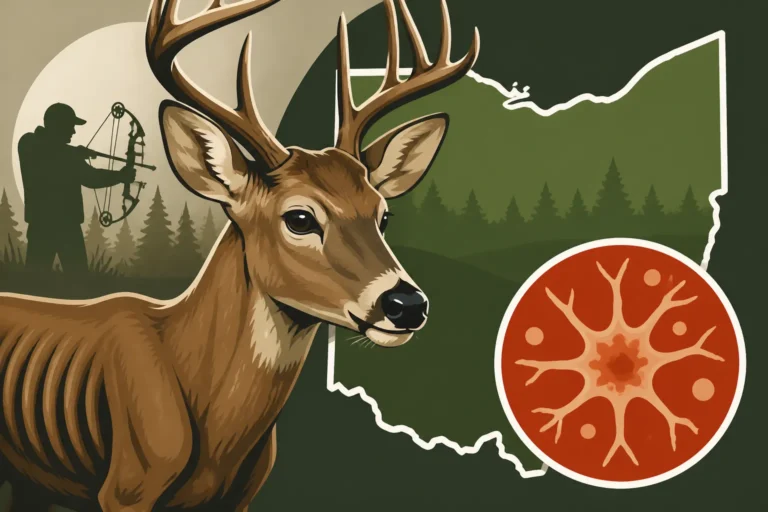
Let's start with the basics, because sometimes the official jargon can be a bit overwhelming. Chronic Wasting Disease is a neurological disease that affects deer, elk, and moose. It's caused by abnormal proteins called prions, and once an animal contracts it, it's always fatal. There's no cure, no vaccine, and it's a slow, debilitating process for the infected animal. Seeing a deer showing signs of CWD—emaciation, drooling, unusual behavior—is heartbreaking for any hunter who respects these animals.
When CWD was first detected in Ohio, it was a wake-up call. The state quickly established Ohio's Chronic Wasting Disease Surveillance Area to focus intensive monitoring and management efforts where the disease has been confirmed. This isn't just a lines-on-a-map exercise; it signifies a serious commitment to understanding and containing the disease. For hunters, it means navigating a new set of rules and responsibilities that, while sometimes inconvenient, are absolutely critical for the long-term health of our deer population. It’s about protecting the very resource we cherish and dedicate so much of our time to pursuing.
The long-term implications of CWD are what keep wildlife managers up at night and stir concern among the hunting community. A widespread CWD infection could lead to significant declines in deer populations, especially older age classes of bucks that many hunters target. It could also alter deer behavior, making them more susceptible to other diseases or environmental stressors. This isn't just about deer numbers; it's about the vitality of the entire ecosystem and the future of Ohio's hunting heritage. That's why understanding these threats is so important, and why every hunter's cooperation in the DSA is not just a suggestion, but a crucial part of the fight.
Unpacking the "Prevalence Rate" in Ohio's Disease Surveillance Area (DSA)
When you hear wildlife agencies talk about "prevalence rate," what does that actually mean in the context of CWD in the DSA? Simply put, it's the proportion of a specific population (in this case, harvested deer within the DSA) that tests positive for the disease at a given time. It's not just a random number; it's a critical metric used to understand the scope of the problem, how rapidly it might be spreading, and the effectiveness of current management strategies. A low prevalence rate is certainly what everyone hopes for, but even a small number of positive cases indicates the presence of the disease and the need for vigilance.
Calculating this rate involves a massive effort. During specific periods, especially during opening weekends of various deer seasons, hunters harvesting deer within the DSA are required to submit samples for CWD testing. This is where Mandatory CWD Testing Windows in the DSA come into play. Hunters take their deer to designated check stations or self-serve kiosks, and a lymph node sample is collected. These samples are then sent to labs for analysis. Each positive result contributes to the overall count, which is then weighed against the total number of deer sampled to determine the prevalence rate.
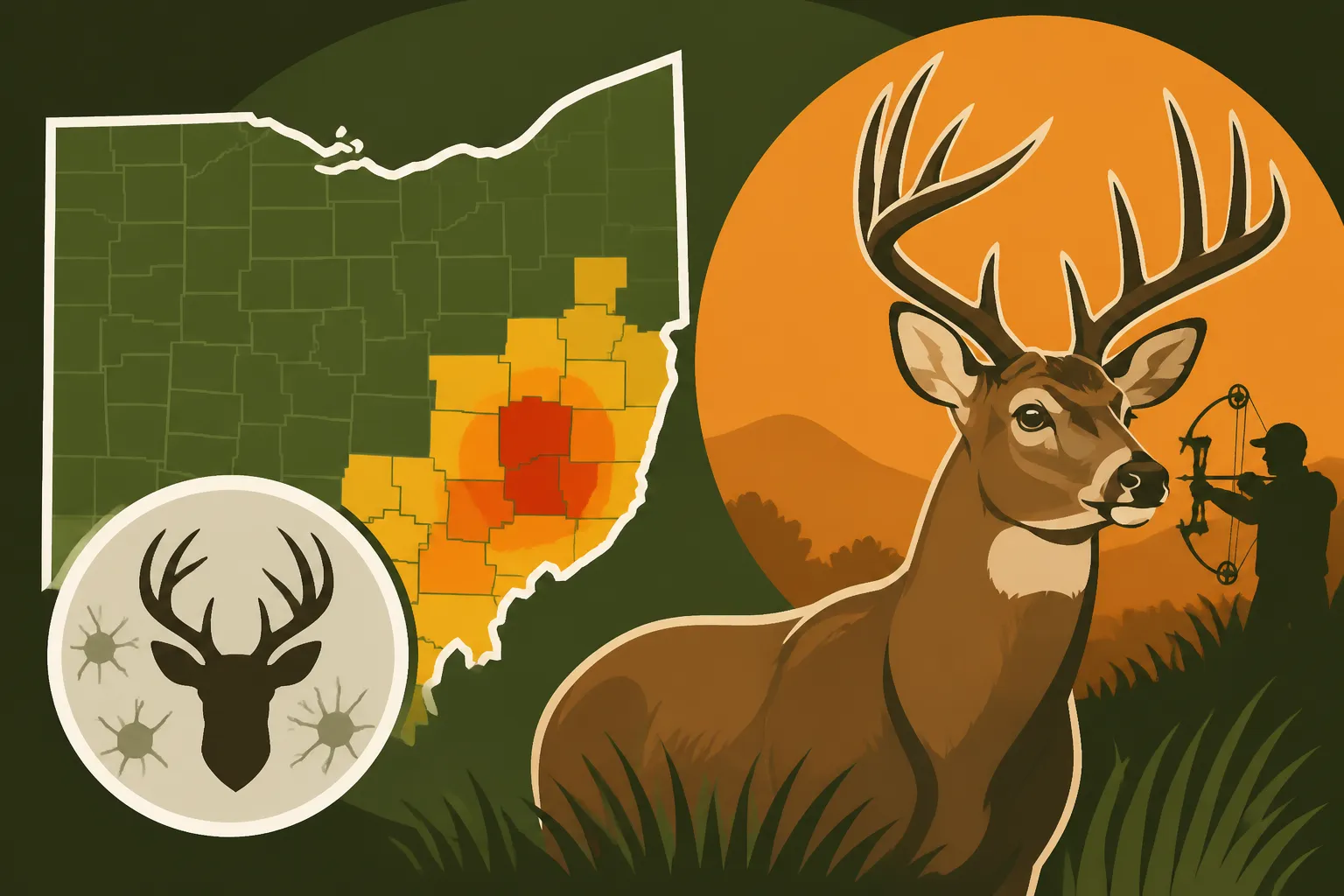
It's important to remember that this rate can fluctuate. Factors like the intensity of sampling efforts, the specific areas being hunted, and even the time of year can influence the numbers. For example, focused sampling efforts in areas with previously detected cases might yield a higher rate than broader, less targeted sampling. When considering the data, especially from an area like Why Wyandot County Drives Ohio's CWD Numbers, it's clear that prevalence can be highly localized. One small cluster of infected deer can significantly impact the calculated rate for a particular county or subunit of the DSA, even if the surrounding areas show little to no evidence of the disease. This is why continuous and consistent sampling across the entire DSA is so vital. Using tools like GoHunt can help you stay current on areas within the DSA and potentially identify sampling stations.
The Nuance of CWD Detection
The concept of a "prevalence rate" isn't as simple as just counting positive cases. It's influenced by the detection methods themselves. For instance, testing of harvested animals gives us a snapshot, but it doesn't account for animals that died from CWD symptoms but were never found or reported. The disease also has a long incubation period, meaning a deer can be infected for years before showing symptoms or testing positive. This makes early detection incredibly challenging and underscores why ongoing surveillance is paramount.
Moreover, the sampling targets can also impact the perceived prevalence. If sampling is heavily focused on older bucks, which tend to have a higher likelihood of being infected due to their longer lifespan and greater movement, the reported prevalence might appear higher than if all age classes and sexes were sampled equally. Understanding these nuances helps us interpret the data with a more critical eye, rather than just reacting to raw numbers. It's a complex puzzle, and every piece of information, even the seemingly small ones, adds to our overall understanding of CWD in Ohio.
Navigating the Reality of CWD in Ohio: Hunter Insights and Responsibilities
For Ohio hunters, navigating the landscape of CWD in the DSA can feel like walking on eggshells. You're trying to enjoy your passion, but there's this underlying concern about the health of the herd and what it means for your harvest. It's a frustration many of us share—we want to hunt, but we also want to do it responsibly and ensure future generations have the same opportunities. That's why understanding your role and taking active steps is so crucial. The prevalence rate, even if seemingly small, indicates the disease is present, and every hunter's action can either help contain it or inadvertently contribute to its spread.
One of the biggest responsibilities for hunters in the DSA revolves around Ohio Carcass Movement Restrictions. This means if you harvest a deer in a DSA county, you can't just take the entire carcass home, especially if your home is outside the DSA. These rules are in place to prevent the physical transport of infected material, like brain or spinal tissue, which carries the highest concentration of prions, to new, unaffected areas. It's a tough rule for sure, especially if you have a long drive home, but it's one of the most effective measures we have to limit the spread. Often, processing facilities within or near the DSA will offer services to de-bone your animal, allowing you to take only the venison and clean skull plate out of the area.
Another critical piece of the puzzle is participating in the mandatory testing. Whether it's submitting a deer head at a Submitting a Deer Head at a Sampling Kiosk or at a designated check station, your contribution is invaluable. The more samples collected, the more accurate the prevalence data becomes. This helps wildlife officials identify hot spots, track the disease, and adapt their management strategies. It might feel like just another hoop to jump through after a long day in the woods, but it's your direct contribution to Ohio Wildlife Disease Monitoring and the health of the herd. Using resources like GoHunt can sometimes help you quickly locate these kiosks or check stations.
Ethical Harvesting and Carcass Handling
Beyond regulations, there's an ethical component to hunting in a CWD-affected area. If you observe a deer exhibiting signs consistent with CWD, such as extreme thinness, stumbling, or excessive drooling, it's vital to report it to the Ohio Division of Wildlife. While it's tempting to put the animal out of its misery, it's generally recommended not to harvest sick-looking animals for consumption, and reporting allows professionals to investigate and test.
When it comes to Handling Venison From a DSA County Safely, basic hygiene and common sense go a long way. Always wear gloves when field dressing, and minimize contact with brain and spinal tissue. If your deer tests positive for CWD, it is strongly recommended that you do not consume the meat. While there's no conclusive evidence of CWD transmitting to humans, health agencies advise against eating infected meat as a precaution. This can be a devastating outcome after a successful hunt, but prioritizing public health is paramount. Proper disposal of high-risk tissues, such as the brain and spinal cord, should also be done according to state guidelines, usually by double-bagging and placing in household trash for landfill disposal.
What Hunters Can Do: Practical Steps to Help Manage CWD
As hunters, we are on the front lines of wildlife conservation, and when it comes to CWD, our actions truly matter. It's easy to feel helpless against such a formidable disease, but there are very tangible, practical steps you can take to contribute to the ongoing management and mitigation of CWD in Ohio. These aren't just rules; they are ways to ensure that the heritage of hunting and the health of Ohio’s deer herd remain strong for generations to come.
First and foremost, stay informed and comply with regulations. The rules regarding CWD, especially within the DSA, can change as new information becomes available or as the disease status evolves. Make it a habit to check the Ohio Department of Natural Resources (ODNR) website, particularly before the season, for the latest updates on the DSA boundaries, Ohio Deer Season Structure Explained, carcass movement restrictions, and mandatory testing periods. Ignorance isn't bliss when it comes to CWD; it can inadvertently contribute to the problem. Many hunters also find platforms like GoHunt useful for getting quick updates and localized information.
Responsible Feeding and Baiting Practices
One of the most debated and critical areas of CWD management involves feeding and baiting deer. While enticing deer with corn or mineral blocks might seem harmless, concentrating deer at artificial feeding sites can actually increase the likelihood of CWD transmission. When deer gather in close proximity to feed, they exchange saliva, urine, and feces more frequently, all of which can contain prions. This is why bans on feeding and baiting are often implemented in CWD-affected areas. Even if it's not explicitly banned statewide, reconsidering these practices, particularly if you hunt in or near the DSA, is a responsible choice. It's about minimizing opportunities for disease spread, even if it means altering traditional hunting methods.
Another key action is to report sick animals. If you encounter a deer that appears sick, exhibiting neurological signs like staggering, emaciation, or unusual behavior, do not harvest it. Instead, contact the Ohio Division of Wildlife immediately. They have protocols for investigating suspected CWD cases, which includes safe carcass retrieval and testing. Your prompt reporting of a potentially infected animal can prevent it from spreading the disease further and provide valuable data for Ohio Wildlife Disease Monitoring. Every report helps paint a clearer picture of where the disease is active and how it might be progressing.
Here's a quick summary of hunter actions in the DSA:
| Action Category | Hunter Responsibility | Why It Matters |
|---|---|---|
| Information & Compliance | Stay updated on DSA boundaries & regulations | Ensures adherence to evolving CWD management strategies |
| Understand Ohio Carcass Movement Restrictions | Prevents unintended spread of CWD to new areas | |
| Sampling & Reporting | Participate in Mandatory CWD Testing Windows in the DSA | Provides critical data for prevalence rates and disease tracking |
| Submit samples at Ohio CWD Sampling Station Locations | Supports accurate CWD monitoring and research | |
| Report sick or suspicious deer to ODNR | Allows for professional investigation and prevents further spread | |
| Ethical Practices | Consider reducing or eliminating feeding/baiting | Minimizes deer congregation, reducing prion transmission risk |
| Practice safe Handling Venison From a DSA County Safely | Protects human health and prevents environmental contamination with prions | |
| Follow The Ohio Deer Checking Deadline | Essential for proper harvest reporting and disease surveillance |
Ultimately, managing CWD is a long-term endeavor that requires a collective effort. It's not just about what the state agencies do; it's about the individual choices each hunter makes. By taking these practical steps, staying informed, and acting responsibly, Ohio hunters can play a vital role in protecting our deer, our hunting traditions, and the wild places we all cherish.
Disclaimer
This article is for general informational purposes only and does not constitute professional advice. Laws, prices and regulations vary by location and change over time. Consult a qualified professional for guidance on your specific situation.