Why Ohio Bobcats Have No Open Season
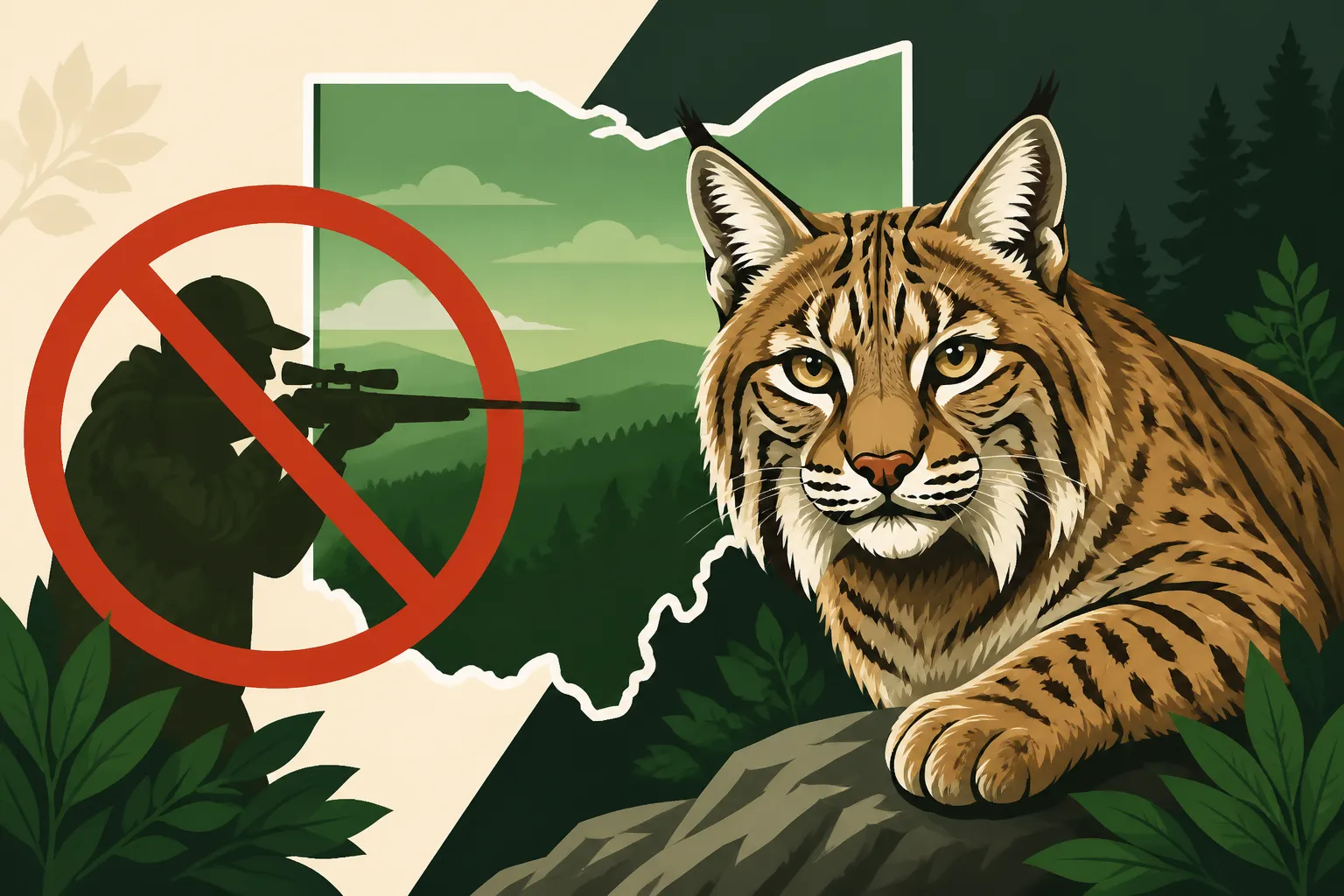
It's a question many Ohio hunters ponder, especially when they catch a fleeting glimpse of that elusive, spotted cat darting across a remote logging road or through thick timber: "Why can't we hunt bobcats in Ohio?" The frustration is understandable. We see plenty of other furbearers and predators listed in the hunting regulations, but bobcats remain firmly off-limits. This guide will delve deep into the fascinating history and ongoing management of Ohio's bobcat population, explaining exactly why these beautiful animals currently have no open hunting season in the Buckeye State.
A Glimpse into Ohio's Wild Past: The Story of the Bobcat's Decline and Return
To truly understand why bobcats aren't on the list of huntable game in Ohio, we need to take a step back in time. It wasn't always this way. Ohio was once home to thriving bobcat populations, but a combination of factors led them to the brink of extirpation.
Historical Presence and Near Extirpation
Imagine Ohio centuries ago: vast, unbroken forests, rich with wildlife. Bobcats, agile and perfectly adapted predators, were a natural part of that ecosystem, preying on rabbits, squirrels, and even young deer. Early European settlers, however, viewed them much differently. Seen as threats to livestock and valuable furbearers, bobcats were relentlessly pursued. With no real regulations in place, and bounties sometimes even offered, their numbers dwindled rapidly. As forests were cleared for agriculture and human settlements expanded, bobcat habitat shrank dramatically, pushing them further into the most remote, rugged corners of the state.
By the early 20th century, bobcats were considered functionally extirpated from Ohio – meaning, while a few isolated individuals might have existed, there was no viable breeding population. For decades, spotting a bobcat in Ohio was akin to seeing a ghost. It was a stark reminder of how quickly even a resilient predator can be lost when faced with intense human pressure and habitat destruction. It’s a similar story to that of Ohio Elk History and Extirpation or even wolves, highlighting how dramatically landscapes and wildlife populations have changed over time.
The Long Road to Recovery: Conservation Efforts
Thankfully, the story doesn't end with extirpation. Nature, given half a chance, has an incredible ability to rebound. The re-growth of Ohio's forests, especially in the rugged Appalachian foothills of southeastern Ohio, provided crucial habitat. Simultaneously, protective measures were put in place. Bobcats were given legal protection, prohibiting all hunting and trapping. This allowed a slow, but steady, natural recolonization to begin, primarily from neighboring states where populations had fared better.
Ohio's bobcats didn't just reappear overnight; it was a decades-long process of natural expansion and recovery. Wildlife biologists meticulously tracked sightings and other indicators, and slowly, the evidence mounted: bobcats were back. They’ve been particularly successful in the unglaciated, heavily wooded regions of southeastern Ohio, thriving in areas like the Wayne National Forest and Shawnee State Forest. This natural return, combined with strict protection, has been the cornerstone of their recovery. It’s a testament to long-term conservation and how patience and habitat can bring a species back from the brink, much like we've seen with Ohio River Otter Recovery.
Understanding Ohio's Wildlife Management Philosophy
The Ohio Department of Natural Resources (ODNR) takes its role as steward of the state's wildlife very seriously. Their decisions on hunting seasons, bag limits, and protected species are not arbitrary; they are based on a comprehensive management philosophy rooted in science and sustainability.
The Role of Science and Surveys
For any species to be considered for a hunting or trapping season, ODNR wildlife biologists need robust, long-term data demonstrating a healthy, stable, and expanding population that can sustain harvest without jeopardizing its future. This means extensive research and surveys. Unlike deer, where we have clear metrics like How ODNR Counts Ohio's Deer Herd through spotlight surveys, harvest reports, and population modeling, bobcats are far more secretive and harder to count.
Biologists use a variety of techniques to monitor bobcat numbers, including trail camera surveys, roadkill data, verified public sightings, and genetic studies from scat or hair samples. They look for indicators of breeding success, dispersal rates, and overall population density. While bobcat sightings are definitely up, and their range is expanding, the data needs to demonstrate that the population is not just present but thriving to the point where it can withstand a harvest pressure. Think of it like a bank account: you don't start withdrawing heavily if your balance is still growing from zero. The ODNR needs to be absolutely certain the 'balance' is strong enough for any 'withdrawals' (i.e., hunting) to occur. Using tools like GoHunt, hunters themselves can sometimes contribute valuable sighting data, though for official management, scientific surveys are paramount.
Balancing Hunter Demand with Sustainable Populations
It's no secret that many hunters are keen to pursue bobcats. They are challenging, intelligent, and beautiful animals, offering a unique trophy. However, hunter demand, while certainly a factor in species management, is secondary to population viability. The primary objective of ODNR is always to ensure the long-term health and sustainability of the species. Opening a season prematurely could reverse decades of conservation work, pushing bobcats back towards endangered status.
The ODNR must consider the biological capacity of the bobcat population to reproduce and maintain itself, even under hunting pressure. Unlike species with high reproductive rates like rabbits or squirrels, bobcats typically have smaller litter sizes and take longer to reach sexual maturity. This slower reproductive rate means their populations are more vulnerable to overharvest. When you look at the big picture of Game You Cannot Hunt in Ohio, it's clear that the decision to protect a species often boils down to a conservative, science-first approach.
Furthermore, there are ethical considerations. A species that has only recently recovered from near extirpation often garners significant public support for its continued protection, even from non-hunters. Any decision to open a season would need to be carefully explained and justified to a broad audience, ensuring public buy-in and understanding.
What the Future Might Hold for Ohio Bobcats
So, where do Ohio bobcats stand today, and what could change in the future? The conversation around a potential bobcat season is ongoing, but it's a careful, deliberate discussion, not one to be rushed.
Ongoing Monitoring and Research
The ODNR continues its vital work of monitoring bobcat populations across the state. This isn't a one-and-done assessment; it's a continuous, dynamic process. Biologists are always looking for more robust ways to estimate population numbers and trends. As bobcat numbers continue to expand into new areas, and densities increase in their stronghold regions, the data becomes stronger. Tools that assist in broad wildlife monitoring, like specialized cameras and remote sensing, play a role. Even diligent hunters using apps like GoHunt to mark and report wildlife sightings can provide anecdotal, but sometimes useful, data points that help fill in pieces of the puzzle.
Here's a simplified look at the kind of factors biologists consider when assessing a species for a potential hunting season:
| Factor | Currently for Ohio Bobcats | Implications for Hunting Season |
|---|---|---|
| Population Trend | Increasing & expanding | Positive, but needs stability |
| Reproductive Rate | Relatively low | Requires conservative harvest |
| Habitat Availability | Good in SE Ohio, expanding | Supports further growth |
| Population Density | Moderate, but variable | Not uniformly high enough yet |
| Geographic Range | Expanding from SE Ohio | Needs to saturate more areas |
| Disease Prevalence | Low (though always monitored) | Important for sustained health |
| Public Acceptance | Mixed (strong protection sentiment) | Significant hurdle to overcome |
Understanding these factors helps illuminate the complex decision-making process. The ODNR also keeps a close eye on the health of individual animals, with efforts like Ohio Wildlife Disease Monitoring helping to ensure that the overall population is robust and resilient. Should a hunter ever encounter a sick or injured bobcat, reporting it through channels like Reporting a Sick Animal in Ohio is crucial for data collection.
Public Perception and the Path to a Potential Season
Even with strong scientific data, public perception plays a significant role. The return of the bobcat is widely seen as a conservation success story. Any move towards an open season would undoubtedly face scrutiny from wildlife advocates and the general public, not just hunters. The ODNR would need to demonstrate a clear and compelling case that a limited, well-regulated season would not harm the long-term viability of the population and that it aligns with broader conservation goals.
Should a season ever be considered, it would likely begin with extremely conservative measures: perhaps a very short season, restricted to specific counties with the highest densities, and a very small bag limit. It wouldn't be a free-for-all. Hunters interested in the possibility of such a season should stay informed through official ODNR channels and consider taking Ohio Hunter Education Requirements if they haven't already, ensuring they're prepared for any future opportunities while demonstrating responsible stewardship. The journey of species like the bobcat, and even the Ohio Turkey Population Estimate, shows us that effective wildlife management is a long game, played with patience, science, and a deep respect for the natural world.
Disclaimer
This article is for general informational purposes only and does not constitute professional advice. Laws, prices and regulations vary by location and change over time. Consult a qualified professional for guidance on your specific situation.