Reporting a Sick Animal in Ohio
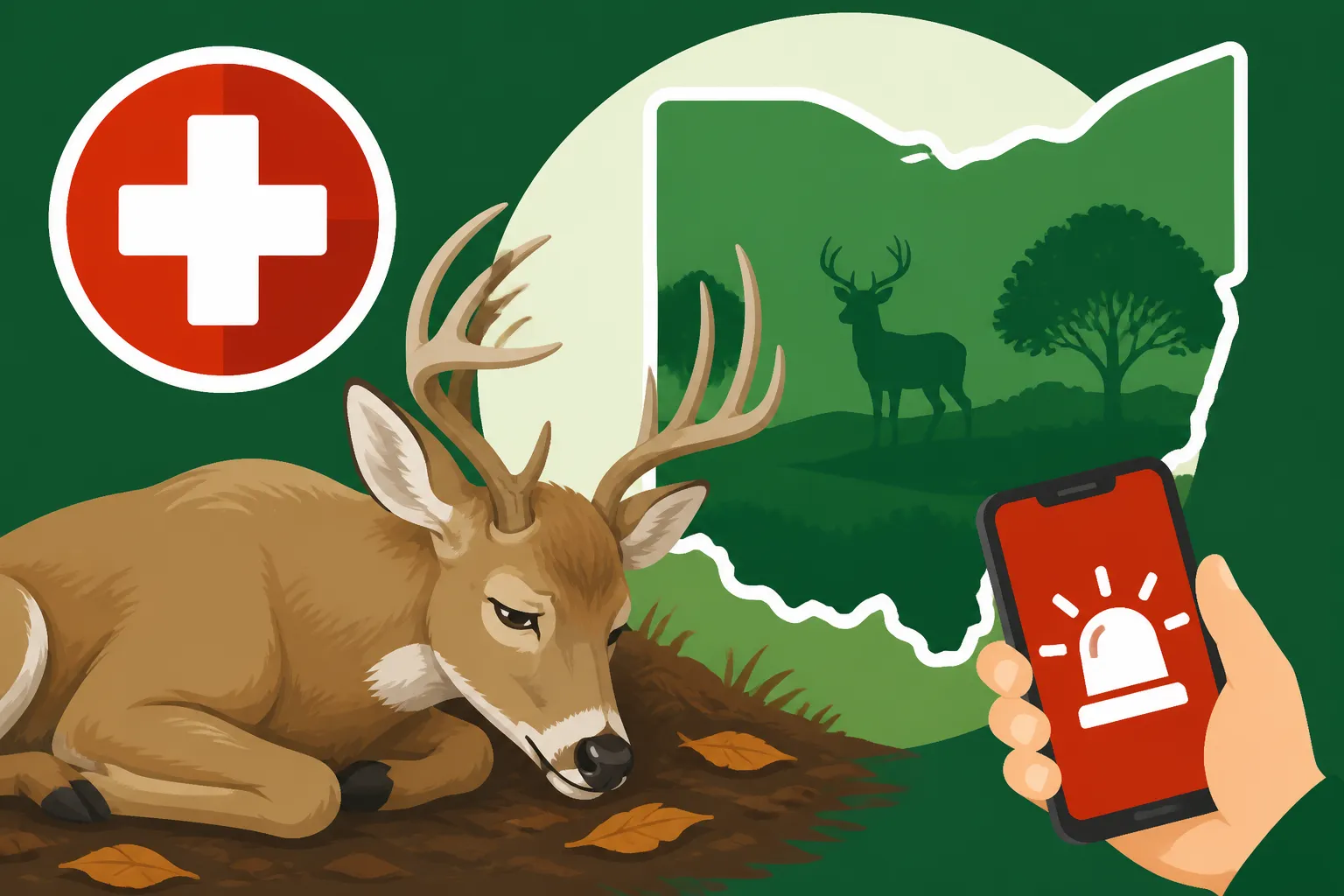
It's an unsettling feeling, isn't it? You're out enjoying Ohio's incredible natural beauty, perhaps scouting for deer sign or simply hiking a favorite trail, and you come across an animal that just doesn't look right. Maybe it's visibly injured, acting strangely, or showing obvious signs of sickness. That gut feeling of wanting to help, but not knowing the right steps to take, can be really frustrating. This guide is here to walk you through exactly what to do when you encounter a sick or injured animal in Ohio, ensuring you can report it effectively and safely.
Understanding Why Reporting a Sick or Injured Animal is Crucial in Ohio
Encountering a sick or injured animal in the wild can be heartbreaking, and our first instinct is often to intervene. However, in Ohio, the most responsible and effective action you can take is almost always to report it to the proper authorities. This isn't just about the individual animal you see; it's about the larger health of our wildlife populations and even the safety of our communities. Your report becomes a vital piece of a much bigger puzzle.
The Ripple Effect: Protecting Wildlife and Ecosystems
Think about a disease like Chronic Wasting Disease (CWD) in deer, or even something like Epizootic Hemorrhagic Disease (EHD) which we've seen cycle through our deer herds in the past. If a sick deer goes unreported, it continues to interact with healthy deer, potentially spreading the illness. This isn't just a theoretical concern; it’s a very real threat to the overall health and stability of our deer populations, especially in areas like Ohio's Ohio's Chronic Wasting Disease Surveillance Area. Early detection and monitoring are key to managing these diseases, and your eyes on the ground provide invaluable data.
Every animal in an ecosystem plays a role, and when a disease takes hold, it can disrupt that delicate balance. What might start with one species could, in some cases, affect others that share the same habitat or food sources. By reporting a sick animal, you're contributing to efforts to track disease patterns, understand their spread, and implement strategies to protect the larger wildlife community. It helps agencies like the Ohio Department of Natural Resources (ODNR) monitor and manage outbreaks, potentially preventing a small problem from becoming a much larger ecological crisis. ODNR also relies on public reports to track trends in overall herd health, which ties into how they How ODNR Counts Ohio's Deer Herd.
Safeguarding Human Health and Domestic Animals
It's natural to feel sympathy for a struggling animal, but approaching or attempting to help a sick or injured wild animal can be incredibly dangerous, not just for the animal, but for you and your pets. Many wildlife diseases, like rabies or leptospirosis, are zoonotic, meaning they can be transmitted from animals to humans. Even if an animal isn't diseased, a sick or injured animal is often scared and unpredictable, capable of inflicting serious bites or scratches. Imagine the distress a coyote might be in if it’s showing signs of mange, or a raccoon acting aggressively due to distemper. These situations are not only tough to witness but also carry very real risks.
Beyond direct contact, sick animals can leave behind pathogens in their environment that could potentially be picked up by curious pets or livestock. Consider a situation where a visibly ill raccoon is frequenting a barn or shed where domestic animals are kept. Your timely report allows wildlife professionals to assess the situation and take appropriate measures, protecting both public health and agricultural interests. We all want to keep our families and pets safe, and reporting rather than interacting is the best way to do that when wildlife shows signs of distress. It's about being a responsible steward of both wildlife and our community.
Key Indicators: How to Spot a Troubled Animal in Ohio's Wilds
Knowing what to look for is the first step in making an effective report. Sometimes an animal might just be acting like a wild animal, but other times, certain behaviors or physical signs are clear red flags that something is wrong. Being observant without getting too close is critical.
Recognizing Disease Symptoms in Ohio Deer
Deer are often the most commonly sighted large wild animals in Ohio, and unfortunately, they are susceptible to several serious diseases. When you're out in the woods, whether you're using a scouting app like GoHunt to mark potential stand locations or simply enjoying a hike, keep an eye out for these tell-tale signs:
- Unusual Behavior: A deer that is extremely lethargic, stumbling, walking in circles, or showing no fear of humans might be sick. Healthy deer are naturally wary. If a deer seems disoriented or is standing with its head down for long periods, that's a concern. You might also notice aggressive behavior, which is highly unusual for a deer unless it feels cornered.
- Physical Signs: Look for matted fur, lesions or sores, foaming at the mouth, or discharge from the eyes or nose. Deer suffering from EHD, for example, might have swollen heads, necks, or tongues, and often appear very weak. Thin body condition, with ribs or hip bones prominent, especially outside of the peak winter months, can also be an indicator of chronic illness.
- Location: Sometimes, finding a deceased deer near water sources can be a sign of EHD, as affected deer often seek water to cool down before succumbing. If you find multiple dead deer in a concentrated area, it's a strong indicator of a localized disease outbreak. ODNR takes reports of clusters of dead deer very seriously for this reason. We've seen EHD Die-Offs in Ohio Deer in various parts of the state.
It's important to remember that not every skinny deer is sick, especially during harsh winters, and not every deer acting a little strangely is diseased. However, if you observe a combination of these symptoms, it warrants a report. Your detailed observations are crucial for ODNR's assessment.
Identifying Distress in Other Ohio Wildlife Species
While deer often get a lot of attention, many other Ohio wildlife species can also contract diseases or suffer injuries. The general principles of observing unusual behavior and physical symptoms still apply.
- Raccoons, Skunks, Foxes, and Coyotes: These animals are often carriers of rabies or distemper. Watch for abnormal aggression, staggering, disorientation, paralysis, or an animal acting overly friendly. An animal that usually avoids humans but is now approaching them without fear is a significant red flag. Mange can also severely affect these animals, causing significant hair loss, skin lesions, and a gaunt appearance. For coyotes, understanding these signs can be especially important given their presence across the state and the potential for Ohio Coyote Attacks on Livestock.
- Birds: Birds that appear disoriented, have tremors, show visible injuries, or have difficulty flying might be ill or injured. Waterfowl often gather in large numbers, making disease transmission easier. If you see multiple sick or dead birds in one area, particularly around water, it's worth reporting. This can sometimes indicate avian diseases that can spread quickly through flocks.
- Small Game (Squirrels, Rabbits): While less common, squirrels and rabbits can also show signs of illness. Lethargy, visible tumors (especially in squirrels), or uncoordinated movements are cause for concern. Again, the key is observing behavior that is clearly outside of their normal wild patterns. A rabbit sitting in the open, unmoving, when it should be alert and fleeing, is likely in distress.
It’s about recognizing patterns that deviate significantly from healthy, wild animal behavior. A single observation might not be definitive, but a cluster of symptoms or an animal acting completely out of character should always prompt a report. Remember to keep a safe distance, no matter how much you might want to help.
| Common Signs of Wildlife Distress | Potential Cause (Examples) | What to Report |
|---|---|---|
| Extreme Lethargy / Disorientation | CWD, EHD, Rabies, Injury | YES |
| Foaming at Mouth / Excessive Drooling | Rabies, Distemper | YES |
| Severe Hair Loss / Skin Lesions | Mange, Fungal Infections | YES |
| Difficulty Walking / Stumbling / Paralysis | Rabies, Injury, Neurological | YES |
| Abnormal Aggression / No Fear of Humans | Rabies, Distemper | YES |
| Visible Injuries (e.g., broken limbs) | Vehicle Collision, Predator Attack | YES (if severe) |
| Multiple Sick/Dead Animals in Area | Disease Outbreak (EHD, Avian Flu) | YES |
| Persistent Coughing / Sneezing | Respiratory Illness | YES |
| Emaciation / Severely Underweight | Chronic Illness, Starvation | YES |
Your Role: The Ohio Reporting Process Step-by-Step
You’ve identified an animal that appears to be sick or injured. Now what? The effectiveness of your report hinges on providing clear, concise, and accurate information. The more details you can give, the better the ODNR can respond.
Gathering Information Before Making the Call
Before you even think about dialing, take a moment to collect yourself and observe. This isn't about being a wildlife detective, but rather an accurate witness. Every piece of information helps the ODNR determine the appropriate course of action, and it helps them differentiate between a true emergency and something less critical.
First and foremost, do not approach the animal. Maintain a safe distance, typically at least 50-100 yards, especially with larger animals or those exhibiting aggressive or erratic behavior. Your safety is paramount. Then, try to gather the following details:
- Exact Location: This is arguably the most critical piece of information. Provide the precise address if possible, or cross streets, road names, and specific landmarks. If you're on public land like Wayne National Forest or a Wildlife Area, knowing the name of the area, the nearest trail, or even GPS coordinates from your phone or a mapping app like GoHunt is incredibly helpful. Many hunters use GoHunt to mark waypoints, and this functionality can be just as valuable for marking a sick animal's location. "Near the big oak by the creek" isn't as useful as "39.524, -82.357" or "approx. 1 mile north of the main parking lot on Trail 3 in Zaleski State Forest."
- Animal Species: Is it a white-tailed deer, a wild turkey, a raccoon, a fox, or something else? Be as specific as you can.
- Number of Animals: Is it one animal, or are there multiple animals showing similar symptoms or found deceased in the same area? For instance, knowing if it's one deer or five deer is crucial for assessing potential disease outbreaks.
- Observed Symptoms/Behavior: Describe exactly what you saw. "It was stumbling and walking in circles" is much better than "it looked sick." Mention any discharge, injuries, unusual aggression, or lack of fear. Was it alert to your presence, or did it seem unaware?
- Time and Date of Observation: When did you see the animal? This helps establish a timeline, especially if others have also reported sightings.
- Current Status: Is the animal still alive? Is it moving? Is it deceased? If deceased, how fresh does the carcass appear?
Having these details ready when you make contact will streamline the reporting process and ensure the ODNR has a clear picture of the situation. It reduces confusion and allows them to dispatch the right resources if necessary.
Contacting the Right Authorities
Once you have your information, it’s time to make the report. In Ohio, your primary point of contact will almost always be the Ohio Department of Natural Resources (ODNR). They are the agency responsible for wildlife management and disease surveillance throughout the state.
Here’s how to reach them:
- ODNR Division of Wildlife: For general inquiries and non-emergency reports during business hours, you can contact the ODNR Division of Wildlife directly. They have district offices across the state, and finding the contact information for your local district can be helpful for specific regional issues.
- ODNR Tip Line (Turn In a Poacher – TIP): For urgent situations, especially those involving suspected poaching, wildlife violations, or immediate threats to public safety due to an animal (e.g., an aggressive, rabid-acting animal in a populated area), the ODNR's toll-free TIP line is the fastest way to get a wildlife officer involved. While primarily for violations, it's also a direct line to wildlife law enforcement.
- Online Reporting: The ODNR website often provides online forms specifically for reporting sick or dead wildlife. This can be a good option for non-urgent reports or if you're unable to make a call immediately. For specific concerns like CWD, they may have dedicated reporting portals or email addresses. This is particularly important for areas within Ohio's Chronic Wasting Disease Surveillance Area where focused monitoring is ongoing.
- Local Law Enforcement (Emergency Only): If an animal poses an immediate and imminent threat to human life or property, and you cannot reach ODNR quickly, you can contact your local sheriff's office or police department. However, understand that they will likely defer to ODNR for wildlife matters unless it's a direct public safety emergency.
When you call, be prepared to calmly provide all the information you collected. They might ask additional questions to clarify the situation. Remember, the ODNR wildlife professionals are the experts here, and they will determine the best course of action based on your report and their protocols. Every report helps with Ohio Wildlife Disease Monitoring, even if you don't see immediate action.
What Happens Next: The ODNR's Response to Your Report
You've made the call, provided all the details – now what? It’s common to wonder what happens behind the scenes. The ODNR takes these reports seriously, as they are a critical component of their wildlife management and public safety efforts.
The Investigation Process and Agency Actions
When you report a sick or injured animal, your information goes into a system that helps the ODNR track potential issues. Not every report will result in a wildlife officer rushing to the scene within minutes, especially if the situation isn't deemed an immediate threat to public safety or a large-scale disease concern. However, every piece of data is logged and contributes to a broader understanding of wildlife health across the state.
Here's a general idea of what might happen:
- Assessment and Prioritization: ODNR staff or wildlife officers will assess the information you provided. Factors like the species involved, the nature of the symptoms, the location (e.g., a high-traffic urban area versus a remote state forest), and the number of animals involved all play a role in how quickly and intensely a report is investigated. A deer showing signs of CWD in a known surveillance area, or an aggressive raccoon near a school, will likely receive a more urgent response than a single, visibly injured squirrel in a rural woodlot.
- On-Site Investigation: If the report warrants it, a wildlife officer or biologist may be dispatched to the location. Their role is to verify the report, assess the animal's condition firsthand, and determine the safest and most humane course of action. This could involve euthanizing a terminally ill animal, capturing an injured one for rehabilitation (though options for rehabilitation of wild animals are often limited due to disease risk and stress), or collecting samples from deceased animals for disease testing. ODNR works with facilities for Ohio Wildlife Rehabilitation for Injured Game in specific circumstances, but it's not always feasible for wild animals.
- Disease Surveillance: Reports of sick or deceased animals are especially vital for disease surveillance programs. If an animal is exhibiting symptoms of a serious disease like CWD, or if multiple animals are found dead in a specific area, samples will often be collected and sent to a lab for diagnostic testing. This is how the ODNR monitors the spread of diseases and updates its Ohio CWD Case Count by County and other disease dashboards. These individual reports form the foundation for understanding how diseases are moving through the landscape, helping to explain Why Ohio's CWD Count Keeps Climbing in certain areas.
It's important to understand that wildlife officers cover large areas, and resources are finite. They may not be able to respond to every single report with an on-site visit, but rest assured, your report is part of a larger monitoring effort.
The Importance of Consistent Monitoring and Your Role in It
Your individual report, while seemingly small, contributes to the larger picture of wildlife health in Ohio. Wildlife agencies rely on the public to be their "eyes and ears" in the field. Think of it as citizen science; every time you report a sick or injured animal, you're helping biologists track trends, identify new threats, and refine management strategies. This data directly influences everything from harvest regulations, as seen in the Reading an Ohio Harvest Report, to public health advisories.
Even if you don't see an immediate response or get a follow-up call, your report adds to the collective intelligence. Over time, these reports can reveal patterns of disease outbreaks, areas with high rates of injuries (like deer-vehicle collisions, for which there are often internal reports for Ohio Deer Vehicle Collisions), or emerging health concerns that might otherwise go unnoticed. The ODNR utilizes this cumulative data for long-term Ohio Wildlife Disease Monitoring. For instance, if several people report deer with similar symptoms in a particular region, it triggers a more in-depth investigation and targeted sampling efforts.
So, don't hesitate to report. Be patient, provide as much accurate detail as possible, and understand that you are playing an active and important role in preserving Ohio's wildlife resources for future generations. Your vigilance is truly appreciated by the dedicated professionals working to keep our wild places healthy and thriving.
Disclaimer
This article is for general informational purposes only and does not constitute professional advice. Laws, prices and regulations vary by location and change over time. Consult a qualified professional for guidance on your specific situation.