Ohio Bald Eagle Recovery Near Lake Erie
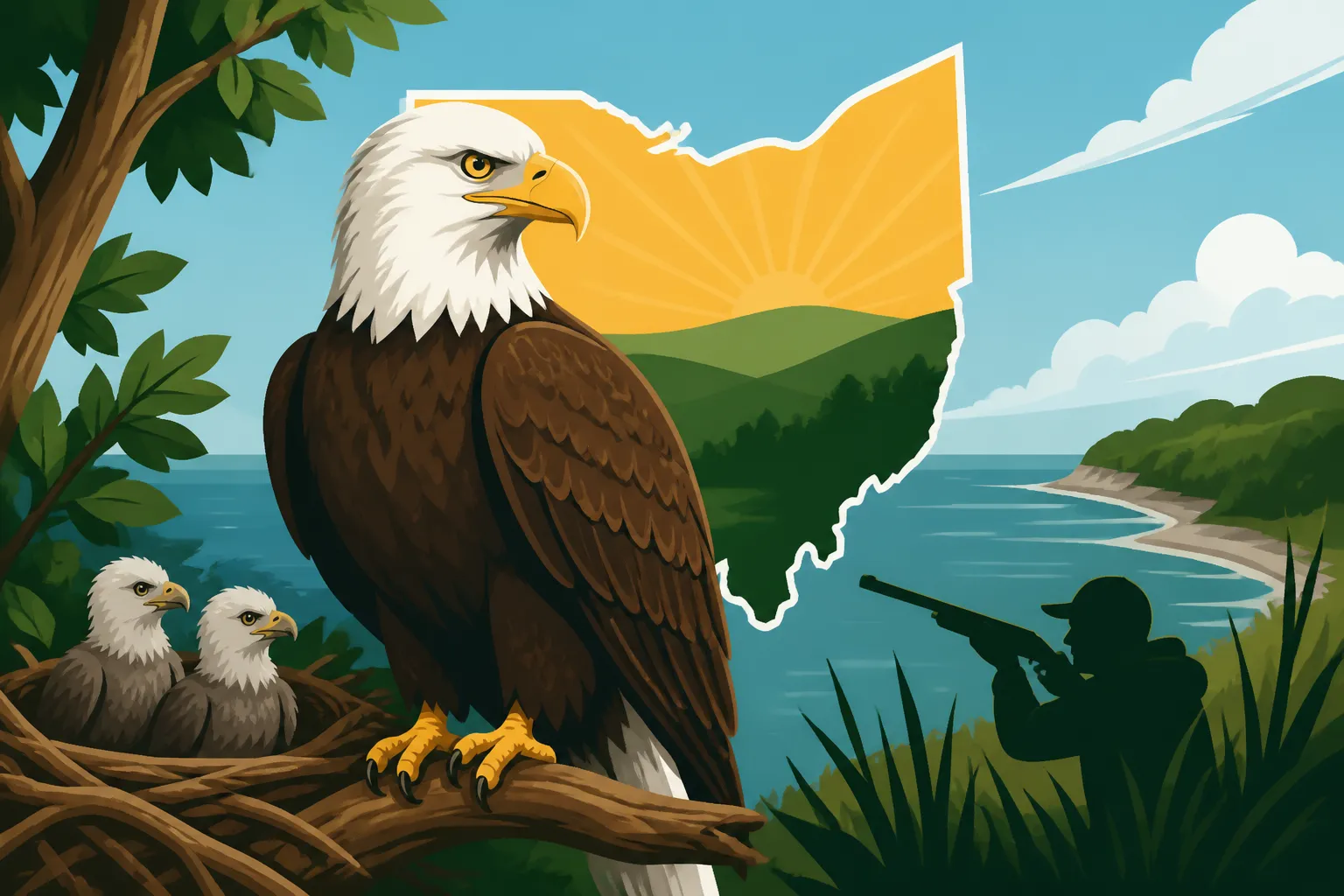
It's truly a remarkable thing to witness the comeback of a majestic species, especially one that was once teetering on the brink of disappearance from our great state. For years, seeing a bald eagle soaring over Ohio was a rare and almost mythical event, a reminder of what we'd lost. But that's no longer the case, particularly around the vast expanse of Lake Erie. This guide is all about celebrating that incredible success story, understanding how these magnificent birds made their return, and what their strong presence means for Ohio's natural landscape and the future of our wildlife.
The Historical Decline and Near Extinction of Ohio's Bald Eagles
It's hard to imagine now, with how frequently we spot bald eagles, but there was a time when the thought of seeing one in Ohio was a distant dream. Our national symbol had all but vanished from the skies, a stark reminder of environmental challenges and human impact on wildlife. The story of their decline is a somber chapter in our state's natural history, but one that paved the way for the incredible recovery we're celebrating today.
Why Bald Eagles Disappeared from Ohio
The reasons for the bald eagle's near extirpation from Ohio are complex, but fundamentally boil down to a perfect storm of environmental degradation and direct human impact. One of the primary culprits, and perhaps the most devastating, was the widespread use of DDT and other persistent pesticides after World War II. These chemicals, used heavily in agriculture, would wash into our waterways and accumulate in the food chain. Fish, a primary food source for eagles, would ingest these toxins, which were then transferred to the eagles themselves. The DDT didn't kill the adult birds outright, but it had a horrific effect on their reproductive success, causing their eggshells to thin to the point where they would crack under the weight of the incubating parent. Imagine the frustration and heartbreak of biologists watching nest after nest fail year after year, knowing these magnificent birds were trying their best but being undermined by an invisible enemy.
Beyond chemical contamination, habitat loss played a significant role. As Ohio developed, expansive forests were cleared for agriculture and urban expansion, reducing the number of large, mature trees eagles need for nesting. These birds require sturdy trees, often near water, that can support their massive nests and provide a clear vantage point for hunting. Furthermore, bald eagles faced direct persecution for decades. Many people, misunderstanding their role in the ecosystem, viewed them as competitors or threats to livestock and would shoot them. This combination of factors — toxic chemicals, shrinking habitat, and direct killing — pushed the bald eagle population in Ohio, and indeed across much of the contiguous United States, to alarmingly low numbers. By the early 1970s, Ohio had only a handful of nesting pairs, mostly clinging to existence in isolated pockets, a truly bleak outlook for such an iconic species.
The Long Road to Protection and Recovery Efforts
The dire situation facing bald eagles finally spurred significant action. The passage of the Endangered Species Act in 1973 was a monumental step, providing a critical legal framework for protecting species on the brink. Shortly after, the banning of DDT in the United States removed the most significant chemical threat to eagle reproduction. These legislative changes were foundational, but the eagles needed more direct help to recover. Conservation organizations and wildlife agencies, including the Ohio Department of Natural Resources (ODNR), embarked on ambitious recovery programs.
One of the most successful methods employed was "hacking." This involved taking eagle chicks from healthy populations in other states, often from larger clutches that might not all survive, and placing them in artificial nests (called hack towers or hacking boxes) in suitable Ohio habitats. These young eagles would be fed and monitored by humans, but with minimal contact, allowing them to imprint on the release area. Once they fledged, they would disperse, but often return to nest in the general vicinity where they were released, effectively re-establishing breeding populations. It was a painstaking, long-term effort, often fraught with challenges, but it worked. Alongside hacking, extensive efforts were made to restore and protect critical eagle habitat, especially wetlands and mature forests along waterways. Public education campaigns also played a vital role, shifting public perception from one of fear or indifference to one of admiration and stewardship. This long, arduous journey, filled with dedicated individuals and organizations, slowly but surely started to turn the tide, laying the groundwork for the incredible comeback we now witness. For more on how wildlife areas are managed, you might find How Ohio Wildlife Areas Are Managed insightful.
Lake Erie: A Sanctuary for Ohio's Eagle Resurgence
If you're wondering where this incredible eagle comeback truly took hold in Ohio, look no further than the shores of Lake Erie. This vast freshwater sea, with its sprawling marshlands and abundant fish populations, became the undeniable epicenter of the bald eagle's recovery in the state. It's a testament to the resilience of nature and the effectiveness of conservation efforts when a crucial ecosystem is protected and allowed to thrive.
Why Lake Erie Became the Epicenter of Recovery
Lake Erie wasn't just a good spot for eagles; it was the spot. The single most important factor was the incredibly rich and diverse fish population. Eagles are primarily piscivores, meaning they feast on fish, and Lake Erie provides an endless buffet. Whether it's carp, catfish, or various panfish, the waters offer readily available prey. This constant food source is absolutely critical for raising hungry eaglets and sustaining adult birds throughout the year. Imagine trying to raise a family without a consistent food supply – it's just not going to happen, and it’s the same for eagles.
Beyond the food, the geography and habitat surrounding Lake Erie are uniquely suited for eagles. The extensive marshlands, particularly in the western basin, provide ideal secluded nesting locations. These marshes are often dotted with large, old-growth trees like cottonwoods and sycamores that offer the sturdy platforms eagles need for their enormous nests. The sheer wildness and relative inaccessibility of many marsh areas provide the undisturbed peace these sensitive birds require during breeding season. Areas like the Magee Marsh Area Waterfowl Access and other significant marshlands were, and continue to be, vital nurseries for bald eagles. They provide not only prime nesting sites but also safety from excessive human disturbance, which is crucial during the vulnerable nesting and fledgling periods. It's truly a perfect storm of environmental factors converging to create an ideal environment for bald eagles to not just survive, but to truly flourish once again. If you're keen on exploring these vital habitats, you might also be interested in Hunting the Lake Erie Marsh Region.
The Growth in Nesting Pairs and Fledglings
The results of these concentrated efforts around Lake Erie have been nothing short of spectacular. From just a handful of nesting pairs surviving in the entire state in the 1970s, the numbers began a slow but steady climb in the 1980s and exploded in the decades that followed. It started with one or two new nests, then five, then ten, each new pair a beacon of hope. Soon, bald eagles were nesting in counties where they hadn't been seen in generations. The excitement among wildlife biologists and avid birdwatchers was palpable with every confirmed nest and, even more so, with every successful fledgling.
What's particularly amazing is how quickly the population grew once critical mass was achieved. The ban on DDT allowed birds to successfully reproduce, and the abundant food and protected nesting sites around Lake Erie meant high survival rates for the young. It created a ripple effect, with offspring from successful nests eventually dispersing and establishing their own territories, slowly spreading out from the Lake Erie stronghold to other suitable habitats across the state. While I can't give you current exact figures, it's widely recognized that the population has grown to hundreds of nesting pairs across Ohio, with the vast majority still concentrated in the northern counties adjacent to Lake Erie. It's a constant reminder that with dedicated conservation, even species brought to the brink can make an astonishing comeback.
Here's a quick look at the contrasting situations that defined the eagle's presence in Ohio:
| Aspect | Era of Decline (Mid-20th Century) | Era of Recovery (Late 20th – Early 21st Century) |
|---|---|---|
| Population Status | Critically endangered; few nesting pairs | Healthy and growing; hundreds of nesting pairs |
| Key Threat | DDT, habitat loss, persecution | Habitat fragmentation, lead poisoning (secondary) |
| Habitat Quality | Degraded; scarce large trees, polluted waters | Protected wetlands, abundant fish, mature forests |
| Reproduction | Very low success; thin eggshells | High success; healthy fledglings |
| Public Perception | Indifference, fear, or ignorance | Admiration, strong conservation support |
| Conservation Action | Limited initially; later, strong government bans | Active reintroduction (hacking), habitat protection |
| Primary Recovery Hub | N/A (scattered, struggling individuals) | Lake Erie and its extensive marshlands |
What Ohio's Eagle Recovery Means for Hunters and Wildlife Enthusiasts
The incredible comeback of the bald eagle in Ohio, especially around Lake Erie, is a win for everyone who cherishes our natural world. For hunters, anglers, and general wildlife enthusiasts, it offers a powerful example of successful conservation and highlights the health of our ecosystems. It also brings some new dynamics to the field, making the outdoors even more vibrant and awe-inspiring.
Coexisting with a Rebounding Predator
The return of bald eagles means more than just a beautiful sight in the sky; it signifies a healthy, functioning ecosystem. As apex predators, eagles play a vital role in maintaining the balance of their environment. They primarily prey on fish, but they're also opportunistic and will take waterfowl, small mammals, and carrion. For waterfowl hunters, seeing an eagle might mean a momentary lull in duck activity as the birds react to the aerial predator, but it’s a natural part of the wetland ecosystem. It reminds us that we're part of a larger, interconnected web of life. The presence of eagles is generally a sign of good habitat quality, which benefits many other species, including the ducks and geese hunters pursue. It adds another layer of appreciation to the hunt, knowing that you're sharing the landscape with such a magnificent bird.
It’s a natural process, and it shows the health of the system. While some might worry about eagles impacting game populations, their role is generally one of balance, often targeting sick or weak individuals, which can actually strengthen prey populations over time. Plus, let's be honest, who doesn't feel a thrill seeing a bald eagle circle overhead while waiting for the morning flight? It's an experience that enriches any day afield, whether you're chasing Ohio Waterfowl Hunting on Lake Erie and Inland or simply enjoying the wild. This majestic presence really adds to the overall outdoor experience, making every scouting trip or hunting excursion even more memorable. When you're out there, using a tool like GoHunt to mark potential hot spots for game, you might just find yourself marking an eagle's nest location too, simply because it's such an impressive sight.
Conservation Lessons and Future Stewardship
The bald eagle's recovery offers profound lessons in conservation that extend far beyond a single species. It demonstrates unequivocally that with concerted effort, scientific understanding, and legislative support, we can reverse environmental damage and bring species back from the brink. It highlights the critical importance of habitat preservation and pollution control – issues that benefit not just eagles, but all wildlife. The marshlands around Lake Erie, which were instrumental in the eagle's comeback, also provide vital habitat for numerous other species, from muskrats and mink to a wide array of migratory birds. Understanding the value of these areas for eagles reinforces their importance for broader ecological health.
For hunters, anglers, and all outdoor enthusiasts, this success story reinforces the concept of stewardship. Many of the conservation initiatives that brought the eagles back were funded, directly or indirectly, by hunting and fishing license fees and excise taxes on outdoor gear. This cycle of funding conservation through user fees is a powerful model that continues to sustain wildlife populations. The eagle's story encourages us all to continue supporting habitat protection, responsible land management, and efforts to monitor wildlife health, such as Ohio Wildlife Disease Monitoring. Tools like GoHunt can help individuals track and understand public lands, making it easier to see how conservation efforts play out on the ground. By staying informed through resources like Ohio Hunter Education Requirements and continuing to participate in responsible outdoor recreation, we ensure that Ohio remains a thriving home for eagles and countless other species for generations to come. The success of Ohio Osprey Nesting Platforms also offers a parallel tale of raptor recovery and the positive impact focused conservation can have.
Disclaimer
This article is for general informational purposes only and does not constitute professional advice. Laws, prices and regulations vary by location and change over time. Consult a qualified professional for guidance on your specific situation.