How Ohio Wildlife Areas Are Managed
It can be incredibly frustrating to head out to a public hunting spot, only to feel like you're constantly running into other hunters or finding areas that seem devoid of the game you're after. Sometimes it feels like these lands are just left to fend for themselves, or worse, managed without hunters in mind. But the reality is far more complex and involves dedicated efforts to balance ecological health with recreational opportunity. This guide will take a deep dive into how Ohio's wildlife areas are managed, giving you a clearer picture of the science, funding, and daily work that goes into making these public lands productive for both wildlife and hunters.
The "Why" Behind Wildlife Area Management
When we talk about Ohio's wildlife areas, we're not just talking about big blocks of woods. These are diverse landscapes, from dense timber to expansive wetlands, all with specific management goals designed to benefit a wide array of wildlife species. It's a delicate dance, trying to create and maintain habitat that supports everything from a healthy deer population to nesting waterfowl, while also providing meaningful recreational opportunities for folks like us.
Balancing Hunter Access with Habitat Needs
One of the core challenges in managing any public hunting land, especially here in Ohio where private land dominates, is balancing the sheer demand for access with the needs of the wildlife. Ohio's wildlife areas are intended to be multi-use areas, which means they aren't just for deer hunters. They also serve birdwatchers, hikers, anglers, and more. This can sometimes lead to what feels like crowded conditions, especially during peak seasons. However, the management approach is always trying to strike a balance, often through habitat manipulation. For instance, creating early successional habitat might be great for rabbits and grouse, but it also creates thick cover that limits long-range visibility for deer hunters, encouraging them to get in there and still-hunt. Similarly, wetland impoundments are managed meticulously to draw in migratory birds, which also means restricting access during certain sensitive periods to minimize disturbance. The aim is to provide diverse ecosystems that naturally spread out wildlife, and in turn, spread out hunter effort. Hunting Pressure on Ohio Public Land is a constant consideration, and managers try to mitigate it through strategic habitat creation and sometimes even through specific access rules.
The Role of Science and Data in Management
You might not always see it when you're walking through a wildlife area, but a tremendous amount of scientific research and data collection underpins every management decision. Wildlife biologists aren't just guessing; they're constantly monitoring populations, tracking habitat changes, and evaluating the effectiveness of different management techniques. This includes things like deer population surveys, turkey brood counts, and even detailed studies on mast production (acorns, hickory nuts) in specific timber stands. When new regulations or season structures are proposed, they're typically backed by years of data showing population trends and harvest impacts. For example, if a certain area shows a declining rabbit population, managers might implement habitat projects specifically aimed at creating more dense briar patches and old field conditions. This data-driven approach is vital, especially when dealing with complex issues like disease management or understanding the impact of environmental changes on wildlife populations. It ensures that efforts are targeted and have the best chance of long-term success.
Funding and Resources for Ohio Wildlife Areas
Maintaining hundreds of thousands of acres of public land isn't cheap, and it certainly doesn't happen magically. When we talk about how these wildlife areas are managed, it's impossible to ignore the financial backbone and the dedicated people who make it all possible. Understanding where the money comes from can help us appreciate the critical role hunters play in conservation.
Where the Money Comes From
The primary source of funding for Ohio's wildlife areas, and for wildlife management across the state, comes directly from hunters and anglers. This is often a point of pride, and rightly so! When you purchase an Ohio hunting license, a deer permit, or a fishing license, a significant portion of that money goes directly into a dedicated fund for wildlife conservation and management. This isn't just a state-level phenomenon either; the federal Wildlife Restoration Act, often called Pittman-Robertson, collects excise taxes on firearms, ammunition, and archery equipment, and then distributes those funds back to states for wildlife projects. So, every box of shotgun shells you buy, every new bow, contributes to the very lands you hunt. It's a self-sustaining model that has been incredibly successful in the United States. Without these consistent revenue streams, the ability to acquire new land, improve habitat, and enforce regulations would be severely limited. So, next time you renew your Ohio Resident Hunting License Options, remember you're not just buying a tag; you're investing in the future of Ohio's outdoors.
Staffing and On-the-Ground Efforts
Behind every healthy wildlife area is a team of dedicated professionals. From wildlife biologists who design long-term management plans to wildlife technicians who are out in the field running heavy equipment, planting food plots, and maintaining infrastructure, it's a labor-intensive endeavor. Imagine the effort involved in maintaining miles of access roads, erecting new signage, or conducting controlled burns across hundreds of acres. These staff members are the unsung heroes of public land hunting. They're often locals, intimately familiar with the specific challenges and opportunities of their assigned areas. They also work closely with volunteer groups and local communities, bringing in extra hands for projects and fostering a sense of shared stewardship. Their work is essential, not just for creating and maintaining habitat, but also for ensuring that these areas are safe and accessible for public use.
Habitat Management Techniques You'll See
If you spend enough time on Ohio's wildlife areas, you'll start to notice patterns in the landscape. These aren't random; they're the direct result of intentional habitat management designed to benefit specific species or achieve ecological goals. Understanding these techniques can give you an edge in Scouting Ohio Public Land Before Season and help you anticipate where game might be.
Forest Management for Deer and Turkey
Ohio's forested wildlife areas, especially in the eastern and southern parts of the state, are often managed with deer and turkey in mind. This means actively working with the timber to create diverse age classes and species composition. You might see areas that have recently been clear-cut, which, while initially stark, quickly regenerate into dense thickets of young trees and brush. These areas provide invaluable cover for deer fawns and bedding areas for mature bucks, as well as crucial brooding habitat for turkey poults. Conversely, older timber stands might undergo selective thinning, where certain trees are removed to allow remaining oaks and hickories to grow larger and produce more mast, a critical food source for both deer and turkeys. Prescribed burns are another tool, used to reduce understory competition, stimulate new growth, and improve forage quality on the forest floor. All these methods aim to create a mosaic of habitats, ensuring that deer and turkey have access to food, cover, and breeding grounds throughout the year. Knowing this can help you predict Where Shawnee State Forest Bucks Bed or where a Calling an Ohio Gobbler Off the Roost might be most effective.
Wetland and Waterfowl Impoundment Strategies
For those who love chasing ducks and geese, Ohio's numerous wetland wildlife areas are managed masterpieces. Think of places like Magee Marsh or Killdeer Plains. These areas often feature intricate systems of dikes, levees, and water control structures that allow managers to precisely control water levels. This controlled flooding and drawing down of water mimic natural cycles, promoting the growth of aquatic vegetation and moist-soil plants that provide crucial food and cover for migratory waterfowl. Crops like corn or millet might also be planted in impoundments, then flooded just before the migration, creating prime feeding areas. The timing of these drawdowns and flood-ups is critical and is often dictated by migration patterns and the needs of specific duck and goose species. These impoundments are incredibly dynamic and require constant monitoring and adjustment, turning vast expanses of land into productive feeding and resting grounds for tens of thousands of birds annually. This meticulous work is what makes Ohio Waterfowl Hunting on Lake Erie and Inland so productive in certain locations.
Early Successional Habitat for Small Game
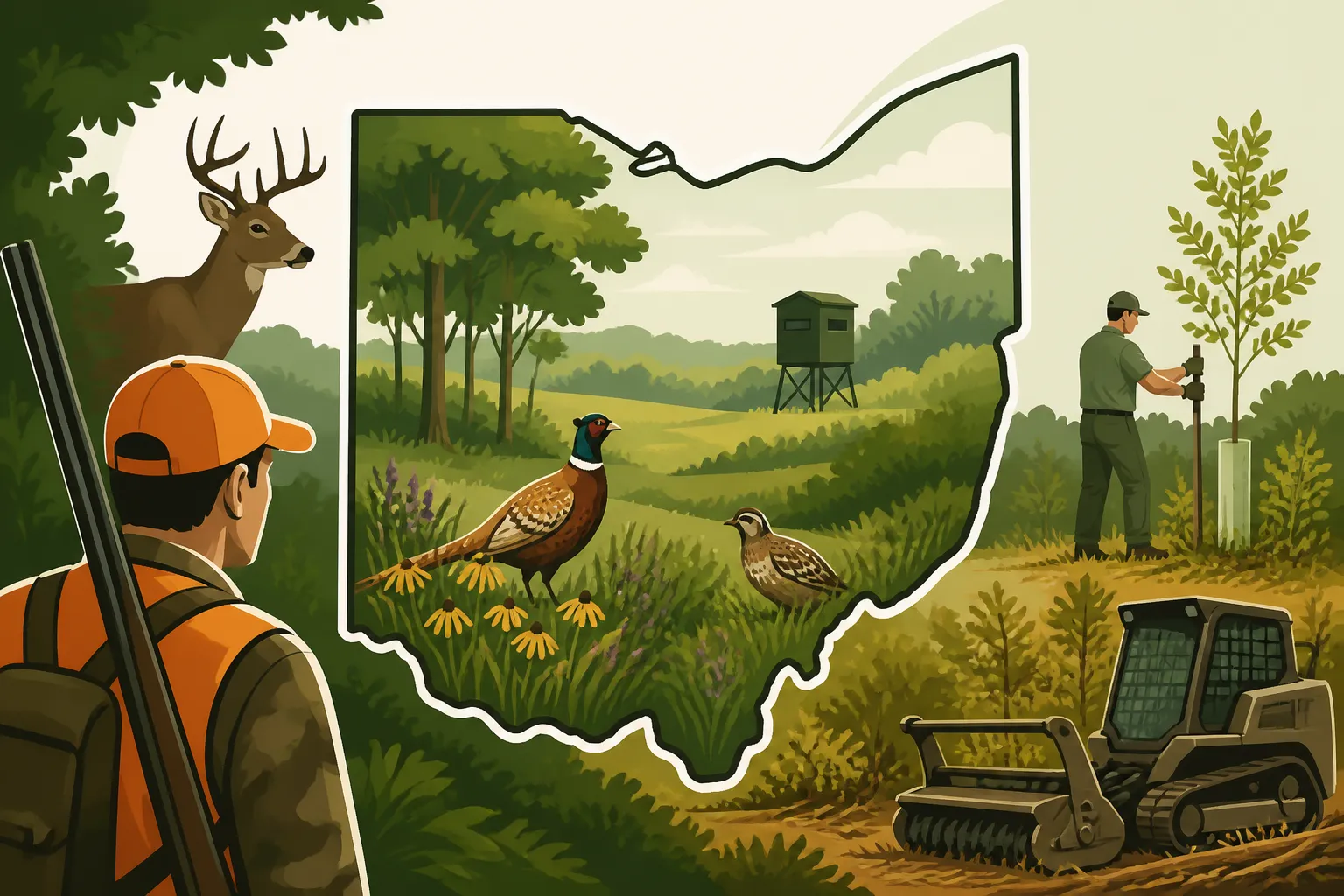
While big woods and wetlands often get a lot of attention, many Ohio wildlife areas are also dedicated to creating and maintaining early successional habitat, which is a fancy term for young forests, old fields, and brushy areas. This type of habitat is absolutely vital for species like rabbits, pheasants, and grouse. Management techniques here include mowing, discing, planting native grasses and wildflowers, and creating brush piles. These efforts provide the dense cover necessary for these small game species to evade predators, nest, and find food. You'll often see this kind of management along fencerows, field edges, and in areas transitioning from agricultural fields back to forest. The goal is to create a diverse patchwork of habitats, moving away from monoculture and towards a more varied landscape that can support a wider range of wildlife. For hunters pursuing Ohio Squirrel and Rabbit Season Rules, finding these managed early successional zones can be key to success.
Navigating Regulations and Access on Wildlife Areas
Understanding how wildlife areas are managed isn't just about habitat; it's also about knowing the rules of the road. Public lands come with public responsibilities, and part of effective management is ensuring that all users can enjoy these spaces safely and respectfully.
General Rules and Area-Specific Regulations
It's tempting to think that all public hunting land in Ohio operates under the same set of rules, but that's a common misconception that can lead to problems. While there are overarching state regulations regarding things like legal shooting hours or blaze orange requirements, each individual wildlife area often has its own specific set of regulations. These can cover everything from permitted hunting methods, designated parking areas, special permits for certain activities, or even restrictions on Treestand Rules on Ohio Public Land or Ground Blind Rules on Ohio Wildlife Areas. For example, some wildlife areas might have archery-only zones, while others might restrict vehicle access to certain roads. Always, always check the specific rules for the wildlife area you intend to hunt. Most wildlife areas will have signage at primary access points, and the Ohio Department of Natural Resources (ODNR) website is an invaluable resource for finding detailed information. It's not about making things complicated; it's about tailoring rules to the unique characteristics and management goals of each specific property.
Using Mapping Tools to Your Advantage
In today's hunting world, digital mapping tools have become indispensable for navigating and understanding public land, especially when it comes to managed wildlife areas. Apps like onX Hunt and GoHunt aren't just for showing you property lines; they can be powerful resources for deciphering management efforts. Many of these apps include layers that show different habitat types, recent timber cuts, and even aerial imagery that can reveal the effects of prescribed burns or wetland management. For instance, if you're scouting an area and see an old clear-cut on a satellite image, you can instantly recognize it as potential bedding cover for deer or a good spot for rabbits, knowing that this was likely a deliberate management decision.
These tools allow you to visualize the landscape in detail, identifying access points, understanding topography, and seeing how management practices have shaped the environment. You can mark potential stand locations, note areas of thick cover resulting from specific plantings, or identify marsh impoundments that have been drawn down for waterfowl. Being able to see these details from home, before you even step foot in the woods, can save you hours of on-the-ground scouting and give you a significant advantage in finding productive spots. Remember, the Using the Ohio HuntFish Map Tool is also a great resource directly from the ODNR.
The Future of Ohio Wildlife Area Management
Wildlife management is never static; it's a constantly evolving field that must adapt to new challenges and opportunities. Our wildlife areas will continue to change, reflecting new scientific understanding, shifting environmental conditions, and the ongoing needs of both wildlife and the hunting community.
Adapting to Climate and Disease Challenges
One of the most pressing challenges facing wildlife managers today, not just in Ohio but across the country, is adapting to the impacts of climate change and emerging wildlife diseases. We've seen shifts in weather patterns, more extreme events, and changes in plant communities, all of which affect habitat quality and wildlife behavior. Wildlife areas are at the forefront of studying these impacts and implementing resilient management strategies. For example, if certain native plant species are struggling due to warmer temperatures or altered rainfall, managers might introduce more resilient species that can still provide critical food and cover.
Perhaps even more immediately impactful are diseases like Chronic Wasting Disease (CWD). The presence of CWD in Ohio's deer herd, particularly in areas designated as the Ohio's Chronic Wasting Disease Surveillance Area, requires intense management efforts. This includes mandatory sampling, restrictions on carcass movement, and sometimes targeted herd reduction to try and limit disease spread. These are difficult decisions, and they directly affect hunters who use these wildlife areas. Managers rely on robust surveillance and research to guide these actions, aiming to protect the long-term health of the deer herd on public lands and beyond.
Engaging the Public and Local Communities
Effective wildlife area management isn't a top-down affair; it increasingly involves active engagement with the public and local communities. Managers understand that hunters, anglers, birdwatchers, and other outdoor enthusiasts are vital stakeholders. Public meetings, online surveys, and citizen science programs are all ways that the ODNR gathers feedback and shares information. This collaboration is crucial for several reasons: it ensures that management decisions reflect the values and needs of the people who use these lands, it builds public support for conservation initiatives, and it can even bring in volunteer labor for hands-on habitat projects. Whether it's helping with a cleanup day or participating in a deer harvest survey, your involvement makes a difference. After all, these are our public lands, and their long-term health is a shared responsibility.
Summary of Ohio Wildlife Area Management Approaches
| Management Technique | Primary Purpose | Key Target Species/Habitats | Hunter Impact |
|---|---|---|---|
| Forest Thinning | Improve mast production, stimulate understory growth | Deer, Turkey, Squirrels | Increased food availability, improved visibility for stalking |
| Clear-cutting/Regeneration | Create dense cover, early successional habitat | Deer (bedding), Turkey (brooding), Rabbits, Grouse | Excellent thick cover, often challenging to hunt but holds many animals |
| Prescribed Burns | Reduce fuel load, improve forage, control invasives | Deer, Turkey, Small Game, Prairie restoration | Encourages new growth, creates open understory, can temporarily displace game |
| Wetland Impoundment/Water Control | Create feeding/resting areas for migratory birds | Ducks, Geese, Shorebirds | Concentrates waterfowl, requires specific gear like waders/boats |
| Food Plot Planting | Supplement natural forage, attract game | Deer, Turkey, Rabbits | Attracts game to specific spots, can be good for stand hunting |
| Native Grass/Wildflower Planting | Establish nesting cover, insect habitat | Pheasants, Quail, Rabbits, Songbirds | Provides dense cover for small game, can be difficult to penetrate |
| Invasive Species Removal | Restore native plant communities, improve habitat | All species | Healthier ecosystem, better native food/cover sources |
Disclaimer
This article is for general informational purposes only and does not constitute professional advice. Laws, prices and regulations vary by location and change over time. Consult a qualified professional for guidance on your specific situation.