Jackson County Public Hunting Ground
Finding quality public hunting ground in Ohio, especially in the rugged, beautiful southeastern region, can feel like a daunting task for many hunters. You know the land holds big bucks and gobblers, but where do you even begin to unlock those opportunities without constantly running into other hunters? This guide will dive deep into Jackson County's public hunting offerings, providing actionable insights and strategies to help you navigate its unique terrain and make the most of your hunting seasons.
The Lay of the Land: Understanding Jackson County's Public Hunting Opportunities
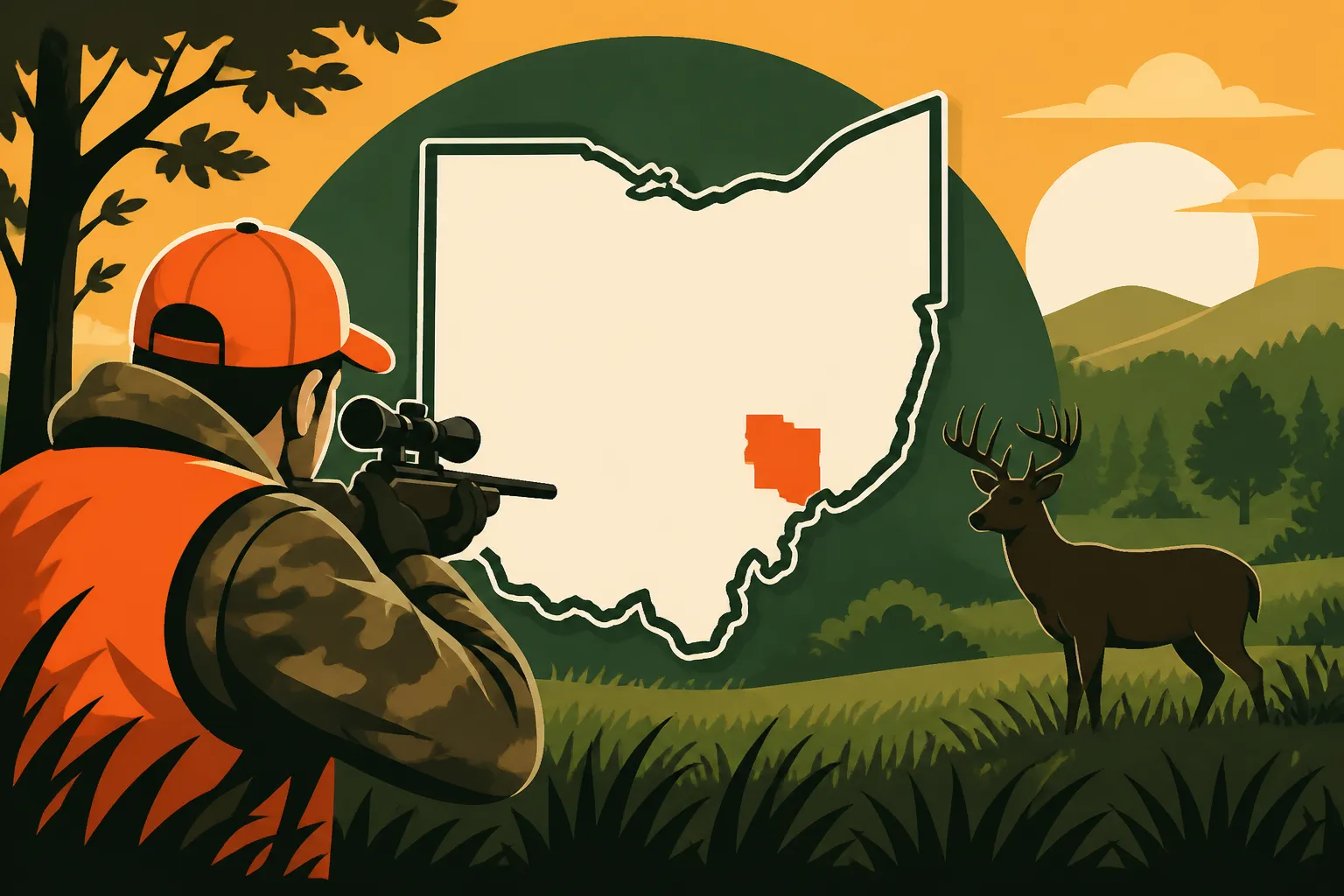
Jackson County, nestled in Ohio's unglaciated Appalachian foothills, presents a completely different hunting landscape than the flat, agricultural fields of the northern or western parts of the state. It's a place where timber reigns supreme, where steep ridges give way to deep hollows, and where the whitetail deer and wild turkey populations thrive in a more natural, less fragmented habitat. This kind of terrain offers incredible challenges and even greater rewards for those willing to put in the work. It’s not about finding a small woodlot edge next to a soybean field here; it’s about understanding vast expanses of forest and how game animals move through them.
Ohio's Southeastern Gem: Why Jackson County?
Jackson County is truly a gem for the Ohio hunter seeking a more traditional, big-woods experience. Its topography is characterized by rolling hills, steep ravines, and extensive timber tracts, predominantly hardwoods like oak and hickory. This rich forest provides ample food sources, from acorns in the fall to various browse throughout the year, sustaining robust populations of deer, turkey, and small game like squirrels. Unlike some of the heavily pressured public lands closer to major cities, Jackson County still offers a sense of wildness, a chance to truly immerse yourself in the hunt. The deer here tend to be a bit more wild, a little tougher to pattern, and when you finally connect, it feels like a real accomplishment. Plus, the sheer beauty of the landscape, especially during peak fall foliage or a crisp, late-season snow, adds an undeniable charm to any hunting trip. It's a place where the history of Ohio hunting feels palpable, a connection to how our ancestors might have pursued game. For those who appreciate effort and patience, Jackson County holds immense potential.
Major Public Land Holdings in Jackson County
When you look at a map of Jackson County, one name immediately jumps out for public hunting: Cooper Hollow Wildlife Area. This is the big one, the primary destination for many hunters eyeing this region. It’s managed by the Ohio Department of Natural Resources (ODNR) and encompasses thousands of acres, offering a diverse mix of habitat types. While other state forests like Tar Hollow and Vinton Furnace are relatively close, Cooper Hollow is firmly within Jackson County and provides the most direct and extensive public access for hunting within its borders.
Cooper Hollow is known for its rugged terrain, dense timber, and a good mix of mature woods, brushy clear-cuts, and some reclaimed strip mine land that now offers unique, thick cover. It's not uncommon to find smaller, scattered parcels of public access too, sometimes managed by the ODNR as part of other wildlife areas or state forests that might just clip the edge of the county. These smaller pockets can often be overlooked by the masses, presenting hidden opportunities for those willing to do their homework. The key is to know your boundaries, understand the specific regulations for each piece of land, and treat every public access point with respect. Checking the Ohio Wildlife Areas guide can give you broader context on how these areas are managed.
Navigating Jackson County's Wildlife Areas
Stepping into Cooper Hollow or any of the public lands in Jackson County requires a different mindset than hunting private farm country. This isn't a place where you can just hop out of your truck and expect to see deer immediately. The terrain demands physical fitness, careful navigation, and a keen eye for subtle signs. Success here often comes down to how well you understand the landscape and how game animals adapt to it, especially under hunting pressure.
Cooper Hollow Wildlife Area: A Closer Look
Cooper Hollow Wildlife Area, stretching across Jackson and parts of Gallia and Oak Hill counties, is a truly magnificent piece of public land. It spans over 5,000 acres, dominated by oak-hickory forests, which are absolutely crucial for deer and turkey during the fall mast crop. You'll also find various stages of forest succession, from young growth providing dense bedding cover to mature timber where deer might feed and travel. The topography is classic Appalachian Ohio: steep ridges, deep valleys, and winding creek drainages. This varied terrain means hunters need to be prepared for some serious uphill climbs and tricky descents, often with a deer on their back.
Hunting pressure can be significant during opening weekends of deer gun season or the spring turkey opener, especially near easily accessible parking areas. However, for those willing to hike a mile or more away from the roads, incredible opportunities for solitude and undisturbed game exist. Deer in Cooper Hollow are constantly moving between bedding areas on sunny south-facing slopes, feeding zones in oak flats, and water sources down in the hollows. Turkeys here thrive on the same mast crops and can be found roosting on the tallest trees along ridgelines. When planning a hunt here, think about the wind and thermals, which can be very tricky in this kind of broken topography. Early morning thermals tend to flow downhill, while evening thermals rise, but this can be disrupted by specific terrain features. A tool like onX Hunt is invaluable for dissecting the terrain and identifying potential travel corridors or secluded pockets.
Scouting and Accessing the Public Lands
Effective scouting is paramount when hunting public land in Jackson County. You can’t just show up on opening morning and expect to be successful. Start by using aerial maps – online resources or dedicated hunting apps like onX Hunt or GoHunt are absolute game-changers here. Look for subtle features: saddles in ridgelines that act as funnels, benches on steep hillsides where deer might travel or bed, thick clear-cuts offering bedding cover, and natural pinch points created by terrain or water. Pay close attention to features that are difficult for other hunters to access, such as areas across creeks or deep in hollows that require a long hike. These are often the spots where deer feel safest.
Once you’ve identified some promising spots on the map, it’s time for boots on the ground. Visit the area before the season opens, if possible. Walk the ridges, explore the hollows, and look for actual deer sign: rubs, scrapes, tracks, and droppings. Identify potential stand locations, considering prevailing winds and likely deer travel patterns. When you're in the field, always be mindful of boundaries. Ohio public lands are clearly marked, but having a GPS or a reliable mapping app on your phone is crucial to ensure you stay on public ground and avoid trespassing. Scouting Ohio Public Land Before Season is a great resource to learn more about pre-season preparation. Look for parking areas maintained by the ODNR, and always ensure you're not blocking gates or private driveways. Access can sometimes be tricky, with only a few main roads leading into larger tracts, so understand where you can legally park and enter.
Game Species and Hunting Strategies in Jackson County
Jackson County is a stronghold for Ohio's iconic game species, primarily white-tailed deer and wild turkeys. But don't overlook the incredible opportunities for small game either, especially squirrels, which thrive in the extensive hardwood forests. Understanding the behavior of these animals in this specific terrain is key to a successful hunt.
Whitetail Deer: Tactics for Hill Country Bucks
Hunting whitetails in Jackson County's hill country is a truly unique experience. These deer are often leaner, tougher, and warier than their farm-country counterparts, having to work harder for food and constantly navigate steep, broken terrain. Big bucks here earned their size by being elusive.
- Understanding Movement Patterns: Deer in this environment tend to stick to contours. They'll use benches, logging roads, and saddles to minimize energy expenditure. Look for these natural travel corridors. A saddle, a low spot in a ridge, acts like a highway for deer moving from one side to the other, especially during the rut. Identifying these subtle terrain features is critical for stand placement. Reading the terrain, similar to strategies discussed in Reading a Ridge for Southeast Ohio Deer, will give you a significant advantage.
- Treestand Setups: Due to the steep terrain, treestands are a popular and effective choice. Focus on setting up on benches, near active scrape lines along ridge tops, or overlooking natural funnels where two hollows converge. High-traffic areas between bedding and feeding zones are prime. Just like with Treestand Setups in Appalachian Ohio Hardwoods, elevation is your friend, helping your scent clear deer trails below. For those who prefer to keep their feet on the ground, properly brushed-in ground blinds can also be effective in thick clear-cuts or along the edge of dense cover.
- Still-Hunting and Drives: Given the dense woods, still-hunting – slowly slipping through the timber, stopping frequently to glass and listen – can be incredibly productive, especially during the archery and muzzleloader seasons. Moving slowly, paying attention to wind direction, and mimicking the pace of a feeding deer can allow you to spot wary bucks before they see you. For the firearm seasons, small, organized deer drives on public land, similar to Deer Drives With Three or Four Hunters, can be effective in pushing deer from known bedding areas in thickets towards waiting standers. Just be sure everyone knows the plan, safety is paramount, and you respect other hunters in the area.
- Late-Season Food Sources: As winter sets in, understanding Late-Season Food Sources for Ohio Whitetails becomes paramount. White oak acorns are gold, but once they're gone, deer will turn to remaining browse, honeysuckle patches, or any agricultural fields bordering the public land. Hunting cold fronts and snow events can also concentrate deer around limited food sources, making them more predictable.
Wild Turkey, Squirrel, and Other Opportunities
Jackson County isn't just for deer hunters. Its extensive forests are also a haven for wild turkeys and small game, offering fantastic opportunities for a diverse hunting experience.
- Wild Turkeys: Spring turkey hunting in Jackson County is fantastic. The rolling hills and deep woods provide ideal roosting and strutting habitat. Listen for gobblers on the roost from high points at dawn. Once you hear one, try to get as close as possible without spooking it, then set up and call him in. Patience is crucial, especially on public land where birds can be more call-shy. A good set of locator calls, followed by soft yelps and purrs, can be highly effective. Fall turkey hunting, which is shotgun-only in Ohio, is also an option in Jackson County. Ohio Spring Turkey Zones and Dates will help you plan your season, and Fall Turkey Tactics With a Shotgun Only can provide more in-depth strategies.
- Squirrel Hunting: For a relaxed and rewarding hunt, look no further than squirrel hunting in Jackson County. The abundant oak and hickory trees provide a consistent food source, meaning robust populations of both fox and gray squirrels. Early season, when the leaves are still thick, requires patience and good listening skills. Look for "cuttings" (gnawed nut shells) at the base of trees. As the leaves fall, squirrels become easier to spot but also warier. A .22 rifle or a small-gauge shotgun are perfect for squirrel hunting. Squirrel Hunting Ohio Hardwoods offers detailed advice for this classic pursuit.
- Rabbit and Other Small Game: While less prevalent in the deep woods, rabbits can be found in brushy clear-cuts, old field edges, and fencerows bordering the public land. Running beagles is a traditional and highly effective way to hunt rabbits here. Grouse, though declining statewide, can still be found in limited numbers in areas with specific early successional forest habitat, which might be present in some sections of Cooper Hollow. Always check the specific regulations for Ohio Small Game and Upland Bird Seasons before heading out.
- Coyotes and Predators: Jackson County's robust deer herd means a healthy population of coyotes and other predators. Coyote hunting is open year-round, and calling them in during the colder months can be an exciting challenge. These animals help keep the ecosystem in balance and offer additional hunting opportunities when deer and turkey seasons are closed. Coyote Calling in Ohio Winter provides great tactics for this.
Overcoming Challenges and Maximizing Your Hunt
Hunting public land in Jackson County, while rewarding, isn't without its challenges. Understanding and preparing for these hurdles will significantly increase your chances of a successful and enjoyable trip. From dealing with other hunters to packing the right gear, a thoughtful approach goes a long way.
Managing Hunting Pressure and Finding Seclusion
The biggest challenge on many public lands, including Cooper Hollow, is hunting pressure. During peak seasons, popular access points can see a lot of vehicles. However, "pressure" doesn't necessarily mean the entire area is swarming with hunters. It often means the areas closest to the roads or easiest to access are heavily used.
- Go Deeper: The simplest way to escape pressure is to walk farther than most other hunters are willing to go. A mile or two from a parking lot often puts you into areas that see significantly less disturbance. Use your mapping apps like onX Hunt or GoHunt to identify these remote pockets.
- Hunt Mid-Week: If your schedule allows, hunting on weekdays rather than weekends can drastically reduce the number of other hunters you encounter.
- Utilize Overlooked Cover: Don't shy away from areas that look "too thick" or "too nasty." Often, these are the places where mature deer will hold up under pressure. Clear-cuts, dense briar patches, or steep, rocky ravines can be perfect hideouts.
- Hunt the Edges: Sometimes, the edges of the public land, especially those bordering private property where hunting might be less intense or non-existent, can be excellent. Deer will often move back and forth, especially if the private land offers sanctuary or food. Always be meticulous about property lines. Finding Ground Others Walk Past discusses strategies for locating these hidden gems.
Essential Gear and Safety Considerations
The rugged nature of Jackson County's public lands means your gear choices are crucial, and safety should always be your top priority.
- Footwear is King: You'll be covering a lot of ground over uneven terrain. Invest in comfortable, waterproof, and supportive hunting boots. Good ankle support is non-negotiable on these steep hills. Boots for Ohio Mud and Snow are a must, especially during late fall and winter.
- Layered Clothing: Ohio weather is notoriously unpredictable. Dress in layers to adapt to changing temperatures and activity levels. Moisture-wicking base layers, insulating mid-layers, and a waterproof/windproof outer shell are ideal. Wool is a fantastic choice for quiet movement and warmth, even when wet. For deer seasons, remember Ohio's Ohio Blaze Orange Requirements.
- Navigation Tools: A reliable GPS unit or a smartphone with a hunting app (like onX Hunt) downloaded with offline maps is essential. Cell service can be spotty or nonexistent in many of the deep hollows. Always carry a compass and know how to use it as a backup.
- Packs and Hydration: A comfortable daypack is necessary to carry your essentials: water, snacks, extra layers, first-aid kit, game bags, and knives. For longer excursions or if you harvest an animal, a pack with a strong frame can make packing out much easier. Packs for a Day on Wayne National Forest gives you an idea of what works for similar terrain.
- First Aid and Emergency Gear: Always carry a basic first aid kit, a headlamp, fire-starting materials, and a small emergency shelter (even a large trash bag can work). Let someone know where you are hunting and when you expect to return.
- Game Retrieval: If you harvest a deer, getting it out of a steep hollow can be an epic task. Consider a deer drag, a sled, or even breaking the animal down into smaller pieces to pack out. Dragging a Deer Off a Steep Ridge is a skill you'll want to master in this kind of country.
- Firearm Safety: Always treat every firearm as if it's loaded. Know your target and what's beyond it, especially in dense woods where visibility can be limited. Communicate clearly with hunting partners if you're doing a drive.
Hunting Jackson County public ground is an experience that connects you to the wild heart of Ohio. It demands preparation, respect for the land, and a willingness to work for your success, but the rewards—a hard-earned buck, a gobbler answering your call, or simply the solitude of a deep woods morning—are immeasurable.
Disclaimer
This article is for general informational purposes only and does not constitute professional advice. Laws, prices and regulations vary by location and change over time. Consult a qualified professional for guidance on your specific situation.