Asking an Ohio Farmer for Permission
Finding prime hunting ground in Ohio often feels like searching for a needle in a haystack, especially if you're trying to escape the crowds of public land. Many hunters dream of gaining access to those well-managed private parcels, but the thought of approaching a landowner can be intimidating. This guide is all about giving you the tools, strategies, and confidence to respectfully approach Ohio landowners and secure those coveted private land hunting opportunities.
Why Private Land Matters So Much in Ohio
Let's be real: Ohio is a heavily populated state, and while we're fortunate to have some fantastic public hunting land, it can get a little cozy during peak seasons. That's why private land is such a game-changer for many hunters. It often holds less pressure, potentially more mature animals, and offers a sense of peace and solitude that's hard to find elsewhere.
The Pressure Cooker of Public Land
If you've ever tried to hunt opening weekend of gun season on a popular wildlife area, you know the drill. Trucks lining the roads, blaze orange moving through the woods in every direction – it can feel less like a hunt and more like a foot race. While places like Wayne National Forest or even smaller tracts like Woodbury Wildlife Area offer incredible opportunities, they also demand different tactics to find success, like hiking in deep or hunting overlooked pockets. The sheer number of hunters means deer patterns can be disrupted constantly. This pressure is a real frustration for many, pushing them to seek out quieter spots.
Private land, on the other hand, often provides a sanctuary. Deer on private land might stick to more consistent patterns, offering a better chance for a hunter who has done their homework and secured exclusive access. Imagine having a whole woodlot or a series of fencerows to yourself, knowing that your setup won't be ruined by another hunter walking through at first light. It's a luxury that many Ohio hunters yearn for, and it often starts with a polite conversation. This is especially true for elusive game like big whitetails, which often become more nocturnal or move to escape human activity.
The Agricultural Heartbeat of Ohio
Ohio's landscape is largely defined by agriculture. From the vast corn and soybean fields of Northwest Ohio near counties like Wyandot and Hardin, to the smaller, rolling crop fields interspersed with timber in the central and eastern parts of the state, farmland is king. This isn't just pretty scenery; it's a massive draw for deer and other game. These agricultural areas provide abundant food sources, making them prime hunting locations. However, this also means much of the best hunting ground is privately owned.
Farmers and other private landowners are often busy people, managing their crops, livestock, and livelihoods. Their land is their business, and granting hunting permission isn't something they take lightly. They worry about liability, property damage, and safety, as they should. Understanding this perspective is crucial. When you approach a farmer, you're not just asking for a place to hunt; you're asking for access to their private world and their livelihood. You're asking for a privilege, not a right. Recognizing this fundamental truth is the first step toward building a successful relationship and potentially gaining access to some incredible hunting.
Preparing for Your Permission Request
You wouldn't show up for a job interview without a resume, right? Think of asking for hunting permission in a similar light. Preparation is key to making a good impression and increasing your chances of success. It's about showing respect for the landowner, their property, and their time.
Doing Your Homework
Before you even think about knocking on a door or making a call, spend some serious time researching the area and the specific property you're interested in. Technology has made this easier than ever. Start with detailed mapping applications like onX Hunt. This isn't just about seeing property lines; it's about understanding the lay of the land, identifying potential bedding areas, food sources, and travel corridors on the private land itself. You can often see the landowner's name directly through these apps, which is a massive head start. Knowing who you're speaking to by name can instantly build a bit of rapport. You can also research property taxes or county auditor sites for landowner contact information.
Think about the game you're after. If it's deer, what kind of food sources are on the property? Are there woodlots connecting larger timber tracts? Are there thick fencerows that provide cover for rabbits or pheasants? The more you know about the property and its potential, the more informed and confident you'll be when you speak to the owner. This homework also helps you articulate why you're interested in their specific piece of land, showing that you've put thought into your request. For instance, you might identify a perfect Hunting a Funnel Between Two Woodlots that connects two prime feeding areas.
Another crucial piece of homework involves understanding the local regulations. Make sure you're familiar with Ohio Trespass and Permission Law, especially regarding posted land and what constitutes legal access. You don't want to make a bad impression by not knowing basic legal requirements. Tools like GoHunt can also offer valuable insights into game populations and harvest trends in specific regions, helping you target areas with higher potential and show the landowner you're serious about ethical and successful hunting.
Presenting Yourself Professionally
First impressions truly matter. When you approach a landowner, you want to convey responsibility, respect, and trustworthiness. Your appearance, attitude, and what you bring with you all play a role in this.
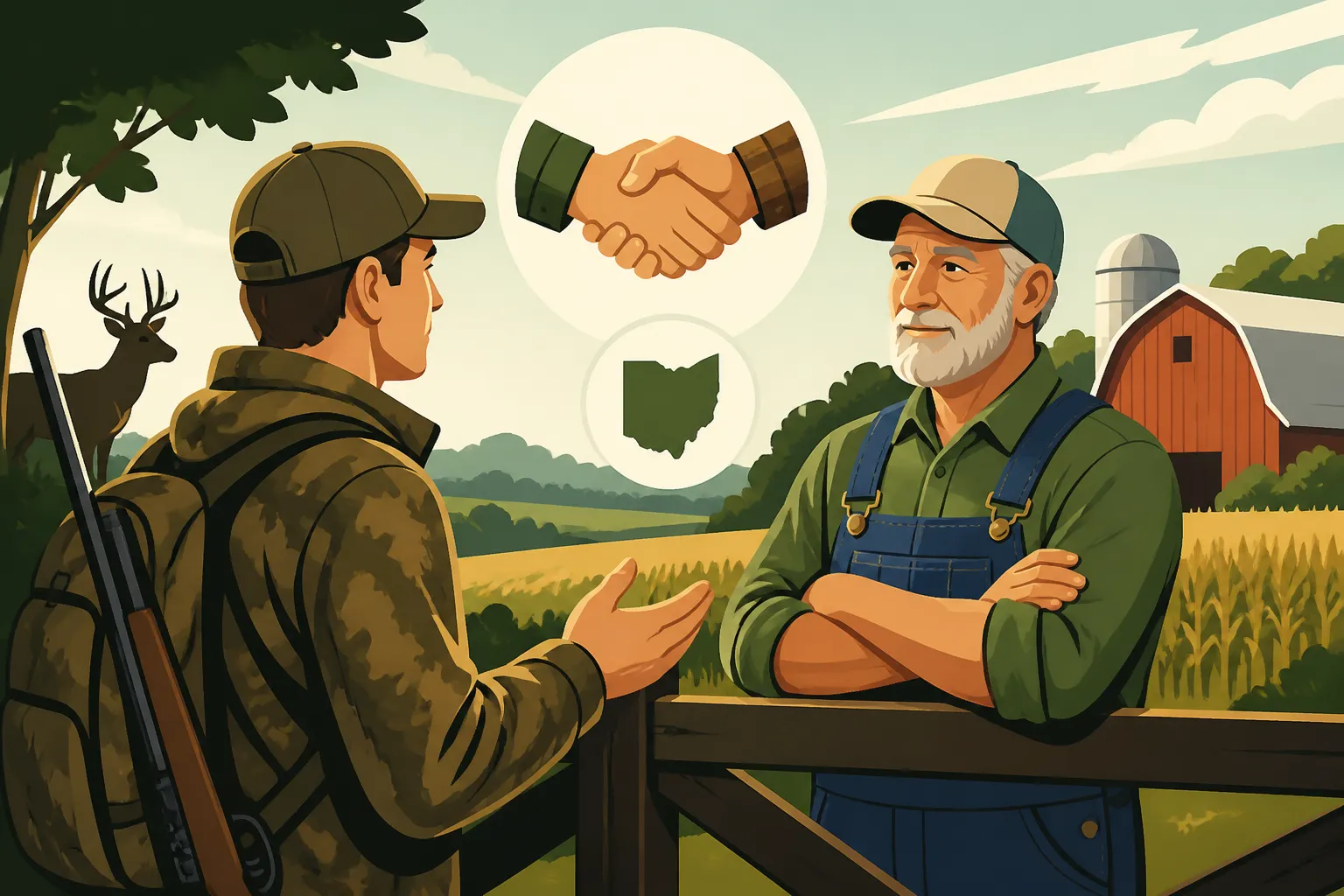
- Appearance and Attitude: Dress neatly and conservatively. You don't need to wear a suit, but don't show up in muddy hunting clothes or something disheveled. A clean shirt and jeans are usually fine. More importantly, have a respectful, friendly, and humble attitude. Make eye contact, offer a firm handshake if appropriate, and speak clearly. Start by introducing yourself and where you're from. Remember, you're asking for a favor, so gratitude and politeness go a long way. Avoid sounding entitled or overly familiar.
- Proof of Insurance: This is a big one. Many landowners are rightly concerned about liability. Offering to show proof of liability insurance (some hunting organizations offer this, or your homeowner's policy might cover certain aspects) can immediately put a landowner at ease. Even if they don't ask, having it ready demonstrates your thoughtfulness and commitment to safety.
- Hunter Education and References: If you're a newer hunter, mentioning your Ohio Hunter Education Requirements completion can show you've been trained in safety and ethics. If you have references from other landowners you've hunted for, or even personal references, this can also build trust. Perhaps you've helped another farmer with chores or have a clean record with the local game warden. These small details can tip the scales in your favor.
The Art of the Ask: Approaching an Ohio Farmer
Now for the moment of truth: making the actual request. This is where many hunters stumble, either by being too timid or too aggressive. It's a delicate balance, and there's definitely an art to it.
Timing and Approach
Timing can be critical. Avoid approaching farmers during their busiest seasons, like planting in spring or harvesting in fall. Their minds are on their crops, not on granting hunting access. Mid-summer (after hay is in, before corn harvest) or late winter (after hunting season, before spring work) can often be ideal. A weekend afternoon when they might be relaxing on their porch is often better than a weekday morning when they're likely already in the tractor.
- Door-to-Door: This is the most traditional and often most effective method. It shows initiative and allows for a face-to-face conversation. Knock politely, and if they answer, introduce yourself. If they're busy, offer to come back at a more convenient time. If they're not home, you can leave a neatly written note with your contact information, briefly stating your purpose.
- Letters or Emails: For landowners you can't reach in person, a well-written letter can be a good alternative. Keep it concise, polite, and professional. Briefly state your interest, your commitment to safety and respect, and your contact information. Avoid sending generic form letters; personalize each one.
- Networking: Sometimes, the best way to get on private land is through someone you know. Do you have friends, family, or co-workers who know farmers in your area? A personal introduction or a referral can open doors that a cold call never would. This is essentially Knocking on Doors in Ohio Farm Country with a warm lead.
What to Say (and What Not to Say)
Your conversation with the landowner should be clear, concise, and focused on building trust.
- Be Specific: Don't just ask, "Can I hunt your land?" Be specific about what you want to hunt (deer, turkey, squirrels), when (archery season, a specific weekend), and how (bow only, shotgun only). "Mr. Jones, my name is [Your Name], and I'm a safe, ethical bowhunter. I've noticed you have a beautiful woodlot on your property, and I was wondering if you might consider allowing me to archery hunt for deer there this fall." This shows you've thought about it and aren't just looking for a free-for-all.
- Offer Help: This is a golden ticket. Farmers are often overwhelmed with work. "I'd be happy to help you with any chores around the farm, like fixing fences, clearing brush, or stacking wood, in exchange for the opportunity to hunt." This reciprocity can be incredibly appealing and builds a partnership. Sometimes, even a simple offer to keep an eye on things when you're out there can be valuable.
- Manage Expectations: Be prepared for "no." A "no" isn't necessarily personal. The landowner might already have hunters, be dealing with issues, or simply not want anyone on their property. Thank them for their time regardless and move on. You can always ask if you might check back next year.
- Discuss Rules and Boundaries: Proactively discuss specific rules. Ask about areas that are off-limits, where to park, and if they have any concerns about specific hunting methods. This also touches on rules about Ohio Posted Land Rules and ensuring you understand their expectations for marking boundaries. It's much better to clarify these things upfront than to have a misunderstanding later.
Addressing Concerns
Landowners have legitimate concerns, and addressing them head-on demonstrates your reliability.
- Liability: Reiterate your commitment to safety and, if applicable, mention your liability insurance. You can also discuss signing a written agreement that outlines responsibilities, which some landowners prefer.
- Crop and Property Damage: Assure them you will respect crops, fences, and buildings. Explain how you plan to retrieve game safely and responsibly without damaging their property. If you're hunting near a standing soybean field, discuss your approach for Hunting a Standing Soybean Field or Entry Routes Through Standing Corn without trampling crops.
- Safety: Emphasize that you will always follow all safety protocols, including wearing required How Much Blaze Orange Ohio Requires during appropriate seasons and being aware of their family, livestock, and neighbors. Discuss specific shooting lanes and backstops to ensure their peace of mind.
- Neighbors: Ask if they have any concerns about neighbors seeing you or hearing shots. Offer to be discreet and ensure you won't cause any issues with adjacent properties. You might even ask if you need to coordinate with them if other hunters are using nearby parcels.
| Do When Asking for Permission | Don't When Asking for Permission |
|---|---|
| Do: Introduce yourself politely. | Don't: Show up unannounced during busy times. |
| Do: Dress neatly and respectfully. | Don't: Dress in muddy gear or look disheveled. |
| Do: Be specific about what you want to hunt. | Don't: Ask vague questions like "Can I hunt here?" |
| Do: Offer help with farm chores. | Don't: Expect free access without offering value. |
| Do: Bring proof of liability insurance (if available). | Don't: Ignore landowner liability concerns. |
| Do: Discuss safety and respect for property. | Don't: Make assumptions about rules or boundaries. |
| Do: Accept "no" gracefully and thank them. | Don't: Argue or act entitled if permission is denied. |
| Do: Follow up with a thank-you note. | Don't: Overstay your welcome or demand a decision. |
Maintaining the Relationship (and Getting Invited Back!)
Getting permission is just the beginning. The real work is in maintaining a positive relationship that ensures you get invited back year after year. This means consistently proving yourself to be a trustworthy, respectful, and helpful individual.
Being a Good Steward
Once you have permission, it's paramount to be an exemplary guest. This means strictly adhering to every rule the landowner sets, even if it seems minor. If they say no driving on certain paths, don't do it. If they ask you to only hunt a specific woodlot, stay within those boundaries. Your actions speak volumes. For instance, if you're hunting deer on their property, make sure you know the process for Checking an Ohio Deer Online and handle the harvest ethically and cleanly.
- Follow All Rules: This is non-negotiable. If you're told to only hunt with a bow during Bowhunting Ohio's Long Archery Season, don't show up with a firearm during gun season. If they ask you to park in a specific spot, always park there.
- Leave No Trace: Pack out everything you pack in. Don't leave trash, spent casings, or any signs that you were there, except perhaps some tracks. Be mindful of game waste after a harvest and discuss with the landowner how they prefer you dispose of it.
- Report Issues: Be an extra set of eyes and ears for the landowner. If you notice a broken fence, a suspicious vehicle, or any other issue, report it to them immediately. This shows you care about their property as much as they do.
- Share Your Harvest (if appropriate): While not required, offering to share some venison or a wild turkey breast can be a wonderful gesture of appreciation. Even if they decline, the offer itself strengthens the bond.
The Long Game
Building trust takes time. Don't expect to be granted full access to the entire farm overnight. Start small, prove yourself, and over time, that trust will grow. A handwritten thank-you note after your first successful hunt, or even after a season without success, goes a long way. Checking in with them occasionally, even outside of hunting season, just to say hello or offer help, reinforces your commitment to the relationship. You're aiming for a long-term partnership, not a one-time transaction.
Sometimes, a landowner might be dealing with a specific problem, like excessive deer damage to crops. In these cases, your hunting can be a direct service. Ohio offers programs like Ohio Deer Damage Control Permits for Farmers which allow landowners to address agricultural damage. If you can help them mitigate such issues, you become an invaluable asset, not just a hunter.
Considering a Lease or Barter
While many hunters prefer free permission, sometimes a landowner is open to a more formal arrangement. This could involve a small monetary lease fee or a more extensive barter agreement for services.
- Leasing: For highly desirable properties, a hunting lease might be an option. This is a contractual agreement where you pay for exclusive hunting rights for a specified period. The cost can vary significantly based on location, acreage, and game potential. This is often more common for larger tracts or for those seeking exclusive access to premium ground. Remember, even with a lease, respect and communication remain paramount.
- Barter for Services: This is often the most mutually beneficial arrangement for Ohio farmers and hunters. It could involve helping with planting, fence repair, haying, barn maintenance, or even just keeping gates closed and checking livestock. Your sweat equity can be worth more than money to a busy farmer. This ties back to the initial offer of help and builds a tangible, reciprocal relationship. For example, if you're a skilled handyman, offering to fix a leaky barn roof could easily earn you a season's worth of prime deer hunting.
Building relationships with landowners is one of the most rewarding aspects of hunting. It's about more than just bagging an animal; it's about connecting with the land and the people who steward it. Take the time, put in the effort, and you might just find your own piece of Ohio hunting heaven.
Disclaimer
This article is for general informational purposes only and does not constitute professional advice. Laws, prices and regulations vary by location and change over time. Consult a qualified professional for guidance on your specific situation.