Where Ohio Bobcats Are Rebounding
For so long, the idea of seeing a bobcat in Ohio felt like a far-fetched dream, a relic of pioneer days. It's frustrating when you hear whispers but never quite know where these elusive felines are actually making a comeback. This guide is here to shed light on exactly where Ohio's bobcat population is not just surviving, but truly beginning to thrive again, offering insights into their preferred haunts and how their return signals a healthier ecosystem.
The Remarkable Comeback of Ohio's Bobcats
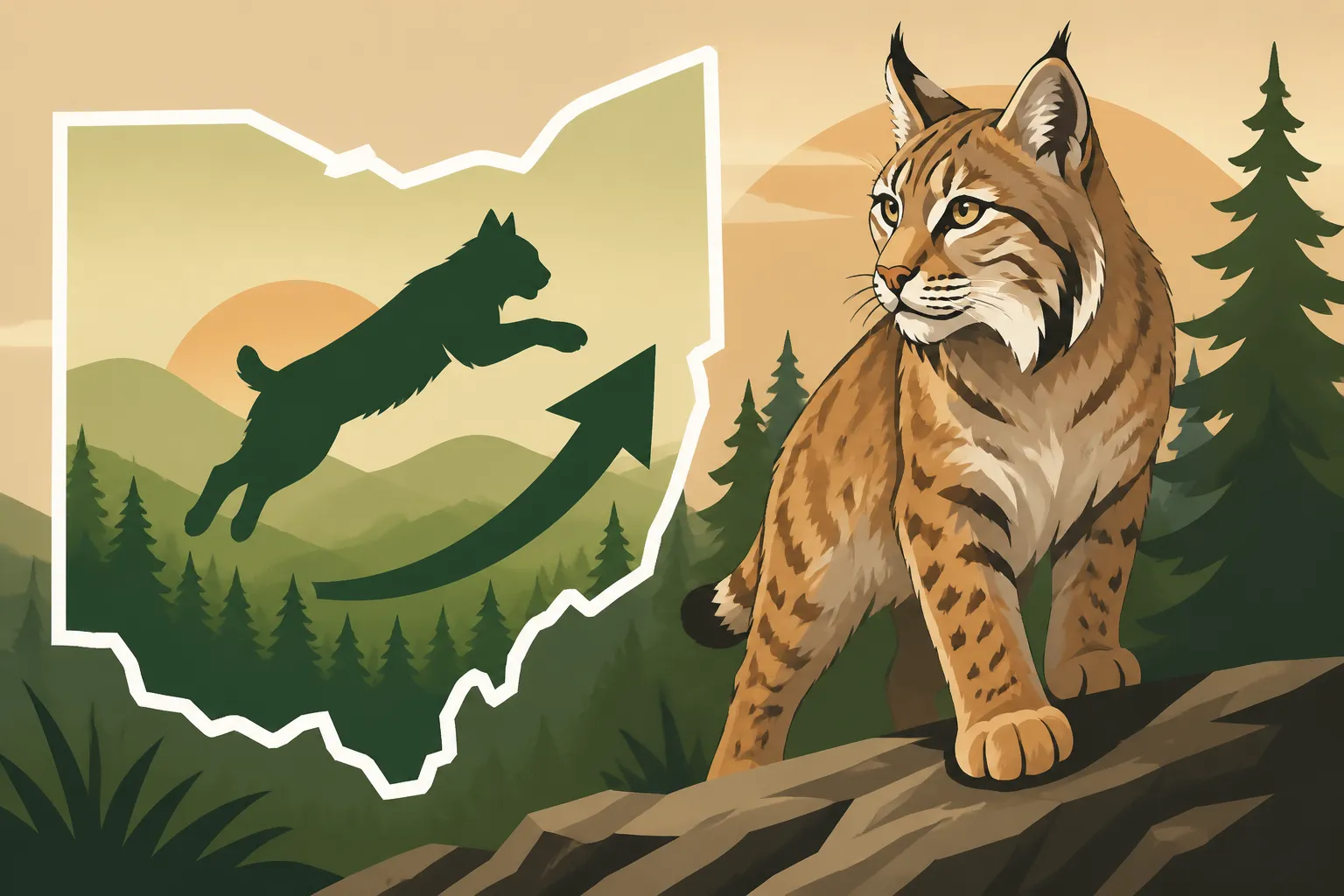
It's truly a testament to conservation efforts when a species once thought gone forever starts to reclaim its old territory. For decades, Ohio's bobcat population was, for all intents and purposes, extirpated. Habitat loss, unregulated hunting in earlier eras, and a general lack of understanding about their needs pushed them out of the picture. But over the last few decades, these secretive predators have been slowly but surely returning, primarily in the unglaciated, rugged landscapes of southeastern Ohio. It wasn't an overnight phenomenon; it's been a quiet, gradual expansion, driven by reforested areas and more abundant prey populations.
A Brief History of Ohio's Elusive Felines
If you ask older generations of hunters and outdoors enthusiasts, they'll tell you stories of a time when bobcats were just that—stories. The last confirmed breeding populations were believed to have vanished from Ohio by the mid-1800s. Early settlement and the widespread clearing of forests for agriculture left little room for a wilderness-dependent creature like the bobcat. They need dense cover, a good supply of small game like rabbits and rodents, and enough seclusion to raise their young. Without these vital elements, their numbers dwindled to nothing.
Fast forward to the late 20th century, and things started to shift. Ohio's forests began to recover, especially in the Appalachian foothills. Abandoned farms reverted to woodland, and state and federal forests matured, creating the dense undergrowth and contiguous habitat that bobcats crave. The first modern, confirmed sightings started trickling in from the southeastern counties in the 1970s and 80s, often reported by deer hunters or trappers who stumbled upon one by pure chance. These early pioneers were the vanguard of what would become a slow, but steady, repopulation.
Why Ohio's Appalachian Foothills Are Key
The reason the bobcat comeback is so concentrated in southeastern Ohio isn't just about good luck; it's about the unique landscape. This region, often referred to as Ohio's "Little Appalachia," was largely untouched by glaciation, resulting in steep hills, deep ravines, and extensive tracts of unbroken forest. This rugged terrain was less suitable for large-scale agriculture, meaning more continuous forest cover remained or was able to regenerate. Areas like the Wayne National Forest and Shawnee State Forest are perfect examples. These expansive blocks of public land provide the critical components bobcats need: dense forest cover for concealment, rocky outcrops for dens, and a rich diversity of prey animals.
This environment also supports a diverse prey base, including white-tailed deer fawns (a seasonal food source), rabbits, squirrels, wild turkeys, and a variety of rodents. Critically, these areas also tend to have lower human population densities compared to the central and northern parts of the state, offering the solitude these shy animals demand. It's a complex mosaic of steep slopes, mature timber, and thickets that makes it challenging for humans to navigate but ideal for a camouflaged hunter like the bobcat. You can learn more about specific hunting areas in this region by checking out Hunting Southeast Ohio Appalachian Foothills.
Where Bobcats Are Making Their Strongest Stand
While bobcats are expanding, there are definitely hotspots where your chances of encountering one, or at least finding their sign, are significantly higher. These areas share common characteristics that make them prime bobcat country.
Core Counties and Their Habitats
The heart of Ohio's bobcat resurgence lies in a cluster of southeastern counties. Historically, sightings were sporadic, but now, a handful of counties consistently report high numbers of confirmed bobcat observations. Monroe, Noble, Belmont, Washington, Athens, Vinton, Jackson, and Scioto counties are frequently cited as having the most robust and growing populations. These areas are characterized by vast stretches of deciduous forest, interspersed with rocky bluffs, deep creek drainages, and brushy clear-cuts.
Within these counties, look for habitat that features a mix of dense undergrowth and mature timber. They particularly favor areas near water sources, such as streams and rivers, which often have thick riparian vegetation that provides both cover and a steady supply of prey. Hikers and shed hunters in these regions often report finding tracks or scat, especially in remote hollows or along less-traveled logging roads. While bobcats are elusive, understanding where they prefer to roam significantly increases your chances of spotting one. Finding Sign in Big Appalachian Timber is a great resource for identifying other animal sign in these woods, which might indirectly lead you to bobcat activity.
Public Lands as Bobcat Sanctuaries
Ohio's public lands play an absolutely critical role in the bobcat's recovery. These large, contiguous tracts of forest offer the expansive, undisturbed habitat that bobcats require.
- Wayne National Forest: Spanning over a quarter-million acres across multiple units, particularly in Athens, Perry, Washington, Monroe, and Lawrence counties, Wayne National Forest is arguably the stronghold for Ohio's bobcats. Its rugged topography, dense hardwood forests, and numerous ravines provide ideal denning sites and hunting grounds. Hunters scouting deer or turkey in areas like the Athens Unit or Ironton Unit often report bobcat sightings. The sheer size of this area offers the necessary solitude. You can explore Wayne National Forest Hunting for more details on this expansive area.
- Shawnee State Forest: Located in Scioto and Adams counties, Shawnee is often called "Ohio's Little Smokies" for good reason. Its incredibly steep hills, deep hollows, and vast, unbroken forest cover make it perfect for bobcats. The dense canopy and rugged terrain limit human disturbance in many areas, creating prime bobcat territory. Shawnee State Forest Hunting provides excellent information for exploring this beautiful forest.
- State Forests & Wildlife Areas: Beyond the national forest, other state forests like Zaleski State Forest, Tar Hollow State Forest, and Vinton Furnace State Forest also hold significant bobcat populations. Many of Ohio's larger wildlife areas in the southeastern region, especially those with extensive timber and less open ground, can also be good places to look. Using mapping tools, such as those available through GoHunt, can help you identify these vast stretches of public land and pinpoint areas with dense cover and rugged terrain, which are ideal for bobcats.
Table: Prime Ohio Counties for Bobcat Activity
| County | Primary Public Land Access | Key Habitat Features | Likelihood of Activity |
|---|---|---|---|
| Athens | Wayne National Forest (Athens Unit) | Hilly, mixed hardwood forests, deep ravines, dense undergrowth | High |
| Monroe | Wayne National Forest (Marietta Unit) | Rugged hills, extensive mature timber, remote hollows | High |
| Scioto | Shawnee State Forest | Steep ridges, deep valleys, large unbroken forest blocks, rocky outcrops | High |
| Vinton | Vinton Furnace State Forest, Tar Hollow | Rolling hills, mature oak-hickory forests, numerous creeks | Medium-High |
| Washington | Wayne National Forest (Marietta Unit) | Rolling hills, extensive forest cover, proximity to Ohio River | Medium-High |
| Noble | Local state lands | Hilly terrain, patchwork of forest and old fields, dense brush | Medium-High |
| Jackson | Jackson/Vinton State Forest | Mixed forests, stream valleys, less rugged than Scioto but good cover | Medium |
| Belmont | Eastern foothills | Mixed woodlands, agricultural edges, dense fencerows, less contiguous forest | Medium |
The key takeaway is that these bobcat strongholds are not typically flat, manicured farm fields. They are wild, rugged, and often challenging landscapes, which is precisely why these resilient creatures have chosen them for their comeback.
Understanding Bobcat Habitat and Behavior
To truly appreciate where bobcats are making their comeback, it helps to understand what makes a particular patch of woods "bobcat approved." These aren't creatures of wide-open spaces; they are masters of stealth and concealment, and their habitat preferences reflect that.
What Makes Good Bobcat Habitat
Bobcats are incredibly adaptable, but they have a clear preference for areas that offer a combination of dense cover, a reliable food source, and suitable denning sites. Think about a remote hillside in southeastern Ohio:
- Dense Cover: This is paramount. Bobcats rely on thickets, brush piles, fallen timber, and dense undergrowth to stalk prey and avoid detection. Clear-cuts that are 5-15 years old, with their regenerating saplings and briars, are often prime hunting grounds. Mature forests with a thick understory also provide excellent cover.
- Rocky Outcrops and Caves: These are essential for denning, especially for females raising kits. They offer protection from predators (though adult bobcats have few natural predators) and the elements. You'll often find them near large rock formations or along rocky bluffs overlooking creek bottoms.
- Water Sources: Like most wildlife, bobcats need access to water. Stream beds, creek drainages, and river corridors often provide excellent travel routes and hunting opportunities, as other game animals also frequent these areas. The dense vegetation along these waterways offers additional cover.
- Prey Abundance: A healthy bobcat population depends on a healthy prey base. This includes rabbits, squirrels, mice, voles, and occasionally, larger animals like deer fawns or wild turkeys. Areas with a good mix of these small game animals will naturally attract bobcats. When you're using tools like GoHunt to scout areas, look for those overlapping layers of dense cover, water, and potential prey habitat.
Signs to Look For in the Field
Actually seeing a bobcat is a rare treat. They are crepuscular, meaning most active at dawn and dusk, and inherently shy. However, finding their sign can be just as exciting and confirms their presence in an area.
- Tracks: Bobcat tracks are typically rounder and smaller than a coyote or domestic dog track, usually 1.5 to 2.5 inches in diameter. You'll notice they typically don't show claw marks (like a domestic cat's tracks), and the heel pad has a distinctive three-lobed appearance at the back. Look for them along muddy creek banks, dusty logging roads, or in fresh snow.
- Scat: Bobcat scat (droppings) is usually segmented and often contains fur, bone fragments, or feathers from their prey. It's often deposited in a prominent location, like on a log or rock, possibly as a territorial marker.
- Scratch Marks: Similar to domestic cats, bobcats will scratch trees to sharpen their claws and mark territory. Look for vertical claw marks on tree trunks, especially on softer barked trees.
- Rub Marks: Occasionally, bobcats will rub against trees or rocks, leaving scent. These are harder to spot but can be indicated by tufts of fur caught on rough bark or thorns.
- Carcasses: While they don't typically leave obvious signs of kills like a coyote might, you might stumble upon cached prey, particularly smaller animals, partially covered with leaves or dirt.
Finding these signs requires patience and a keen eye, but it's often the best indicator that you're in active bobcat territory. Remember, these animals are part of the wild beauty of Ohio, and understanding their behavior is key to appreciating their role in the ecosystem.
Ethical Wildlife Viewing and Conservation
The return of the bobcat is a massive success story for Ohio's wildlife and a source of pride for anyone who values wild places. With their comeback comes a responsibility to respect their space and ensure their continued flourishing.
Respecting Their Space and Their Habitat
Bobcats are not accustomed to human presence, and their shy nature is part of what allowed them to survive in the remote corners of the state. If you are lucky enough to spot a bobcat, remember these guidelines:
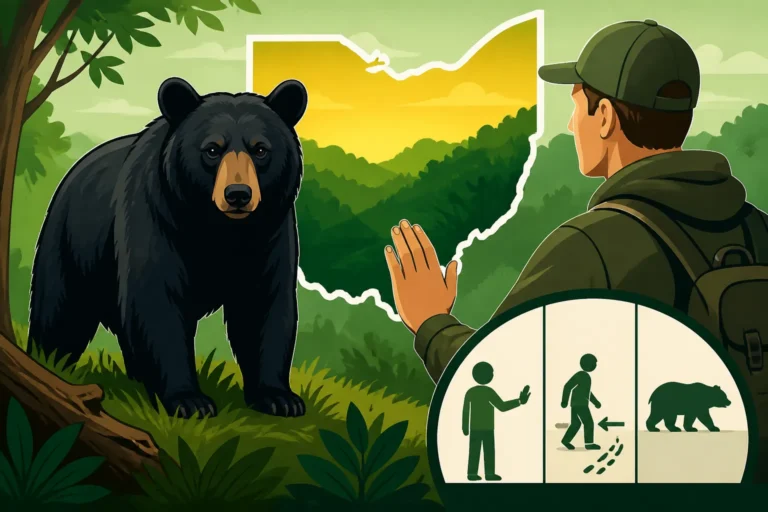
- Maintain Distance: Never approach a bobcat. Observe from afar, using binoculars or a spotting scope if you have them. Their natural fear of humans is vital for their survival.
- Minimize Disturbance: If you find a den site or a place with strong bobcat sign, try not to linger. Excessive human presence can cause stress and potentially lead the animals to abandon the area.
- Leave No Trace: Always practice Leave No Trace principles. Pack out everything you pack in, and leave the natural environment as undisturbed as possible. This is crucial for all wildlife, including bobcats.
- Know the Rules: Be aware of any local regulations regarding public land use, especially concerning off-trail travel or nighttime activity, which could inadvertently disturb nocturnal animals.
The goal is to appreciate their presence without impacting their behavior or survival. Ohio's bobcat population is still relatively small compared to other states, and every individual is important.
The Role of Bobcats in Ohio's Ecosystem
The return of the bobcat is more than just a novelty; it signals a healthier, more balanced ecosystem. As apex predators in their local environment, bobcats play a crucial role in controlling populations of small game animals like rodents and rabbits. This natural regulation helps prevent overpopulation of prey species, which can lead to habitat degradation and disease.
Their presence indicates that the wild places of Ohio are resilient and capable of supporting complex food webs. They are an indicator species, meaning their health reflects the health of the broader environment. When you see a bobcat or their sign, you're not just seeing an animal; you're seeing proof that Ohio's conservation efforts are working, that the forests are maturing, and that the wild heart of the state is beating strong. It's a powerful reminder of the value of preserving large, unfragmented habitats, like those found in Public Hunting Land in Ohio, for all creatures, great and small.
Reporting Sightings and Their Importance
If you're fortunate enough to have a bobcat sighting, especially one with clear photo or video evidence, reporting it to the Ohio Department of Natural Resources (ODNR) can be incredibly valuable. While ODNR continuously monitors bobcat populations through various methods, citizen reports help fill in the gaps and provide real-time data on distribution and expansion. These reports help wildlife biologists understand population trends, identify new areas of expansion, and inform management strategies.
Each report contributes to a more complete picture of this incredible comeback story. Remember, while bobcats are making a strong return, their legal status in Ohio means they are a protected species with no open hunting season. You can learn more about this by reading Why Ohio Bobcats Have No Open Season. Their future success depends on our collective respect and continued commitment to habitat preservation.
Disclaimer
This article is for general informational purposes only and does not constitute professional advice. Laws, prices and regulations vary by location and change over time. Consult a qualified professional for guidance on your specific situation.