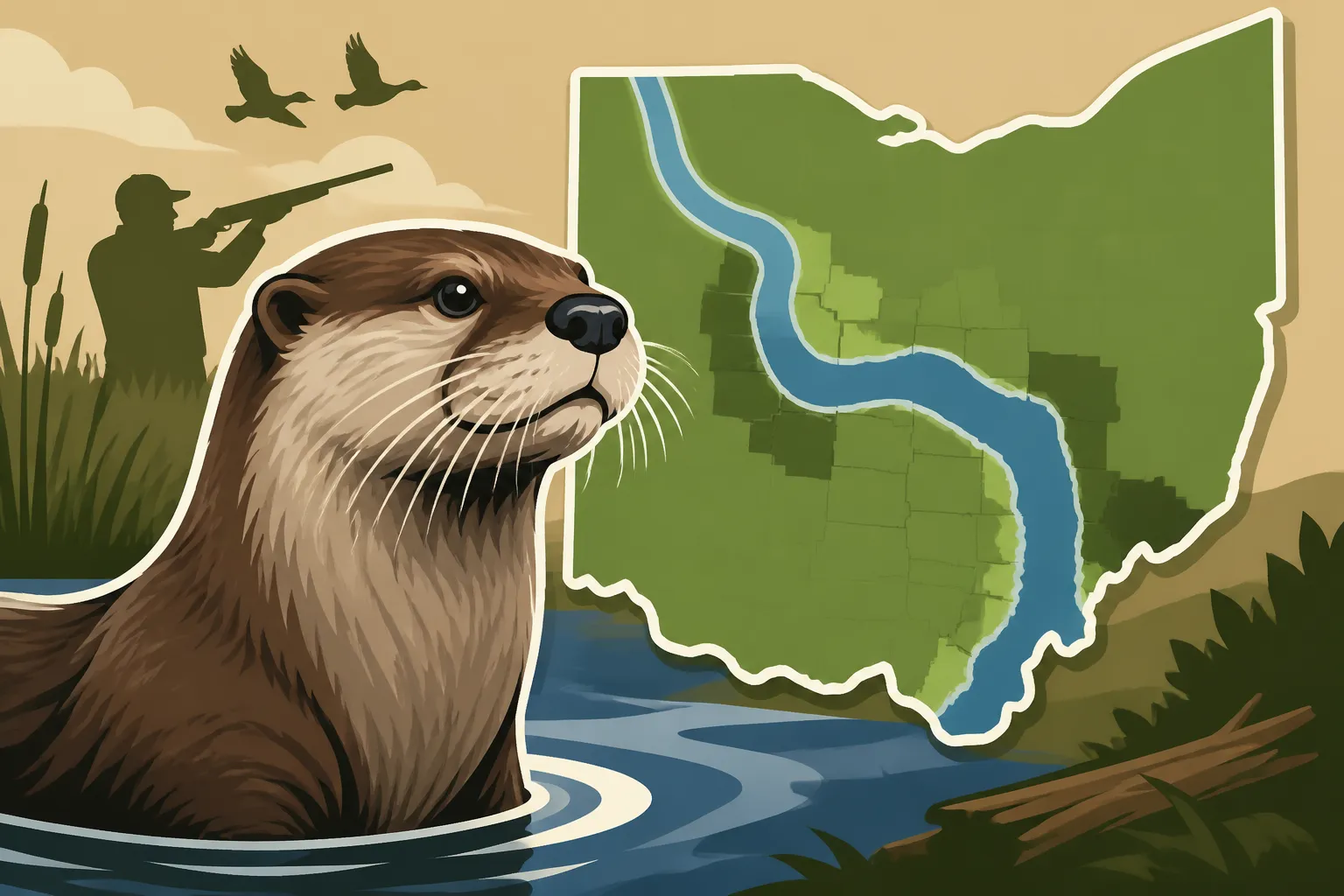
Ohio River Otter Range Today
For many Ohioans, the idea of seeing a wild river otter probably felt like a distant dream just a few decades ago. It's a real joy, and frankly, a bit of a miracle, to think about how they've bounced back. If you’ve been out on the water, whether it’s fishing a quiet creek or duck hunting a marsh, and you’ve caught a glimpse of one of these playful, sleek creatures, you know it's a truly special moment. This guide is all about understanding where these remarkable furbearers are thriving across Ohio today and why their presence is such a big deal.
A Remarkable Comeback Story: Ohio's Otter Restoration
It wasn't always this way, you know. There was a time when the thought of spotting a river otter in Ohio was almost laughable. Their return is a testament to dedicated conservation efforts and a lot of hard work.
From Extirpation to Reintroduction
Let's rewind a bit. Ohio's river otters, much like many other native species, faced really tough times. By the early 1900s, they were pretty much gone from the state. We’re talking about "extirpated" – locally extinct. A combination of unregulated trapping during the fur trade boom and, more critically, the widespread destruction of their wetland and riverine habitats left them with nowhere to go. Imagine Ohio's rivers and creeks before modern environmental protections; they were often polluted, and the surrounding land was cleared or drained without a thought for wildlife.
Thankfully, the tide began to turn in the late 20th century. Starting in the mid-1980s and continuing into the 1990s, Ohio embarked on an ambitious reintroduction program. Otters were trapped from healthy populations in states like Louisiana and Arkansas and released into prime habitats in eastern and southeastern Ohio. These areas were chosen specifically because they had cleaner water and suitable riparian zones, offering the best chance for the otters to establish new populations. It was a careful process, and over time, these initial groups began to thrive and expand their range, slowly but surely reclaiming their ancestral waters. If you want to dive deeper into this incredible journey, check out How River Otters Returned to Ohio.
The Importance of Habitat
The success of the reintroduction wasn't just about putting otters back in the water; it was fundamentally about restoring their homes. River otters need healthy, unpolluted waterways with an abundant food supply. They absolutely thrive in environments with clean rivers, streams, lakes, and wetlands that are rich in fish, their primary food source. Beyond just food, they need good denning sites – often abandoned beaver lodges, hollow logs, rock crevices, or burrows in riverbanks. Thick vegetation along the banks, known as riparian zones, provides crucial cover for them to travel, hunt, and raise their young safely.
Think of it this way: when you see otters, it’s usually a good sign that the overall health of that particular waterway is pretty robust. They are what we call an "indicator species." If otters are doing well, it suggests that the water quality is good, there's a healthy fish population, and the surrounding ecosystem is relatively intact. This isn't just good for otters; it benefits everything from bald eagles to smallmouth bass. The continued protection and restoration of these vital habitats are key to ensuring that Ohio River Otter Recovery remains a success story for generations to come.
Where You Can Find Ohio's River Otters Today
The amazing news is that if you're out exploring Ohio's waterways today, your chances of encountering a river otter are far better than they've been in over a century. Their expansion has been truly impressive.
The Widespread Distribution
From those initial release sites in the eastern part of the state, river otters have truly made themselves at home across Ohio. While their populations might be denser in certain regions, it's not uncommon to hear reports or even spot them in nearly every county now, especially where there are permanent water bodies. They’ve proven to be incredibly adaptable, spreading out through interconnected river systems and finding suitable niches. You might be floating a canoe down a small, quiet creek in central Ohio and see one, or perhaps catch a glimpse while observing waterfowl in a marshy area near Lake Erie.
It's a wonderful thing to witness, really. These aren't creatures confined to remote wilderness; they're present in many areas accessible to hunters, anglers, and outdoor enthusiasts. They've recolonized waterways that were once considered lost to them, demonstrating nature's incredible resilience when given a chance.
Key River Systems and Watersheds
While otters are widespread, some areas consistently offer better opportunities to find them. The major river systems of Ohio are like highways for these animals, allowing them to travel and establish territories.
- Southeastern Ohio: This region, with its numerous tributaries flowing into the Ohio River, was a primary reintroduction area and remains a stronghold. Rivers like the Muskingum, Hocking, Scioto, and their many feeder creeks provide excellent habitat. You might be hunting along the Ohio River Valley Ridges and find signs of them in the smaller creeks that flow into the larger river.
- Central and Western Ohio: As they expanded, otters moved into the Scioto River system and eventually westward into the Great Miami and Maumee River watersheds. These areas, despite more intensive agriculture, still offer vital stretches of good water quality and riparian cover.
- Lake Erie Marsh Region: The extensive marshes and wetlands along Lake Erie, particularly in the western basin, are ideal otter habitat, offering abundant fish and diverse cover. Hunters spending time in areas like the Hunting Lake Erie Marsh Zone Waterfowl often report otter sightings.
- Smaller Streams and Ponds: Don't just look for them in the big rivers. Otters will utilize smaller, healthy streams, farm ponds, and even drainage ditches if the water is clean and food is available. They're surprisingly agile at moving between different water bodies, especially during periods of high water.
When you're out scouting, a tool like GoHunt can be invaluable. While it's primarily geared towards big game, its detailed mapping features, showing waterways, topography, and land ownership, can help you identify potential otter habitat. Look for areas with dense green lines indicating streams, especially those with connecting wetlands or thicker timber along their banks.
Signs of Otter Presence
Spotting an actual otter can be a challenge; they're often active at dawn, dusk, or even at night, and they're quite wary. However, they leave behind clear evidence of their presence if you know what to look for.
- Tracks: Otters have five toes with webbing, and their tracks are usually distinct in soft mud or snow along riverbanks. Look for a "bounding" gait where prints are grouped together.
- Slides: One of the most classic signs! Otters love to slide, especially down muddy banks into the water, or even in snow. These "otter slides" are worn smooth paths leading directly to the water's edge and are a sure sign you're in otter country.
- Scat (Spraint): Otter scat, often called "spraint," is typically found on prominent rocks, logs, or stumps near the water. It’s often dark and musky-smelling, and you’ll usually see evidence of their diet – fish scales, crayfish parts, and bone fragments.
- Dens: While harder to spot directly, otters often use abandoned beaver lodges or burrows in stream banks as dens. A good way to find them is to look for well-worn trails leading to these potential den sites.
- Actual Sightings: If you're patient and quiet, especially during periods of low human activity, you might be lucky enough to see one. They're incredibly playful animals, often seen chasing each other, diving, and surfacing with fish. If you're Hunting the Ohio River Backwaters, keep an eye out for movement in the quiet sloughs and oxbows.
Understanding Otter Behavior and Ecology in Ohio
To truly appreciate Ohio's river otters, it helps to understand a bit more about how they live their lives in our diverse landscapes.
Diet and Foraging Habits
Ohio's river otters are primarily carnivores, and their diet tells a story about the health of the aquatic ecosystems they inhabit. Fish make up the bulk of their meals, and they're not too picky—they'll happily consume carp, suckers, minnows, sunfish, and even game fish if the opportunity arises. Beyond fish, they're opportunists. Crayfish are a huge part of their diet, especially in areas where fish might be less abundant or during certain times of the year. They also prey on frogs, salamanders, turtles, and even small birds or mammals if they can catch them.
Their foraging style is fascinating to watch. Otters are incredibly agile and hydrodynamic in the water, able to twist, turn, and dart with remarkable speed. They use their keen eyesight and sensitive whiskers to detect prey, even in murky water. Often, you'll see them making multiple dives, surfacing briefly to chew on their catch before disappearing again. This active hunting style means they need a lot of food, which again highlights the importance of healthy, productive waterways for their survival.
Social Structure and Reproduction
River otters are generally semi-solitary animals, though they can often be seen in small family groups, particularly a mother with her pups. Males tend to be more solitary, especially outside of the breeding season. Females typically give birth to a litter of one to five pups in the spring, often in a secluded den that might be an old beaver lodge, a hollow log, or a burrow they’ve dug into a riverbank. These dens are critical for protecting the vulnerable young. The pups will stay with their mother for several months, learning essential hunting and survival skills before dispersing to find their own territories.
Their playful nature is not just for show; it's an important part of their development, helping them hone their coordination and hunting prowess. Watching a family of otters slide down a muddy bank repeatedly, splashing and tumbling, is an unforgettable sight and a reminder of the wild beauty we have in Ohio.
Conservation and Management in Ohio
The incredible recovery of Ohio’s river otters is a shining example of successful wildlife conservation, but it doesn't mean we can simply forget about them. Their population is carefully monitored, and there are specific regulations in place to manage their numbers and ensure their long-term health. Because they are furbearers, there are sometimes regulated trapping seasons in Ohio. These seasons are designed to allow for sustainable harvest while ensuring the overall population remains robust. Ohio Trapping and Furbearer Seasons provides more detail on these regulations.
If you’re a hunter or trapper interested in Ohio's furbearer populations, it's vital to stay informed about current regulations. Tools like GoHunt or the official Ohio Department of Natural Resources (ODNR) website are great resources. GoHunt, for example, can help you visualize public access areas, and understanding the local habitat types can certainly help in planning your activities, whether that’s scouting for deer, hunting rabbits, or, if you're a trapper, understanding where furbearers like otters might be present, within the legal framework. Remember, adherence to Ohio Trapping License Requirements and all other regulations is paramount. The continued health of species like the river otter depends on responsible stewardship from all outdoor enthusiasts.
Maintaining good water quality remains perhaps the single most important factor for river otter populations. Efforts to reduce pollution, protect riparian habitats, and manage aquatic resources ultimately benefit otters and countless other species in Ohio's intricate web of life.
Here's a quick look at some key habitat characteristics for river otters:
| Habitat Characteristic | Ideal for Otters | Less Ideal for Otters |
|---|---|---|
| Water Quality | Clean, clear, well-oxygenated rivers, streams, lakes, and wetlands | Heavily polluted, stagnant, or chemically contaminated water |
| Food Source | Abundant fish (various species), crayfish, frogs, turtles | Scarcity of aquatic prey, poor fish populations |
| Riparian Zones | Dense, natural vegetation along banks; mature forests, shrubbery, wetland grasses | Cleared banks, manicured lawns, heavy agricultural runoff, concrete channels |
| Den Sites | Abandoned beaver lodges, hollow logs, rock crevices, sturdy bank burrows | Lack of natural cover, disturbed banks, heavy human activity near water |
| Connectivity | Interconnected waterways, healthy stream corridors, minimal barriers to movement | Fragmented habitats, numerous dams without bypasses, heavily urbanized waterways |
| Human Disturbance | Low to moderate human presence, opportunities for seclusion | High boat traffic, extensive development along shorelines, frequent human disturbance |
The presence of river otters in Ohio today is a true success story, one that fills many of us with hope for the future of our state's wildlife. From once being entirely absent, they are now a vibrant part of our natural heritage, reminding us of the importance of clean water and healthy ecosystems. When you’re out enjoying Ohio’s wild places, keep an eye on those waterways – you might just catch a glimpse of this remarkable survivor at play.
Disclaimer
This article is for general informational purposes only and does not constitute professional advice. Laws, prices and regulations vary by location and change over time. Consult a qualified professional for guidance on your specific situation.