Resident Goose Problems Near Ohio Cities
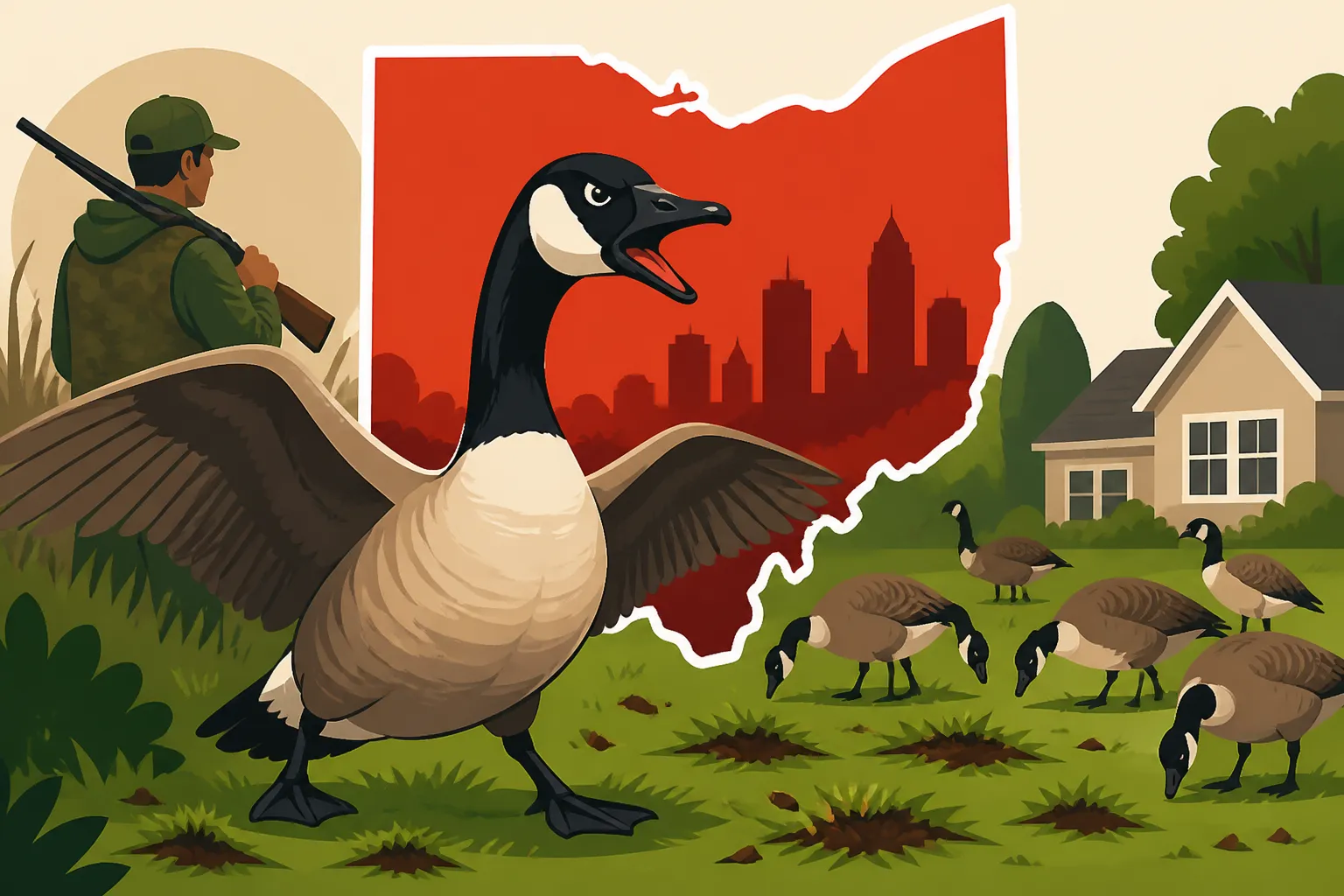
The picturesque image of Canada geese gliding across a serene pond often belies a growing frustration for many Ohio residents: the sheer volume of resident goose populations in and around our cities. What once felt like a seasonal visitor has become a year-round fixture, leaving behind a trail of droppings, damaged property, and sometimes even aggressive encounters. This guide will delve deep into the challenges posed by these urban geese and explore the various strategies available to manage their burgeoning numbers, offering realistic solutions for communities and landowners alike.
The Ubiquitous Presence of Resident Geese in Ohio's Urban Landscape
It's hard to imagine a time when seeing Canada geese throughout Ohio's winter months was a rare sight. For generations, these magnificent birds were primarily known as migrants, passing through on their way to warmer climates. However, over the last few decades, something fundamental has shifted, leading to the substantial resident populations we see today, particularly around developed areas.
From Migrants to Year-Round Residents: A Shift in Behavior
The story of Canada geese in Ohio is a fascinating tale of successful conservation and unexpected adaptation. Decades ago, over-hunting and habitat loss severely depleted goose numbers. Conservation efforts, including reintroduction programs and creating protected refuges, were incredibly successful in bringing them back. The problem, if you can call it that, is that many of these reintroduced birds never developed the strong migratory instinct of their wilder cousins. They found ample resources and safety in their new homes and simply decided to stay.
Unlike their truly wild counterparts that fly thousands of miles to breed in the Canadian subarctic, these resident geese are born and raised right here in Ohio. They establish breeding territories, nest, and raise their young without ever feeling the strong urge to migrate south for the winter. This means that from the moment the ice melts until the snow flies again, and even through milder winters, we have large flocks of geese contentedly living their entire lives within our state's borders, often in close proximity to human activity. Their survival strategies have been so effective that their numbers have steadily climbed, leading to the "problem" aspect of their presence.
Why Ohio's Cities Offer an Irresistible Haven for Geese
If you observe where these resident geese congregate, a pattern quickly emerges: they love our urban and suburban environments. It's not a coincidence; these areas provide a near-perfect habitat that mimics the rich, predator-free conditions of a wildlife sanctuary. Think about it: our cities and towns are rife with meticulously manicured green spaces, golf courses, corporate parks, and residential lawns. These areas offer an endless buffet of short, tender grasses, which are a goose's preferred food. They can graze for hours on end, getting all the nutrition they need without much effort.
Beyond food, the prevalence of water bodies is a huge draw. Stormwater retention ponds, decorative lakes in housing developments, golf course water hazards, and even larger municipal parks with ponds or slow-moving rivers provide safe havens. These water sources offer geese a secure place to roost, escape from potential predators (like foxes or coyotes, which are less common in dense urban areas), and raise their goslings. Furthermore, many urban areas have ordinances against discharging firearms or have limited hunting pressure, inadvertently creating safe zones where geese can thrive without fear of being hunted. The combination of abundant food, safe water, and reduced predator pressure creates an almost utopian existence for these adaptable birds, allowing their populations to explode.
The Multifaceted Problems Caused by Urban Goose Populations
While a few geese might seem charming, large, concentrated flocks of resident Canada geese can quickly become a significant nuisance, impacting property values, public health, and even safety. The issues they cause range from minor annoyances to serious concerns that require thoughtful management.
From Aesthetic Annoyance to Significant Property Damage
Perhaps the most immediately noticeable problem with urban geese is their sheer mess. These birds are prolific producers of droppings – a single goose can excrete up to a pound of feces per day! When you multiply that by a flock of 50 or 100 birds, the accumulation on lawns, sidewalks, driveways, golf courses, and even car parks becomes overwhelming. Not only is it unsightly and smells unpleasant, but it can also make surfaces incredibly slippery, posing a fall hazard. Imagine trying to enjoy a walk in a local park only to have to constantly watch your step, or having your children's play area covered in goose waste.
Beyond the droppings, geese can inflict considerable damage to landscaping and turf. Their constant grazing can denude grassy areas, especially around the edges of ponds or favorite loafing spots. On golf courses, this leads to patchy fairways and greens, impacting playability and requiring costly repairs. In residential areas, homeowners might find their carefully cultivated lawns turning into barren, muddy tracts. Furthermore, during nesting season, geese can become quite territorial, aggressively chasing off people or pets that get too close to their nests, adding an element of stress and fear for those trying to use shared spaces.
Health Concerns, Environmental Impact, and Human Conflicts
The problems extend beyond aesthetics and property damage. Goose droppings can carry bacteria such as E. coli and Giardia, which can contaminate water sources used for recreation, like swimming ponds or fishing lakes. Children playing near contaminated areas, or even pets drinking from tainted puddles, could be at risk. This not only makes these areas less enjoyable but can pose genuine public health threats. The sheer volume of droppings also acts as a significant nutrient load, especially in smaller ponds and retention basins. This excess nitrogen and phosphorus can fuel algal blooms, degrading water quality, reducing oxygen levels for fish, and making the water murky and green.
In terms of direct human conflict, the nesting season brings out the most aggressive tendencies in geese. A gander protecting his mate and nest can become very bold, hissing, flapping its wings, and even charging at people or pets who venture too close. While rarely resulting in serious injury, these encounters can be frightening, particularly for small children or elderly individuals. Beyond this, their presence can interfere with specific human activities. Golfers find their game interrupted by large flocks on the greens, parks become less inviting for picnics, and in some more extreme cases, large flocks near airports can pose a serious bird strike hazard for aircraft. Navigating these interactions is a constant challenge for property managers and community leaders.
Practical Strategies for Managing and Mitigating Urban Goose Issues
Dealing with resident goose populations requires a multi-pronged approach, often combining deterrents, habitat modification, and, when necessary, more direct population control. There's no single magic bullet, and what works in one location might not be effective in another.
Non-Lethal Approaches: Deterrence and Habitat Modification
The first line of defense against problem geese usually involves non-lethal methods aimed at making an area less appealing to them. Hazing is a common tactic, using various tools to scare geese away without harming them. This can range from trained border collies, which are incredibly effective at mimicking natural predators, to remote-controlled boats, lasers, or even noisemakers. The key with hazing is consistency and persistence; geese are smart and will return if the deterrence isn't maintained.
Habitat modification is another powerful tool. Geese love short, manicured grass because it allows them to see predators coming from a distance. By letting grass grow taller (6-10 inches) around pond edges or in less-used areas, you create a visual barrier that makes them feel less secure. Planting shrubs or native vegetation that they don't find palatable can also discourage grazing. Fencing off sensitive areas, like small gardens or newly seeded lawns, can physically block access. Some repellents, usually made from grape extract, can be applied to grass to make it taste bitter, though these often require reapplication after rain. The goal is to make the area less of a five-star resort and more of a sparse wilderness, encouraging them to move on to less defended territory. For those who own larger parcels of land and want to explore all options, resources like GoHunt can provide information on wildlife management practices that might be applicable, including how changing land use can impact wildlife populations.
Targeted Population Control: When Non-Lethal Isn't Enough
Sometimes, despite consistent non-lethal efforts, goose populations remain unmanageable. In these cases, more direct population control measures may be considered, often in conjunction with non-lethal methods to prevent new populations from establishing. One of the most common and effective techniques is egg oiling or addling. This involves coating goose eggs with corn oil or shaking them (addling) to prevent the embryo from developing. The female goose continues to incubate the infertile eggs, preventing her from laying a new clutch. This must be done with proper permits from wildlife authorities to ensure legality and ethical practice. Similarly, nest destruction can be permitted in some cases, but typically only if eggs are infertile or if the nest is abandoned, again requiring proper authorization.
In rare and extreme circumstances, often when populations reach critical levels causing significant damage or safety concerns (e.g., at airports), adult geese may be rounded up and relocated or humanely euthanized. These measures are highly regulated, controversial, and usually reserved as a last resort due to public perception and logistical challenges. The goal of these control measures is to reduce the breeding success and overall numbers, not to eradicate the species, but rather to bring populations down to a level where coexistence is more feasible.
The Role of Regulated Hunting in Ohio's Resident Goose Management
While urban areas often restrict hunting, regulated hunting plays a crucial role in managing resident Canada goose populations across Ohio, particularly in more rural or suburban-fringe areas. It's a key tool in population control that complements non-lethal methods.
Understanding Ohio's Goose Hunting Seasons and Regulations
Ohio has specific hunting seasons designed to target resident Canada geese, primarily during an early goose season that often precedes the traditional waterfowl opener. This early season is critical because it occurs before the main migration of northern geese begins, allowing hunters to focus their efforts on the local birds contributing to the problem. These seasons often have generous bag limits to encourage harvest and help manage burgeoning populations. It's vital for any hunter considering goose hunting to be intimately familiar with the current Ohio Canada Goose Bag Limit and to understand the specific dates and regulations for their chosen zone, as outlined by the Ohio Department of Natural Resources (ODNR).
The ODNR manages these seasons to provide opportunity for hunters while ensuring sustainable populations. They use harvest data and population surveys to make informed decisions about season lengths and bag limits. Hunting resident geese effectively often involves scouting fields where geese are feeding, understanding their flight patterns between roosting and feeding areas, and using decoys and calls to bring them into range. Tactics often discussed include Early Goose Season Tactics in Ohio which emphasize identifying local bird habits.
Finding Ethical and Effective Hunting Opportunities in Urban-Fringe Areas
Hunting geese, especially resident geese that often inhabit areas closer to human development, comes with its own set of challenges and ethical considerations. While hunting is prohibited in most city limits, the suburban-fringe areas and surrounding farmlands offer opportunities. Gaining permission to hunt on private land is often the most effective way to target resident geese, as these birds frequently utilize agricultural fields adjacent to urban centers. Building relationships with landowners can open up access to prime hunting spots and help them address nuisance geese on their property.
For hunters, safety is paramount. This means being acutely aware of surroundings, knowing where property lines are, and ensuring all shots are taken safely and away from homes or buildings. Hunters also have a responsibility to adhere to all state and federal regulations, including carrying the proper licenses and permits. Resources like the Ohio DNR website are indispensable, and some hunters find mapping tools like GoHunt useful for identifying potential hunting grounds and understanding land ownership boundaries, which can be critical for securing private land permission or navigating public hunting areas. Ethical hunting not only helps manage populations but also provides an important food source and connection to the outdoors.
Working Towards Coexistence with Ohio's Geese
Given that Canada geese are here to stay, the ultimate goal for many communities is to find a way to coexist with them at manageable population levels. This involves ongoing effort, education, and adaptive strategies.
Community Involvement and Education
One of the biggest challenges in managing resident geese is public perception and behavior. Many people, often with good intentions, feed geese in parks, which exacerbates the problem by concentrating birds in one area and making them less wary of humans. Educational campaigns are crucial to inform residents about the negative impacts of feeding waterfowl, including nutritional deficiencies for the birds and the increased mess and potential for disease. Communities can put up signs, distribute flyers, and engage through local media to spread this message.
Beyond feeding, encouraging responsible pet ownership, particularly keeping dogs leashed in areas frequented by geese, can prevent conflicts and reduce stress on both animals. Reporting excessive populations or specific problem areas to local wildlife authorities or park management can also help agencies target their efforts where they are most needed. When communities understand the issues and participate in solutions, the collective effort can make a significant difference in reducing human-goose conflicts.
Long-Term Solutions and Adaptive Management
Effective goose management is not a one-time fix; it requires an adaptive, long-term approach. Wildlife agencies, park managers, and property owners need to continually monitor goose populations, assess the effectiveness of current management strategies, and be prepared to adjust tactics as conditions change. This often involves an integrated pest management (IPM) approach, combining multiple strategies (hazing, habitat modification, and population control) to create a sustained impact.
Developing specific management plans for parks, golf courses, or corporate campuses is a proactive step. These plans can outline a calendar of activities, from early-season hazing and egg oiling to later-season habitat modification. Working collaboratively with wildlife professionals can provide expert guidance and ensure that all actions are legal, ethical, and effective. The ultimate aim is to reduce the negative impacts of resident geese to a tolerable level, allowing both people and wildlife to enjoy Ohio's landscapes without undue conflict.
| Strategy Type | Method | Effectiveness | Pros | Cons |
|---|---|---|---|---|
| Non-Lethal | Hazing (dogs, lasers, noise) | High (with consistency) | No harm to geese, immediate dispersal | Requires consistent effort, geese can habituate |
| Habitat Modification | Moderate to High | Long-term solution, improves ecosystem | Takes time to implement, may alter aesthetics | |
| Chemical Repellents | Low to Moderate | Easy application | Requires reapplication, inconsistent results | |
| Fencing/Exclusion | High (for specific areas) | Physically blocks access, very effective | Can be unsightly, costly, not for large areas | |
| Population Control | Egg Oiling/Addling | High (reduces reproduction) | Humane, targets breeding success | Requires permits, consistency, and nest locating |
| Nest Destruction | Moderate (reduif nests are abandoned) | Prevents breeding | Requires permits, may cause re-nesting if done early | |
| Regulated Hunting | High (reduces adult population) | Direct reduction, provides food, recreation | Requires safe zones, public acceptance, hunter access | |
| Community-Based | Public Education (no feeding) | Moderate to High | Addresses root cause, empowers community | Slow to change public habits, requires continuous effort |
Disclaimer
This article is for general informational purposes only and does not constitute professional advice. Laws, prices and regulations vary by location and change over time. Consult a qualified professional for guidance on your specific situation.