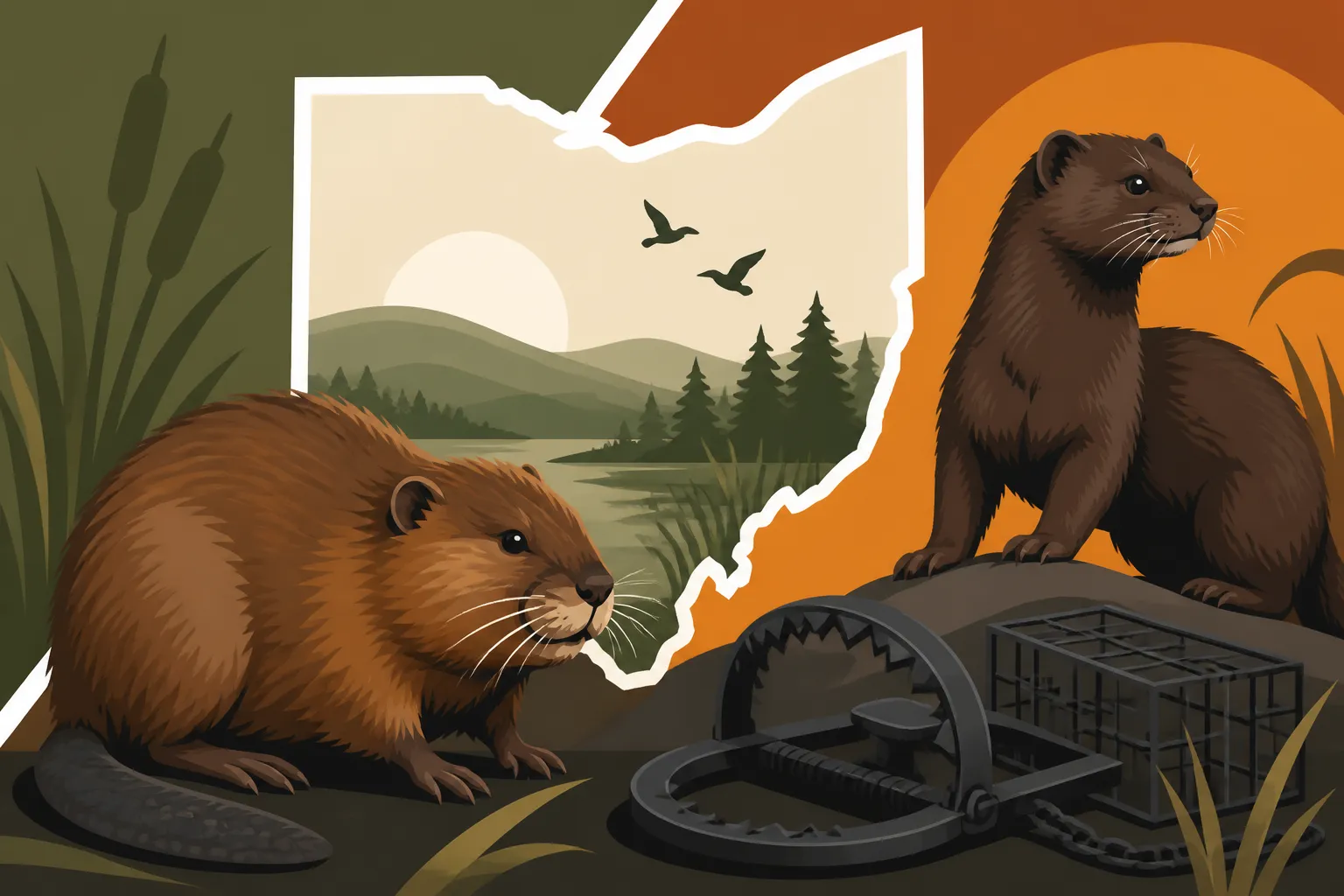
Ohio Muskrat and Mink Trapping Trends
For many furbearer enthusiasts in Ohio, the thought of setting a line for muskrat and mink brings a mixed bag of nostalgia and practical questions. It's tough to know if your favorite creek or marsh still holds the numbers it once did, or if your efforts will be met with empty traps. This comprehensive guide will dive deep into the current trapping trends for muskrats and mink in Ohio, exploring the factors influencing their populations and offering seasoned advice on how to adapt your strategies for success in today's landscape.
Understanding Ohio's Muskrat and Mink Populations
Ohio's furbearer populations, like all wildlife, are constantly in flux, influenced by a myriad of environmental factors and human activity. For trappers focused on muskrats and mink, understanding these underlying dynamics is crucial for both conservation and successful harvests.
Muskrat Population Dynamics
Muskrats are often considered the bread and butter of many trappers, particularly those who prefer water sets. Their populations are notoriously cyclical, meaning they can swing from boom to bust over several years. One year, a local marsh might be riddled with push-ups and runs, and the next, it feels eerily quiet. This isn't necessarily a cause for alarm every time; it's often part of their natural rhythm. However, long-term trends have shown a general decline in some areas, particularly where critical wetland habitats are being lost or degraded.
Factors like sustained droughts can severely impact muskrat numbers, as lower water levels reduce their habitat, expose their dens, and make them more vulnerable to predators. Conversely, a series of mild, wet winters can sometimes lead to a rebound. Trappers who have worked the same water for decades often lament the shrinking pockets of ideal muskrat habitat, noting how what was once a teeming bog is now a suburban retention pond, or a vital cattail marsh has been drained for agriculture. Keeping an eye on these local fluctuations, and trying to understand their causes, is key.
Mink Population Stability and Challenges
Mink, the sleek, semi-aquatic predators, often follow the availability of their prey, with muskrats being a significant food source for them. So, if muskrat populations are down, mink numbers often feel the pinch too, though mink are more generalist feeders and will readily consume mice, voles, birds, and fish. Ohio's mink population has shown a degree of stability in areas with intact stream corridors and healthy prey bases, but they face their own set of unique challenges.
Habitat fragmentation, where continuous stretches of suitable riverine and wetland habitat are broken up by development or agriculture, can isolate mink populations and reduce their genetic diversity. The quality of Ohio's waterways directly impacts mink, as they rely on clean water for hunting and dense riparian vegetation for cover. While they're incredibly resilient, a trapper might observe mink tracks and scat along a creek but struggle to actually catch one, indicating a thinly spread population that's covering a lot of ground in search of food and territory. This makes Scouting Ohio Public Land Before Season even more vital to identify those key areas of concentrated activity.
Factors Influencing Trapping Trends for Both Species
Understanding the populations is one thing, but knowing why they're trending the way they are can inform where and how you set your traps. Several interconnected factors play a role in the current state of muskrat and mink trapping in Ohio.
Habitat Loss and Degradation
The single biggest factor affecting both muskrat and mink populations in Ohio, and indeed across much of the Midwest, is the ongoing loss and degradation of their essential habitats. Muskrats thrive in wetlands, marshes, ponds, and slow-moving streams with abundant aquatic vegetation. Mink, while more adaptable, rely heavily on these same watery environments, particularly those with dense cover along the banks for hunting and denning.
When wetlands are drained for farming, filled for commercial development, or polluted by agricultural runoff and industrial discharge, the capacity of the land to support these furbearers diminishes significantly. A once-vibrant cattail marsh might become a housing development, or a winding, brushy creek could be "channelized" into a straight, sterile ditch. These changes reduce available food, shelter, and breeding grounds, directly leading to fewer animals. Trappers often find themselves revisiting old haunts only to discover them completely changed, forcing them to constantly seek out new, undisturbed locations. This is why initiatives aimed at Ohio River Otter Recovery are so important; healthy otter populations often indicate healthy aquatic ecosystems, which benefit muskrats and mink too.
Environmental Factors and Disease
Beyond permanent habitat alteration, environmental factors can cause short-term and long-term shifts in furbearer populations. Severe droughts, for instance, can be devastating for muskrats. When water levels drop significantly, their dens are exposed, making them easy targets for predators like coyotes, raccoons, and even some birds of prey. Low water also reduces aquatic vegetation, their primary food source, and can even lead to entire ponds or marshes drying up, forcing muskrats to disperse into unsuitable habitat. Harsh, prolonged winters can also take a toll, especially if ice is thick and muskrats can't access food under it.
While large-scale disease outbreaks aren't as commonly reported for muskrats and mink as they might be for deer or raccoons, localized issues can certainly occur. Anything that impacts the overall health of the ecosystem, from chemical spills to widespread pollution, can weaken wildlife and make them more susceptible to illness. Trappers are often the first to notice these subtle shifts in animal health or presence, making their observations invaluable for Ohio Wildlife Disease Monitoring.
Trapping Pressure and Market Value
The dynamics of trapping pressure itself also play a role in local trends. In areas with easy access or a long history of trapping, sustained pressure can keep populations from reaching their full potential. However, the modern fur market has seen significant fluctuations, with prices for muskrat and mink pelts often lower than they were decades ago. This can lead to decreased trapping effort, as fewer individuals are willing to invest the time and expense for a potentially low return.
While lower market values might seem negative, a reduction in overall trapping pressure can sometimes allow populations to rebound in certain areas, especially for species like muskrats that have high reproductive rates. Conversely, if fur prices were to suddenly spike, a surge in trapper interest could quickly increase pressure on local furbearer populations. Many experienced trappers use tools, like those offered by GoHunt, not just for mapping but also to stay informed about regulatory changes and overall furbearer status, allowing them to make more informed decisions about where and when to set their traps. Understanding these ebbs and flows is part of the art of Running a Trapline in Rural Ohio.
Adapting Trapping Strategies to Current Trends
Given the dynamic nature of muskrat and mink populations and the factors influencing them, successful trappers in Ohio must be adaptable. Relying solely on past experiences without adjusting to current conditions can lead to frustration.
Scouting for Prime Locations
The old adage "90% of trapping is scouting" holds more truth than ever. With habitat changes and fluctuating populations, thorough pre-season scouting is absolutely non-negotiable. Don't just rely on memories of where you caught muskrats or mink five, ten, or twenty years ago. Spend time walking stream banks, hiking around ponds, and exploring marshes, even if it's during the off-season. Look for fresh, undeniable sign.
For muskrats, this means identifying active push-ups (mounds of vegetation they create for feeding), clear runs leading into the water, bank dens with fresh mud or droppings, and abundant feeding sign like chewed cattail roots or aquatic plants. For mink, you'll be searching for tracks along muddy banks, scat on rocks or logs, and potential denning areas under roots, in rock piles, or abandoned burrows. Pay close attention to pinch points, culverts, and bridges – natural funnels where mink are likely to travel. Reading Ohio Snow for Fresh Deer Movement shares a common principle: fresh sign in specific areas tells you where the animals are now. Digital mapping tools, like those found on platforms such as GoHunt, can be incredibly beneficial for overlaying property boundaries and identifying potential habitat features before you even step foot in the field, helping you focus your efforts.
Trap Selection and Set Placement
Once you've identified promising locations, the next step is choosing the right traps and placing your sets strategically to capitalize on the animals' natural behaviors while being mindful of current population densities. For muskrats, #110 or #155 conibear traps are highly effective when placed in active runs or at the entrances of bank dens. Drowning sets using foothold traps (like a #1 or #1.5 coilspring) are also excellent choices, ensuring a quick and humane dispatch, especially in deeper water. The key is to make the set appear as natural as possible, blending it into the environment and guiding the muskrat directly into the trap's path.
For mink, which are often more cautious and curious, pocket sets and cubby sets are extremely productive. A pocket set involves digging a hole into a bank, baiting it with fresh fish or muskrat carcass, and placing a foothold trap at the entrance. Cubby sets, which can be natural (a hollow log or rock crevice) or man-made (a wooden box), offer protection from non-target species and weather, and are perfect for housing a small conibear or foothold trap with bait and lure. Remember, mink are often attracted to a strong visual cue as well as scent, so a feather or piece of fur often works well as a "flag" in a cubby. For a deeper dive into specific techniques, checking out resources like Trapping Ohio Muskrat and Beaver can provide valuable insights into set construction and placement.
Legal Considerations and Season Knowledge
No matter how experienced you are, staying on top of Ohio's ever-evolving hunting and trapping regulations is paramount. The seasons for muskrat and mink typically run through the colder months, but specific opening and closing dates can vary year to year, and sometimes even by zone. Always consult the current Ohio Department of Natural Resources (ODNR) hunting and trapping regulations booklet before setting any traps.
Beyond season dates, you need to be aware of legal trap types, trap tag requirements, setback distances from dwellings, and landowner permission rules. For instance, Ohio Trapping License Requirements outlines what permits you need, and remember that all traps, regardless of species, must have a durable tag bearing your name and address or your ODNR customer identification number. Ethical trapping practices, including checking traps frequently (usually daily), are not just good sportsmanship but are often legally mandated to ensure humane treatment of animals and reduce non-target captures.
The Future of Ohio's Muskrat and Mink Trapping
Looking ahead, the landscape for Ohio's muskrat and mink trappers will continue to evolve. Being informed about conservation efforts and embracing new resources will be crucial for the continued enjoyment and sustainability of this traditional pursuit.
Conservation Efforts and Habitat Improvement
The long-term health of Ohio's muskrat and mink populations is intrinsically linked to conservation efforts. State agencies like the ODNR, along with numerous private conservation groups and individual landowners, are continually working to restore and protect critical habitats. These efforts might include wetland restoration projects, improving riparian zones along streams, or creating new ponds. Every acre of restored wetland or stabilized stream bank directly benefits these furbearers by providing essential food, shelter, and breeding grounds.
Trappers themselves play a vital role in these conservation efforts. By adhering to regulations, practicing ethical trapping methods, and reporting unusual wildlife sightings (like sick animals or unusual population declines), trappers act as frontline conservationists. Their unique knowledge of local furbearer populations and habitats makes them invaluable partners in monitoring wildlife health. Supporting conservation organizations and even participating in local habitat improvement projects can help secure the future of trapping in Ohio. These initiatives are as important for small game as they are for larger species like those discussed in White-Tailed Deer Across Ohio.
Emerging Technologies and Resources
Just as in other outdoor pursuits, technology is increasingly becoming a valuable tool for trappers. GPS mapping apps, often found on smartphones or dedicated handheld units, allow trappers to meticulously plan their lines, mark specific set locations, track their progress, and even record observations about sign and animal activity. This digital record-keeping can be far more efficient than paper maps and notebooks, helping trappers analyze their success rates and adapt their strategies more effectively over time.
Beyond mapping, the internet offers a wealth of resources. Online forums, social media groups dedicated to trapping, and websites from trapping associations provide platforms for sharing knowledge, asking questions, and learning new techniques. Many trappers consult platforms like GoHunt not only for mapping but also to keep up-to-date with furbearer news, regulatory changes, and discussions among the trapping community. Educational videos and articles on specific trap modifications or advanced set types are readily available, making it easier than ever for both new and experienced trappers to refine their craft and stay informed about Ohio Furbearer Trapping Tag Requirements and other critical details.
| Species | Primary Habitat | Diet | Key Trapping Sign | Recommended Set Types |
|---|---|---|---|---|
| Muskrat | Wetlands, marshes, ponds, slow-moving streams | Aquatic vegetation (cattails, sedges), some mussels | Push-ups, runs, bank dens, chewed vegetation | Conibear in runs/den entrances, foothold drowning sets |
| Mink | Stream banks, river edges, wetlands, swamps | Muskrats, mice, voles, fish, birds, frogs | Tracks, scat, denning under roots/rocks, kill sites | Pocket sets, cubby sets, coni-boxes |
Disclaimer
This article is for general informational purposes only and does not constitute professional advice. Laws, prices and regulations vary by location and change over time. Consult a qualified professional for guidance on your specific situation.