Ohio Trapping License Requirements
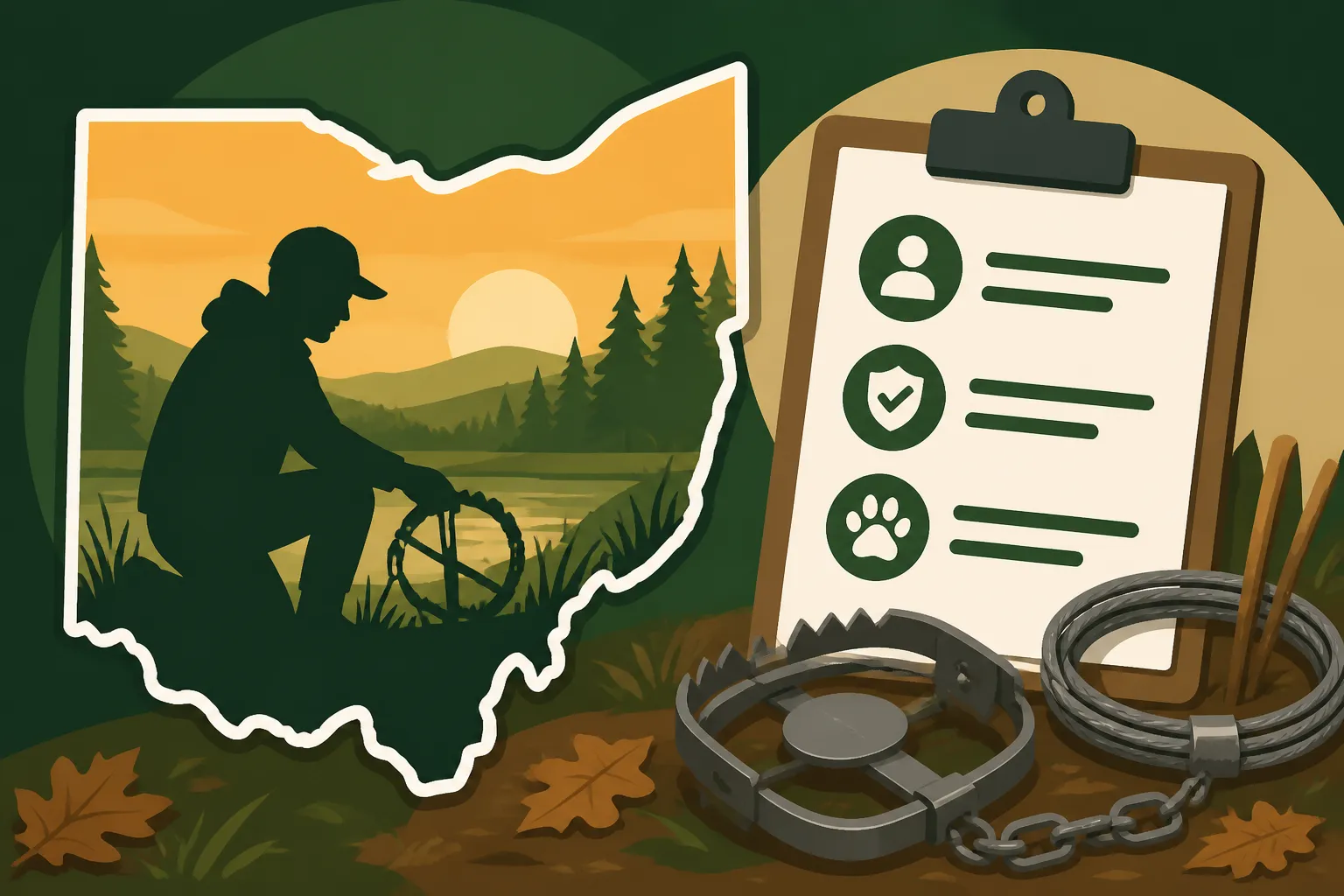
Trapping in Ohio can be an incredibly rewarding experience, connecting you with the state's rich natural heritage and providing valuable furs. However, the excitement of setting your first trap line or heading out for another season can quickly turn into frustration if you're unsure about the ever-changing and sometimes confusing license requirements. Many folks just assume a hunting license covers everything, but that's a common misconception that can lead to some real headaches with the Ohio Department of Natural Resources (ODNR). This guide is here to clear up all the fog, detailing exactly what trapping licenses and permits you need to be legal and successful on your Ohio trapline.
Understanding Ohio's Basic Hunting & Trapping License
Before you even think about setting steel in Ohio, there's a fundamental step you absolutely cannot skip: acquiring a basic hunting license. It might seem counterintuitive if your sole focus is trapping, but in Ohio, your trapping privileges are rooted in this foundational license. Think of it as your general entry ticket to participating in any hunting or trapping activity within the state.
The Fundamental Requirement: Annual Hunting License
Every trapper, regardless of age (with some youth exceptions we'll get into), needs a valid Ohio hunting license to legally trap furbearers. This isn't just a suggestion; it's a non-negotiable rule. This license is your primary identification as an authorized participant in wildlife management activities. It's valid for one year, typically from March 1st to the end of February of the following year, so it’s something you’ll need to renew annually. For those looking to fully embrace the outdoors, this license also opens the door to pursuing other game species during their respective seasons.
Without this basic hunting license, any furbearer permits you might purchase would be invalid, and any trapping activity you engage in would be considered unlawful. It’s the very first item on your checklist, so make sure it's in your pocket or easily accessible on your phone via the Wild Ohio mobile app before you even scout a potential trapline. Many seasoned trappers will tell you the best way to avoid issues is to get it early, well before the fall seasons kick into gear.
Resident Versus Non-Resident Costs and Options
Ohio offers different licensing structures based on whether you're an Ohio resident or a non-resident. This distinction significantly impacts the cost of your licenses and permits, so it’s crucial to know which category you fall into. Generally, a resident is someone who has lived in Ohio for at least six consecutive months, maintaining a domicile here.
For Ohio residents, the costs are considerably lower, designed to encourage local participation in wildlife management. You can choose from various Ohio Resident Hunting License Options, including annual licenses and even lifetime options if you're truly committed to a lifelong pursuit of the outdoors. Non-residents, however, face higher fees. This is standard practice across most states, as non-residents don't contribute to the state's wildlife management through their taxes in the same way residents do. There are typically annual non-resident hunting licenses, and sometimes shorter-term options (like a 3-day non-resident small game license that may allow trapping, but always double-check the specifics for trapping eligibility) for those just visiting to experience Ohio's resources. Regardless of your residency, these licenses are an investment in the conservation efforts that ensure healthy furbearer populations for generations to come. Many hunters and trappers find it helpful to use resources like the GoHunt app, which often integrates state regulations, to keep track of their license status and upcoming renewals.
Apprentice and Youth Licenses for New Trappers
Ohio is keen on fostering the next generation of outdoors enthusiasts, and that includes trappers. They offer specific pathways for youth and new adult learners to get involved, often at reduced costs or with mentorship requirements.
For young aspiring trappers, Ohio Youth and Senior License Discounts are available, making it more affordable for parents to introduce their kids to the sport. Generally, youth under 18 can often purchase licenses at a reduced rate. There are also specific rules around minimum age for unsupervised hunting and trapping. The ODNR encourages youth participation but also stresses safety and proper education. Meanwhile, for adults new to hunting or trapping, the apprentice license program is a fantastic option. Under Ohio Apprentice Hunter Rules, an individual can hunt or trap under the direct supervision of a licensed adult mentor. This allows new trappers to gain practical, hands-on experience in the field before completing the full hunter education course. It’s a great way to learn the ropes from someone experienced, ensuring you’re not just legal, but also developing responsible and ethical trapping practices from the outset.
Specific Trapping Permits and Tags
Once you have your basic hunting license, your journey isn't over. To legally trap furbearers in Ohio, you'll need at least one additional permit specific to trapping. This permit signals your intent to target species like raccoons, foxes, coyotes, muskrats, beavers, and more.
Furbearer Permit: Your Key to the Trapline
This is the absolute must-have permit for any trapper in Ohio. The Furbearer Permit (sometimes referred to simply as a Trapping Permit) is what allows you to actually engage in the act of trapping the various furbearer species found across the state. It's an add-on to your base hunting license, meaning you cannot purchase or validate a furbearer permit without first having a valid annual Ohio hunting license. This layered approach ensures that all individuals participating in furbearer harvest are accounted for and contribute to conservation efforts.
The Furbearer Permit is crucial for pursuing animals listed under Ohio's furbearer regulations. This typically includes popular species such as raccoons, muskrats, mink, skunks, opossums, weasels, foxes (red and gray), and coyotes. For most of these species, this single permit, in conjunction with your hunting license, is all you need. However, it’s imperative to stay current with the regulations as they can sometimes change, especially regarding specific species or areas. The ODNR’s "Hunting and Trapping Regulations" booklet is your best friend here, providing detailed information on Ohio Trapping and Furbearer Seasons and specific rules.
What the Furbearer Permit Covers
The Ohio Furbearer Permit grants you the legal authority to set traps and harvest common furbearer species during their designated seasons. This permit covers a wide array of animals that are traditionally pursued for their fur, or simply for management purposes. When you buy this permit, you're essentially buying the right to participate in the regulated harvest of creatures like the adaptable raccoon, the cunning red fox, the stealthy coyote, and the industrious beaver. It's your permission slip to engage in Trapping Ohio Furbearers and manage their populations responsibly.
However, the permit itself doesn't grant carte blanche. You still need to adhere to all other regulations, such as legal trap types, trap checking intervals, setback distances from roads or dwellings, and specific tag requirements if they arise for rarer species. For instance, while it covers the general pursuit of most furbearers, species like bobcats and river otters, which have made a remarkable recovery in Ohio, have historically had very specific, limited seasons and often required additional reporting or specific harvest tags to help the ODNR monitor their populations closely. Always check the current year's regulations for any special requirements concerning these species, as their management can be more dynamic.
Who Needs a License? Exemptions and Special Cases
While the general rule is that everyone needs a license, Ohio, like many states, recognizes that some situations warrant exemptions or special considerations. It's vital to understand these nuances to ensure you're always operating within the law.
Landowner Privileges and Restrictions
One of the most significant exemptions applies to landowners. If you own land in Ohio and are trapping exclusively on your own property, you generally do not need a hunting or furbearer license to trap furbearers that are causing damage to your property or simply to harvest them during the open season. This landowner privilege is designed to allow property owners to manage wildlife on their land. However, this isn't an open invitation to ignore all rules.
There are important caveats. First, this exemption only applies to the landowner and potentially their lineal descendants or tenants residing on the land. It doesn't extend to friends, extended family, or other guests who might be helping you. If anyone else is trapping on your property, even with your permission, they must have the appropriate licenses and permits. Second, while you may be exempt from the license requirement, you are still subject to all other trapping regulations, including season dates, legal trap types, trap checking frequency, and any specific harvest limits on certain species. You can't just set traps year-round or use illegal devices without consequences.
Age Requirements for Unlicensed Trapping
Ohio takes a progressive approach to youth involvement in the outdoors. For trapping specifically, typically children under the age of 16 are not required to purchase a hunting license or furbearer permit when trapping. However, they must be accompanied by a licensed adult who is 18 years of age or older. This mentor must have their own valid hunting license and furbearer permit. The idea here is to provide a safe, supervised learning environment.
Once a young trapper turns 16, they are generally required to purchase their own hunting license and furbearer permit. It’s a good transition age, as many youth will have already completed their hunter education course by this point, preparing them for independent trapping. Always consult the official ODNR regulations for the most current age specifics, as these can occasionally be adjusted. The goal is always to ensure that young trappers learn the skills and ethics of the sport under responsible guidance.
Disabled Hunter/Trapper Permits
Ohio recognizes that some individuals with disabilities may face challenges in pursuing hunting and trapping activities. To accommodate these situations, the state offers specific permits and accommodations. For trappers, this can mean specialized permits that allow for certain modifications to standard practices, provided they meet specific criteria and obtain the necessary certifications from the ODNR.
These permits are not a blanket exemption from all rules, but rather tailored allowances to facilitate participation. For example, a disabled hunter/trapper permit might address mobility issues, allowing for certain vehicle access where it would otherwise be restricted, or permit the use of adaptive equipment. To qualify, individuals typically need to provide documentation of their disability and apply through the ODNR. It's a thoughtful program that reflects Ohio's commitment to making outdoor pursuits accessible to as many people as possible.
Where to Purchase Your Ohio Trapping License
Getting your license and permits in Ohio is generally a straightforward process, thanks to modern technology and a wide network of vendors. Gone are the days of driving to a single regional office just to get your paperwork sorted. Now, you have several convenient options, ensuring you can gear up for the season no matter where you are in the state.
Online Purchases Through the Wild Ohio Portal
The most convenient and increasingly popular method for purchasing your Ohio hunting and trapping licenses is through the ODNR's "Wild Ohio" online licensing system. This digital portal, accessible from any computer or mobile device with internet access, allows you to purchase all necessary licenses and permits from the comfort of your home. It's a quick and efficient way to ensure you're legal before heading out.
When you use the Wild Ohio portal, you'll create an account (or log in if you already have one), select the licenses and permits you need (starting with your base hunting license, then adding the furbearer permit), and complete the transaction with a credit card. Your license information is then immediately updated in the system, and you'll typically receive an email confirmation. You can even print a temporary license or store your license number on your phone, making it easy to comply with legal requirements of having your license on you while in the field. This system is a fantastic resource, and many experienced trappers rely on it annually. Using the GoHunt platform can also link you directly to the Wild Ohio portal for a seamless experience.
Authorized License Vendors and Sporting Goods Stores
For those who prefer a more traditional approach, or who just like to pick up some last-minute supplies while they're at it, Ohio maintains a vast network of authorized license vendors. These are typically sporting goods stores, bait shops, hardware stores, and even some larger retailers across the state. They're usually marked with signs indicating they sell Ohio hunting and fishing licenses.
Purchasing from a vendor offers the benefit of instant issuance of a physical license card. This can be reassuring for some, and it also provides an opportunity to chat with local experts who might have insights into current conditions or specific Ohio Raccoon and Fox Season Dates. Stores like Dick's Sporting Goods, Walmart, and many smaller, independent outdoor retailers are common places to find these services. The staff at these locations are trained to help you select the correct licenses and permits, making the process smooth, especially if you're a bit unsure about what you need.
Phone Orders and Customer Service
While not as common for initial purchases, the ODNR also offers options for phone orders and provides robust customer service for license-related queries. If you encounter an issue with the online system, or if you simply prefer to speak with a representative, you can call the ODNR's licensing division. This can be particularly useful for clarifying complex residency questions, troubleshooting account issues, or confirming specific permit details.
Keep in mind that while phone orders are an option, they might involve a slightly longer processing time compared to instant online or in-person purchases. It's always a good idea to have your personal information ready, including any previous customer identification numbers, to expedite the process. The ODNR website will provide the most up-to-date contact numbers for their licensing and customer service departments.
Common Pitfalls and How to Avoid Them
Even seasoned outdoors enthusiasts can sometimes make mistakes when it comes to licenses and regulations. For trappers, understanding and avoiding common pitfalls is key to a smooth and legal season. A momentary lapse or a simple misunderstanding can quickly lead to fines or even loss of privileges.
The "Hunting License Only" Mistake
This is perhaps the most common error for new trappers, and it’s one that can quickly land you in trouble. Many individuals, especially if they already hunt other game like deer or turkey, assume that their general Ohio hunting license covers all outdoor activities, including trapping. This is fundamentally incorrect in Ohio. As we've discussed, the hunting license is a prerequisite, but it does not authorize you to trap furbearers on its own.
To legally set traps for species like raccoons, muskrats, or coyotes, you absolutely must purchase the additional Furbearer Permit. Forgetting or intentionally skipping this step means you are trapping without the proper authorization, which is a violation of Ohio wildlife law. Always double-check your license portfolio before the season starts. A quick review of your GoHunt app profile or your physical licenses can confirm if you have both the base hunting license and the specific furbearer permit. It's a small extra step that saves a lot of potential grief.
Forgetting Annual Renewals and Season Dates
Another frequent issue is simply forgetting to renew licenses or not being aware of the specific season dates for trapping. Ohio hunting and trapping licenses are valid for a specific period, typically from March 1st to the end of February. If you purchase your license in the fall, it will expire the following February, not a full year from your purchase date. This means if you're an avid trapper, you'll be renewing your license every year around late winter or early spring.
Equally important are the specific Ohio Trapping and Furbearer Seasons. These dates can vary by species and sometimes by region, and they are critical. Trapping outside of the legal season is poaching and carries severe penalties. Before you even think about putting a trap in the ground, confirm that your licenses are current and that the season for your target species is open. The Wild Ohio website and the printed hunting and trapping regulations booklet are your authoritative sources for these dates. Set reminders on your phone or mark your calendar so you don't miss these crucial details.
Misunderstanding Apprentice Rules
The apprentice hunter/trapper program is a fantastic way to introduce newcomers to the sport, but it comes with strict rules that are often misunderstood. The most critical component is the requirement for direct supervision. An apprentice hunter or trapper (of any age) cannot engage in these activities alone. They must be accompanied by a licensed adult mentor who is at least 18 years old and possesses all the necessary licenses and permits for the activity.
"Direct supervision" typically means the mentor must be close enough to the apprentice to provide immediate instruction and intervention. This isn't just about being in the same general area; it means actively overseeing the apprentice's actions. For trapping, this often means the mentor should be present when traps are being set, checked, and when animals are being dispatched. Failing to adhere to these supervision rules can result in violations for both the apprentice and the mentor. If you're mentoring someone, familiarize yourself with the full scope of Ohio Apprentice Hunter Rules to ensure everyone stays legal and safe.
Beyond the License: Related Requirements and Regulations
While securing your licenses and permits is foundational, successful and legal trapping in Ohio involves understanding a broader set of regulations. The ODNR's goal is to ensure ethical and sustainable harvest, and these additional rules are critical to that mission. Don't assume that just because you have a license, you're free to do anything.
Mandatory Hunter/Trapper Education
For most individuals aged 16 and older, completing an approved hunter education course is a prerequisite for purchasing an annual, adult hunting license in Ohio. While there might be exceptions for apprentice hunters, eventually, to trap independently, you'll need to pass this course. This program isn't just about passing a test; it's a comprehensive education in firearm safety, wildlife identification, conservation principles, and, importantly, responsible trapping techniques and ethics.
The course covers everything from proper trap handling and placement to furbearer biology and best practices for animal welfare. It instills a deep respect for the animals you pursue and the environment. You can find information on course availability, including online and in-person options, on the ODNR website. Make sure to check the specific requirements for Ohio Hunter Education Requirements to ensure you fulfill this critical step. Completing this course not only makes you legal but also makes you a more knowledgeable and responsible trapper, which benefits the entire trapping community.
Reporting and Checking Furbearers
Unlike deer or turkey, which often require immediate check-in, most furbearers harvested by trappers in Ohio do not require individual check-in with the ODNR. However, this doesn't mean there are no reporting obligations or ethical responsibilities. Trappers are generally required to keep accurate records of their harvest, and they must always comply with any specific reporting requirements for certain species, particularly those with closely monitored populations like bobcats or river otters, if a season for them is open.
Furthermore, a critical regulation for all trappers is the requirement to check traps frequently. In Ohio, traps must typically be checked at least once every 24 hours. This rule is in place to minimize the suffering of trapped animals and ensure the quick and humane dispatch of any furbearers caught. Neglecting to check your traps within the mandated timeframe is a violation and can lead to penalties. Ethical trapping practices emphasize humane treatment and efficient harvest, and checking traps diligently is a cornerstone of this.
Specific Trap Set Regulations
Ohio has detailed regulations concerning the types of traps you can use and how you can set them. These rules are designed to ensure public safety, prevent non-target catches, and promote humane practices. For example, there are often restrictions on how close certain trap types can be set to public roadways, occupied dwellings, or bait stations. Body-gripping traps, snares, and foot-hold traps all have specific legal dimensions and usage guidelines.
For instance, snare usage might be restricted to certain types of anchors or equipped with stop devices to prevent over-tightening. Trap sizes for specific species are often regulated to ensure a humane and effective catch. It's not enough to simply have a Furbearer Permit; you must also be intimately familiar with the specifications and placement rules for the traps you intend to use. Ignorance of these laws is not an excuse. Familiarize yourself with all current regulations to ensure your trapline is not only productive but also fully compliant with Ohio law. This also includes understanding where you can legally Run a Trapline in Rural Ohio and on which types of public or private lands.
To help visualize some key requirements, here's a quick summary of what you'll need:
| Requirement | Description | Who Needs It | Cost (Approx. Resident) | Purchase Location |
|---|---|---|---|---|
| Annual Hunting License | Basic license required for all hunting & trapping activities. | Most individuals 16+ (or under 16 if not accompanied) | $19.00 | Wild Ohio Online, Authorized Vendors, Phone |
| Furbearer Permit | Allows legal trapping of furbearer species in Ohio. | All trappers (even landowners on their own land, if not exempt for harvest type) | $15.00 | Wild Ohio Online, Authorized Vendors, Phone |
| Hunter Education | Required for most first-time adult hunting license purchasers. | Most individuals 16+ | Free – $15 (depending on course type) | ODNR Website (for course info) |
| HIP Certification | Required if trapping/hunting migratory birds (not typically for furbearers). | Not generally for furbearers | Free | Wild Ohio Online, Authorized Vendors |
Note: Costs are approximate for Ohio residents and subject to change by the ODNR. Non-resident costs are significantly higher. Always check the current year's regulations for exact pricing and rules.
Knowing the intricacies of Ohio's trapping license requirements, from the basic hunting license to the specific furbearer permit, is not just about staying legal; it's about being a responsible and ethical participant in wildlife management. By understanding these rules and regulations, you can confidently and successfully enjoy your time on the Ohio trapline, contributing to the rich tradition of trapping while respecting the state's valuable wildlife resources.
Disclaimer
Please remember that hunting and trapping regulations are subject to change by the Ohio Department of Natural Resources (ODNR). While this guide provides comprehensive information based on current knowledge, it is your responsibility to always consult the most recent official ODNR hunting and trapping regulations booklet or their website before engaging in any hunting or trapping activities. This content is for informational purposes only and should not be considered legal advice.