Ohio Apprentice Hunter Rules
Thinking about getting into hunting in Ohio can feel like navigating a dense forest of regulations, licenses, and unwritten traditions. It's easy to get discouraged by the perceived complexity before you even step foot in the woods. This guide aims to demystify the Ohio Apprentice Hunter Program, offering a clear, realistic path for anyone looking to learn the ropes of hunting safely and ethically in our beautiful state.
What the Apprentice Hunter Program Offers New Hunters
The Ohio Apprentice Hunter Program isn't just another layer of bureaucracy; it's a bridge designed to welcome newcomers into the hunting community. For years, one of the biggest hurdles for aspiring hunters was the mandatory hunter education course, which, while vital, sometimes felt like a daunting upfront commitment before they even knew if hunting was truly for them. This program removes that initial barrier, allowing individuals to experience hunting firsthand under the direct guidance of an experienced mentor.
Breaking Down Barriers to Entry
Let's be honest, the thought of sitting through hours of classroom instruction or an online course before you've ever even held a firearm or bow in a hunting context can be a real turn-off. Many folks are curious about hunting, perhaps grew up around it but never participated, or are just looking for a new way to connect with nature and source their own food. The Apprentice Hunter Program directly addresses this by letting you "try before you buy" the full hunter education commitment. It's a fantastic way to dip your toes in the water without feeling like you're diving headfirst into the deep end. You get to learn practical skills, observe wildlife behavior, and understand the flow of a hunt from someone who knows the ropes, all while deferring the classroom portion until you're sure it's the right fit for you.
Fostering a New Generation of Hunters
Beyond just making it easier for individuals, this program plays a crucial role in ensuring the future of hunting in Ohio. We often hear about declining hunter numbers, and programs like this are a proactive step to reverse that trend. By simplifying the initial entry point, the Ohio Department of Natural Resources (ODNR) encourages mentors to take out new hunters, passing on not just skills but also the rich traditions, ethics, and conservation values that are at the heart of hunting. It's an investment in tomorrow's conservationists, ensuring that the passion for wildlife and wild places continues through generations. It fosters a sense of community and shared responsibility that is truly invaluable.
Eligibility and Requirements for Ohio Apprentice Hunters
So, who can actually become an apprentice hunter in Ohio, and what does the experienced hunter mentoring them need to bring to the table? It’s pretty straightforward, but understanding the specific rules is crucial for staying legal and safe in the field.
Defining an Apprentice Hunter
An Ohio apprentice hunter is essentially someone, regardless of age, who is participating in the sport under the watchful eye of a fully licensed and experienced hunter, without having first completed a hunter education course. This means if you're 8 years old and curious, or 48 and always wanted to try, this program is designed for you. For apprentices under the age of 16, a guardian's permission is, of course, required to participate. The program recognizes that learning by doing, especially with a seasoned pro by your side, is one of the most effective ways to truly grasp the nuances of hunting. It's not about cutting corners on safety; it's about providing a hands-on learning environment.
The Role and Responsibilities of a Mentor
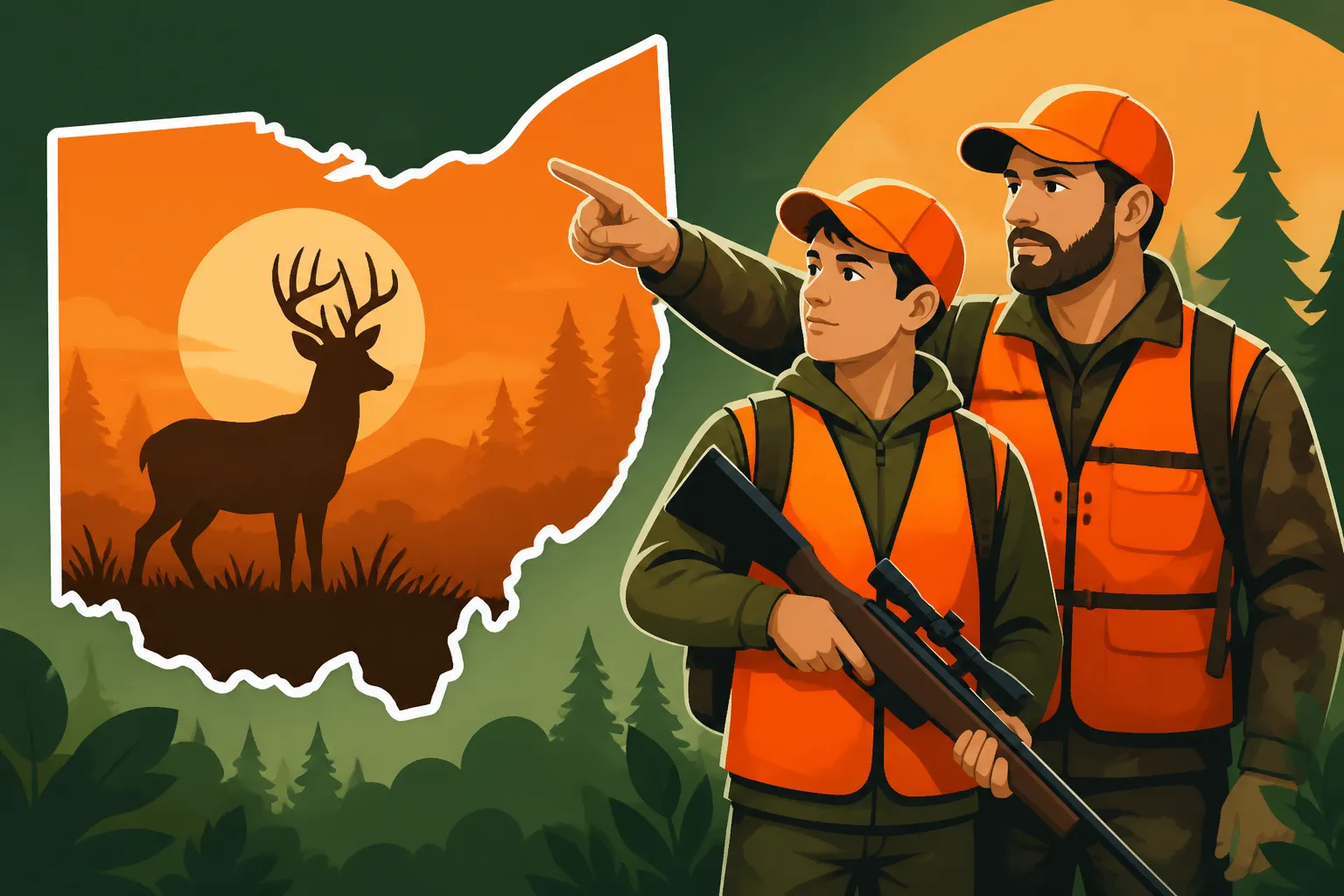
The mentor is the linchpin of the Apprentice Hunter Program. They're not just a companion; they are directly responsible for the apprentice's safety, conduct, and adherence to all hunting regulations. To qualify as a mentor, an individual must be at least 18 years old and possess a valid, current Ohio hunting license. This isn't just a casual stroll in the woods with a buddy; the mentor must be close enough to the apprentice to provide direct and immediate supervision. This usually means within normal voice control, without the aid of any electronic devices. If the apprentice is using a firearm, the mentor must also be in a position to take immediate control of the weapon if necessary.
Mentors are expected to instill ethical hunting practices, teach wildlife identification, proper equipment handling, shot placement, and game recovery, and ensure the apprentice understands and follows all legal requirements, including Ohio Blaze Orange Requirements. It's a significant responsibility, but also an incredibly rewarding one, as you're shaping the next generation of stewards for Ohio's wild places. When scouting new areas or trying to understand regulations, many mentors find tools like the GoHunt app helpful for quick reference in the field.
Age and Training Requirements
As mentioned, there's no minimum age to be an apprentice hunter, though parental consent is mandatory for minors. The key takeaway is that the apprentice does not need to have completed Ohio Hunter Education Requirements before buying their apprentice license. This is the whole point of the program! However, this is a temporary status. To hunt independently after their apprentice license expires, or to purchase a regular hunting license in subsequent years, they will need to complete hunter education. The apprentice license acts as a stepping stone, providing a practical, supervised introduction to hunting before the formal classroom or online training becomes necessary for unsupervised participation.
How to Get Started as an Ohio Apprentice Hunter
So, you’ve decided to take the plunge into the Ohio hunting world. Great choice! The process for becoming an apprentice hunter is designed to be as simple as possible, allowing you to focus on the excitement of the hunt rather than bureaucratic hurdles.
Purchasing Your Apprentice License
The first step is to secure your Ohio apprentice hunting license. This isn't a special, free permit; it's essentially a regular hunting license, but it carries the "apprentice" designation, allowing you to hunt without prior hunter education. You can purchase this license online through the ODNR's Wild Ohio customer portal, at most outdoor retailers like Walmart or sporting goods stores, or by calling the ODNR license division. The cost for an Ohio Resident Hunting License Options is the same for an apprentice as it is for a fully licensed hunter, and similar rules apply for Ohio Nonresident Hunting License Options. Remember, you’ll also need to purchase any necessary permits for the species you intend to hunt, such as a deer permit or turkey permit. These are usually purchased at the same time as your general hunting license.
Finding the Right Mentor
This is perhaps the most critical step. A good mentor makes all the difference. Ideally, your mentor will be someone you trust, who is experienced, patient, and committed to teaching safe and ethical hunting practices. This could be a family member, a friend, or even a connection through a local hunting club or conservation organization. Don't be shy about asking questions when seeking a mentor. Discuss their hunting style, their safety philosophy, and their willingness to dedicate time to teaching. The best mentors don't just point you towards game; they explain why certain decisions are made, from reading deer sign to understanding wind direction. Using a resource like GoHunt could even help you connect with local hunting communities or forums where experienced hunters might be willing to take on an apprentice.
Preparing for Your First Hunt
Once you have your license and a mentor, it’s time to prepare! This involves more than just packing a lunch. Sit down with your mentor and discuss the game you’ll be pursuing, the regulations that apply (like Ohio Legal Shooting Hours), and the specific location. Will you be hunting Ohio Public Land Hunting Hours or private property? What gear will you need? Your mentor should guide you on appropriate clothing, footwear, and any specific equipment for the hunt. Safety is paramount, so familiarize yourself with the operation of your firearm or bow, and discuss all safety protocols with your mentor beforehand. Practical skills like field dressing or Field Dressing a Deer in Cold Weather are also great topics to cover before heading out.
Rules and Restrictions for Apprentice Hunters
While the Apprentice Hunter Program is designed for accessibility, it comes with clear rules and restrictions that are in place for the safety of the apprentice, the mentor, and the public, as well as to maintain the integrity of hunting regulations.
Supervision Requirements in the Field
This is non-negotiable. As an apprentice hunter, you must be under the direct and immediate supervision of your licensed mentor at all times while hunting. Ohio law defines "direct and immediate supervision" as being close enough to the apprentice to give instructions and to take immediate control of the hunting device. This generally means within normal voice range, without the aid of electronic communication devices. You can't be on opposite sides of a large field, for instance, even if you're talking on a radio.
Consider a scenario: you and your mentor are still-hunting through a dense woodlot. You spot a deer, and your mentor is right there, whispering instructions on how to move, aim, and make the shot. This is direct supervision. Now imagine your mentor dropped you off at a treestand and went to their own stand 500 yards away, communicating via cell phone. This would not be considered direct and immediate supervision, and both of you could be cited for Ohio Wildlife Violation Penalties. The whole point is that the mentor is there to guide, assist, and intervene if necessary. For more details on this, you can look up rules regarding How Close an Ohio Mentor Must Stay.
Species and Season Limitations
Apprentice hunters are generally subject to the same hunting seasons, bag limits, and other regulations as fully licensed hunters for the species they are pursuing. If it's Ohio Deer Season Structure Explained and you have an Ohio apprentice hunting license and a deer permit, you follow the deer regulations. The same goes for turkey, small game, or waterfowl, provided you have the correct permits and stamps (like the Federal Duck Stamp and HIP certification for migratory birds). There are no special "apprentice-only" seasons or reduced bag limits simply because you are an apprentice. The focus is on learning to hunt within the established framework, not on creating a separate set of rules. Your mentor will be critical in helping you understand these specific regulations.
Prohibited Activities
While the program offers flexibility, there are certain activities or situations where an apprentice hunter, especially a minor, might face additional restrictions or where mentor responsibilities become even more pronounced. For instance, an apprentice cannot apply for special controlled hunts that require prior hunter education. Also, remember that the mentor is the primary party responsible for any violations committed by the apprentice if they failed to provide adequate supervision or instruction. The purpose of the apprentice program is learning, not a loophole for unsafe or illegal hunting.
It's important for both the apprentice and mentor to understand that the apprentice license does not grant the same independent hunting privileges as a full license. The apprentice cannot hunt alone. Ever. Until they complete their hunter education, they are tied to their mentor's hip, so to speak. This is a crucial distinction from Minimum Age for Unsupervised Ohio Hunting for fully certified youth hunters.
Here's a quick comparison to help clarify the responsibilities and distinctions:
| Feature | Ohio Apprentice Hunter | Ohio Fully Licensed Hunter (Adult/Youth Hunter Ed Certified) |
|---|---|---|
| Hunter Education | Not required (initially) | Mandatory for most individuals born after 1978 |
| Supervision | Direct and immediate supervision by mentor | Can hunt independently (youths may have specific age rules) |
| Mentor Required | Yes (18+ and licensed) | No |
| License Type | Apprentice hunting license | General hunting license |
| Age Requirement (App.) | Any age (under 16 needs guardian consent) | 16+ for adult license; Youth licenses available |
| Species/Season Rules | Same as licensed hunters (with permits) | Same as all licensed hunters |
| Legal Authority | Cannot hunt unsupervised | Can hunt unsupervised (within age guidelines) |
| Purpose | Introduction/Trial Period | Full, independent participation |
Benefits and Long-Term Impact of the Program
The Ohio Apprentice Hunter Program isn't just a temporary workaround; it's a strategic pathway designed to cultivate skilled, ethical, and conservation-minded hunters for the long haul. The benefits extend far beyond just getting a chance to pull a trigger or release an arrow.
Gaining Practical Experience Safely
There's simply no substitute for hands-on experience in the field. Reading about tracking a deer in a book is one thing; actually doing it with a seasoned hunter showing you subtle clues on the forest floor is another entirely. The apprentice program allows for this invaluable experiential learning in a controlled, safe environment. Apprentices learn how to identify game, understand their behavior, choose appropriate stand locations, handle their hunting equipment responsibly, and develop critical decision-making skills under the watchful eye of an expert. They learn to interpret Reading a Ridge for Southeast Ohio Deer or how to navigate Hunting Northwest Ohio Farmland Deer. This immediate feedback and real-world context accelerate the learning process exponentially, building confidence and competence far more effectively than theoretical instruction alone.
Transitioning to a Full Hunter License
The apprentice program serves as a critical stepping stone. Once an apprentice has experienced hunting and decided it's something they truly want to pursue, they can then complete their Ohio Hunter Education Requirements. This education can be done online, through traditional classroom courses, or a combination. Having already spent time in the field, much of the material covered in hunter education will make more sense and resonate deeper with the apprentice, making the course itself a richer and more meaningful experience. After successful completion of hunter education, the apprentice can then purchase a regular Ohio hunting license and enjoy the freedom of hunting independently, confident in their skills and knowledge. This structured progression ensures a smooth transition from novice to competent, independent hunter.
The Future of Ohio Hunting
The long-term impact of programs like this cannot be overstated. By nurturing new hunters, Ohio ensures a vibrant future for wildlife conservation. Hunters are often the primary funders of wildlife management through license and permit fees, and their advocacy is crucial for habitat preservation. Each apprentice hunter who successfully transitions to a fully licensed hunter represents another voice for conservation, another pair of boots on the ground caring for our natural resources, and another person committed to ethical outdoor pursuits. It helps combat Hunting Pressure on Ohio Public Land by fostering a more distributed and responsible hunting community, ultimately benefiting wildlife populations across the state. Tools like GoHunt help hunters stay informed, further contributing to responsible hunting.
Common Misconceptions and Troubleshooting
Even with clear rules, new programs can sometimes lead to confusion. Let's tackle some common questions and tricky situations apprentice hunters and their mentors might encounter.
Is It a "Free Pass" to Skip Hunter Ed?
This is perhaps the biggest misconception. No, the apprentice license is absolutely not a way to permanently bypass hunter education. It's a temporary allowance, a "test drive" of sorts, to see if hunting is for you before you commit to the full education course. The intent is to ease entry, not to lower safety standards. To hunt solo or continue hunting in subsequent years, you will need to get that hunter education certification. The ODNR makes this clear because safety and ethical conduct are paramount. Think of it as getting a learner's permit for driving – you can drive with supervision, but you still need to pass your driving test to get your full license and drive alone.
Dealing with Mentor Availability
Finding a dedicated mentor can sometimes be a challenge, especially if you don't have an immediate family member who hunts. Life gets busy, and asking someone to commit significant time to teach you can feel like a big ask. If you're struggling to find a mentor, consider reaching out to local conservation clubs, National Wild Turkey Federation (NWTF) chapters, or Ducks Unlimited (DU) groups. These organizations are often keen on recruiting new members and many experienced hunters are happy to take someone new under their wing. You might also find success by talking to staff at local sporting goods stores; they often know active hunters in the community. Be proactive, polite, and express your genuine interest in learning. Showing up prepared and eager to learn makes a huge difference. If you're looking for public land opportunities, Scouting Ohio Public Land Before Season with potential mentors could be a good icebreaker.
Understanding Legal Shooting Hours
One area where new hunters often get confused is with legal shooting hours. These hours can vary slightly depending on the species and season, and they are strictly enforced. As an apprentice, you are entirely dependent on your mentor to know and adhere to these times. For deer and most small game, it's typically 30 minutes before sunrise to 30 minutes after sunset. However, for some migratory birds like waterfowl, the hours might be different. Your mentor should be using a reliable source, like the GoHunt app or the official ODNR hunting regulations digest, to confirm these times each day you hunt. It's not just about getting a legal shot; it's also about ethical hunting, as identifying targets clearly in low light can be challenging. Always err on the side of caution. If in doubt, don't shoot.
Disclaimer
The information provided in this article is for general guidance only and does not constitute legal advice. Hunting regulations can change, and it is the sole responsibility of each hunter to review and comply with all current Ohio Department of Natural Resources (ODNR) hunting laws and regulations. Always consult the most recent ODNR hunting digest or their official website for the definitive rules and updates before participating in any hunting activity.