Minimum Age for Unsupervised Ohio Hunting
It's a question every passionate young hunter, and their parents, eventually wrestle with: "When can I finally head out into the Ohio woods on my own?" The desire for independence is a powerful one, and the thought of being a self-reliant hunter, making your own decisions in the field, is a huge step. But the path to truly unsupervised hunting in Ohio isn't just about blowing out a certain number of candles; it's about a combination of legal requirements, demonstrated skill, and mature judgment. This guide will walk you through exactly what it takes to hunt solo in the Buckeye State, covering the age limits, necessary training, and practical considerations for stepping out on your own.
Navigating Ohio's Age Requirements for Solo Hunting
The journey to becoming an unsupervised hunter in Ohio is clearly defined, and it’s critical to understand these rules not just for legal compliance, but for safety and responsibility in the field. It’s not simply a matter of wishing for it; there are specific steps and age milestones involved.
The Legal Threshold for Unsupervised Hunting
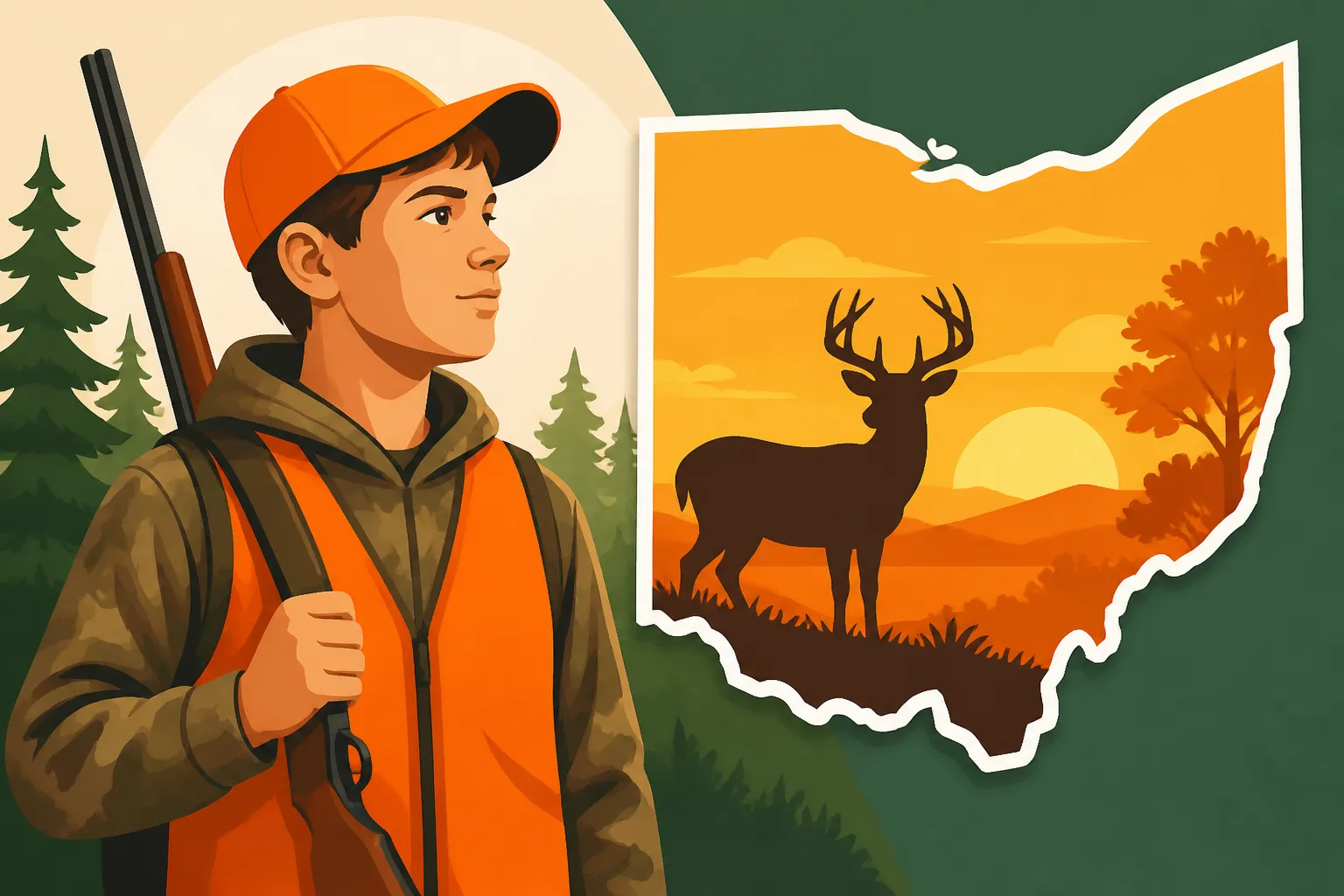
Let's cut right to the chase: In Ohio, a person must be 16 years of age or older and have successfully completed an approved hunter education course to hunt without the direct supervision of an adult. This is the golden standard. If you're 16 or older and have that hunter education certification in hand, you're legally good to go on your own. "Unsupervised" means you're not required to have an adult (specifically, a licensed hunter who is 18 or older for general hunting, or 21 or older for apprentice hunters) physically with you in the field.
This isn't just a number; it's an acknowledgment of the maturity and foundational knowledge expected. When you hunt alone, you are solely responsible for understanding and adhering to all Ohio Hunting Licenses and What They Cost, bag limits, legal shooting hours (Ohio Legal Shooting Hours), and species-specific regulations. You also carry the full weight of making safe decisions, identifying your target, ensuring a clear backstop, and handling your firearm or bow responsibly. It’s a significant step, moving from being under a mentor's wing to being the sole decision-maker for your hunting experience.
Understanding the Apprentice Hunter Program and Mentored Hunting
For those younger than 16, or even older individuals new to hunting who haven't yet completed hunter education, Ohio offers the Apprentice Hunter Program. This fantastic initiative allows individuals of any age to hunt without first completing a hunter education course, provided they are accompanied by a licensed adult who is 21 years of age or older. This mentor must be in a position to physically control the hunting device and provide direct supervision.
The Apprentice Hunter Program is designed to be a bridge, allowing new hunters, particularly youth, to gain valuable in-field experience under the watchful eye of a seasoned veteran. It’s a structured way to learn the ropes, from proper gun handling to animal identification and ethical considerations, before taking the full hunter education course. For a deeper dive, check out the specific Ohio Apprentice Hunter Rules. It’s a vital stepping stone for many, fostering a love for the outdoors and building skills over time. The mentor's role is absolutely crucial here; they are responsible for the apprentice's safety and adherence to all regulations, ensuring that the learning experience is positive and secure.
Hunter Education: The Cornerstone of Solo Eligibility
The Ohio Hunter Education course isn't just a hoop to jump through; it's an indispensable foundation for safe and responsible hunting. As mentioned, completing this course is mandatory for anyone 16 or older who wishes to hunt unsupervised in Ohio. This comprehensive program covers everything from firearm safety and marksmanship to wildlife identification, conservation principles, and hunting ethics. It's truly the bedrock upon which all solo hunting experiences should be built.
The course content is designed to instill the knowledge and discipline necessary to make sound judgments in the field. Participants learn how to handle hunting equipment safely, navigate various terrains, understand animal behavior, and properly care for harvested game. It teaches crucial lessons about respect for wildlife, landowners, and fellow hunters, emphasizing the role of hunters in conservation. You can find more details on what's covered and how to sign up by looking into Ohio Hunter Education Requirements. This certificate proves you’ve absorbed the core tenets of safe and ethical hunting, marking you as ready for the profound responsibility that comes with solo pursuits.
Practical Readiness for Young Hunters in Ohio's Diverse Landscapes
While meeting the legal age and hunter education requirements is non-negotiable, true readiness for unsupervised hunting extends far beyond the letter of the law. Ohio's varied terrain, from the dense Appalachian foothills of Wayne National Forest to the sprawling farmlands of the northwest, demands a robust set of practical skills and a mature mindset.
Beyond the Law: Assessing Maturity and Field Skills
Turning 16 and getting that hunter education certificate is a fantastic accomplishment, but it's really just the starting line for solo hunting. Before a young hunter heads out alone, a serious, honest assessment of their maturity and practical field skills is vital. Can they stay calm under pressure? Are they capable of making quick, ethical decisions when a deer steps out unexpectedly, or when the weather takes a sudden turn for the worse? What about judgment calls when a shot isn't quite perfect and a blood trail needs to be followed? These aren't just theoretical questions; they're real-world scenarios that seasoned hunters face constantly.
A young hunter needs to possess a level of self-reliance that allows them to solve problems independently, from a minor equipment malfunction to getting slightly disoriented in unfamiliar timber. They should be able to identify game accurately, understand legal shooting hours and bag limits, and know when to pass on a marginal shot. These are skills often honed over years of mentored hunting, where an experienced hand is there to guide and teach. Even if legally permitted, it's often wise to have several seasons of diverse hunting experiences under your belt, even under observation, before completely going it alone.
Essential Knowledge for Navigating Ohio's Hunting Grounds
Ohio's hunting opportunities span a vast array of habitats, each presenting its own challenges. A truly ready solo hunter needs more than just basic survival skills; they need specific knowledge about the areas they plan to hunt. This includes everything from understanding property boundaries and public land regulations to interpreting terrain and animal sign. For instance, hunting the deep woods of Shawnee State Forest requires a different skillset than pursuing whitetails in the small woodlots of Northwest Ohio farmland deer.
Utilizing modern mapping tools like the GoHunt app or the Ohio HuntFish App is incredibly beneficial. These tools allow hunters to scout remotely, understand property lines, and mark potential stand locations. A young hunter should be proficient in using these tools to navigate safely and effectively, especially when hunting Scouting Ohio Public Land Before Season. Understanding Wind and Thermals on an Appalachian Ridge is crucial in hilly country, just as knowing how to Read Ohio Snow for Fresh Deer Movement can make or break a late-season hunt. Knowing where to park, where boundaries lie, and how to safely enter and exit a stand without spooking game are all vital pieces of the puzzle. This localized knowledge can only be gained through experience and diligent scouting.
Weapon Proficiency and Ethical Shot Placement
The responsibility of carrying and deploying a hunting weapon is immense. For a young hunter to go solo, they must demonstrate consistent proficiency and unwavering commitment to safe handling, regardless of whether they’re using a straight-wall rifle, a shotgun, or a bow. This means regular practice at the range, understanding the limitations of their chosen weapon and ammunition, and being able to make an ethical shot under field conditions.
It's not enough to just hit the target; it's about making a clean, humane kill. A solo hunter needs to understand deer anatomy, proper shot placement, and the likely reaction of an animal hit in different areas. They must be prepared for the possibility of tracking a wounded animal, even into challenging terrain or after dark. This requires patience, keen observation skills, and a willingness to persist. Whether it's discussing the optimal Straight-Wall Rifles for Ohio Deer or choosing between a Crossbow Versus Vertical Bow in Ohio, the hunter must be intimately familiar with their equipment. The decision to take a shot, or more importantly, to not take a shot, is a profound ethical choice that falls squarely on the shoulders of the solo hunter.
Equipping a Young Solo Hunter for Safety and Success
Stepping into the woods alone for the first time is exhilarating, but it also means carrying your own safety net. Proper gear and meticulous planning are not optional; they are fundamental for a young hunter to have a safe, successful, and independent experience in Ohio's wild places.
Personal Safety Gear and Emergency Preparedness
When a young hunter ventures out solo, they become their own first responder. This means packing essential safety gear and having a robust emergency plan. Mandatory items like appropriate blaze orange or blaze pink outerwear are a must during gun seasons, as detailed in Ohio Blaze Orange Requirements, to ensure visibility to other hunters. Beyond that, a reliable method of communication, such as a fully charged cell phone (with a portable power bank), is critical, even if cell service can be spotty in some remote areas. Carrying a detailed map (paper or digital, like the GoHunt app's offline maps) and a compass, and knowing how to use them, is paramount for navigation, particularly in expansive areas like Wayne National Forest.
A compact but comprehensive First Aid Kits for Remote Wayne Forest Ground should always be in the pack, along with knowledge of basic first aid. Whistles, flashlights or headlamps for unexpected walks after dark, and fire-starting materials are also smart additions. Before leaving home, the young hunter should always inform someone of their exact hunting location, expected return time, and who to contact in case of an emergency. This "hunt plan" is a simple yet powerful safety measure that too often gets overlooked.
Practical Hunting Gear for a Self-Reliant Experience
Beyond safety, the right hunting gear can significantly impact a young hunter's success and comfort. Ohio weather can be notoriously unpredictable, swinging from mild autumn days to bitter winter cold, often within hours. Layered clothing, ideally made of moisture-wicking materials, is crucial to stay comfortable and prevent hypothermia. Think about what you'd need for Clothing for an Ohio Late Season. Insulated, waterproof boots are essential for navigating muddy trails, damp forests, and potential snow cover.
A well-organized hunting pack, such as those recommended for Packs for a Day on Wayne National Forest, should contain everything needed for a full day: water, high-energy snacks, a knife for field dressing, game bags, and perhaps even a small saw. If hunting deer, knowing how to field dress and cool the animal quickly is vital, especially during warmer early seasons. For colder hunts, items to keep a muzzleloader dry in wet snow or simply an extra pair of gloves can make all the difference. The goal is to be self-sufficient and prepared for any eventuality, minimizing the need to cut a hunt short due to discomfort or lack of necessities.
Pre-Hunt Planning and Post-Harvest Responsibilities
The successful solo hunt begins long before stepping into the woods. Thorough pre-hunt planning is key. This involves studying maps, scouting the intended hunting area—whether it’s a public wildlife area or a private woodlot—and understanding recent game movements. Checking weather forecasts, wind directions, and sunrise/sunset times is critical for both safety and strategic hunting. A young hunter should know their target species, its habits, and the best tactics for that particular season, such as those covered in Ohio Deer Season Structure Explained.
Once an animal is harvested, the responsibility continues. The young hunter must know how to properly tag their deer or turkey immediately after the kill. This includes understanding the specific requirements for Registering a Deer Through Ohio's Check-In System, which is usually done online or by phone within a specified timeframe. Proper field dressing, efficient retrieval of the animal, and responsible meat care are all crucial steps in showing respect for the game and ensuring quality venison. Dragging a deer off a steep ridge can be an exhausting task, emphasizing the need for physical preparedness or a clear plan for assistance. Every step, from the moment of the shot to the freezer, is part of the solo hunter's responsibility.
Ohio Youth Hunting Age and Supervision Summary
To help clarify the various age and supervision requirements, here's a quick overview of key points for youth hunting in Ohio:
| Age Group | Hunter Education Required? | Supervision Required? | Supervisor Age Requirement | Legal to Hunt Unsupervised? |
|---|---|---|---|---|
| Under 16 | No (with Apprentice Permit) | Yes (direct physical control) | 21 years or older | No |
| 16 and Older | Yes | No | N/A | Yes |
| Any Age | No (with Apprentice Permit) | Yes (direct physical control) | 21 years or older | No |
It's important to note that even when legally able to hunt unsupervised, continued mentorship and ongoing learning are invaluable for any hunter, especially a young one. The legal minimum is just that – a minimum. True readiness is often a continuous journey.
Disclaimer
The information provided in this article is for general guidance only and should not be considered legal advice. Hunting regulations in Ohio can change, and it is the hunter's responsibility to consult the most current Ohio Department of Natural Resources (ODNR) hunting and trapping regulations before participating in any hunting activity. Always prioritize safety and ethical hunting practices.