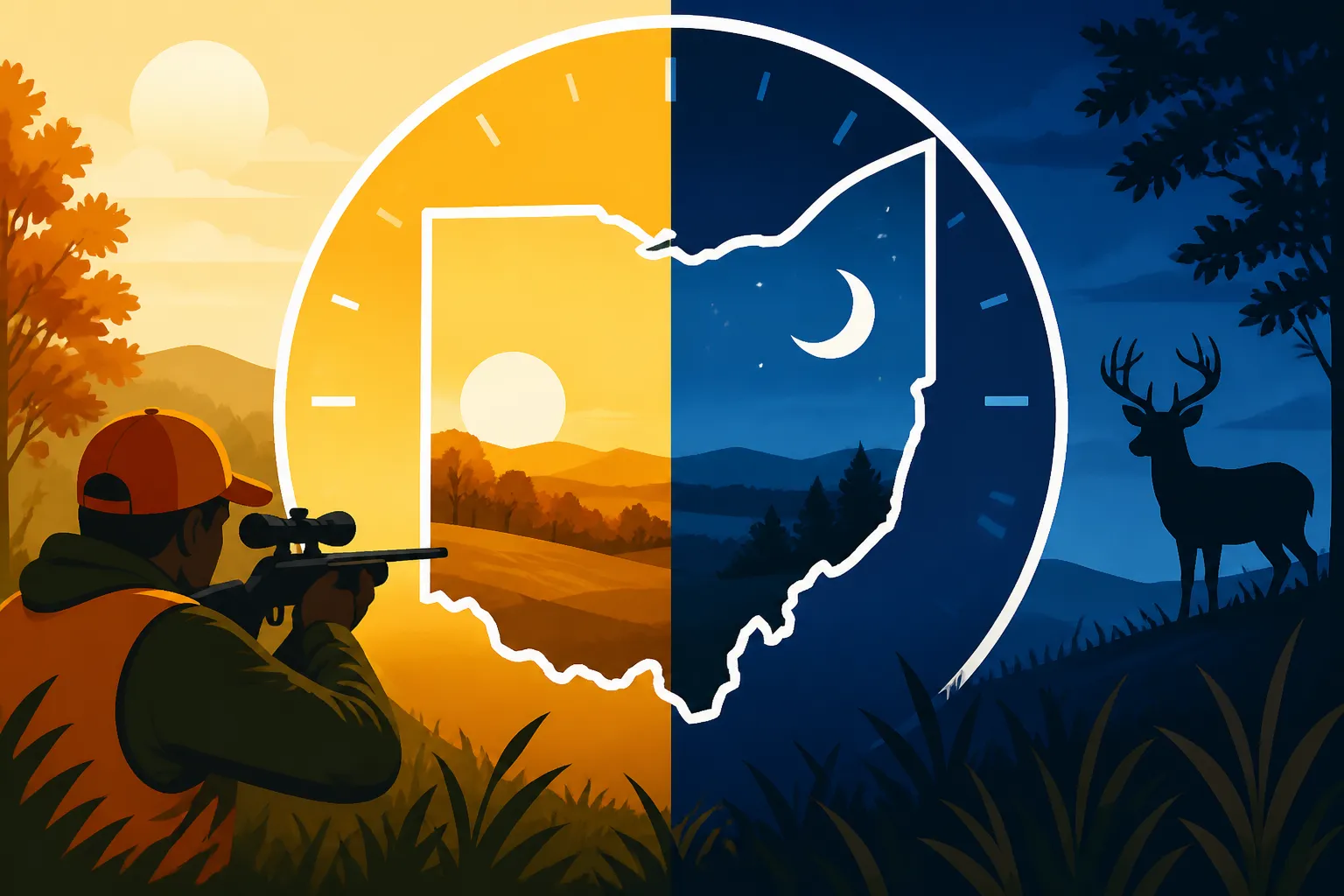
Ohio Legal Shooting Hours
One of the most common headaches for Ohio hunters, whether you're a seasoned veteran or just starting out, is keeping track of the ever-so-slightly different legal shooting hours for various game species. It's not just a matter of "when the sun comes up and goes down"; the rules are precise, and misunderstanding them can quickly land you in hot water. This comprehensive guide will meticulously break down Ohio's legal shooting hour regulations, helping you navigate the complexities and ensure every minute you spend afield is both productive and compliant.
Understanding Ohio's Basic Shooting Hour Framework
Ohio's hunting regulations define legal shooting hours quite specifically, moving beyond a simple sunrise and sunset. This foundational understanding is crucial because it governs almost all hunting activities in the state. Getting this right is the first step to a successful and worry-free hunt.
Defining "Legal Shooting Hours" in Ohio
For most game in Ohio, the legal shooting hours generally run from 30 minutes before sunrise to 30 minutes after sunset. This isn't just a suggestion; it's a hard-and-fast rule set by the Ohio Department of Natural Resources (ODNR). The exact times for sunrise and sunset are determined by the National Weather Service and are often tied to the official times for a specific city or region within Ohio. This means that if you're hunting in the eastern part of the state near St. Clairsville, your sunrise and sunset times will differ slightly from someone hunting near Lima in the west. It's not about when you personally can see well enough, but about the official times.
Many hunters, especially those new to the sport or those visiting from other states, often assume a more generic "daylight hours" rule. However, Ohio's regulation adds that critical 30-minute buffer on both ends of the day. This provision allows for some strategic low-light hunting, particularly for deer, when they are often most active. It’s a key detail that can make or break your morning or evening sit.
Calculating Dawn and Dusk for Hunting
Gone are the days when hunters had to rely solely on local newspapers or a simple almanac. Today, technology has made calculating legal shooting hours much more accessible. Most modern weather apps and dedicated hunting applications, like the GoHunt app, integrate official sunrise and sunset data, often even providing the 30-minute adjusted times specifically for hunting. This can be an absolute lifesaver when planning your hunt. However, remember that these apps generally pull data for a specific location, so if you're moving around the state, it's wise to double-check for your precise hunting area.
For instance, if the official sunrise in Columbus is 7:15 AM, your legal shooting time for deer would begin at 6:45 AM. Conversely, if sunset is 5:30 PM, you could legally hunt until 6:00 PM. It’s vital to input the correct date and location into your chosen tool. You can even use the Ohio HuntFish app provided by the ODNR to verify these times, which is a great resource for all hunters.
The Importance of Adhering to Shooting Hours
Adhering to these strict shooting hours isn't just about avoiding a ticket; it's about ethical hunting and maintaining the public perception of our sport. Hunting before or after legal hours is considered a serious violation in Ohio, often resulting in significant fines, loss of hunting privileges, and confiscation of equipment. Wildlife officers take these violations very seriously, as they directly impact fair chase principles and animal welfare. Animals are often most vulnerable during the twilight hours, and these regulations are in place to provide a balance between hunter opportunity and species conservation.
Beyond the legal ramifications, shooting outside of legal hours can lead to poorly placed shots due to insufficient light, increasing the chance of wounding an animal and not being able to recover it. It’s a situation no ethical hunter ever wants to find themselves in. Always err on the side of caution; if you're unsure if it's legal shooting light, hold off until you are absolutely certain. This commitment to ethical practice benefits everyone who enjoys the outdoors.
Deer Hunting: Archery, Gun, and Muzzleloader Hours
Deer hunting is Ohio's most popular hunting pursuit, and as such, it has specific regulations regarding shooting hours that hunters must understand and follow diligently through the various seasons, from the extended archery season to the intense gun and muzzleloader periods.
Archery Season Shooting Hours
Ohio's archery season offers an incredibly long window for deer hunters, stretching from late September well into February. Throughout this entire season, the legal shooting hours for archery equipment (both vertical bows and crossbows, as outlined in "Crossbow Versus Vertical Bow in Ohio") strictly adhere to the general rule: 30 minutes before sunrise until 30 minutes after sunset. This applies whether you're perched in a treestand during the warm October days, utilizing some early-season tactics outlined in "Bowhunting Ohio's Long Archery Season," or bundled up for a frigid late-season hunt in January.
The extended length of the archery season means hunters will experience a wide range of daylight hours. Early in the season, you might be starting your morning sit well before 6:00 AM and staying out past 7:00 PM in the evening. As winter approaches, those windows shrink considerably, with daylight beginning much later and ending much earlier. Always check the specific times for your hunt day and location, especially when anticipating those critical dawn and dusk deer movements. Being ready in your stand for that first 30 minutes of legal light can be crucial, as can staying put until the last legal minute of the evening.
Gun and Muzzleloader Season Shooting Hours
When it comes to Ohio's gun seasons, including the always-exciting "Ohio's Two-Weekend Gun Deer Season" and the later "Muzzleloader Deer Hunting in Ohio," the 30 minutes before sunrise to 30 minutes after sunset rule also applies. This consistency helps simplify things, but the intensity of gun season often brings more hunters into the woods, making strict adherence even more critical for safety and compliance. These seasons, typically falling in late November and early December, feature shorter daylight hours compared to early archery season.
For hunters using straight-wall cartridge rifles, shotguns, or muzzleloaders, understanding these hours is paramount. During the peak gun seasons, particularly the opening weekends, wildlife officers are highly visible and diligent in enforcing all regulations, including shooting hours. Imagine you're out hunting on public land, such as the Wayne National Forest, trying to get into position during the pre-dawn darkness. Knowing exactly when you can legally load and shoulder your firearm is not just about avoiding a fine; it's a fundamental aspect of safe hunting practices. Always check your local sunrise and sunset times each day you hunt, as they shift throughout these shorter seasons.
Night Hunting Restrictions for Deer
Unlike some other game species, deer hunting in Ohio is strictly prohibited during nighttime hours. The 30-minutes-after-sunset cutoff is absolute for deer, regardless of the season or weapon type. There is no provision for hunting deer at night, even with artificial lights or night vision devices. These technologies, while legal for other activities or species, are not permitted for deer hunting.
This restriction is primarily in place for ethical and management reasons. Deer are largely crepuscular and nocturnal, meaning they are most active during twilight and night. Hunting them throughout the night would put undue pressure on the herd and potentially lead to an increase in illegal activity or unethical shots. This clear boundary helps ensure fair chase and supports the sustainable management of Ohio's robust deer population, which you can learn more about in "White-Tailed Deer Across Ohio." Any attempt to hunt deer outside of the established legal shooting hours is a serious offense that will be met with severe penalties.
Small Game and Furbearer Shooting Hours
While deer often steal the spotlight, Ohio offers fantastic opportunities for small game and furbearer hunting. The shooting hour rules for these species present a bit more variety, especially when considering nocturnal hunters.
Daytime Small Game Opportunities
For classic small game species like squirrels and rabbits, the standard 30 minutes before sunrise to 30 minutes after sunset rule generally applies. This means your "Ohio's Squirrel and Rabbit Populations" hunts in Ohio's hardwood forests or along thick fencerows will typically follow the same daylight parameters as deer hunting. However, many small game hunters, especially those pursuing squirrels, find the early morning hours just after legal light breaks to be the most productive. This is when squirrels are often most active, leaving their nests to forage.
For upland birds like pheasants, when they are available, and other migratory birds like doves and woodcock (outside of federal regulations for waterfowl), these same daylight hours are in effect. It’s important to remember that these rules are designed to give hunters ample opportunity during the animals' natural activity periods while also ensuring fair chase and safe hunting conditions. Whether you're chasing cottontails with beagles or still-hunting an oak ridge for fox squirrels, keep those official sunrise and sunset times handy.
Night Hunting for Furbearers and Predators
This is where Ohio's shooting hours diverge significantly from deer and most small game. Many furbearers and predators, such as raccoons, foxes, and opossums, are primarily nocturnal. Consequently, hunting them is often permitted at night. For species like raccoons and foxes, the season typically allows for hunting 24 hours a day during their open seasons, which you can find details on in "Ohio Raccoon and Fox Season Dates." This opens up a whole different style of hunting, often involving hounds and specialized lighting equipment.
However, even with 24-hour seasons, hunters must still be mindful of local ordinances, safety, and ethical considerations. The use of artificial lights, including headlamps and spotlights, is generally permitted when night hunting these species, but there are regulations on the type and power of lights that can be used. It's not a free-for-all; you still need to ensure you have a clear, safe shot and positively identify your target. The ability to hunt these animals after dark provides unique challenges and rewards for those who embrace the nighttime woods.
Specific Rules for Coyotes
Coyotes, a prevalent and often challenging predator across Ohio, have their own unique set of regulations regarding hunting hours. As outlined in "Coyote and Predator Hunting in Ohio," coyotes can be hunted 24 hours a day, year-round, except during the statewide deer gun season. During the regular deer gun seasons (both the two-weekend regular season and the early gun season in the CWD Surveillance Area), coyote hunting is restricted to the daylight hours of 30 minutes before sunrise to 30 minutes after sunset, mirroring deer hunting hours. This temporary restriction during gun season is a safety measure to prevent confusion and ensure all hunters are easily identifiable and adhering to similar regulations.
Outside of the deer gun season, the 24-hour allowance for coyotes means you can pursue them day or night, using calling tactics or other methods. Many hunters find night calling for coyotes to be incredibly effective, often utilizing red or green predator lights. This flexibility in hunting hours reflects the ODNR's approach to managing these adaptable predators, acknowledging their nocturnal habits and the need for year-round population control in some areas. Always double-check the current hunting digest for any last-minute changes or specific county regulations related to coyote hunting, especially if you're planning a nighttime excursion.
Waterfowl and Migratory Bird Shooting Hours
Waterfowl and other migratory birds fall under a combination of state and federal regulations, which can sometimes make their shooting hours slightly different and often more complex than typical Ohio game.
Waterfowl and Duck Hunting Specifics
For ducks, geese, coots, and mergansers, Ohio's legal shooting hours begin 30 minutes before sunrise and extend until sunset. This differs from most other Ohio game, which allow for 30 minutes after sunset. This hard sunset cutoff is a federal regulation, stemming from the Migratory Bird Treaty Act, which applies across all states. This distinction is critical for waterfowl hunters, especially those passionate about "Ohio Waterfowl Hunting on Lake Erie and Inland" or hunting flooded timber in inland marshes.
The rationale behind the sunset cutoff is rooted in conservation efforts and preventing overharvest. Waterfowl are particularly susceptible to hunting pressure during the low light of evening, and the federal framework aims to provide a fair chase while maintaining healthy populations. Hunters need to be especially vigilant when the sun begins to dip below the horizon. As soon as that sun is officially down, it's time to unload your firearm and pack up, even if there's still plenty of visible light. The use of a reliable app, like GoHunt, or a dedicated waterfowl hunting watch that tracks precise sunset times can be invaluable in the duck blind.
Mourning Dove and Other Migratory Birds
Other migratory birds, such as mourning doves, rails, and snipe, also fall under federal guidelines, meaning their legal shooting hours generally follow the same rules as waterfowl: 30 minutes before sunrise until sunset. This is particularly relevant for dove hunters who enjoy the fast-paced action of early September field edges. The action can be hot and heavy right up until sunset, but knowing that hard cutoff is vital.
It's crucial for hunters of all migratory birds to possess the proper licenses and certifications, including the Ohio Migratory Bird Certification and a federal duck stamp, even if you're not specifically targeting ducks or geese. These requirements and regulations are in place to ensure responsible management of these species, which often traverse state and international borders. Always consult the current Ohio Hunting and Trapping Regulations Digest for the most up-to-date migratory bird season dates and shooting hour specifics, as they can sometimes vary slightly by species or zone.
Understanding Federal Regulations
The influence of federal regulations on waterfowl and migratory bird hunting hours cannot be overstated. Unlike deer or small game, which are primarily managed at the state level, these birds are managed jointly by state agencies like the ODNR and federal agencies like the U.S. Fish and Wildlife Service. This dual management means that while Ohio sets its specific season dates and bag limits within federal frameworks, the overarching rules like shooting hours are often dictated by federal law to ensure uniformity and effective conservation across flyways.
This means hunters need to be aware that changes at the federal level can impact Ohio's rules. For instance, the timing of the 30-minute before sunrise to sunset rule for waterfowl is a national standard. It also highlights the importance of the annual Ohio Hunting and Trapping Regulations Digest and federal summaries, which often incorporate these federal guidelines directly into Ohio's hunting rules. Never assume; always verify the current year's regulations to avoid unintentional violations, especially when hunting species under migratory bird protections.
Turkey Hunting Hours: Spring and Fall
Turkey hunting in Ohio offers some of the most exciting and challenging pursuits, whether you're chasing spring gobblers or trying to bust a fall flock. The shooting hours for turkeys are quite specific, designed to maximize opportunity while protecting breeding birds and ensuring ethical hunting.
Spring Gobbler Timeframes
Ohio's spring wild turkey season is a highly anticipated event, with hunters waking up well before dawn to try and coax a tom into range. For "Spring Turkey Hunting in Ohio," the legal shooting hours are particularly unique: from 30 minutes before sunrise until noon (12:00 PM) each day during the entire season. This noon cutoff is a distinct feature of spring turkey hunting in Ohio, differing significantly from deer or small game seasons.
The reason for the noon cutoff is primarily biological and behavioral. Adult gobblers are often most active and vocal during the early morning hours, particularly when they are on the roost and immediately after flying down. By noon, breeding activity tends to slow down, and birds disperse. Limiting hunting to the morning hours reduces pressure on the birds throughout the afternoon, allowing them to feed and engage in natural behaviors with less disturbance, which is crucial for population health. Many hunters utilize tactics like "Calling an Ohio Gobbler Off the Roost" right at the crack of legal shooting light to capitalize on this early morning activity.
Fall Turkey Season Hours
Fall turkey hunting in Ohio operates under different rules than the spring season, aligning more closely with general small game regulations. For "Ohio's Shotgun-Only Fall Turkey Season," the legal shooting hours extend from 30 minutes before sunrise until 30 minutes after sunset. This broader window is in place because fall turkey hunting often involves different tactics, such as busting flocks and then calling birds back in, which can occur throughout the day.
While the fall season is much shorter and limited to specific counties, the extended hours provide more flexibility for hunters. You might spend the morning glassing fields, break up a flock around midday, and then set up to call birds back in during the late afternoon. This allows hunters to adapt to the birds' behavior as they transition from breeding to flocking and foraging patterns. Always check which counties are open for fall turkey hunting, as it's not a statewide season.
Roosting and Early Morning Tactics Within Legal Limits
Understanding the legal shooting hours is absolutely critical for effective spring turkey hunting, especially when employing roosting tactics. Many successful turkey hunters will scout birds the evening before, listening for their gobbling to determine their roost locations. This allows them to set up silently in the pre-dawn darkness, well within range for the first moments of legal light. However, it's paramount that you do not attempt to shoot a bird still on the roost before the 30-minutes-before-sunrise mark.
While it's exciting to hear that first gobble from the limb, patience is key. Setting up against a big oak or other substantial cover and waiting for legal shooting time ensures you're hunting ethically and legally. Similarly, when the clock strikes noon, you must unload your shotgun and cease calling, even if you have a bird strutting just out of range. Knowing these precise cutoffs allows you to plan your approach, set up your decoys, and execute your calls with confidence, always within the bounds of Ohio law.
Navigating Common Confusions and Technology
Even with clear rules, real-world hunting situations can throw curveballs. Understanding how technology can help, recognizing potential points of confusion, and knowing the consequences of missteps are all part of responsible hunting.
Public Versus Private Land Considerations
One common misconception is that legal shooting hours might differ between public and private land. In Ohio, this is generally not the case. The shooting hour regulations set by the ODNR apply uniformly across all lands, whether you're hunting in the sprawling Wayne National Forest Hunting or on a small, private woodlot you gained permission to hunt. The rules about 30 minutes before sunrise to 30 minutes after sunset (or other species-specific variations) are state law, not tied to land ownership status.
However, certain public lands might have additional restrictions or localized rules that could indirectly affect your hunting timing. For instance, some wildlife areas or state parks might have gates that aren't open until official sunrise, limiting your ability to get to your spot before legal shooting light begins. It's always a good idea to check the specific regulations for any particular public hunting area you plan to visit. While the shooting hours remain the same, access limitations could influence your effective hunting window. Conversely, on private land, while the state shooting hours apply, your landowner might have specific requests about when you can enter or exit their property, which you should always respect.
Using Technology for Accurate Times
In today's digital age, relying solely on a simple watch is no longer sufficient for accurately tracking legal shooting hours. The precise calculation of 30 minutes before sunrise and 30 minutes after sunset varies significantly by your exact geographic location (latitude and longitude) and the date. This is where modern hunting apps and dedicated GPS units shine. Apps like GoHunt or the official ODNR HuntFish app are excellent tools that can provide real-time, location-specific sunrise and sunset data, often pre-calculated with the 30-minute buffers for hunting. This eliminates guesswork and helps you stay compliant.
Many hunters will use these apps to set alarms on their phones or smartwatches, notifying them exactly when legal shooting light begins and ends. When you're scouting Ohio public land before season, getting used to these tools is invaluable. Just remember to have a backup, like a physical printout of times or a fully charged power bank, especially if you're hunting in areas with poor cell service. While these tools are incredibly helpful, they are aids, not substitutes for personal responsibility. Always confirm the information and ensure your device's time and location settings are correct.
Potential Penalties for Violations
Ignoring or misunderstanding Ohio's legal shooting hours can lead to serious consequences. Hunting outside of legal hours is a violation of state wildlife laws, often resulting in misdemeanor charges. The penalties can include substantial fines, potentially ranging from hundreds to thousands of dollars depending on the severity and repeat nature of the offense. Beyond financial penalties, hunters could face the suspension or revocation of their hunting license and privileges, not just in Ohio but potentially in other states through interstate wildlife compacts.
Furthermore, any game harvested illegally outside of legal shooting hours would be confiscated, and any firearms or equipment used in the commission of the offense could also be seized. The reputational damage within the hunting community and the impact on the public perception of hunters can also be significant. As an "Ohio apprentice hunter rules" suggests, learning these regulations early is vital. Wildlife officers are trained and equipped to detect violations, using night vision, thermal optics, and sound triangulation. It’s simply not worth the risk. Always be ethical, be safe, and be within the legal shooting window.
Ohio Legal Shooting Hours Summary Table
To help you keep track of these varied regulations, here's a handy table summarizing the general legal shooting hours for different game categories in Ohio. Remember, specific season dates and additional regulations can always apply, so consult the current Ohio Hunting and Trapping Regulations Digest annually.
| Game Category | Legal Shooting Hours | Notes |
|---|---|---|
| White-Tailed Deer | 30 min before sunrise to 30 min after sunset | Applies to Archery, Gun, and Muzzleloader Seasons. No night hunting for deer. |
| Small Game (Squirrel, Rabbit) | 30 min before sunrise to 30 min after sunset | Standard daylight hours. |
| Wild Turkey (Spring) | 30 min before sunrise to 12:00 PM (Noon) | Specific noon cutoff for spring season. |
| Wild Turkey (Fall) | 30 min before sunrise to 30 min after sunset | Broader window for fall season, limited counties. |
| Waterfowl (Ducks, Geese, etc.) | 30 min before sunrise to Sunset | Federal regulation; hard sunset cutoff. |
| Migratory Birds (Doves, Snipe) | 30 min before sunrise to Sunset | Federal regulation; hard sunset cutoff. |
| Furbearers (Raccoon, Fox) | 24 hours (Day and Night) | Check specific season dates. Artificial lights generally permitted. |
| Coyotes | 24 hours (Day and Night), except during deer gun season. | During deer gun season, reverts to 30 min before sunrise to 30 min after sunset. |
Disclaimer
Please note that hunting regulations, including legal shooting hours, are subject to change annually. This guide is intended for informational purposes only and should not be considered legal advice. Always consult the most current Ohio Hunting and Trapping Regulations Digest published by the Ohio Department of Natural Resources (ODNR) for the definitive and most up-to-date rules before engaging in any hunting activities.