Ohio Feral Swine Hunting Rules
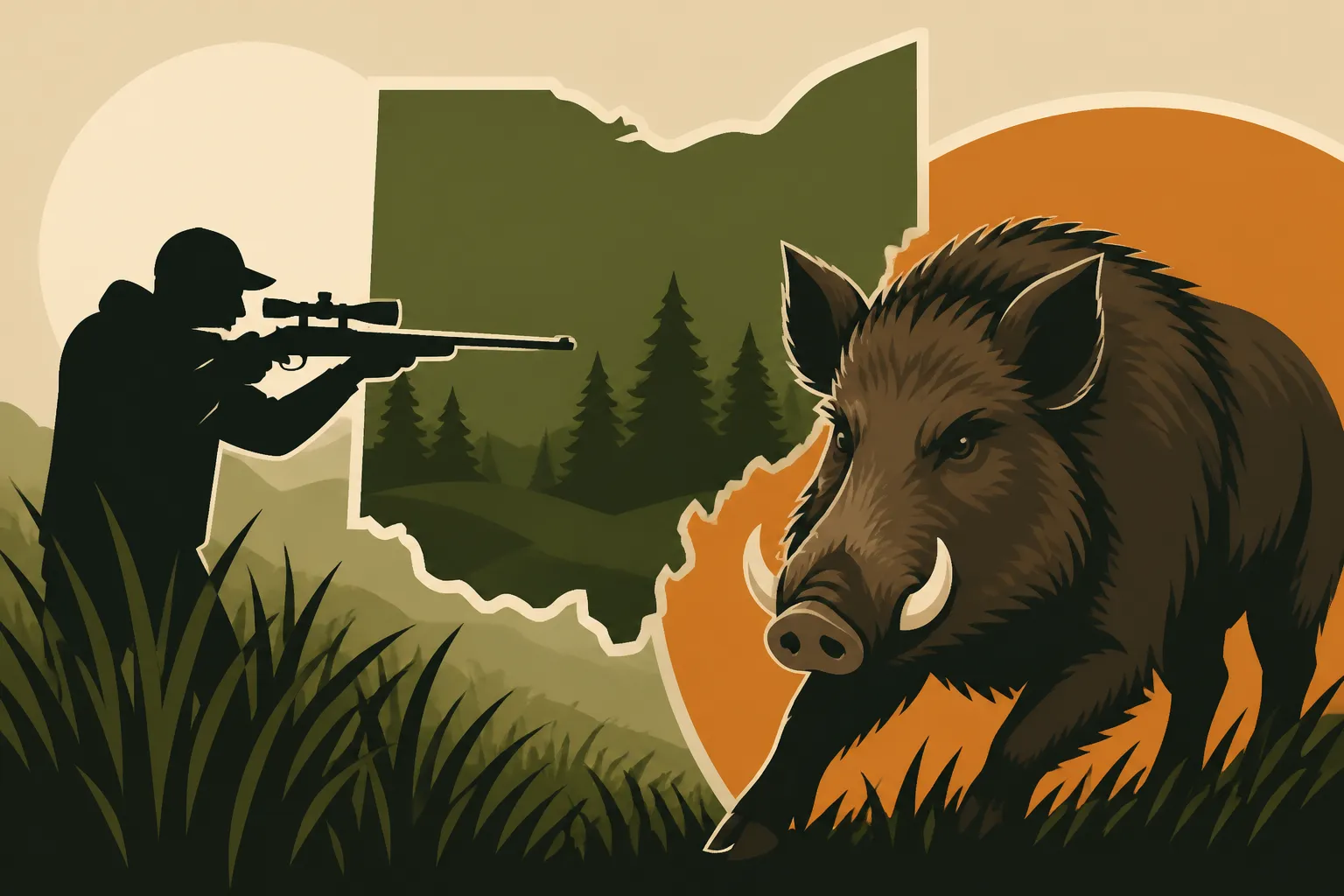
It can be incredibly frustrating to hear about a pervasive problem like feral swine causing havoc in Ohio’s agricultural lands and natural ecosystems, only to feel confused about how you, as a hunter, can actually help. Unlike most game animals with clear seasons and bag limits, invasive species like wild hogs operate under a different set of rules. This guide is here to untangle those specifics, outlining exactly what you need to know to legally and effectively hunt feral swine in Ohio and contribute to their control.
The Menace of Feral Swine in Ohio
Feral swine, often called wild hogs or wild pigs, aren't native to Ohio, and frankly, they're a huge problem. These aren't your grandpa's farm pigs that got loose a generation ago and adapted to the wild. Many are descendants of true Eurasian wild boar or hybrids that bring aggressive traits and incredible destructive power. Their presence is a nightmare for landowners, farmers, and wildlife managers across the state. They tear up crops, root through delicate habitats, spread diseases, and even prey on fawns and turkey poults. The damage they inflict is astounding, both economically and ecologically.
Understanding the Threat They Pose
Imagine waking up to find your carefully planted soybean field looking like a rototiller went through it overnight. That’s a common reality for farmers where feral swine have taken root. They can destroy acres of crops in a single night. Beyond agriculture, their rooting behavior degrades forest floors, contaminates water sources, and outcompetes native wildlife for food. This isn't just about deer food plots; it's about the very foundation of our natural ecosystems. Ohio has seen "Feral Swine Reports in Ohio" increase in certain areas, particularly in the southern and eastern counties, often bordering states where populations are more established. This geographic spread highlights the urgency of control efforts.
Why Ohio Wants Them Gone
The Ohio Department of Natural Resources (ODNR) and other agencies have a clear stance: feral swine are an invasive species, and the goal is complete eradication, not management. This is a critical distinction from hunting deer or turkey, where the aim is sustainable harvest. With feral swine, every animal removed is a win for Ohio. They reproduce at an alarming rate, with sows able to have two litters a year, each with 4-12 piglets. If left unchecked, their populations explode, making control incredibly difficult. This means that hunting them isn't just sport; it's a vital service to the state's natural resources and agricultural community.
Navigating Ohio's Legal Framework for Hunting Feral Swine
Unlike other hunted species, feral swine in Ohio fall into a unique category. They are considered an invasive, nuisance species, not a game animal. This distinction dictates how and when you can hunt them, which can be a bit confusing if you’re used to traditional hunting seasons. The good news is, for hunters looking to help, this classification generally means more flexibility in terms of season length and bag limits.
Year-Round Pursuit: No Closed Season, No Bag Limit
This is perhaps the most important rule to understand: there is no closed season for hunting feral swine in Ohio. You can pursue them year-round, day or night. Furthermore, there are no bag limits. If you encounter a sounder (a group of hogs), you are encouraged to take as many as possible. This "no holds barred" approach reflects the state's aggressive eradication strategy. However, while there's no specific "feral swine permit," you do still need a valid Ohio hunting license to harvest them. Think of it like "Ohio Coyote Hunting Season Rules" – they're also nuisance animals that can be hunted year-round with a general hunting license.
Public Land Versus Private Land Regulations
This is where things get a little more nuanced, and where many hunters get tripped up.
Private Land: If you have permission from a landowner, hunting feral swine on private property is generally quite flexible. You can use most legal hunting methods and firearms that are permitted for deer hunting, as long as you adhere to general hunting regulations and local ordinances. This includes firearms allowed under "Ohio Legal Firearms for Deer Hunting" such as straight-wall cartridge rifles, shotguns, and archery equipment. The key is explicit permission. Without it, you’re trespassing, which carries "Ohio Wildlife Violation Penalties" that no one wants to face. Many farmers, desperate for relief, are often eager to grant permission to responsible hunters. It's often easier to get "Getting Private Land Permission in Ohio" for swine than for deer, as the motivation is purely eradication.
Public Land: This is often the trickiest part. While the ODNR encourages the eradication of feral swine, hunting them on public land is generally not permitted unless specific rules or controlled hunts are in place. This is primarily for safety reasons, to prevent conflicts between hunters, and to avoid drawing animals to specific locations with bait. It’s crucial to check the specific regulations for any Ohio Wildlife Area or State Forest you plan to hunt. For example, while you can find information on "Ohio Public Land Hunting Hours" for other game, specific rules for feral swine are often restrictive or absent for safety concerns on high-use public areas. Always consult the ODNR's website or contact the district office responsible for the public land you intend to visit. In many cases, if feral swine are detected on public land, the ODNR will undertake their own eradication efforts using professional sharpshooters or traps rather than opening it up to general public hunting.
Permitted Methods and Equipment
For the most part, the same legal firearms and archery equipment you'd use for deer in Ohio are permissible for feral swine on private land with permission. This includes:
- Straight-wall cartridge rifles: Calibers like .350 Legend, .450 Bushmaster, .44 Magnum, etc., are increasingly popular.
- Shotguns: Using slugs, of course, not birdshot.
- Archery equipment: Traditional bows, compound bows, and crossbows are all legal.
- Muzzleloaders: Also an effective option.
While night hunting is often an effective strategy for feral swine, be sure to verify local ordinances and ODNR regulations regarding artificial lights or thermal/night vision devices, especially if you're crossing property lines or near residential areas. The general rule of thumb is to treat feral swine hunting with the same level of safety and ethical consideration as you would for any other big game, even though the species itself is considered a pest. Many of the principles for "Trapping Ohio Furbearers" can also be applied to swine, as trapping is a highly effective control method, often preferred by agencies for its efficiency in removing whole sounders.
Effective Strategies and Ethical Considerations
Hunting feral swine isn't quite like hunting deer or turkeys; it requires a different mindset and approach. Because the goal is eradication, you’re not just looking for a trophy, but to remove as many as possible from the landscape. This often means employing tactics that might be frowned upon for traditional game animals, but are perfectly acceptable—and even encouraged—for invasive species.
Scouting and Locating Feral Swine
Just like with any other animal, scouting is paramount. Feral swine leave obvious signs: extensive rooting, wallows (muddy depressions where they cool off), rubs on trees, and tracks. They often frequent areas with dense cover, water sources, and food. Agricultural fields, especially corn, soybeans, and alfalfa, are prime targets. They also love swampy areas and thick creek bottoms. Companies like GoHunt provide mapping tools that can help identify potential swine habitat by showing terrain, water sources, and property lines. You might even find them sharing similar bedding areas or travel corridors with deer, so knowing how to read a ridge for deer movement or "Reading a Ridge for Southeast Ohio Deer" could inadvertently lead you to hogs.
One of the most effective ways to locate them is through trail cameras. Place cameras on trails leading into fields, near known wallows, or along creek beds. Since they're often nocturnal, infrared cameras are a huge asset. Look for patterns in their movement – they are creatures of habit and will often use the same travel routes for food and water. Keep an eye out for specific "Feral Swine Reports in Ohio" from the ODNR, as this data can help guide you to general areas where they are known to be active.
Hunting Tactics: Beyond Traditional Game
Because there's no bag limit and no closed season, your tactics can be more aggressive:
- Spot and Stalk: In areas with good visibility, often near fields, spotting a sounder and making a careful stalk can be highly effective. The key is stealth and understanding wind direction, as their sense of smell is excellent.
- Ambush Hunting: Setting up in a ground blind or treestand overlooking a known travel corridor, wallow, or feeding area can work, especially if you've patterned them with trail cameras.
- Night Hunting: Many hunters find success at night, using legal artificial lights or thermal imaging (where permitted). Hogs are often more active after dark, especially in warmer months or pressured areas.
- Still-Hunting: Much like still-hunting for deer, moving slowly through known hog habitat, stopping frequently to look and listen, can lead to encounters. This is particularly effective in dense cover where hogs prefer to hide during the day.
- Targeting the Sounder: When you encounter a group, the goal is to take down as many as possible. If you shoot one, others might scatter, but they may also mill around confused. Be ready for quick follow-up shots.
Table: Feral Swine vs. Whitetail Deer Hunting in Ohio (Private Land)
Here's a quick comparison to highlight the differences in hunting regulations for feral swine versus whitetail deer on private land in Ohio:
| Feature | Feral Swine (Private Land) | Whitetail Deer (Private Land) |
|---|---|---|
| Legal Status | Invasive/Nuisance Species | Game Animal |
| Hunting License | Required (General Hunting License) | Required (General Hunting License + Deer Permit) |
| Season | Year-round | Specific seasonal windows (archery, gun, muzzleloader) |
| Bag Limit | Unlimited | Specific limits (e.g., 1 antlered buck, antlerless permits) |
| Legal Hours | Day or Night (check local rules for lights/thermal) | Typically 30 minutes before sunrise to 30 minutes after sunset |
| Baiting | Generally Permitted (check local rules/landowner) | Generally Prohibited (except for certain specific rules) |
| Required Check-in | No | Yes, mandatory check-in within 24 hours |
| Carcass Movement | No specific state restrictions, but disease caution | Restrictions apply in CWD Surveillance Area |
Ethical Considerations and Disease Prevention
While the goal is eradication, ethical hunting practices still apply. Always strive for quick, clean kills. Never waste the meat – feral swine, particularly younger ones, can provide excellent table fare. However, remember that feral swine are known carriers of various diseases that can affect humans, livestock, and other wildlife. Always wear gloves when field dressing, avoid contact with organs and blood, and cook the meat thoroughly to at least 160°F. If you encounter a sick-looking animal, it’s best to avoid contact and report it to the ODNR. Learning about "Reporting a Sick Animal in Ohio" is a good practice for all hunters.
Hunter Contributions to Eradication Efforts
Hunting feral swine is more than just pulling a trigger; it's an active partnership in protecting Ohio's natural resources. Your efforts on the ground are invaluable, but they become even more impactful when you collaborate with state agencies.
The Importance of Reporting Sightings and Harvests
One of the biggest challenges in controlling feral swine is simply knowing where they are. They are elusive, highly mobile, and can establish new populations quickly. This is where hunters play a crucial role. If you see signs of feral swine activity—rooting, tracks, scat, or actual animals—it's vital to report it to the ODNR. Even if you don't harvest an animal, a sighting helps wildlife officials track their movements and deployment. Many state agencies, including the ODNR, have online reporting systems or specific phone numbers dedicated to feral swine sightings. This data allows for more targeted trapping and removal efforts.
Similarly, if you do harvest a feral swine, reporting the kill is highly encouraged. While it's not a legal requirement like checking a deer, it provides invaluable information on where populations are being reduced. Some agencies might even request samples for disease testing, which contributes to a broader understanding of the health risks these animals pose. The more information the ODNR has, the better they can allocate resources to areas of highest need.
Collaboration with Landowners and Agencies
Often, the most effective control measures for feral swine happen on private land, especially in agricultural areas. Farmers are often desperate for help, and building relationships with them can open up new hunting opportunities for you and your hunting buddies. Beyond just asking for permission to hunt, you might find landowners interested in exploring other control methods like trapping, which can be highly effective for removing entire sounders. The ODNR also works with landowners through programs that offer assistance or advice on feral swine control, similar to how they might advise on "Ohio Deer Damage Control Permits for Farmers" for overabundant deer. Being part of this collaborative effort makes a significant difference.
Organizations like GoHunt often advocate for hunter involvement in conservation efforts, providing resources and information that can help you understand the broader context of wildlife management. By using tools like their mapping features and staying informed, hunters can be better partners in these critical eradication efforts. Remember that public lands often have specific rules, so while you can scout areas like "Scouting Ohio Public Land Before Season" for general wildlife, direct hunting of feral swine may be limited.
Preventing the Spread
As a responsible hunter, you also have a role in preventing the inadvertent spread of feral swine. Never relocate a live hog. It is illegal and counterproductive to eradication efforts. If you transport a harvested animal, ensure it’s properly contained, especially if it's from an area where diseases are a concern. Proper carcass disposal is important to prevent the spread of pathogens. Always clean your gear, boots, and vehicles thoroughly after hunting in known swine areas to avoid unknowingly transporting soil or plant material that might harbor disease or even tiny piglets. Your vigilance helps protect Ohio's agriculture and native wildlife from this destructive invader.
Disclaimer
Please note: Hunting regulations are subject to change. It is the responsibility of every hunter to consult the most current Ohio Department of Natural Resources (ODNR) hunting regulations annually before engaging in any hunting activities. This guide provides general information and should not be considered a substitute for official legal documents or direct communication with the ODNR.