Feral Swine Reports in Ohio
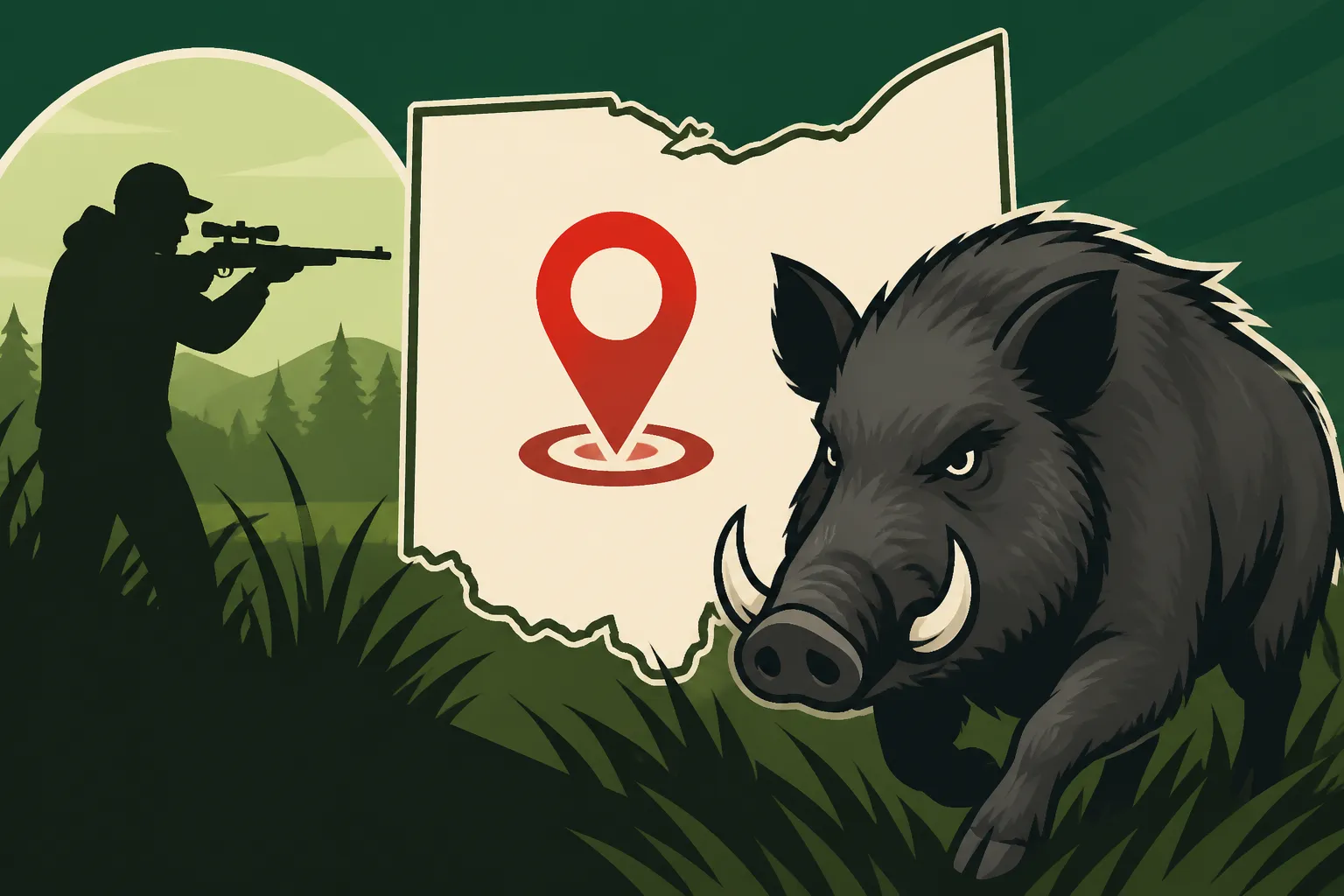
Feral swine in Ohio—it sounds like something out of a southern state, not our beloved Buckeye State. But sadly, it's a very real and growing problem, one that creates immense challenges for landowners, farmers, and our native wildlife. If you've stumbled across evidence of these destructive animals, you might be wondering what to do, who to tell, and if you can even help. This guide is here to walk you through exactly what feral swine mean for Ohio, where they're typically found, and most importantly, how to report them effectively to help keep our state wild and healthy.
The Growing Threat of Feral Swine in Ohio
When we talk about feral swine, we're not talking about domestic pigs that have just wandered off. These are wild animals, often a mix of escaped domestic pigs and wild boars, that have adapted to survive and thrive in the Ohio wilderness. They're intelligent, resilient, and reproduce at an astonishing rate, making them a formidable invasive species. Their presence isn't just a nuisance; it's a significant ecological and agricultural threat that many folks don't even realize is happening right in our backyard.
Why Feral Swine Are a Problem for Ohio
The sheer destructive power of feral swine is hard to overstate. Imagine a rototiller on legs, weighing hundreds of pounds, moving across a freshly planted field or through sensitive wetland habitat. That's essentially what a sounder (a group of feral pigs) can do in a single night. Their constant rooting behavior, where they dig up the soil in search of food like tubers, roots, and invertebrates, can obliterate crops, damage irrigation systems, and destroy native plant communities. This isn't just a cosmetic problem; it leads to significant financial losses for farmers and degradation of the natural landscape that takes years to recover.
Beyond the physical damage, feral swine are notorious carriers of diseases. They can transmit a host of illnesses to domestic livestock, other wildlife, and even humans. Think about diseases like pseudorabies, brucellosis, leptospirosis, and E. coli. If these diseases spread to commercial hog operations, the economic impact could be catastrophic. For our wild deer, turkey, and small game populations, these diseases can weaken their health and reduce their numbers. It’s a silent, unseen threat that truly undermines the health of our entire ecosystem. The Ohio Department of Natural Resources (ODNR) takes this threat very seriously, and so should we as hunters and conservationists.
Where Feral Swine Are Most Often Reported
While feral swine populations aren't widespread across every single county in Ohio (at least not yet, thankfully), they tend to establish themselves in specific areas, primarily in the more rugged, less densely populated parts of southern Ohio. We're talking about regions with a good mix of dense timber, river bottoms, and agricultural land. These areas provide the perfect blend of cover, water, and food sources that allow them to thrive and expand their range. Counties along the Ohio River, and those with extensive forest systems like parts of the Wayne National Forest or Shawnee State Forest, have historically seen the most activity.
They often follow river corridors, using the dense riparian vegetation for cover and moving between woodlots and agricultural fields. It's not uncommon to find their rooting patterns in standing cornfields or freshly tilled soil adjacent to dense woods. They are masters of stealth, often nocturnal, making them incredibly difficult to spot. If you're out Hunting Southeast Ohio Appalachian Foothills or scouting for deer along a creek bottom, keep your eyes peeled for signs of their presence – disturbed soil, tracks, or even damaged crops. Understanding these patterns is key to effective reporting and, ultimately, containment.
Understanding Ohio's Approach to Feral Swine
Ohio has a very clear and distinct strategy when it comes to feral swine: eradication. This isn't a game animal to be managed or hunted for sport in the traditional sense. It's an invasive species, and the goal is to eliminate them from the landscape entirely, not to create a population that can be harvested annually. This might seem counterintuitive to some hunters who see another species to pursue, but the long-term ecological and agricultural costs far outweigh any short-term recreational benefit.
Ohio's "Eradication, Not Management" Stance
Unlike white-tailed deer, which are managed for sustainable populations, or even coyotes, which have an open season, feral swine are viewed as a direct and urgent threat. Ohio law and policy reflect this "eradication, not management" philosophy. This means that hunters cannot simply go out and hunt feral swine as they would a deer or a turkey. Unauthorized hunting efforts, while well-intentioned, can actually make the problem worse by dispersing sounders and making them even more nocturnal and wary, thus hindering professional eradication efforts. It’s a complex issue, and the ODNR emphasizes coordinated efforts over individual, unorganized hunting.
The primary tools for eradication typically involve trapping and targeted removal by trained professionals. These methods are proven to be far more effective at eliminating entire sounders than recreational hunting, which often only removes a few individuals and teaches the rest to avoid humans. When you see signs of feral swine, the absolute best thing you can do is report it, not attempt to "take care of it" yourself. Your report guides the professionals to where their efforts will be most impactful. It's a critical distinction to remember for anyone encountering these animals.
The Role of Public Reporting in Control Efforts
Public reporting is the absolute cornerstone of Ohio's feral swine eradication strategy. Think of it as our early warning system, our reconnaissance. Every single report, whether it's a confirmed sighting of an animal, fresh tracks, distinct rooting patterns, or damaged property, provides crucial intelligence to wildlife officials. This information helps the ODNR and its partners track potential new incursions, estimate population sizes, and, most importantly, pinpoint specific areas where control efforts need to be concentrated.
Without accurate and timely reports from citizens, particularly those who spend a lot of time outdoors like hunters, hikers, and farmers, wildlife managers are essentially working in the dark. A report of rooting activity might lead to a trapping effort that removes an entire sounder, preventing years of environmental damage and potential disease spread. Tools like the Ohio HuntFish Map app or other mapping solutions, such as those from GoHunt, can be incredibly helpful for precisely marking the location of a sighting or sign, ensuring that your report is as accurate as possible. It helps state agencies put their resources where they're most needed, protecting our resources from this highly destructive invasive species.
How to Report Feral Swine in Ohio
Reporting feral swine isn't just a suggestion; it's a vital part of protecting Ohio's natural resources and agricultural economy. The clearer and more detailed your report, the more effective the state's response can be. It’s a simple act that can have a massive impact on the long-term health of our wildlife and farmlands. Don't underestimate the power of your observations.
Official Reporting Channels
The primary method for reporting feral swine sightings or sign in Ohio is directly to the Ohio Department of Natural Resources (ODNR) or the Ohio Department of Agriculture (ODA). These agencies have dedicated resources and personnel specifically trained to respond to these reports. The most straightforward way is to use their online reporting forms, which are designed to capture all the necessary information efficiently. Look for the "Report Feral Swine" section on the ODNR's wildlife division website.
When you submit a report, be prepared to provide as much detail as possible. Key information includes:
- Precise Location: GPS coordinates are ideal, but a specific address, cross streets, or identifiable landmarks work. Use mapping apps (like those found within GoHunt) to get exact coordinates if possible.
- Date and Time of Observation: Even an approximate time helps.
- Type of Observation: Was it a live sighting, tracks, rooting damage, or something else?
- Number of Animals: If seen, how many? Were there piglets?
- Description of Animals (if seen): Size, color, any distinguishing features.
- Direction of Travel (if moving): Which way were they headed?
- Contact Information: So agencies can follow up if more details are needed.
Additionally, you can often call your local ODNR wildlife district office or the general ODNR information line. Don't delay; the sooner a report is made, the better the chances of successful intervention. Prompt reporting helps state wildlife officials track populations and coordinate eradication efforts efficiently, much like how they track disease in deer through Ohio Wildlife Disease Monitoring.
What to Do (and Not Do) If You Encounter Feral Swine
First and foremost, if you encounter feral swine, maintain a safe distance. These are wild animals, and while they generally prefer to avoid humans, they can be unpredictable, especially if cornered or if piglets are present. They possess sharp tusks and can move surprisingly fast. Give them ample space and never approach them.
Here's a quick rundown of what you should and shouldn't do:
| Action | Do | Do Not |
|---|---|---|
| Safety | Maintain a safe distance, retreat slowly, avoid confrontation. | Approach, corner, or provoke. They can be dangerous. |
| Reporting | Immediately report sightings or sign to the ODNR with detailed location and observation info. | Assume someone else will report it or delay reporting. |
| Intervention | Allow trained professionals to handle eradication efforts. | Shoot, trap, or attempt to hunt them without specific authorization or guidance from ODNR. |
| Feeding/Baiting | Keep food sources secure, educate others not to feed them. | Leave out food or intentionally bait them, as this can attract and concentrate them. |
| Dispersal | Note their location for reporting. | Attempt to scare or disperse them, as this only spreads the problem. |
The "do not" column is particularly important for hunters. While the instinct to remove a pest might be strong, uncoordinated hunting can scatter the animals, making them more elusive and increasing their range. This makes the job of professional eradication teams much harder. Remember, this isn't Ohio Coyote Hunting Season Rules where general hunting is encouraged. The goal here is complete removal, and that requires a strategic, coordinated effort. If you have questions about specific scenarios or how Ohio Landowner Deer Permit Rules might intersect with hog sightings on your property, always consult the ODNR directly.
The Impact of Feral Swine on Ohio's Ecosystem
The presence of feral swine in Ohio isn't just a concern for farmers; it's a significant ecological challenge that ripples through entire ecosystems. Their destructive habits and disease-carrying potential can alter landscapes, threaten native species, and even affect water quality. Understanding these impacts helps underscore the urgency of reporting and eradication.
Damage to Agriculture and Land
The immediate and most visible impact of feral swine is the extensive damage they inflict upon agricultural operations and natural lands. Picture a farmer's cornfield, ready for harvest, suddenly riddled with trenches and uprooted stalks. Feral swine love to root for grubs, roots, and anything edible beneath the soil, turning vast areas into a chaotic mess. This isn't just limited to corn; soybeans, wheat, hayfields, and even specialty crops like pumpkins and fruits are vulnerable. The financial losses can be devastating for a farmer, impacting their livelihood.
Beyond crops, their rooting behavior can destroy pastures, making it impossible for livestock to graze efficiently. They can tear up fences, break irrigation pipes, and disrupt other essential farm infrastructure. In natural areas, this same rooting behavior leads to significant soil erosion, especially on sloped terrain. This eroded soil can then wash into streams and rivers, degrading water quality and impacting aquatic life. They can also disturb sensitive wetland habitats, disrupting the nesting sites of waterfowl and other ground-nesting birds, impacting species we value for Ohio Waterfowl Hunting on Lake Erie and Inland. It's a continuous cycle of destruction that fundamentally changes the landscape.
Disease Transmission Risks
One of the most insidious threats posed by feral swine is their role as a reservoir and vector for various diseases. These animals rarely receive veterinary care, live in close proximity to each other, and range widely, making them perfect carriers and spreaders of pathogens. For domestic livestock, diseases like pseudorabies (which can be lethal to pigs but not generally to humans) and brucellosis (which can cause abortions in livestock and flu-like symptoms in humans) are major concerns. A single outbreak on a farm could lead to devastating culls and significant economic losses for the agricultural industry.
Beyond livestock, feral swine can transmit diseases to native wildlife, potentially impacting deer, raccoons, and other species. This could have long-term effects on the health and stability of our wild populations. There's also the constant, looming threat of African Swine Fever (ASF), a highly contagious and often fatal pig disease that, if it ever reached the United States, would be catastrophic for both domestic and wild swine populations. While Ohio has robust monitoring for diseases like CWD in deer in areas like the Ohio's Chronic Wasting Disease Surveillance Area, feral swine introduce a whole new suite of risks that require constant vigilance and immediate action. That's why prompt reporting when you see a sick animal or signs of feral swine activity is so important.
Challenges and Future of Feral Swine Control in Ohio
Tackling the feral swine problem in Ohio is no small feat. It’s a marathon, not a sprint, and requires continuous effort, adaptation, and cooperation from everyone who cares about our state's natural beauty and agricultural heritage. The challenges are significant, but so is the resolve of wildlife managers and concerned citizens.
The Difficulty of Eradication
Eradicating feral swine is incredibly difficult for several reasons, making every bit of public input through reporting absolutely crucial. First, their reproductive rate is astounding. A sow can become sexually mature as early as six months old and can have multiple litters of 4-12 piglets per year. This means populations can explode quickly, outpacing control efforts if not consistently maintained. Just when you think you've cleared an area, a new sounder can emerge.
Second, feral swine are remarkably intelligent and adaptable. They quickly learn to avoid traps and human presence, becoming largely nocturnal and incredibly elusive. They can thrive in a wide variety of habitats, from dense forests to marshy river bottoms and open farmlands. This adaptability, combined with their stealthy nature, makes them incredibly hard to locate, track, and capture. The rugged terrain of southeastern Ohio, for example, provides ample cover and makes direct observation and access challenging. It's why efforts like Scouting Ohio Public Land Before Season are so important, as hunters might inadvertently stumble upon signs that can lead to a successful eradication effort.
Collaboration and Continued Vigilance
Given the significant challenges, the future of feral swine control in Ohio hinges on ongoing collaboration and unwavering vigilance. This isn't a problem that one agency or one group of people can solve alone. It requires a concerted effort from the ODNR, the ODA, local landowners, farmers, hunters, and all citizens who spend time outdoors. Every reported sighting, every bit of sign, adds another piece to the puzzle, helping professionals develop more effective strategies.
Landowners, in particular, play a critical role, as many feral swine sightings occur on private property. Providing permission for state-sanctioned trapping and removal efforts is paramount. For hunters, being observant and reporting what you see is your most powerful tool in this fight. This collective effort, coupled with public education about the dangers of feral swine and the importance of proper reporting, is our best defense against this invasive species. By working together, we can protect Ohio's agriculture, preserve its native wildlife populations, and keep our wild spaces healthy for generations to come. Your continuous input helps wildlife professionals use valuable data and resources, often refined with tools like those offered by GoHunt, to direct resources to the right place.
Disclaimer
This article is for general informational purposes only and does not constitute professional advice. Laws, prices and regulations vary by location and change over time. Consult a qualified professional for guidance on your specific situation.