Ohio Regular Gun Season Second Weekend
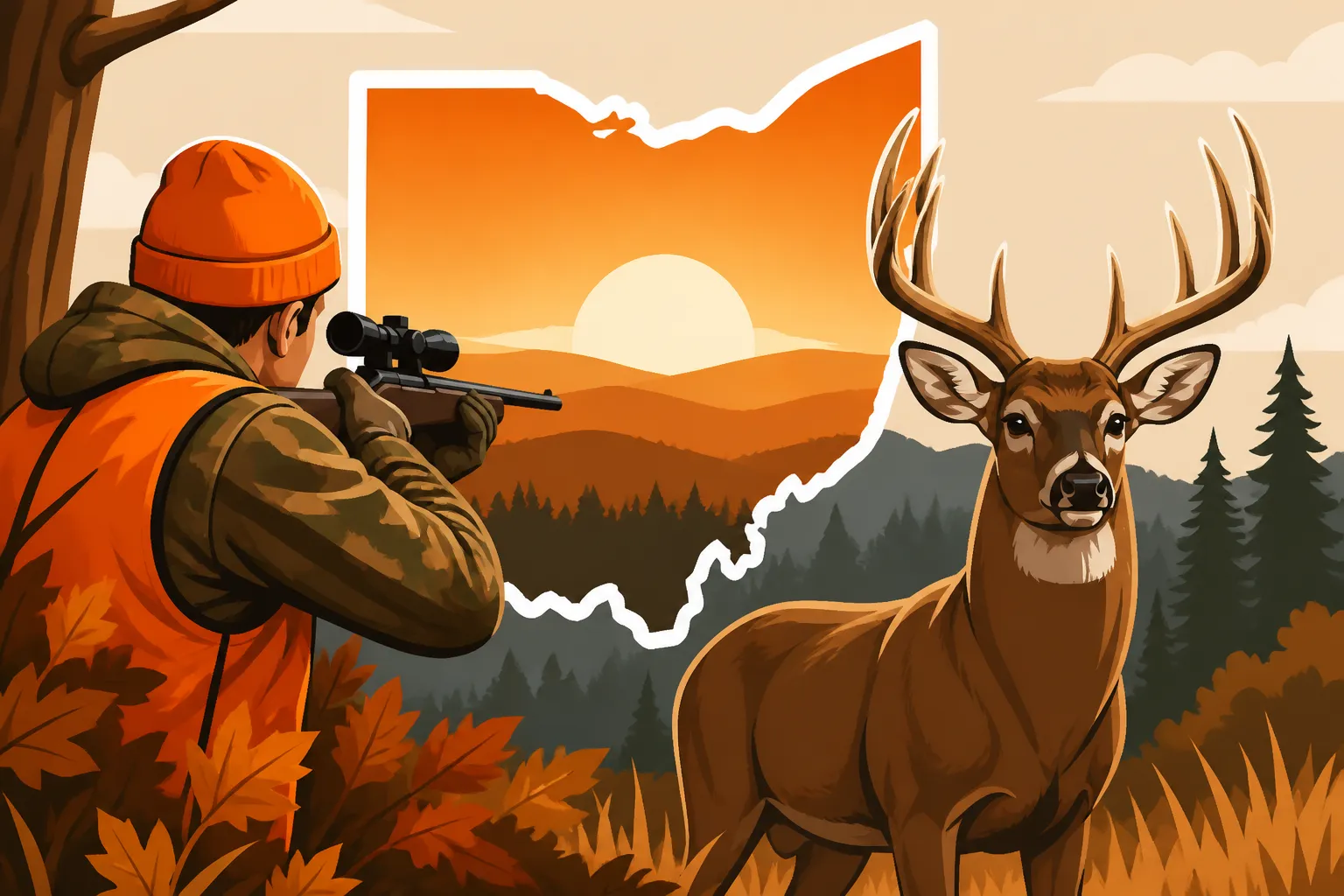
The second deer gun season weekend in Ohio can feel like a whole different ballgame compared to the frenzy of opening weekend. The woods are quieter, the deer are warier, and the weather is often much colder, making it tough to even know where to start. This guide will help you understand the unique challenges and opportunities of this late-season hunt, equipping you with the strategies and insights you need for success when many others have already hung up their firearms.
Understanding the Second Gun Weekend in Ohio
That second gun weekend, typically falling in December, often gets overshadowed by the sheer excitement and buzz of the first week of firearm season. But don't let its quieter nature fool you; it can be an incredibly productive time for hunters who are willing to adapt and brave the elements. Many hunters have filled their tags, or simply given up, by this point, which can actually work to your advantage if you know how to approach it.
Dates and General Structure
The Ohio deer gun season structure typically includes a primary week-long segment, usually the week of Thanksgiving, followed by a separate, shorter two-day weekend. This second weekend generally lands in mid-December, a period often marked by colder temperatures and, sometimes, snow. While the first weekend sees a massive influx of hunters, turning many public land areas into bustling, orange-clad forests, the second weekend is noticeably calmer. It’s still part of the broader Ohio Deer Season Structure Explained but presents a distinct hunting scenario. You’ll find fewer vehicles at trailheads and less competition in prime areas, which can be a huge psychological and practical benefit for those seeking a more solitary hunt.
The exact dates shift annually, so it's always critical to consult the official Ohio Department of Natural Resources (ODNR) hunting regulations well in advance. Planning your vacation days or carving out time with family depends entirely on knowing those specific dates. This often means coordinating with work or other commitments, but for many, it's worth the effort for a chance at a late-season whitetail. Keep an eye on the ODNR's website or reliable hunting apps for the most current information.
Why This Weekend is Unique
What truly sets the second gun weekend apart is the drastically altered environment and deer behavior. The initial gun season, with its intense pressure, has pushed deer into thicker cover and made them incredibly wary. The bucks, if they're still carrying antlers, are also recovering from the rigors of the rut, which typically peaks in early November, leading to a period often called the Hunting the Late-Season Rut Lull. They’re focused on conserving energy and finding reliable food and sanctuary, not chasing does.
Weather plays an enormous role, too. December in Ohio can bring anything from crisp, sunny days to bitter cold, freezing rain, or heavy snow. These conditions directly influence deer movement and can either make or break a hunt. A sudden cold snap after a period of mild weather can kick deer activity into high gear as they desperately seek calories. Conversely, an intense blizzard might keep them bedded down, making for a tough hunt unless you’re willing to push into their bedding areas. Understanding these weather-driven patterns is paramount to success during this unique window.
Key Regulations and Legalities
Even though it’s a later season, all the standard Ohio hunting regulations remain firmly in place. This includes the crucial Ohio Blaze Orange Requirements. You'll need to wear hunter orange on your head, chest, and back, visible from all directions, even if you’re using a ground blind. This isn't just a legal requirement; it's a critical safety measure, especially when other hunters might still be out in the woods, even if in smaller numbers. Always prioritize safety first.
For firearms, the rules are consistent with the main gun season. Ohio permits shotguns, muzzleloaders, handguns, and straight-wall cartridge rifles for deer hunting. You can find detailed specifics on Ohio Legal Firearms for Deer Hunting. Ensure your chosen firearm is sighted in and capable of accurate shots at your typical hunting distances. After a successful harvest, remember that checking your deer is mandatory. You can register your deer quickly through the Ohio Game Check system, either online or via phone. Missing the Ohio Deer Checking Deadline can result in penalties, so make sure you understand the process for Checking an Ohio Deer Online immediately after recovery.
Strategies for Success on the Second Gun Weekend
Hunting the second gun weekend demands a shift in tactics from the early season. Deer have been pressured, food sources have changed, and the landscape might be transformed by colder weather. What worked in November likely won’t be as effective now.
Adapting to Increased Deer Wariness
By mid-December, any deer that survived the archery season, the first gun season, and the peak of the rut are incredibly educated. They’ve heard gunshots, smelled human scent, and witnessed a lot of commotion. They're masters of evasion, often becoming largely nocturnal or moving only during brief periods of low light, sticking to the thickest cover available. Your traditional stand locations on open field edges might be unproductive. Instead, focus on areas with dense cover: thickets, cedar swamps, clear-cuts, or areas with heavy briar patches. These are the places deer feel safe and where they will spend the majority of their time bedded.
Successful hunters on this weekend often adopt a more deliberate, slow-moving approach. Still-hunting, where you move incredibly slowly, pausing often to scan and listen, can be highly effective. Think like a predator, moving only a few steps at a time, scrutinizing every shadow and tangle. You’re looking for a bedded deer, or one slowly slipping through cover. This also means minimizing your own scent. Layering up in scent-control clothing and paying attention to wind direction are more critical than ever. Consider using a ground blind that offers excellent concealment and helps contain your scent cone, especially when employing a Cold-Weather Sitting Strategy in Ohio.
Focusing on Late-Season Food Sources
With most crops harvested and natural mast either eaten or spoiled, late-season food sources become bottlenecks that deer must visit. Their primary goal is survival through the cold, so calorie-rich foods are paramount. Standing corn or soybean fields are absolute magnets. Even if they're partially harvested, the remaining kernels or beans offer crucial energy. If you have access to such fields, focus on the edges closest to heavy cover. Deer will often stage in thick timber just inside the woods before cautiously entering the field after dark.
Other reliable late-season food sources include persistent mast like white oaks, if any acorns remain, and browse. Deer will heavily browse on woody stems, particularly honeysuckle, greenbrier, and young saplings. Scout for these areas, looking for heavily chewed branches. Often, south-facing slopes, which receive more sunlight and melt snow faster, can hold more accessible browse. Don't overlook food plots if you're on private land, especially those planted with brassicas or winter rye, which become more palatable after a few hard frosts.
Using Cover and Topography to Your Advantage
Deer on the second gun weekend are seeking security above almost everything else. They will use every bit of available cover and terrain feature to avoid detection. Focus your efforts on ridge-top saddles, thick creek bottoms, and dense transition areas between different types of cover. These are natural travel corridors for wary deer. If you're hunting Appalachian terrain, deep ravines and secluded hollows offer excellent bedding and escape routes. Understanding Wind and Thermals on an Appalachian Ridge is crucial here, as thermals will typically drop into valleys in the morning and rise up the slopes in the afternoon, dictating deer movement.
When scouting, look for fresh tracks leading into the thickest, nastiest cover you can find. These are often the sanctuary areas where deer ride out hunting pressure. Don't be afraid to go deeper into these areas than you might during early season. Bucks that survive the initial gun season often move into these overlooked pockets. Using aerial maps or tools like the GoHunt app can help identify these hidden gems before you even set foot in the woods. Pay attention to fence lines, creek beds, and old logging roads that offer concealed travel routes.
Public vs. Private Land Tactics
The approach you take during the second gun weekend will vary considerably depending on whether you’re hunting public or private land. Both offer opportunities, but they require different mindsets and strategies.
Hunting Pressured Public Land
Public lands that saw heavy pressure during the first gun season will likely be quieter now, but the deer inhabiting them are incredibly smart. They’ve learned to avoid open areas and human activity. To find success on public ground, you need to think differently. First, consider how far most hunters are willing to walk. The farther you get from a parking area or main trail, the less pressure deer have likely experienced. Look for neglected corners, small un-obvious parcels, or areas with tough access that deter casual hunters. The Scouting Ohio Public Land Before Season knowledge you gained early on becomes invaluable here.
Secondly, focus on bedding areas. In these late stages, deer spend a significant amount of time bedded to conserve energy. On public land, these beds will almost certainly be in the thickest, nastiest cover available, often on secluded benches or in dense swamps. A well-executed deer drive, especially with just a few hunters, can be effective if you understand how to push deer naturally toward standers, moving them from thick bedding cover to other thick cover. Remember that on public land, wearing blaze orange is paramount for safety, even if you’re using a ground blind. If you're going to use a blind, consider Brushing In a Blind on a Field Edge well in advance, if regulations allow.
Maximizing Opportunities on Private Land
If you have access to private land, the second gun weekend can be golden. Deer on private ground, especially if it hasn't seen intense pressure, might be less wary than their public land counterparts. You might have the advantage of knowing the property intimately, including specific bedding areas, pinch points, and food sources. This is where your knowledge of how deer move across that specific landscape becomes your biggest asset.
Focus on those late-season food sources discussed earlier. If your private land has standing corn, soybeans, or planted food plots, these will be prime locations. Consider setting up a ground blind or elevated stand overlooking these areas, or along the trails leading into them from bedding cover. Often, a small, overlooked woodlot that backs up to a larger agricultural field can act as a crucial bedding and staging area for mature deer. Using advanced mapping features within a service like GoHunt can help you pinpoint these subtle features and plan your approach with precision. Remember, deer might still be mostly moving at dawn and dusk, so be in your stand well before first light and stay until legal shooting hours end.
Navigating Access and Permission
For many Ohio hunters, finding new private land to hunt is a constant challenge. The second gun weekend can actually offer a unique opportunity to gain access. With deer numbers needing to be managed and farmers eager to have crops protected, some landowners might be more open to granting permission to ethical hunters who are still looking to fill tags.
Always approach landowners respectfully, well in advance, and with a clear understanding of what you're asking for. Offer to help with chores or share venison. Sometimes, a successful late-season hunt can open the door for future access. For those looking for new spots, even small tracts of timber near suburban areas can hold deer that have learned to live with human activity. Be prepared to be polite, persistent, and always leave the property better than you found it.
Essential Gear and Preparation
Hunting in December in Ohio means dealing with potentially harsh conditions. Your gear and preparation can make all the difference between a miserable day in the woods and a comfortable, successful hunt.
Cold Weather Clothing and Comfort
Layering is not just a suggestion for late-season hunting; it's an absolute necessity. Start with a moisture-wicking base layer to draw sweat away from your body, preventing that bone-chilling cold that sets in when you stop moving. Add insulating mid-layers, such as fleece or down, to trap warmth. Your outer layer should be windproof and waterproof to protect against the elements, which in December can mean anything from biting wind to sleet or freezing rain. Brands like Sitka or First Lite offer excellent layering systems designed for cold weather hunting, but even quality wool and synthetic layers from your local sporting goods store will do the trick.
Don't forget your extremities. A warm hat that covers your ears, insulated gloves or mittens (maybe with a hand warmer muff), and heavy, insulated boots are non-negotiable. Your feet will be the first to get cold sitting motionless in a stand. Consider adding chemical hand and foot warmers to your pack; they are game-changers for extending your time comfortably in the field. When planning for a long sit, especially during the second gun weekend, having a Cold-Weather Sitting Strategy in Ohio means dressing for temperatures 10-15 degrees colder than what the forecast says, accounting for wind chill and inactivity.
Optics and Other Field Essentials
By this point in the season, deer are incredibly cagey, and often only expose themselves for brief moments in low light or at longer distances. Quality optics are paramount. A good pair of 8×42 or 10×42 binoculars will help you pick apart dense cover and identify deer at range. A rangefinder is also essential, especially if you're using a straight-wall rifle, to ensure you know your exact distance for an ethical shot. Low light performance in your rifle scope is also critical, as deer often move right at dawn and dusk. Many experienced hunters find that a good quality 3-9×40 or 4-12×40 scope from brands like Leupold or Vortex offers the perfect balance of magnification and light transmission for Ohio's timbered terrain.
Beyond optics, a reliable headlamp is crucial for navigating in and out of the woods in the dark. Carry a sharp knife, game bags (even in cold weather), and at least a basic first-aid kit. A drag rope or deer sled can be invaluable if you're lucky enough to harvest a deer, especially when facing the challenge of Dragging a Deer Off a Steep Ridge or across frozen fields. A reliable hunting app, such as the HuntFish Ohio app or GoHunt, is also incredibly helpful for navigating property lines, marking sign, and scouting.
Post-Harvest Considerations
If you're successful, the cold December weather can be both a blessing and a curse. It helps preserve the meat, but it also makes field dressing and transport more challenging. Have a plan for field dressing your deer promptly to begin the cooling process. Wear gloves to keep your hands clean and warm. If temperatures are well below freezing, you might have a bit more time, but if it's hovering around freezing, quick action is still best.
Consider how you’ll get your deer out of the woods. A deer cart or sled can save your back, especially if you’re hunting solo or far from vehicle access. Once home, ensure you register your deer quickly, adhering to Ohio Deer Checking and Reporting Rules. Then, hang your deer in a cool, safe place if you plan to age it, or get it to a processor quickly. The venison from a late-season deer is often of excellent quality, having spent the fall feeding and building up fat reserves.
Maximizing Your Chances: Tips for a Successful Second Gun Weekend
This late-season hunt is truly about persistence and adapting to what the deer are telling you. Many hunters have given up by now, but those who stick with it often find reward.
| Aspect of Hunt | First Gun Weekend (Early November) | Second Gun Weekend (Mid-December) |
|---|---|---|
| Deer Pressure | Very High (Frenzy) | Significantly Lower (Quieter) |
| Deer Behavior | Active rutting, less wary, responding to calls | Highly wary, nocturnal, focused on survival |
| Primary Focus | Rut activity, pinch points, funnels | Bedding areas, late-season food, thick cover |
| Weather | Variable, generally milder | Colder, potential for snow/ice |
| Key Tactics | Aggressive hunting, rattling, grunting | Still-hunting, slow methodical movements, drives |
| Food Sources | Acorns, early browse, agricultural fields | Standing crops, persistent mast, browse, food plots |
| Optimal Time to Hunt | All day, especially midday | Dawn and Dusk, with midday still-hunting |
Patience and Persistence Pay Off
Unlike the frantic pace of the first gun season, the second weekend often rewards patience. Deer are not moving as freely or as frequently. Long sits in a strategic location, especially near heavy cover or a prime food source, are often more effective than constantly moving. Be prepared to commit to your stand for extended periods, from before dawn until well after legal shooting light. That buck that's been holed up all day might only make an appearance in the last 15 minutes of daylight.
It's also a great time to implement small, targeted deer drives. If you have just two or three trusted hunting partners, a quiet push through a dense thicket can sometimes bump deer towards a waiting stander. This requires careful planning and communication to ensure safety, but it can be a highly effective way to dislodge a bedded deer that wouldn't otherwise move.
Embracing the Solitude
One of the often-overlooked benefits of the second gun weekend is the relative solitude. While the main gun season opener feels like a community event, this later weekend allows for a more contemplative hunting experience. The woods are quieter, the air is crisp, and you often feel a deeper connection to the natural world. For many, this is precisely what they seek in hunting.
So, if you didn't fill your tag earlier in the season, or if you simply cherish the challenge of a late-season hunt, don't overlook the second gun weekend. With the right preparation, tactics, and a good dose of persistence, it can offer some of the most rewarding deer hunting opportunities Ohio has to offer. Bundle up, stay sharp, and enjoy the peace and quiet of Ohio's December woods.
Disclaimer
Please remember that hunting regulations and seasons can change. Always consult the current Ohio Department of Natural Resources (ODNR) hunting regulations before heading afield. This guide is for informational purposes only and does not supersede official state regulations. Hunt safely and ethically.