Ohio Regular Gun Season First Weekend
That first weekend of Ohio's regular gun season is a whirlwind, isn't it? For many, it's the culmination of months of scouting and anticipation, but for others, it's a baptism by fire into some of the most intense hunting pressure of the entire year. It can feel overwhelming, trying to navigate the crowds, understand the specific regulations, and still put yourself in a position for success. This guide is here to break down everything you need to know about that crucial opening weekend, from the rules of engagement to the best strategies for tagging a deer amidst the frenzy.
Understanding the Ohio Regular Gun Season's First Weekend
There's nothing quite like the energy of opening morning during Ohio's regular gun season. It's a tradition steeped in excitement, family gatherings, and the distinct crack of distant shots echoing through the crisp November air. But to truly maximize your chances, it helps to understand the foundational elements of this specific hunting period.
The Dates and Their Significance
Ohio's regular gun season traditionally kicks off on the Monday after Thanksgiving, running for one solid week, followed by an additional two-day weekend in December. The first weekend we're talking about is really the first full week of the season, specifically the opening Monday through Sunday, and for many, that opening Monday is practically a holiday itself. The dates typically fall in late November or very early December, making it a pivotal time in the Ohio deer hunting calendar. This timing is incredibly significant for a few key reasons.
First, it usually lands right after the peak of the whitetail rut in Ohio. While the frenetic, chasing phase might be winding down, bucks are often still highly active, cruising for any last receptive does. They’re also starting to transition back into more defined feeding patterns after expending so much energy during breeding. This can mean predictable movement if you've done your homework. Second, this is by far the busiest hunting period in the state, drawing tens of thousands of hunters into Ohio's woods and fields. This creates a unique dynamic where hunter pressure itself becomes a major factor in deer movement, often pushing deer into thicker, less accessible cover.
The short duration of this initial gun season window – typically just seven days – creates an immediate sense of urgency. Hunters know they have a limited time to capitalize, leading to a concentrated effort. This means that if you're planning to hunt during this first weekend, you need to be prepared for both the biological rhythms of the deer and the sociological impact of so many hunters in the field. Understanding the rhythm of the season, how deer react to pressure, and the specific regulations that apply during this time are absolutely critical for a successful hunt.
Why This Weekend Matters Most to Ohio Hunters
For many Ohioans, this opening stretch of gun season isn't just a hunt; it's the hunt. It's the time many families clear their calendars, often scheduling work or school around the all-important "gun season week." The appeal is multifaceted and deeply ingrained in Ohio's hunting culture. One of the primary draws is the timing: coming right on the heels of the rut, deer activity is still often quite high. Bucks might not be as blindly chasing does as they were a week or two prior, but they are still on the move, recovering from the rut, and looking for food sources to replenish. This makes them more vulnerable to being seen and intercepted by hunters.
Beyond the deer activity, it's a chance for hunters who primarily use firearms to get into the woods. While Ohio offers a long archery season, many hunters prefer the gun season for various reasons – tradition, camaraderie, or simply the familiarity of their trusted rifle or shotgun. The sight of blaze orange dotting the landscape, the smell of gunpowder in the air, and the shared stories around a campfire are all hallmarks of this special time. It brings communities together, whether it’s a group of friends doing a deer drive on private land or individuals hoping to tag a deer on public ground. It’s a period of intense focus, where every rustle in the leaves or distant shot quickens the pulse.
The sheer number of participants means a greater chance of success overall, even if individual efforts are challenging. All that hunter movement tends to stir deer up, pushing them from thick bedding areas they might otherwise rarely leave. For many, harvesting a deer during this time is not just about filling the freezer, but about upholding a cherished annual tradition, a rite of passage, and a connection to the wild places of Ohio. It’s an integral part of what it means to be a deer hunter in the Buckeye State, and preparing for it properly can make all the difference in whether it's a memorable success or a frustrating ordeal.
Essential Regulations and Gear for Opening Weekend
Navigating Ohio's deer season requires more than just knowing where to hunt; it demands a solid understanding of the rules and the right gear. The first weekend of gun season, with its concentrated hunter numbers and specific weapon requirements, particularly emphasizes the need for preparedness and adherence to regulations.
Legal Firearms and Ammunition
Ohio has specific rules about what firearms you can use for deer hunting, especially during the gun season. This isn't like some western states where high-powered centerfire rifles are the norm. Here in Ohio, for many years, it was strictly shotguns. While those days are largely gone, replaced by more options, it's critical to know what's legal. For deer gun season, hunters are allowed to use shotguns with slugs, muzzleloaders, and most notably, straight-wall cartridge rifles. These straight-wall cartridges have become incredibly popular, with calibers like the .350 Legend, .450 Bushmaster, and .44 Magnum leading the pack. The idea behind these regulations, historically, was to limit the range of projectiles in a relatively populated state, increasing safety.
When choosing your firearm, consider the typical shot distances you'll encounter. On vast public tracts like Wayne National Forest, or the rolling hills of Shawnee State Forest, you might have longer shots than in the smaller woodlots of Ohio's farmland regions. A straight-wall rifle offers a significant accuracy and range advantage over traditional shotgun slugs, especially if you're sighted in properly at 100 or even 150 yards. Be sure to check your ammunition, as only certain types are permitted. For instance, expanding bullets are generally required for deer, ensuring a humane harvest. Always verify the specific legal firearms and ammunition for the current season, as rules can occasionally be tweaked. For a deep dive into the specifics, check out our guide on Ohio Legal Firearms for Deer Hunting.
Don't forget handguns! If you prefer hunting with a handgun, certain calibers are also legal, typically those firing straight-wall cartridges similar to the rifles, like a .44 Magnum or .50 AE. Whatever you choose, practice is paramount. Get to the range, zero your chosen firearm, and understand its effective range. Knowing your equipment inside and out will not only boost your confidence but also ensure ethical, clean shots when the moment arrives. The last thing you want on opening weekend is to be fumbling with an unfamiliar gun or questioning your shot placement.
Blaze Orange Requirements and Safety Protocols
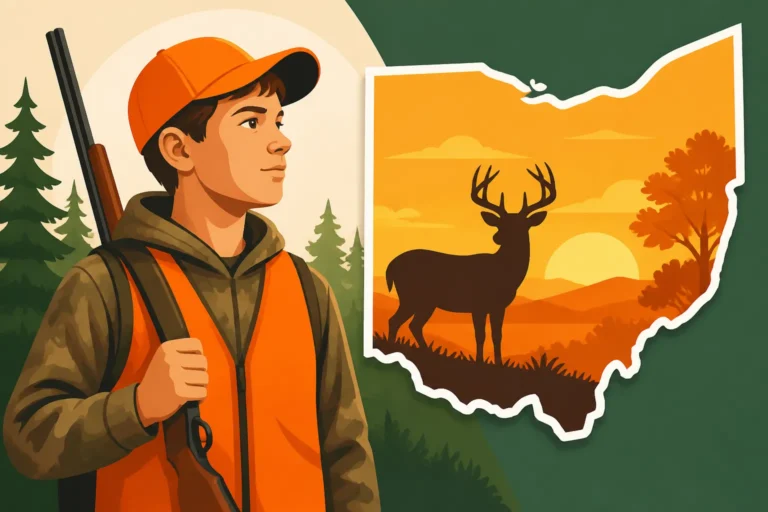
When that first weekend of gun season rolls around, the woods transform into a vibrant canvas of blaze orange and pink, and for good reason. Ohio has strict regulations regarding hunter orange (or blaze pink) for gun deer hunting, and adhering to them is non-negotiable for your safety and the safety of others. During the statewide gun seasons, including that intense first weekend, all hunters (except waterfowl hunters) must conspicuously wear a vest, coat, jacket, or coveralls that are 100% blaze orange or blaze pink. This material must be visible from all sides. While there's no specific square footage mentioned, the intent is clear: make yourself as visible as possible to other hunters. For a complete rundown on the specifics, including exceptions and minimum visibility, you'll want to review Ohio Blaze Orange Requirements.
Beyond the legal mandate, adopting a mindset of extreme caution is paramount. With so many hunters sharing the woods, it’s critical to always identify your target and what lies beyond it before taking any shot. Never shoot at sound or movement. Assume every movement, every rustle, could be another hunter. If you’re hunting with a group, establish safe zones of fire and communicate constantly, especially if you’re planning a small-scale deer drive. Whistles or two-way radios can be invaluable tools for maintaining contact and ensuring everyone knows where others are located.
Carrying a first-aid kit, knowing your location, and having a fully charged phone are also crucial safety measures. The excitement of opening day can sometimes lead to lapses in judgment, but by being meticulous about your blaze orange, practicing responsible firearm handling, and communicating effectively with any hunting partners, you can significantly reduce the risks. Your primary goal, beyond harvesting a deer, should always be to return home safely at the end of the day.
Tagging, Checking, and Reporting Your Harvest
Congratulations, you've successfully harvested a deer during Ohio's busy opening weekend! Now comes the next critical step: proper tagging and reporting. It's not just a formality; it's a legal requirement that helps the Ohio Department of Natural Resources (ODNR) manage the state's deer herd effectively. The moment you harvest a deer, the first thing you must do is complete a deer tag and attach it to the deer. This tag comes with your deer permit. You'll need to fill out information like the date, time, and county of harvest. The tag must remain attached to the deer until it is processed at home or by a commercial processor.
After tagging, the next step is to check in your deer. Ohio utilizes an online or phone-in system for this, often through the Wild Ohio mobile app or the ODNR website. You have a deadline to check your deer in – typically by noon the day after the harvest. This system generates a confirmation number, which you must write on your tag. This number confirms your legal possession of the animal. It's a fairly straightforward process, but in the excitement and sometimes remote locations of a successful hunt, it can be easy to overlook. Always double-check your information before submitting. Our comprehensive guide on Ohio Deer Checking and Reporting Rules offers more in-depth details to ensure you're fully compliant.
It’s also crucial to be aware of Ohio's Chronic Wasting Disease (CWD) Surveillance Area (DSA). If you hunt in one of the counties within the DSA, there may be specific mandatory testing requirements during the opening weekend. This usually involves taking your deer to a designated sampling station or kiosk. Always confirm if your hunting location falls within the DSA and understand those additional protocols before you head into the field. Ignoring these steps can lead to penalties and compromise crucial wildlife management efforts. Proper tagging and reporting are essential components of responsible hunting in Ohio.
Strategies for Navigating the First Weekend Hunt
The opening weekend of Ohio's gun season is truly a test of strategy, patience, and adaptability. With significant hunter pressure and deer movement often dictated by that pressure, you need a plan that goes beyond simply walking into the woods.
Scouting and Understanding Pressure Points
Success during Ohio's gun season, especially that intense opening weekend, starts long before you ever step foot in the woods with your rifle. Pre-season scouting is absolutely paramount. Don't fall into the trap of thinking gun season is just a free-for-all where deer get pushed around; smart hunters use the off-season to identify key areas. Look for natural funnels, like saddles between ridges, creek bottoms that lead to thicker cover, or pinch points where two woodlots come close together. These are places deer will naturally travel through, and they become even more critical when deer are being pushed by hunting pressure.
Utilizing modern mapping tools like the GoHunt app or other similar platforms is a game-changer. You can pore over topographical maps and aerial photos from your couch, identifying potential bedding areas – typically the thickest, nastiest cover around – and escape routes deer might use when the shooting starts. Pay close attention to subtle terrain features: a small bench on a steep hillside, a faint trail along a property line, or a stand of evergreens offering thermal cover. These details, easily overlooked on the ground, pop out on a detailed map. For more tips on getting started with pre-season scouting, check out Scouting Ohio Public Land Before Season.
The key to applying this scouting knowledge on opening weekend is to anticipate other hunters. Think about where most people will likely enter the woods and where they will hunt. Deer know this too, and they will gravitate toward areas of least resistance and heaviest cover. If you can identify those overlooked pockets, or set up along an escape route where deer will flee from heavy pressure, you’ll be in a much better position. This requires understanding typical hunter behavior in your chosen area, whether it's a popular public tract or a smaller private woodlot. It's about playing chess, not checkers, with both the deer and your fellow hunters.
Effective Hunting Tactics for High-Pressure Situations
When the woods are buzzing with activity on opening weekend, your typical deer hunting strategies might need an adjustment. Forget about sitting quietly in a well-known food plot or expecting a leisurely stroll through the timber. Deer are on high alert, constantly moving, and often seeking refuge in the nastiest, most overlooked cover. One highly effective tactic is still-hunting slowly through dense thickets. Instead of setting up and waiting, you become the slow, deliberate hunter, easing through areas that others avoid. Focus on old clear-cuts, briar patches, or areas of thick regrowth where deer feel safe. Move just a few steps, then stop for several minutes, scanning every shadow and listening intently. Deer often let hunters walk past them, so being methodical is key.
Another strategy, particularly effective on private land with a few trusted partners, is a small, organized deer drive. This isn't about pushing deer wildly across a huge acreage, but rather using a couple of drivers to slowly and strategically walk a small woodlot or thicket towards "blockers" positioned on escape routes or known travel corridors. The goal isn't to blast deer as they run, but to gently nudge them past standers who have good, safe shooting lanes. Communication is vital for this to be safe and effective. If you're considering this, our guide on Opening Weekend Tactics for Ohio Gun Season provides more insights. For small, private tracts, this can be incredibly productive, as deer have limited options. Learn more about effective hunting on Hunting Small Private Tracts in Ohio.
For solo hunters or those on public land, sitting stand locations near thick cover or known escape routes is often your best bet. Position yourself where deer will likely be pushed to, rather than where they might already be. Creek bottoms, logging roads, or property lines bordering housing developments can act as natural funnels for deer trying to evade pressure. Also, don't underestimate the midday lull. Many hunters head back to camp for lunch, but deer, having been pressured all morning, might start to move more cautiously during these quieter hours. Staying in your stand, even for just an hour longer during midday, can often pay off.
Overcoming Crowds on Public Land
Hunting Ohio's public lands during the opening weekend of gun season can feel like a contact sport, with hunters seemingly around every corner. It's a common frustration, and many simply give up, but with the right mindset and strategy, you can absolutely find success. The key is to think differently than the average hunter. Most people will stick to easy access points, close to roads and parking lots. Your first strategy, therefore, should be to walk further, much further. Get beyond where the casual hunter is willing to go. Areas that require a significant hike, especially through rugged terrain, are often overlooked pockets where deer will seek refuge.
Using mapping applications like GoHunt or the ODNR's HuntFish Ohio app can help you identify these harder-to-reach spots. Look for steep ravines, dense swamps, or thick brush that looks unappealing to navigate. These are the places deer will retreat to when pressure mounts. Analyze topographical maps for subtle ridges and benches far from trails. When scouting, you’re not just looking for deer sign; you're looking for areas that don't show much human sign. Our in-depth guide to Hunting Pressure on Ohio Public Land offers fantastic tips on how to effectively navigate these situations and find ground that others walk past.
Another approach is to hunt during less conventional hours. While legal hunting hours in Ohio generally run from 30 minutes before sunrise to 30 minutes after sunset, the heaviest pressure often occurs right at dawn and dusk. Consider focusing your efforts during the middle of the day, especially if you're on public land. Many hunters will leave their stands for lunch or a break, creating temporary lulls in pressure. Deer, after being pushed all morning, might cautiously move during these quieter periods. Be patient, stay put, and observe. You might be surprised at what emerges from the thick stuff when others have retreated. Always be mindful of Ohio Public Land Hunting Hours to ensure you're in compliance.
Post-Harvest Care and Continuing the Season
Bringing a deer down on opening weekend is a fantastic achievement, but the work isn't over. Proper post-harvest care is crucial for ensuring your venison is of the highest quality, and understanding that the season extends well beyond that initial burst of gun season can open up even more opportunities.
Field Dressing and Game Care in November Weather
Once you’ve tagged your deer, the clock starts ticking on proper game care. Field dressing is the immediate priority, and doing it quickly and cleanly will greatly impact the quality of your venison. In late November and early December, Ohio weather can be highly unpredictable. You might have mild, above-freezing temperatures one day and a bitter cold snap with snow the next. If temperatures are mild, prompt field dressing is even more critical to cool the carcass down as quickly as possible. Remove the entrails, and if possible, use a clean cloth or paper towels to wipe out the body cavity. This helps prevent bacteria growth and spoilage.
If you're hunting in particularly cold weather, while cooling is less of an immediate concern, ensuring the body cavity is clean and free of debris is still important. Avoid dragging the deer through mud or water if you can. Once field dressed, getting the deer out of the woods and to a cooler place is the next step. If you have a long drag ahead, consider using a deer sled or a deer cart, especially if you’re on public land with established trails. Our guide on Field Dressing a Deer in Cold Weather provides a thorough walkthrough on techniques and tips for various situations, ensuring your hard-earned venison is handled with care.
Upon reaching your vehicle or processing area, hang the deer in a cool, dry place if temperatures allow for aging, or get it to a processor or into coolers with ice if it's still warm. Proper care at this stage is a testament to ethical hunting and respect for the animal. Neglecting game care can quickly ruin an otherwise successful hunt, turning delicious venison into something you'd rather not eat.
Looking Beyond the First Weekend
While the first weekend of Ohio's regular gun season is a major event, it's far from the end of the deer hunting opportunities in the state. For many, it's just the beginning. The regular gun season actually continues with a two-day weekend, typically in mid-December. This second gun weekend often sees less pressure than the opener but can still be highly productive, especially as deer settle back into patterns after the initial disturbance. It's a great chance to capitalize on deer that have been pressured but are now looking for food and refuge. You can explore tactics for this later period in our article on Hunting the Second Gun Weekend in December.
Beyond gun season, Ohio also offers a dedicated muzzleloader season, usually in early January. This provides another opportunity to hunt with primitive firearms when the woods are quieter and conditions are often colder, pushing deer to late-season food sources. And, of course, the archery season runs from late September all the way into February, offering a long, diverse range of hunting scenarios. Many bowhunters pick up their archery gear again after the gun seasons conclude, taking advantage of cold-weather food sources and vastly reduced pressure. To understand the full scope of opportunities, our comprehensive guide on Ohio Deer Season Structure Explained is an invaluable resource.
Don't let the intensity of opening weekend burn you out. The Ohio deer season is long and offers diverse challenges and rewards. Whether you prefer the thrill of gun hunting, the quiet challenge of archery, or the traditional feel of a muzzleloader, there are always more days to pursue Ohio's whitetails. Each segment of the season offers unique conditions and requires different strategies, making Ohio a truly rewarding state for deer hunters who embrace the full calendar.
Disclaimer
Hunting is an inherently dangerous activity. This guide is for informational purposes only and does not substitute for official regulations, hunter education, or professional advice. Always refer to the latest Ohio Department of Natural Resources (ODNR) hunting regulations, secure proper licenses, and prioritize safety in the field. Adhere to all local, state, and federal laws.