Ohio Trapping and Furbearer Seasons
Navigating the nuanced world of trapping and furbearer seasons in Ohio can feel like deciphering a secret code, especially with regulations often shifting or species populations requiring careful management. It’s a pursuit steeped in tradition but governed by modern science, and understanding the specific dates, legal methods, and ethical considerations is paramount. This guide is here to untangle those complexities, offering a deep dive into everything you need to know about trapping and hunting Ohio's furbearers responsibly and effectively.
Understanding Ohio's Furbearer Landscape and Regulations
Ohio's diverse landscapes, from the farmlands of the northwest to the Appalachian foothills in the southeast, support a healthy population of furbearers. These animals play a vital role in our ecosystems, and managing their numbers through regulated trapping and hunting is crucial for maintaining ecological balance and preventing nuisance issues. However, the sheer volume of regulations can be daunting for both seasoned trappers and newcomers.
The Importance of Furbearer Management
Furbearers like raccoons, muskrats, foxes, and coyotes are incredibly adaptable creatures, and their populations can boom if left unchecked. While this might sound good for hunting and trapping opportunities, it can lead to various problems. Overpopulation often results in increased disease transmission, like rabies or distemper, which can then spread to domestic animals or even humans. It can also lead to significant agricultural damage, predation on livestock, and urban conflicts. Effective furbearer management helps mitigate these issues, ensuring healthy populations that don't overwhelm their habitat or conflict excessively with human activity. It’s about more than just taking animals; it’s about responsible stewardship of a valuable natural resource.
General Principles of Ohio Trapping Regulations
The Ohio Department of Natural Resources (ODNR) sets forth a comprehensive framework for furbearer trapping, all designed with sustainability and humane practices in mind. Generally, regulations focus on specific season dates, approved trap types, setback distances from dwellings and public spaces, and mandatory checking periods. These rules aren't just arbitrary; they are the result of biological research and public input, aimed at protecting furbearer populations while allowing for recreational and commercial harvesting. For instance, species like the bobcat, once nearly extirpated from the state, remain protected and cannot be legally trapped or hunted in Ohio, reflecting a commitment to their recovery. Adhering to these principles ensures that trapping remains a viable activity for future generations.
Who Needs a Trapping License?
Anyone aged 18 or older who intends to trap furbearers in Ohio is required to possess a valid Ohio trapping license. Youth under 18 can trap without a license but must be accompanied by a licensed adult trapper. This isn't just a formality; it's how the state ensures that those participating in this activity have at least a basic understanding of the rules and contribute to conservation funding through license fees. Beyond the general hunting license, a specific fur taker permit is often required, which you can typically purchase alongside your regular hunting license. It's always a good idea to double-check the current year's requirements on the ODNR website or consult a resource like GoHunt, which often provides summaries of license needs, because these rules can change annually. If you're a non-resident, your "Ohio Trapping License Cost" will differ from a resident's, so be sure to investigate those specific fees as well.
Key Furbearer Species and Their Seasons
Ohio is home to a variety of furbearer species, each with its own specific season dates designed to align with population dynamics, fur prime times, and management goals. Understanding these dates is the first step in planning any trapping or hunting venture.
Raccoon and Fox Season Dates
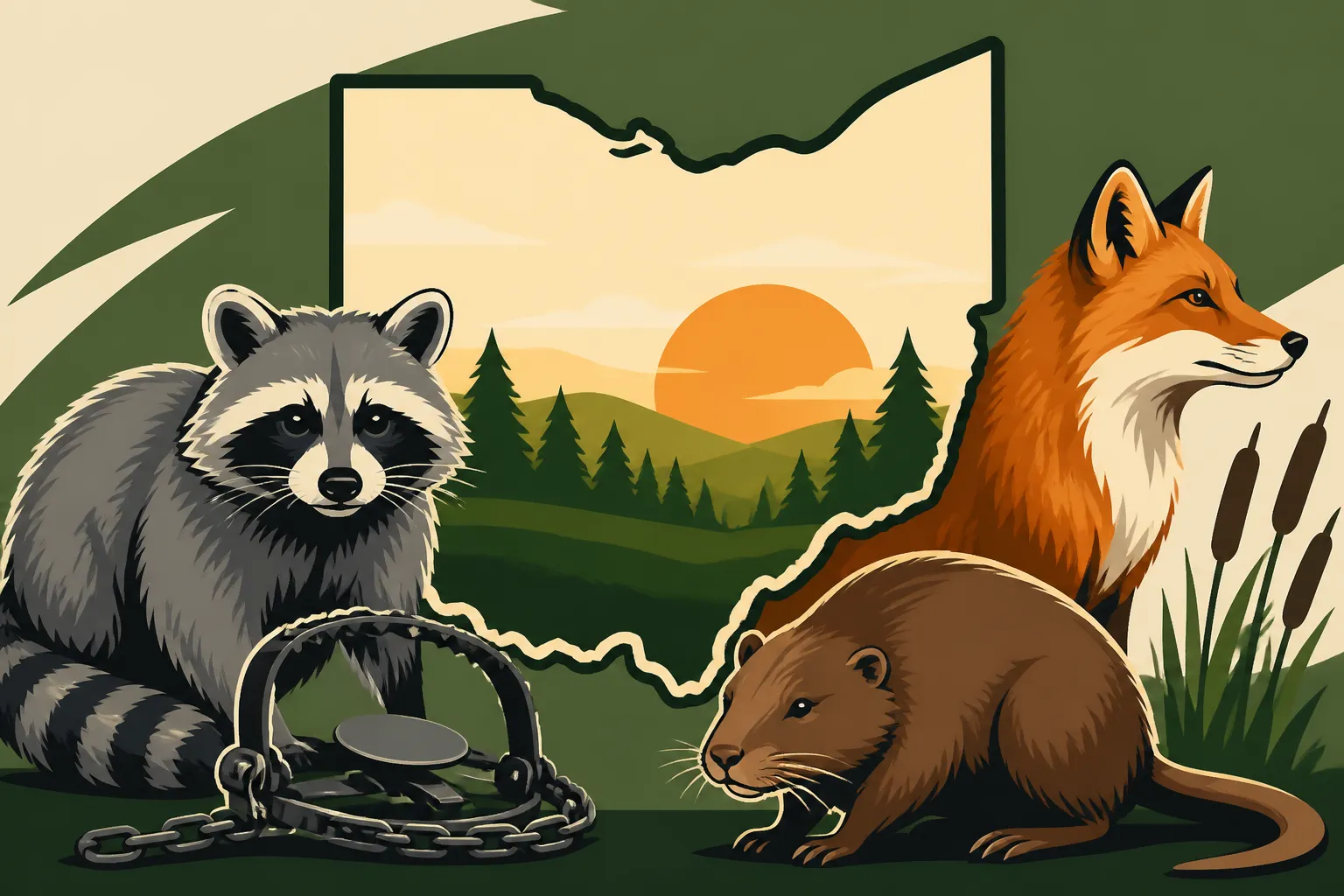
Raccoons and foxes (both red and gray) are among Ohio's most common and sought-after furbearers. Their seasons generally open in early November and extend well into the winter months, often until the end of January or early February. For many, this aligns perfectly with when the fur is prime and most valuable.
The "Ohio Raccoon and Fox Season Dates" are usually quite generous, reflecting healthy populations across the state. Raccoons, in particular, thrive in Ohio's mixed agricultural and forested landscapes, making them accessible to many trappers and hunters. Both species can be hunted or trapped, though trapping is often favored for foxes due to their more elusive nature. Night hunting for raccoons with dogs is a popular tradition in many rural areas, offering a different kind of challenge and camaraderie. Always double-check the exact opening and closing dates for the current season, as they can have minor adjustments year to year.
Mink, Muskrat, and Weasel Seasons
These smaller, often semi-aquatic furbearers typically have seasons that mirror those of raccoons and foxes, starting in November and running through January or February. Muskrats are particularly abundant in Ohio's waterways, from farm ponds to larger rivers and marshes, and their trapping often involves specialized water sets. Mink, known for their valuable fur, are more solitary and often found along the same waterways, preying on muskrats, fish, and small rodents. Weasels, while present, are less commonly targeted by trappers due to their smaller size and more sporadic distribution. The "Ohio Muskrat and Mink Trapping Trends" can fluctuate based on habitat conditions and market prices, so understanding the historical context can offer insights into current population health and trapping opportunities. Trapping these species requires a good understanding of their habits and suitable trap placement near water sources.
Beaver and River Otter Seasons
Beavers and river otters represent some of Ohio's most successful wildlife recovery stories. Beavers, once almost eradicated, are now found in healthy numbers across much of the state, their presence evident by their dams and lodges. Their season typically opens in late December or early January and runs through mid-March, allowing trappers to target them when their fur is at its thickest. "Ohio Beaver Population and Damage" are both significant factors influencing these season lengths, as beavers can cause extensive flooding and timber damage.
River otters, too, have made an incredible comeback, thanks to reintroduction efforts and protected status. While regulated trapping for otters is now permitted, it comes with much stricter regulations and bag limits than other furbearers. The "Ohio River Otter Recovery" is a testament to conservation, and their season is usually shorter and often closes earlier than beaver season, with mandatory reporting of all catches. This careful management ensures their continued growth while providing limited, sustainable harvesting opportunities. Trapping these animals requires specialized knowledge and equipment, often focusing on water sets in their aquatic habitats.
Trapping Methods and Legal Devices in Ohio
The effectiveness and legality of trapping in Ohio hinge significantly on the types of traps used and how they are set. Ohio regulations are designed to ensure humane practices and target specific species while minimizing harm to non-target animals.
Approved Traps and Setups
Ohio law permits the use of various trap types, primarily foothold traps, body-gripping traps (Conibears), and cage traps. Each has its specific legal requirements for jaw spread and placement. For instance, foothold traps used on land for furbearers must often have a maximum jaw spread, and laminated jaws or offset jaws are sometimes recommended or required to reduce injury. Body-gripping traps, like Conibears, are highly effective and are generally restricted in terms of size when used on land, or they must be set in water or within an enclosure to prevent incidental catches of larger non-target animals. Cage traps, which capture animals alive and unharmed, are also widely used, especially when targeting nuisance animals that might need to be relocated or if there's a higher chance of catching a non-target species. It's crucial to understand the specific dimensions and conditions under which each trap type is legal, as improper use can lead to fines and loss of trapping privileges.
Snaring Regulations and Best Practices
Snaring is another legal method for taking furbearers in Ohio, but it comes with its own set of strict rules aimed at preventing non-target catches and ensuring quick, humane dispatch. Generally, snares must be made of cable wire, have a stop to prevent them from closing beyond a certain circumference, and be equipped with a breakaway device so that larger, non-target animals (like deer) can escape. Snares are primarily used for species like coyotes and foxes, often set along trails or natural funnels. They must be checked regularly, just like other traps, to ensure animal welfare. "Trapping Ohio Furbearers" with snares demands a high level of skill and ethical consideration. Best practices include setting snares where the animal is quickly dispatched, such as in situations where entanglement is likely, or using specific snare support systems that position the loop effectively to catch the target species cleanly. Improperly set snares can lead to inhumane situations, which is why adherence to the detailed regulations is non-negotiable.
Water Sets vs. Land Sets Considerations
The choice between water sets and land sets depends heavily on the target species and the terrain. Water sets are predominantly used for semi-aquatic furbearers like muskrats, mink, beavers, and river otters. These sets typically involve placing traps partially or fully submerged in water, along travel routes, or at the entrances to dens or lodges. The advantage of water sets is that they often drown the animal quickly, which is considered a humane method, and they generally reduce the risk of catching non-target land animals.
Land sets, on the other hand, are used for species like raccoons, foxes, and coyotes, which spend most of their time on dry ground. These sets require careful concealment of traps and lures to attract the target animal while avoiding detection. Common land sets include dirt hole sets, cubby sets, and trail sets. When placing land sets, it's particularly important to consider setback distances from public roads, dwellings, and footpaths to ensure public safety and prevent accidental interaction with pets or people. ODNR regulations provide clear guidelines on these distances, which are critical for responsible "Running a Trapline in Rural Ohio."
Night Hunting for Furbearers: Coyotes and Raccoons
Night hunting offers a unique experience for furbearer enthusiasts in Ohio, primarily targeting coyotes and raccoons. It requires specialized equipment and an understanding of specific legal guidelines that differ from daytime hunting.
Ohio Coyote Hunting Season Rules
Coyotes are designated as a nuisance species in Ohio, and as such, their hunting season is open year-round with no daily bag limit. This reflects the ODNR's goal to manage their populations, which have significantly expanded across the state. "Ohio Coyote Hunting Season Rules" permit both daytime and nighttime hunting. At night, hunters are generally allowed to use artificial lights, including spotlights and thermal imaging devices, to locate and target coyotes. However, it's crucial to be aware of local ordinances, as some areas may have restrictions on discharging firearms at night or using artificial lights. When considering "Coyote Calling in Ohio Winter," remember that calling at night can be particularly effective, as coyotes are highly active under the cover of darkness. Many hunters use distress calls or howls to bring coyotes into range. The lack of restrictive seasons for coyotes underscores their status as a management priority, and hunting them can be an exciting challenge for dedicated predators hunters.
Raccoon Hunting at Night in Ohio
"Raccoon Hunting at Night in Ohio" is a deeply ingrained tradition in many rural communities, often involving trained hounds. The raccoon hunting season generally aligns with the trapping season, typically opening in early November and extending through January or February. Unlike deer or turkey hunting, raccoon hunting often takes place exclusively at night. Hunters usually release a pack of hounds that track a raccoon until it climbs a tree. Once the raccoon is treed, hunters locate the dogs using their barks and often use powerful handheld lights to spot the animal in the canopy. There are usually specific regulations regarding the caliber of firearm that can be used and the use of lights to facilitate the hunt. This method provides an exciting, active form of hunting, combining dog work, navigation in the dark, and precision shooting.
Legal Firearms and Lights for Night Hunting
For night hunting coyotes, a variety of firearms are permitted, including rifles chambered in straight-wall cartridges or traditional rifle calibers, depending on the specific location and local rules. Shotguns with appropriate loads are also common. When it comes to lights, Ohio is fairly liberal, allowing hunters to use artificial lights, including headlamps, handheld spotlights, and even advanced thermal or night vision optics, to locate and identify coyotes. This technology significantly enhances visibility in the dark and improves hunter success rates.
For night hunting raccoons, specific firearms, typically small-caliber rimfire rifles like a .22LR or shotguns, are generally used once the animal is treed. The use of powerful lights to illuminate the treed raccoon is also standard practice. However, it's critical to re-read the ODNR regulations each year, as rules regarding specific firearm types, ammunition, and lighting equipment for night hunting can sometimes be updated. Safety is always paramount when hunting after dark, and responsible hunters ensure they have a clear background and are aware of their surroundings before taking a shot.
Specific Regulations and Restrictions for Trappers
Ohio's trapping regulations are comprehensive, extending beyond just seasons and trap types to include details on trap identification, placement, and checking routines. These rules are in place to ensure ethical practices, public safety, and the welfare of trapped animals.
Trap Tagging and Identification Requirements
One of the most fundamental requirements for all trappers in Ohio is that every trap must be tagged with the trapper's name and address, or their unique ODNR customer identification number. This applies to all types of traps, whether they are set on land or in water. The purpose of this regulation is twofold: first, it allows wildlife officers to identify the owner of any trap found in the field, ensuring accountability for proper trap placement and adherence to regulations. Second, it serves as a deterrent against poaching and ensures that traps are being used by licensed individuals. Lost or illegally set traps can be traced back to their owner, making this a critical part of responsible trapping. Failing to properly tag a trap can result in significant fines and penalties, so it's a detail that should never be overlooked.
Setback Distances and Public Safety
Public safety is a paramount concern in Ohio's trapping regulations. To prevent accidental encounters with pets or people, there are strict setback distances that trappers must adhere to. Generally, traps, particularly those designed to capture furbearers, cannot be set within a certain distance of dwellings without the express written permission of the occupant. This distance often varies, but it's typically around 150 to 200 feet. Similar rules apply to public roadways, hiking trails, or other areas where non-target animals or unsuspecting members of the public might come into contact with a trap.
These setback distances are not just suggestions; they are legally mandated requirements. Trappers must scout their locations carefully, paying close attention to property lines, roads, and trails. Using tools like the ODNR's "Ohio HuntFish App" or third-party mapping solutions like GoHunt can help trappers visualize these distances and property boundaries effectively. Understanding and respecting these boundaries is essential for maintaining a positive public image for trapping and preventing conflicts between trappers and other outdoor enthusiasts.
Checking Traps and Humane Practices
Ohio law mandates that all traps must be checked at least once every 24 hours. This regulation is a cornerstone of humane trapping practices. The intent is to minimize the time an animal spends in a trap, reducing stress, injury, and exposure to the elements or predators. Regular checks also ensure that any non-target animals caught can be quickly released unharmed.
For trappers, this means planning their trap lines carefully, ensuring that all traps are accessible within a reasonable daily travel time. It's not just about setting traps; it's about the daily commitment to managing them responsibly. In cold weather, this might mean checking traps even more frequently to prevent frostbite or hypothermia in trapped animals. Proper trap checking also involves assessing the trap's condition, re-baiting if necessary, and making any adjustments needed to ensure its continued effectiveness and legal compliance. These diligent practices underscore the ethical responsibility inherent in trapping.
Protecting Ohio's Recovering Furbearers and Non-Target Species
Ohio has made significant strides in wildlife conservation, particularly with furbearers that were once scarce. Balancing trapping opportunities with the protection of these recovering species, as well as minimizing the impact on non-target animals, is a critical aspect of modern furbearer management.
Ohio River Otter Recovery and Regulations
The story of the river otter in Ohio is a remarkable conservation success. Once extirpated from the state, reintroduction efforts beginning in the late 1980s led to their incredible comeback. Today, otters are found in healthy populations across much of Ohio's waterways. To ensure their continued growth while allowing for a limited, sustainable harvest, the ODNR has implemented very specific regulations. As mentioned, there are often restricted season lengths and strict bag limits, sometimes even a statewide quota that can close the season early if met.
All harvested otters must be reported to the ODNR, usually within a specific timeframe, and often require tagging by a wildlife officer. This allows the state to carefully monitor harvest numbers and assess population health. Trappers targeting other species must be especially vigilant in areas with high otter populations, taking precautions to avoid incidental catches. The management of the "Ohio River Otter Recovery" is a testament to how careful regulation can allow for both thriving wildlife and regulated recreational harvest.
Ohio's Recovering Bobcat Population Status
While the river otter has made a robust comeback, the bobcat's recovery in Ohio is still very much ongoing. Bobcats were also once extirpated from the state, but through natural recolonization from neighboring states and improved habitat, their numbers have been slowly increasing, particularly in the rugged, forested regions of southeastern Ohio. However, despite their presence, bobcats currently remain a fully protected species in Ohio. This means there is no open hunting or trapping season for bobcats, and it is illegal to harvest them.
Any bobcat caught incidentally in a trap must be released immediately and unharmed. If a bobcat is found dead or injured, it should be reported to the ODNR. The status of "Ohio's Recovering Bobcat Population" is carefully monitored by wildlife biologists, and any consideration of a future hunting or trapping season would only occur after extensive research confirms a sustained, robust population capable of withstanding harvest pressure. This cautious approach ensures the long-term success of bobcat recovery in the state.
Avoiding Non-Target Catches and Releasing Safely
A fundamental ethical and legal responsibility for every trapper is to avoid catching non-target animals and to know how to safely release them if an incidental capture occurs. Non-target animals can range from domestic pets to protected species like bobcats, or even game animals like deer. Trappers employ several strategies to minimize non-target catches. This includes selecting appropriate trap sizes and types for the target species, careful placement of traps away from known paths of non-targets, and using species-specific lures and baits.
For example, using body-gripping traps in water sets significantly reduces the chance of catching a domestic dog. When a non-target animal is caught alive, Ohio law generally requires its immediate, careful release. This often involves specific techniques to hold the animal safely while the trap is opened. Carrying appropriate release tools, such as a catch pole or heavy gloves, is essential. Knowing what to do in these situations not only ensures animal welfare but also reinforces the image of trappers as responsible conservationists.
Advanced Trapping Considerations and Resources
Beyond the basic regulations, successful and sustainable trapping in Ohio often involves more advanced techniques, a deeper understanding of furbearer behavior, and utilizing available resources. This continuous learning process is what turns a novice into an experienced trapper.
Scouting and Location for Ohio Trapping
Just like deer hunters scout for rubs and scrapes, effective trappers spend considerable time scouting for furbearer sign. This isn't just a casual walk in the woods; it involves meticulously searching for tracks, scat, dens, feeding areas, and travel corridors. For aquatic furbearers, this means identifying active beaver lodges and dams, muskrat push-ups, and mink travel routes along creek banks. For terrestrial furbearers like coyotes and foxes, it's about finding pinch points, ridge lines, field edges, and natural funnels they use to move across the landscape.
Understanding the habitat preferences of different species is key. For example, raccoons often frequent creek bottoms and woodlots near agricultural fields, while gray foxes prefer thicker, brushier cover. Utilizing aerial maps and topography, easily accessible through platforms like GoHunt or the ODNR's digital mapping tools, can help identify potential "hot spots" before ever setting foot on the ground. Effective scouting is what truly separates consistent trappers from those who merely put out a few traps hoping for the best.
Fur Handling and Marketing Your Catch
The work of a trapper doesn't end when the animal is removed from the trap. Proper fur handling is a crucial skill that directly impacts the value of the harvested pelts. This involves skinning the animal correctly, fleshing the hide to remove all fat and muscle, and then stretching and drying it according to industry standards. Each species may have slightly different requirements for skinning and stretching to maximize its market value. Poor fur handling can drastically reduce the price a trapper receives, negating all the effort put into the catch.
Once the furs are properly prepared, trappers can market their catch through various channels. This might include local fur buyers who travel through rural areas, regional fur auctions, or even online sales. The fur market is dynamic and influenced by fashion trends, international demand, and even political factors, so understanding current market conditions is important for maximizing returns. Many trappers enjoy the process of "Trapping Ohio Furbearers" not just for the outdoor experience, but also for the tangible reward of a well-prepared pelt.
Continuing Education and Trapper Associations
The world of trapping is constantly evolving, with new techniques, equipment, and regulations emerging regularly. Experienced trappers understand the importance of continuing education. This can involve attending trapping workshops and seminars offered by the ODNR or private organizations, reading specialized publications, or networking with other trappers to share knowledge and experiences.
Joining local or statewide trapper associations, such as the Ohio State Trappers Association, provides invaluable opportunities for learning and advocacy. These organizations often host events, provide educational materials, and serve as a collective voice for trappers, engaging with wildlife agencies on regulatory issues. They also foster a sense of community and mentorship, allowing new trappers to learn from the wisdom of veterans. This commitment to ongoing learning ensures that trappers remain proficient, ethical, and knowledgeable stewards of Ohio's furbearer resources.
The Economic and Ecological Impact of Ohio Trapping
Trapping is more than just a recreational pursuit or a way to put some extra cash in your pocket; it plays a significant role in both Ohio's economy and its ecological health. Understanding these broader impacts highlights the value of regulated furbearer seasons.
Population Control and Disease Management
One of the most critical ecological benefits of regulated trapping and furbearer hunting is its contribution to population control and disease management. As discussed, unchecked furbearer populations can lead to widespread disease outbreaks, such as rabies in foxes and raccoons, or distemper which can decimate populations of multiple species. Trappers and hunters help maintain furbearer numbers at levels that are healthier for the animals themselves and for the broader ecosystem.
Furthermore, trappers often serve as eyes and ears on the ground, reporting unusual animal behavior or signs of disease to the ODNR. In some cases, targeted trapping efforts are used by wildlife agencies to remove diseased animals from specific areas, helping to prevent the spread of pathogens. This active management is a vital component of protecting not only furbearer health but also the health of other wildlife, domestic animals, and even humans. The ability to harvest a certain number of animals through regulated "Trapping Ohio Furbearers" ensures these populations remain robust but not overpopulated.
Historical Significance and Modern Relevance
Trapping holds deep historical roots in Ohio, predating European settlement and continuing through the fur trade era that shaped much of early America. For centuries, fur was a vital commodity, driving exploration and settlement. While the economic landscape has changed dramatically, the skills and traditions of trapping have endured. Many trappers today are drawn to the activity not just for the practical aspects of wildlife management or the economic value of fur, but also for the connection to this rich heritage and the challenge of understanding nature.
In modern Ohio, trapping remains relevant as a direct form of wildlife management, providing data to biologists and helping to alleviate nuisance wildlife issues in an environmentally sound manner. It offers a unique connection to the outdoors and an opportunity to develop deep knowledge of local ecosystems. Even in an increasingly urbanized world, trapping stands as a reminder of our enduring relationship with the natural world and the importance of active stewardship of our wildlife resources.
Conclusion
Understanding Ohio's trapping and furbearer seasons is a journey into a complex yet rewarding aspect of wildlife management and outdoor recreation. From the specific season dates for raccoons and foxes to the intricate regulations governing trap types and placement, every detail plays a role in responsible and ethical participation. By adhering to the rules, utilizing effective scouting techniques, and respecting the welfare of all wildlife, Ohio trappers and furbearer hunters contribute significantly to the health of our state's ecosystems. Whether you're a seasoned veteran running a long trapline or a newcomer eager to learn, Ohio offers a wealth of opportunities to engage with its diverse furbearer populations.
Disclaimer
The information provided in this guide is for informational purposes only and is subject to change. Hunting and trapping regulations, season dates, and license requirements are set by the Ohio Department of Natural Resources (ODNR) and can be modified annually. Always consult the most current Ohio hunting and trapping regulations directly from the ODNR's official website or publications before engaging in any hunting or trapping activities. Adherence to all applicable laws and regulations is the sole responsibility of the individual hunter or trapper.