Wild Turkeys in Ohio
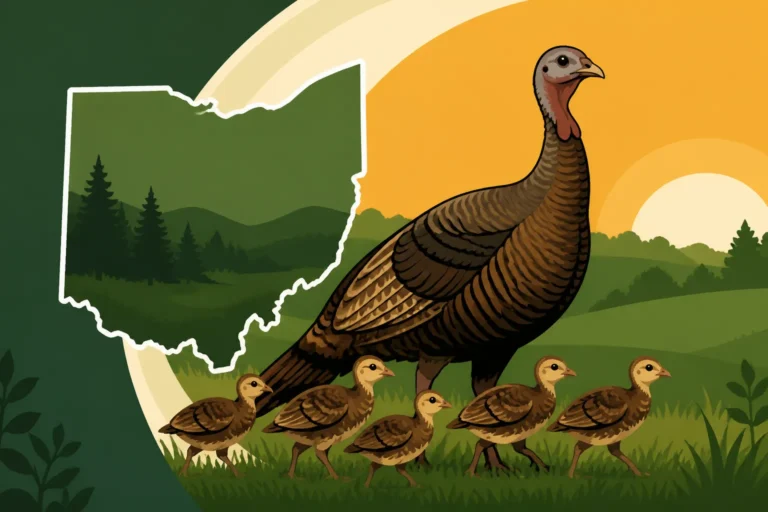
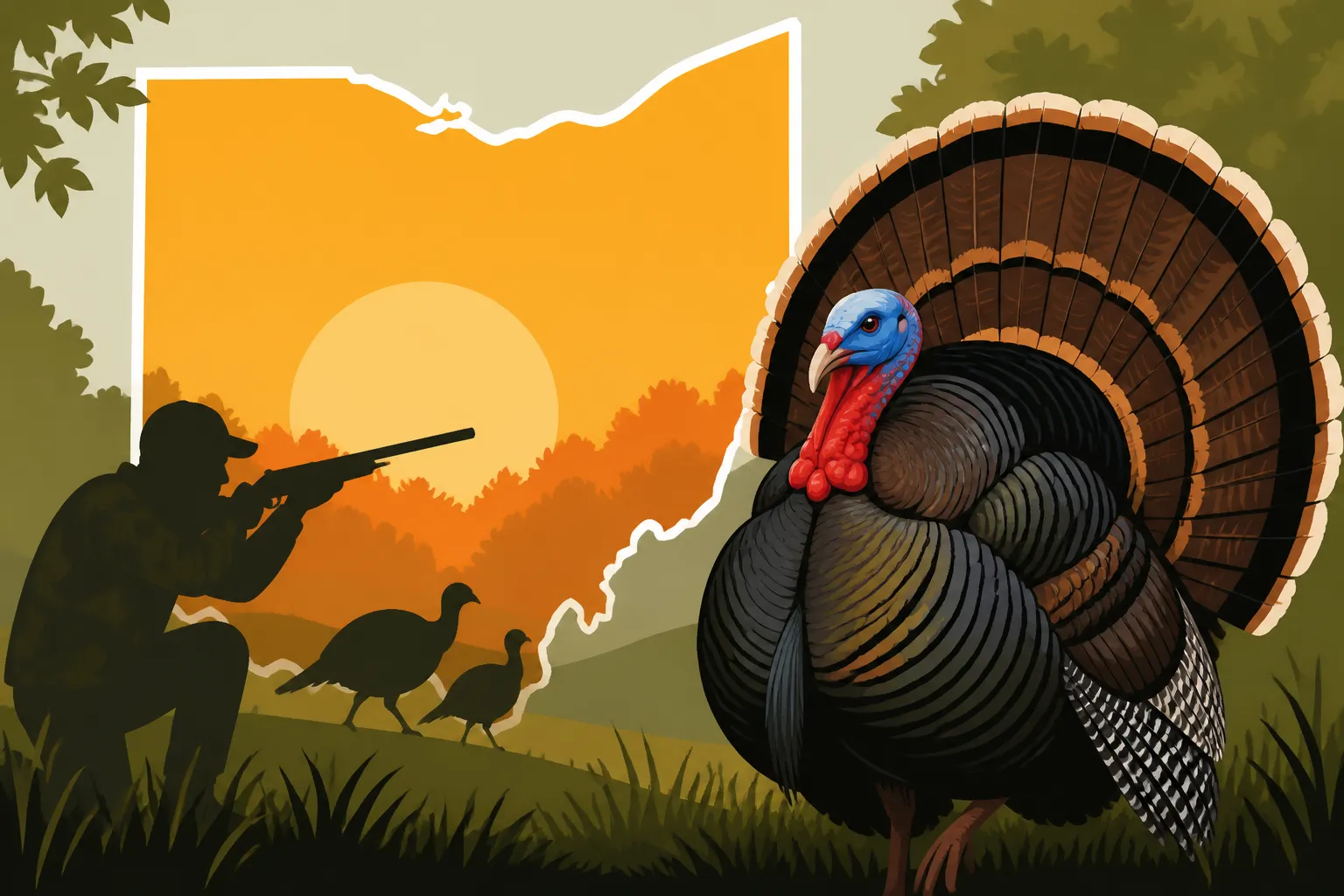
It wasn't that long ago that the gobble of a wild turkey was a sound most Ohioans only heard in stories or saw in old photographs. For generations, these magnificent birds were largely absent from our woodlands, a stark reminder of historical habitat loss and unregulated hunting. But thanks to incredible conservation efforts, Ohio's wild turkey population has not only rebounded but thrived, offering fantastic hunting opportunities and a chance to experience a true success story in wildlife management. This guide will walk you through everything you need to know about wild turkeys in Ohio, from their remarkable comeback to understanding their behavior and the best ways to pursue them ethically.
The Remarkable Return of Ohio's Wild Turkeys
It’s hard to imagine Ohio’s diverse landscapes today without the presence of wild turkeys, but their story here is one of perseverance and dedicated conservation. Their return is truly a testament to what thoughtful wildlife management can achieve when everyone pulls together.
Historical Decline and Extirpation
Back in the early 1800s, wild turkeys were abundant across Ohio, roaming vast tracts of old-growth forest. You could find them in virtually every county, from the dense Appalachian foothills in the southeast to the expansive woodlands that dotted the flat plains of the northwest. Early settlers and Native American tribes alike relied on them as a valuable food source. However, as human populations grew, so did the demand for land and timber. Forests were cleared at an astonishing rate for agriculture, logging, and settlement. This massive habitat destruction, coupled with unregulated market hunting and subsistence hunting, proved devastating for the wild turkey.
By the early 1900s, the once-thriving turkey population was decimated. By 1904, the last native wild turkey was believed to have been seen in Adams County, and by 1907, they were officially declared extirpated from Ohio. Imagine an Ohio forest completely silent, devoid of that iconic gobble – it's a stark reminder of how quickly even seemingly abundant wildlife can vanish without proper stewardship. For decades, many believed they were gone for good, a forgotten piece of our natural heritage.
The Groundbreaking Restoration Efforts
The idea of bringing wild turkeys back to Ohio was a dream for many conservationists throughout the mid-20th century. Initial attempts in the 1950s involved releasing pen-raised turkeys, but these efforts largely failed. Pen-raised birds simply lacked the instincts and hardiness to survive in the wild. The real breakthrough came in the 1950s and 60s when wildlife biologists realized that the key was to trap wild turkeys from states where they still thrived and relocate them to suitable habitats in Ohio. This "trap and transfer" method proved incredibly effective.
Starting in 1956, the Ohio Department of Natural Resources (ODNR) began acquiring wild turkeys from states like West Virginia, Missouri, and Arkansas. These wild-trapped birds, primarily of the Eastern wild turkey subspecies, were released into large, forested blocks of public and private land in Ohio, particularly in the southeastern counties like Athens, Vinton, and Ross, where large continuous blocks of mature timber still existed. This systematic approach, meticulously planned and executed, began to pay dividends. By the 1970s, the population had grown enough to allow for a limited spring turkey season, a monumental moment for Ohio hunters. You can dive deeper into the history with our piece on How Turkeys Were Restored to Ohio. This success story is one of the brightest chapters in Ohio's wildlife conservation efforts, turning what seemed like an impossible dream into a vibrant reality.
Understanding Ohio's Thriving Turkey Populations
Today, Ohio boasts a robust and healthy wild turkey population, a far cry from the empty forests of a century ago. Understanding their numbers and where they are most prevalent can greatly improve your chances of encountering these birds.
Current Population Estimates and Density
The wild turkey population in Ohio is estimated to be incredibly strong, ranging from 150,000 to 200,000 birds statewide, though this number can fluctuate year to year based on factors like nesting success and harsh winters. The Ohio Department of Natural Resources (ODNR) monitors these populations closely through various surveys, including brood surveys that track poult-to-hen ratios to predict future population trends. These numbers are a testament to the ongoing success of the restoration programs and active habitat management.
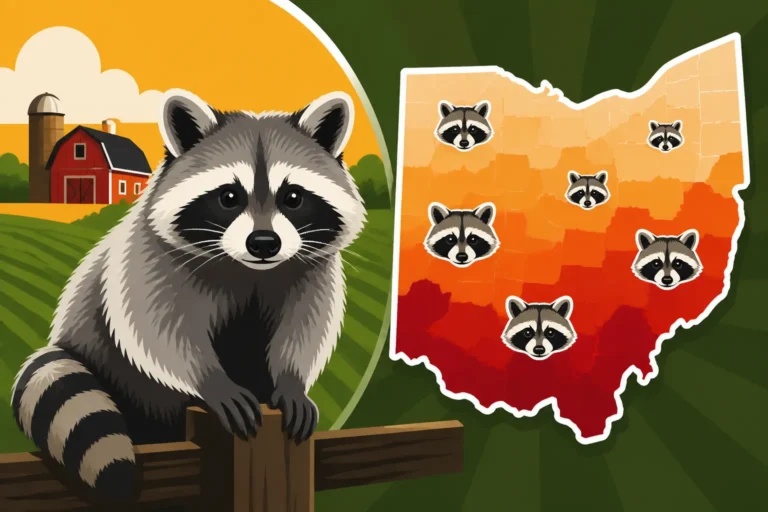
You'll find turkeys in all 88 counties, but their density isn't uniform. Generally, the highest densities are found in the rugged, heavily forested Appalachian plateau region of eastern and southeastern Ohio, including counties like Monroe, Washington, Belmont, and Noble. These areas offer vast expanses of timber, varied terrain, and abundant mast crops, which are ideal for turkeys. However, even in the more agricultural, flat regions of northwest and central Ohio, turkeys have adapted remarkably well, utilizing woodlots, riparian corridors, and field edges for cover and food. Knowing these density maps, often available through resources like GoHunt, can help you focus your scouting efforts. For more detailed insights into the statewide picture, check out Ohio Turkey Population Trends.
Regional Differences in Turkey Distribution
Ohio is a state of diverse landscapes, and these regional differences play a significant role in where and how turkeys thrive.
- Appalachian Plateau (Southeast and East-Central Ohio): This is prime turkey country. The rolling hills, deep ravines, and extensive mixed hardwood forests provide ideal roosting sites, ample forage, and plenty of cover. Counties such as Athens, Jackson, and Scioto are consistently top turkey producers. Here, you'll find birds spread out through large tracts of public land like Wayne National Forest and Shawnee State Forest, as well as vast private timberlands. Hunting here often involves traversing steep terrain and utilizing traditional woodsman skills to locate birds.
- Glaciated Plateau (Northeast Ohio): This region, while still forested, tends to have more fragmented habitat due to greater development and agriculture. Turkeys here often utilize smaller woodlots, river bottoms, and suburban green spaces. Counties like Ashtabula, Trumbull, and Mahoning still hold good numbers of birds, but finding them might involve more door-knocking on private land or focusing on specific wildlife areas.
- Till Plains (Central and Western Ohio): Characterized by flatter terrain and extensive agriculture, turkeys in these areas have learned to thrive in a mosaic of row crops, fencerows, small woodlots, and riparian corridors along creeks and rivers. They often roost in the tallest trees available along these watercourses or in isolated timber blocks, venturing into fields to feed. Counties like Delaware, Licking, and Knox can offer excellent hunting, but it requires a different approach, often focusing on field edges and smaller, overlooked pockets of timber.
- Lake Erie Plains (Northwest Ohio): Similar to the Till Plains, this region is heavily agricultural. Turkeys here are masters of adapting to limited cover, using ditch lines, brushy creek bottoms, and isolated farm woodlots. While not as numerous as in the southeast, successful hunting is very possible with thorough scouting. The adaptability of these birds is truly amazing, making every hunt in Ohio a unique experience.
Turkey Biology and Life Cycle Insights
Understanding the fundamental biology and daily habits of wild turkeys is crucial for any hunter hoping to outsmart these intelligent birds. Their annual cycle is driven by instinct, reproduction, and the constant search for food and safety.
Breeding Habits and Nesting Success
The breeding season for wild turkeys in Ohio kicks off with a bang, typically in late March and running through May. This is when the woods come alive with gobbling as dominant toms try to attract hens. A single tom will attempt to breed with multiple hens, establishing a pecking order through impressive displays of strutting, fanning their tails, and booming gobbles. Hens, once bred, will seek out secluded nesting sites, usually a well-hidden depression on the ground, often at the base of a tree, under a brush pile, or in dense herbaceous cover along a field edge.
A hen typically lays 8-15 eggs over a period of about two weeks, then begins a roughly 28-day incubation period. This phase is incredibly vulnerable, as predators like raccoons, opossums, and coyotes are constantly on the prowl for nests. The success of the hatch is largely dependent on weather conditions and predation rates. A cold, wet spring can significantly reduce nesting success and poult survival. The resulting "poults," or young turkeys, are precocial, meaning they are able to walk and feed themselves shortly after hatching. However, they are still very delicate and susceptible to exposure and predation. The Nest Predation and Ohio Turkey Hatches dynamics are critical to population health, and understanding these challenges helps us appreciate the resilience of these birds.
Daily Movements and Seasonal Rhythms
Wild turkeys exhibit predictable daily and seasonal movement patterns, largely influenced by food availability, cover, and breeding cycles. In the spring, during the breeding season, their movements are heavily dictated by the desire to breed. Toms will spend their mornings on a roost, gobbling vigorously, before flying down to strut and display for hens. Once hens have been bred, they disperse to nest, and toms might continue to gobble in hopes of finding "leftover" hens.
Throughout the day, turkeys will forage for food, scratch for insects, and dust themselves in dry soil to rid themselves of parasites. They often move between feeding areas, water sources, and loafing cover, always alert for danger. As evening approaches, they seek out tall, sturdy trees for roosting, often returning to the same general area night after night. Understanding these daily patterns, like where they Roost Hunting Ohio Gobblers is paramount. In summer, hens with poults will remain in areas with good insect populations and dense cover for protection. By fall and winter, turkeys typically gather in larger flocks, focusing their movements around reliable food sources like acorn flats, standing corn, or cut grain fields. Knowing these rhythms, which you can often track through a resource like the GoHunt app, allows hunters to predict where turkeys will be and when, increasing the chances of a successful encounter.
Preferred Habitats and Essential Food Sources
To find wild turkeys, you need to think like a turkey. That means understanding what kind of environment they thrive in and what fuels their daily activities. Ohio offers a variety of habitats that these adaptable birds call home.
Forested Landscapes and Edge Habitats
Wild turkeys are quintessential forest dwellers, but they don't just use any old patch of woods. They prefer mature, mixed hardwood forests with a diverse understory. Think big, old oaks and hickories that provide crucial mast crops (acorns, hickory nuts) in the fall, mixed with pines for thermal cover in winter and hemlocks or sycamores along river bottoms for roosting. The open understory in mature timber allows them to walk freely while maintaining visibility for predators, while dense pockets of brush provide escape cover and nesting sites.
However, turkeys truly excel in "edge habitat" – the transition zones where forests meet fields, pastures, or clear-cuts. These edges offer the best of both worlds: the safety and roosting opportunities of the timber, combined with the abundant food sources found in open areas. A brushy fencerow bordering a cornfield, a wooded creek bottom running through agricultural land, or a dense thicket adjacent to an old logging road are all prime spots. These transitional areas offer a smorgasbord of insects, seeds, and fruits. Scouting these edge habitats, especially in areas like Hunting Northwest Ohio Farmland Deer (which also applies to turkeys), can be incredibly productive, as birds will frequently move between the two environments throughout the day.
The Importance of Mast Crops and Agricultural Fields
Food is a constant driver for wild turkeys, and their diet shifts with the seasons and what's available. Mast crops are king, especially in the fall and winter. Acorns, specifically, are a critical food source, providing essential energy and nutrients. Oak ridges that drop heavy crops are magnets for turkeys, and they will spend hours scratching through leaf litter to find every last acorn. Hickories, beechnuts, and wild grapes are also highly valued.
As you move away from heavily forested areas, particularly in central and western Ohio, agricultural fields become increasingly important. Turkeys will readily feed in cut cornfields, picking up spilled grain, or in soybean fields, especially after harvest. They also forage in pastures and hayfields for insects, grubs, and seeds. During the spring and summer, insects are a vital protein source, especially for growing poults. Hen turkeys will lead their young through fields and open woodlands, constantly pecking and scratching for grasshoppers, beetles, and other protein-rich critters. Knowing the predominant mast trees in a region or the types of crops planted nearby can give you a significant advantage in patterning turkey movements.
Challenges and Conservation Management
While Ohio's wild turkeys are a resounding success story, they still face challenges. Their continued prosperity relies on ongoing monitoring, habitat protection, and adaptive management strategies from the ODNR.
Predators, Disease, and Habitat Threats
Wild turkeys, despite their size and cunning, face a gauntlet of threats throughout their lives. Nest predation is a major factor, with raccoons, opossums, skunks, and coyotes being highly efficient at locating and raiding turkey nests. Young poults are vulnerable to a wider range of predators, including foxes, bobcats, and various avian raptors. Even adult turkeys can fall prey to coyotes or great horned owls, especially when roosting. While natural predation is part of a healthy ecosystem, high predator densities in certain areas can impact turkey recruitment.
Diseases, though not as widespread as with some other species, can also pose a threat. Avian pox, blackhead disease, and other parasites can weaken birds, especially poults, making them more susceptible to other stressors. Habitat fragmentation and loss, while not as severe as in the early 1900s, remains an ongoing concern in some rapidly developing parts of the state. As suburbs expand and natural areas are converted, connectivity between suitable habitats can be lost, making it harder for turkeys to disperse and thrive. Understanding Nest Predation and Ohio Turkey Hatches highlights these delicate balances.
Ohio's Ongoing Turkey Management Strategies
The Ohio Department of Natural Resources works tirelessly to ensure the long-term health of the state's wild turkey population. Their strategies are multi-faceted and rooted in sound scientific principles. One key aspect is population monitoring through annual surveys, like brood surveys, hunter harvest reports, and banding programs. These data points help biologists estimate population trends, reproductive success, and overall turkey health across different regions. This information then informs hunting season dates, bag limits, and other regulations, such as the specifics you might find under Ohio Spring Turkey Bag Limit.
Habitat management is another crucial component. The ODNR, often in partnership with private landowners and conservation groups, works to enhance turkey habitat on public and private lands. This can include prescribed burns to promote herbaceous growth and control invasive species, selective timber harvests to create diverse forest age classes, and planting mast-producing trees. They also engage in outreach and education to inform the public and landowners about best practices for supporting turkey populations. These proactive measures, combined with regulated hunting that allows for controlled harvest, ensure that Ohioans will continue to enjoy the sight and sound of wild turkeys for generations to come.
Hunting Wild Turkeys in the Buckeye State
Hunting wild turkeys in Ohio is a deeply rewarding experience, offering a unique blend of strategy, patience, and the thrill of interacting with a truly wild bird. Whether you prefer the crisp mornings of spring or the quieter woods of fall, Ohio provides ample opportunity.
Ohio's Spring and Fall Seasons Overview
Ohio offers distinct spring and fall turkey seasons, each with its own character and rules.
- Spring Turkey Season: This is arguably the most popular time to pursue turkeys in Ohio. The spring season, which typically runs from late April through May, focuses on harvesting gobblers (males) as they are actively breeding and calling. Hunters use various calls to mimic hens and entice a tom into range. Ohio is split into two zones for the spring season – the South Zone and the Northeast Zone, each with slightly different opening dates. Understanding these regional variations is key, and you can get detailed information on Ohio Spring Turkey Zones and Dates. The bag limit in spring is usually two bearded turkeys, but it's crucial to check the current year's regulations as they can change. The challenge and excitement of working a gobbler is an incredible experience, often leading to unforgettable moments.
- Fall Turkey Season: The fall season is a much different game. Typically shorter and often shotgun-only, it usually occurs in a limited number of counties, primarily in the forested eastern and southeastern parts of the state. The focus shifts from calling in lovesick gobblers to locating flocks, often scattering them, and then calling individual birds back together. This method, often described as "flock breaking," requires a good understanding of turkey communication and flock dynamics. You can learn more about this approach through our guide on Hunting Ohio's Fall Turkey Window. The bag limit is usually one turkey of either sex. Fall hunting is often more about stealth and woodsmanship, providing a challenging yet rewarding experience for those who prefer a different kind of turkey hunt.
Effective Scouting and Calling Techniques
Success in turkey hunting often hinges on thorough scouting and proficient calling. Scouting doesn't just happen the week before the season; it's an ongoing process. During the off-season, pay attention to areas with good habitat: mature hardwoods, creek bottoms, and field edges. Look for tracks, droppings, and shed feathers. As spring approaches, listen for gobbling from potential roost sites at dawn and dusk. The GoHunt app can be a huge asset here, allowing you to mark potential roosts, travel corridors, and feeding areas on aerial maps, even helping you identify public land boundaries. This kind of diligent prep helps you narrow down your hunting grounds.
Once the season starts, calling becomes your primary tool. There's a vast array of calls available – friction calls (slate, glass, box calls), diaphragm calls, and push-pull calls – each with its own learning curve. The key isn't to be a master caller, but to be able to make realistic hen sounds: yelps, clucks, purrs, and cutts. More importantly, it's about knowing when to call and how much. Overcalling can spook wary birds, while being too quiet might not attract attention. Sometimes, soft tree yelps from the roost, followed by clucks and purrs on the ground, are all it takes. Other times, aggressive cutting is needed to provoke a distant gobbler. Learning to read the bird's responses and adjust your calling accordingly is an art form that develops with experience. Our guide on Turkey Calls Worth Carrying in Ohio can help you choose the right tools.
Gear and Tactics for Success
Beyond scouting and calling, having the right gear and employing sound tactics will greatly increase your odds. A reliable shotgun, typically a 12 or 20 gauge, choked for tight patterns with heavy turkey loads, is essential. Many hunters also choose to outfit their shotgun with a red dot sight for precise aiming at a turkey's head and neck. Camouflage, head-to-toe, including a face mask and gloves, is critical for breaking up your outline. Turkeys have incredible eyesight, so minimizing movement is paramount.
When it comes to tactics, patience is a virtue. Once you've set up, preferably with a good backdrop against a tree wider than your shoulders for safety, remain still and listen. If you get a gobbler to respond, try to pinpoint his location and assess the terrain. Sometimes, he'll come right in. Other times, he'll "hang up" just out of range, forcing you to adjust. Using decoys can be incredibly effective, especially a single hen or a breeding pair, to draw a tom into your shooting lane. Consider reading up on Decoy Placement for Pressured Birds for optimal setups. For those hunting public land, covering ground can be important, so a lightweight setup or even Run-and-Gun Turkey Tactics on Public Land might be necessary. Regardless of your chosen method, safety is always first: positively identify your target and be aware of your surroundings, especially if other hunters are in the area.
The Nuances of Turkey Communication
Wild turkeys have a surprisingly complex vocal repertoire, and understanding their calls is like learning a new language. For turkey hunters, being able to "speak" this language, or at least understand it, is an invaluable skill.
Decoding the Language of the Woods
Turkeys use a wide array of sounds to communicate everything from distress and alarm to contentment and breeding intentions. The most famous, of course, is the gobble – the loud, booming call of the male turkey, primarily used to attract hens and assert dominance. But there's so much more. Hens make a variety of yelps, clucks, purrs, and cutts.
- Yelps: These are the most common hen calls, ranging from a few plaintive notes to a long, drawn-out sequence. They can signal a hen looking for a tom, or a lost bird trying to re-group.
- Clucks: Short, sharp notes that indicate contentment or a turkey's curiosity.
- Purrs: Soft, rolling sounds often made by feeding birds, signaling contentment within a flock.
- Cutts: Loud, sharp, often aggressive series of clucks, typically used by excited hens trying to get a tom's attention.
- Tree Yelps: Soft, sleepy yelps made by turkeys still on the roost in the morning, letting others know they're there.
- Puts: A single, sharp alarm note that signals danger. If you hear a put, especially a series of them, the turkeys have likely spotted something unsettling, often you!
Learning these calls, and practicing them on a variety of calls like box calls or diaphragm calls, can truly elevate your hunting game. The goal isn't necessarily to perfectly replicate a turkey, but to sound natural and convey the right emotion to draw a response.
Ethical Calling and Decoy Strategies
The art of calling goes beyond just making sounds; it involves understanding the psychology of the turkey and using your calls ethically. When you're trying to call in a gobbler, you're essentially playing the role of a desirable hen. You want to sound available, but not desperate. Often, less is more. A few well-placed yelps or soft clucks can be far more effective than continuous, loud calling. After making a series of calls, be patient and listen. Let the turkey respond, then adjust your calling based on his reaction. Are his gobblers getting closer? Is he "hung up" at a distance?
Decoys are an extension of your calling strategy, providing a visual element that can seal the deal, especially for wary spring gobblers. The most common setup is a single hen, or a jake and a hen. A jake decoy can really infuriate an older tom, making him commit to a charge. Placement is critical:
- Set decoys where the approaching gobbler will have to come into your shooting lane to investigate.
- Face hen decoys generally towards your position, as a gobbler will typically approach a hen from the front or side to display.
- If using a jake, face him away from you, as gobblers like to approach jakes from behind to assert dominance.
- Ensure your setup offers clear shooting lanes around the decoys.
Always consider the potential for other hunters. Brightly colored decoys can sometimes draw unwanted attention, so be mindful of your surroundings and make safety your top priority. Using the right combination of calls and decoys, you can paint a convincing picture that draws that Ohio gobbler right into your setup.
Challenges and Opportunities for Ohio Turkey Hunters
Even with healthy populations, turkey hunting in Ohio presents its unique set of challenges and, consequently, exciting opportunities. Being prepared for these can make all the difference between a frustrating morning and a successful harvest.
Navigating Public Land and Hunting Pressure
Ohio offers a fantastic amount of public hunting land, including state forests like Shawnee State Forest and Wayne National Forest, as well as numerous wildlife areas managed by the ODNR. These lands are vital for hunters, providing access to incredible turkey habitat. However, public land often comes with hunting pressure, especially on opening day of the spring season. This means turkeys can become wary and "call shy" very quickly. You might find birds that gobble enthusiastically on the roost but go silent once on the ground, or they might circle wide around calls.
The opportunity here lies in being willing to work harder and smarter. Don't be afraid to walk further than most, exploring deeper into public tracts where fewer hunters venture. Using mapping tools, like those provided by GoHunt or the ODNR's HuntFish app, can help you identify remote pockets of habitat, hidden ridges, or overlooked creek bottoms. Early season scouting, before the pressure hits, is also critical to find birds that haven't been educated yet. Adapting your tactics, perhaps by calling less or using softer, more subtle calls, can be very effective on pressured birds. Sometimes, simply finding a patch of timber adjacent to private land where birds feel safer can be a game-changer. Our article on Hunting Pressure on Ohio Public Land offers more strategies for navigating busy areas.
Weather, Timing, and Adapting Your Approach
Ohio weather is notoriously unpredictable, especially in spring, and it can significantly impact turkey behavior. A warm, sunny morning can bring birds out gobbling and strutting, while a cold, rainy day might make them quieter and less active. Understanding how weather affects turkeys allows you to adjust your strategy. On a rainy day, birds might stay closer to their roosts or seek denser cover, and calling might need to be more persistent. Cold fronts can slow things down, while a warming trend after a cold snap can ignite gobbling activity.
Timing within the season is also crucial. The very beginning of the spring season often sees a lot of gobbling, as toms are eager to find hens. As the season progresses and more hens are bred and nesting, toms might become less vocal, as many of the hens are no longer receptive. This is when patience and persistence truly pay off. You might need to move more, use locator calls to provoke a shock gobble, or try "run-and-gun" tactics, especially on public land. Learning When Ohio Gobblers Go Quiet in Late May is an essential piece of knowledge for any seasoned hunter. Being adaptable, willing to change your setup, or even try a different area based on weather and seasonal progression, is key to consistent success.
Ohio's Wild Turkey Future and Beyond
The journey of the wild turkey in Ohio, from extirpation to abundance, is a remarkable conservation success. But the work doesn't stop here. Ensuring their continued health and accessibility for future generations requires ongoing commitment.
Brood Success and Annual Variability
The health of Ohio's turkey population year to year is heavily influenced by "brood success" – how many poults survive from hatch through their first few weeks of life. Factors like weather during nesting and poult development are critical. Cold, wet springs can lead to high poult mortality, as young turkeys are susceptible to hypothermia and a lack of insects for food. Conversely, mild, dry springs often result in high survival rates and a robust population entering the fall and following spring.
The ODNR closely monitors poult-to-hen ratios through annual surveys, providing vital data to predict upcoming season prospects. A high poult-to-hen ratio suggests a strong upcoming year, while a low ratio might signal a need for more conservative bag limits or a potential dip in population the following season. These natural fluctuations are part of wildlife management, and understanding them helps set realistic expectations for hunters. Insights from Ohio Turkey Brood Survey Results are publicly available and can give you a heads-up on what to expect. This continuous data collection and analysis are what allow Ohio to manage its wild turkey resource sustainably.
The Role of Hunter Education and Ethics
Hunters have always been, and continue to be, a crucial part of wildlife conservation funding and advocacy. In Ohio, as with all hunting, ethical behavior and adherence to regulations are paramount for turkey hunting. Completing Ohio Hunter Education Requirements is the first step for new hunters, instilling not just safety, but also a deep understanding of wildlife biology, conservation, and ethical hunting practices. For turkey hunters, this means knowing your target, understanding legal shooting hours, adhering to bag limits, and respecting private property.
Beyond the regulations, it’s about a personal code of conduct. This includes retrieving every bird shot, practicing good sportsmanship, and leaving the woods cleaner than you found them. It also means educating others about the value of conservation and the role hunting plays in it. By upholding high ethical standards, Ohio turkey hunters contribute directly to the positive public perception of hunting and ensure that this incredible conservation success story continues to inspire. The future of Ohio's wild turkeys rests not just on the birds themselves, but on the responsible stewardship of everyone who enjoys our outdoors.
Conclusion
The story of wild turkeys in Ohio is a powerful example of what dedicated conservation can achieve. From the brink of extinction to thriving across all 88 counties, these magnificent birds have reclaimed their place in our forests and fields. Whether you're a seasoned turkey hunter, a beginner looking to call in your first gobbler, or simply someone who appreciates wildlife, understanding their history, biology, and habits enriches the experience. Every gobble you hear is a reminder of this remarkable comeback, a testament to nature's resilience, and a call to continue our stewardship of Ohio's incredible natural heritage.
| Characteristic | Spring Turkey Season (Primary) | Fall Turkey Season (Limited) |
|---|---|---|
| Primary Target | Bearded Turkeys (Gobblers/Jakes) | Any Turkey (Either Sex) |
| Season Length | Typically 5 weeks (Late April – May) | Much Shorter (Often Oct/Nov) |
| Geographic Scope | Statewide (Two Zones: South & Northeast) | Limited to Specific Counties |
| Primary Method | Calling in a gobbler with hen sounds | Locating flocks, scattering, calling back |
| Bag Limit | Usually 2 bearded turkeys | Usually 1 turkey of either sex |
| Atmosphere | Intense, vocal, focused on breeding males | Quieter, more woodsmanship, flock dynamics |
| Typical Weather | Variable (Cool to Warm, potential rain) | Cooler, often crisp autumn days |
Disclaimer
Please remember that hunting regulations, season dates, and bag limits are subject to change annually. Always consult the most current Ohio Department of Natural Resources (ODNR) hunting regulations before heading afield. This content is for informational purposes only and does not constitute legal advice.