Ohio Turkey Population Trends
It can be incredibly frustrating to hit the woods for turkey season year after year, only to wonder if the gobblers you remember from years past are still around in the same numbers. We all feel that uncertainty when we hear fewer morning clucks or see fewer hens with poults in the summer. Understanding the health and trends of Ohio's wild turkey population is key to appreciating both the challenges and successes in managing these incredible birds, and to planning your next hunt effectively. This guide dives deep into exactly that, exploring the journey of these resilient birds and what the future might hold.
The Remarkable Comeback Story of Ohio's Wild Turkeys
For many of us who cherish chasing longbeards, it's hard to imagine an Ohio without wild turkeys. Yet, for a significant period, that was precisely the reality. The story of the wild turkey in Ohio is a powerful testament to successful wildlife conservation, moving from complete absence to flourishing populations across the state. It’s a narrative every Ohio hunter should know, reminding us of what dedicated efforts can achieve.
A History of Extirpation and Hope
By the early 1900s, the wild turkey was entirely gone from Ohio. Habitat destruction, primarily logging and unregulated hunting during the era of early European settlement, pushed these magnificent birds out of the state completely. Imagine, an entire generation of Ohioans who never heard a gobble echo through the spring woods, or saw a flock scratching for acorns in the fall. It's a stark reminder of how quickly even abundant wildlife can disappear without thoughtful management and conservation practices. Our grandparents and great-grandparents hunted squirrels and rabbits, but turkeys were just a part of history books in Ohio.
This period of absence lasted for decades, leaving a void in Ohio's forests and the hearts of those who remembered or heard tales of the birds. It wasn't until the mid-20th century that the glimmer of hope for their return truly began to shine. Wildlife biologists and conservationists started looking at the successes in other states where turkeys were being re-established, and Ohio began to formulate a plan to bring them back home.
The Restoration Efforts that Changed Everything
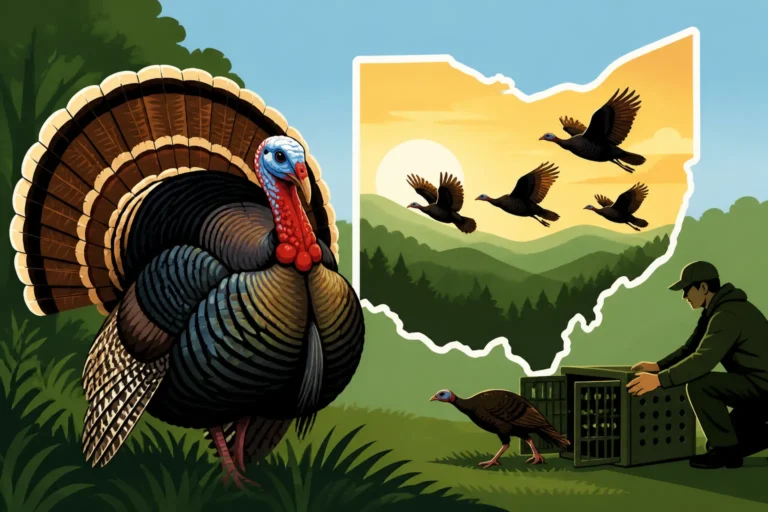
The monumental task of restoring wild turkeys to Ohio began in earnest in the 1950s, building on successful trap-and-transfer programs pioneered in other states. The Ohio Department of Natural Resources (ODNR) played a pivotal role, working tirelessly to reintroduce wild-trapped turkeys from states like Missouri, West Virginia, and Arkansas into suitable habitats within Ohio. These weren't domesticated turkeys; they were true wild birds, hardy and wary, capable of thriving if given the chance.
These initial releases focused on the more rugged, forested regions of eastern and southeastern Ohio, areas that still retained significant blocks of mature timber necessary for turkey survival. The science behind these releases was crucial: understanding turkey biology, habitat needs, and social structures was paramount to ensuring the reintroduced birds could establish viable breeding populations. You can dive deeper into this fascinating history by reading about How Turkeys Were Restored to Ohio. It was a slow, deliberate process, but each successful release built momentum and brought Ohio closer to hearing that unmistakable spring gobble once again.
Expanding Across the Buckeye State
Once initial populations took hold in the Appalachian foothills, the turkeys, being the adaptable creatures they are, began to spread. The ODNR continued its trap-and-transfer efforts within Ohio itself, moving birds from areas with thriving populations to other suitable locations across the state. This internal relocation strategy proved incredibly effective, accelerating the recolonization process. It wasn't long before gobblers and hens were establishing themselves in new counties, even venturing into less traditionally "turkey habitat" areas like the woodlots and creek bottoms of the agricultural north and west.
Today, wild turkeys can be found in all 88 counties of Ohio. This widespread distribution is a direct result of these decades of dedicated effort and investment. While some regions naturally support higher densities due to more expansive forest cover, the fact that you can find turkeys almost anywhere in Ohio is a testament to the success of the restoration. This expansion means more opportunities for hunters, and a more vibrant ecosystem for everyone to enjoy.
Understanding Current Ohio Turkey Population Dynamics
It’s one thing to celebrate a successful comeback, but it's another to continuously monitor and manage a thriving population. For Ohio's wild turkeys, understanding their current dynamics involves a close look at population estimates, regional distribution, and the natural ebb and flow that occurs year to year. These insights help wildlife managers make informed decisions and help us as hunters understand what to expect when we head afield.
Statewide Population Estimates and Density
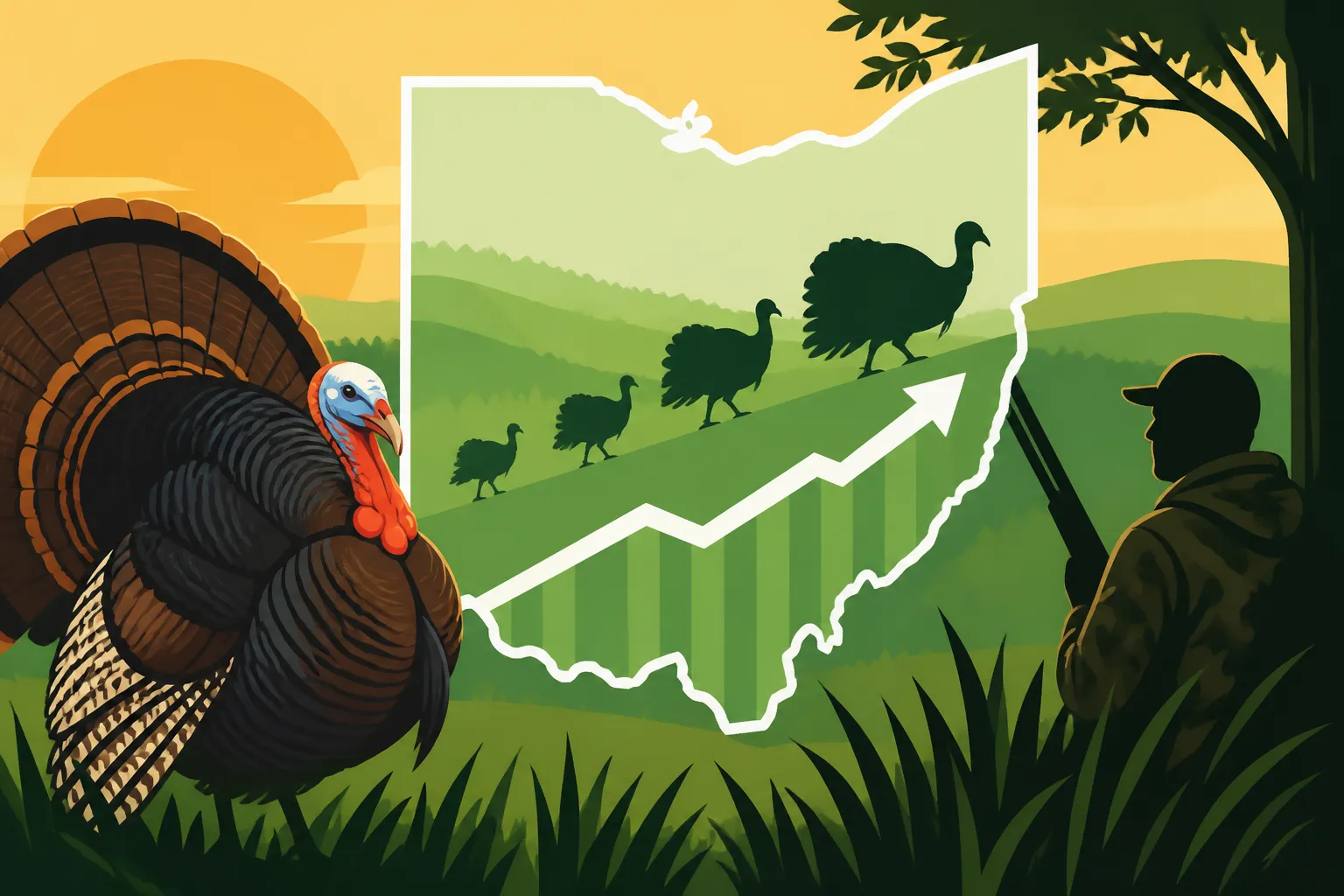
The Ohio Department of Natural Resources (ODNR) consistently monitors the statewide wild turkey population, providing estimates that give us a snapshot of their health. While an exact count is nearly impossible, these estimates are derived from various data points, including hunter harvest reports, poult-to-hen ratios (which track reproductive success), and observational surveys. Generally, Ohio's wild turkey population is considered robust, with estimates often hovering in the hundreds of thousands. While a precise number can fluctuate, the overall trend has shown stability, a testament to effective management. For a detailed breakdown, check out Ohio Turkey Population Estimate.
These numbers, however, don't tell the whole story without considering density. The sheer number of turkeys doesn't mean they're evenly spread. In areas with ideal habitat — think large, contiguous blocks of mature hardwood forest interspersed with open fields — turkey densities are naturally much higher. Conversely, in heavily urbanized or intensely agricultural areas with fragmented habitat, you'll find lower densities, even if turkeys are present. It's like comparing a bustling city to a quiet rural town; both have people, but the concentration is vastly different.
Regional Differences in Turkey Numbers
Ohio is a state of diverse landscapes, and these regional differences play a significant role in where you'll find the highest concentrations of turkeys. The unglaciated Appalachian region of southeastern Ohio, with its sprawling forests and rugged terrain, remains the stronghold for wild turkeys. Counties like Vinton, Jackson, and Athens often report some of the highest turkey densities and harvest numbers, thanks to ample roosting trees, diverse mast crops, and plenty of cover. If you're looking for a challenging hunt in prime turkey country, the southeastern hills are hard to beat. This region consistently offers excellent opportunities for those willing to put in the legwork. Many hunters find that resources like GoHunt offer invaluable mapping tools to identify these prime areas and analyze turkey distribution patterns.
Contrast this with the flatter, more agricultural landscapes of northwestern Ohio. Here, turkeys are present, but their numbers are generally lower, and they tend to congregate in isolated woodlots, along river corridors, and in areas near CRP (Conservation Reserve Program) fields. While you might not hear multiple gobblers sounding off from every ridge, these birds are still around and offer a unique hunting experience, often requiring more scouting and strategic setups. Understanding Where Ohio Turkeys Are Densest can really help tailor your hunting approach to specific parts of the state.
Annual Fluctuation and What Drives It
Turkey populations are not static; they experience natural annual fluctuations influenced by a variety of environmental factors. We often hear hunters lamenting a "down year" or celebrating a "banner year," and these observations usually align with these population shifts. The primary driver of these annual changes is reproductive success, often directly tied to weather conditions during nesting and poult-rearing periods. A cold, wet spring can devastate a hatch, leading to fewer young birds surviving to adulthood, which impacts the following year's hunting opportunities.
Conversely, a warm, dry spring with abundant insect life provides ideal conditions for poult survival, leading to a bump in the population a year or two later. These poult-to-hen ratios are critical indicators for wildlife managers. Knowing Poult-to-Hen Ratios and What They Mean helps them predict future trends. These natural ebbs and flows are a normal part of wildlife ecology and underscore the dynamic nature of managing a healthy turkey population. It's a constant balancing act between nature's unpredictability and diligent human oversight.
| Ohio Region | General Habitat | Typical Turkey Density | Harvest Trend (Past 5 Years) | Primary Challenges |
|---|---|---|---|---|
| Southeastern | Appalachian Hardwoods, Mix of Public/Private | High | Stable to Slightly Increasing | Access, Hunting Pressure |
| Northeastern | Mixed Forests, Agriculture, Suburban | Medium | Stable | Habitat Fragmentation |
| Central | Agriculture, River Corridors, Woodlots | Medium-Low | Stable to Slightly Declining | Habitat Loss |
| Northwestern | Intensive Agriculture, Fragmented Woodlots | Low | Stable | Habitat Fragmentation |
| Southwestern | Agriculture, River Valleys, Suburban | Medium-Low | Stable | Habitat Fragmentation |
Key Factors Influencing Turkey Population Trends
Understanding the numbers is just one piece of the puzzle; knowing why the numbers fluctuate is even more crucial. Wild turkey populations are incredibly sensitive to their environment, and a combination of factors, both natural and human-induced, constantly shapes their trajectory. From the quality of their living spaces to the pressures they face from predators and disease, these elements dictate the success and challenges faced by Ohio's gobblers and hens.
Habitat Quality and Availability
Hands down, habitat is the most critical factor for any wildlife population, and wild turkeys are no exception. Turkeys need a diverse landscape to thrive, one that provides everything from mature timber for roosting, open woods for foraging for mast (acorns, hickory nuts), and brushy clearings or dense fields for nesting and poult rearing. A healthy mix of forest types, edge habitat, and food sources is essential. The vast hardwood forests of the Wayne National Forest and Shawnee State Forest, for instance, offer prime turkey habitat, contributing to higher turkey numbers in those areas.
Unfortunately, habitat loss and fragmentation remain significant threats in many parts of Ohio. As development expands and agricultural practices intensify, contiguous blocks of forest are broken up into smaller, isolated patches. This makes it harder for turkeys to find everything they need within a safe range, increasing their vulnerability to predators and making it more difficult for younger birds to disperse and establish new territories. Maintaining and enhancing these diverse habitats is paramount for long-term turkey health.
Weather Patterns and Reproduction Success
As mentioned earlier, weather is a huge determinant of annual turkey recruitment. A spring with prolonged cold rains during the nesting period can be disastrous. Poults, especially when newly hatched, are highly susceptible to hypothermia. Wet feathers lose their insulating properties, and if they get chilled, their chances of survival plummet. Furthermore, severe weather can impact the availability of insects, a crucial protein source for growing poults.
Conversely, mild, dry springs typically lead to higher poult survival rates. More poults surviving into summer means more young birds maturing into the hunting population in subsequent years. This directly correlates to better hunting prospects in the future. That's why wildlife biologists pay such close attention to data like Poult-to-Hen Ratios and What They Mean during summer brood surveys; it’s an early indicator of how the population might fare in the next year or two. We as hunters often feel the impact of a bad hatch a season or two later, leading to fewer gobblers sounding off or fewer birds seen overall.
Predation, Disease, and Other Challenges
Wild turkeys face a gauntlet of natural challenges throughout their lives. Nest predation, primarily by raccoons, opossums, skunks, and coyotes, is a major factor impacting reproductive success. A hen might lay a clutch of a dozen eggs, but if a predator finds the nest, the entire effort is lost. We often talk about Nest Predation and Ohio Turkey Hatches because it plays such a pivotal role in overall population trends. While these predators are a natural part of the ecosystem, changes in their populations or habitat can sometimes exacerbate their impact on turkeys.
Diseases, though less common than in some other species, can also occasionally impact turkey populations. Avian pox and blackhead disease are examples of illnesses that can affect wild turkeys, especially in areas of high density. While not typically causing widespread mortality events in Ohio, they are factors that biologists monitor. Finally, human disturbance, whether from excessive recreational use of public lands or poaching, also adds pressure to local turkey populations. Even seemingly minor disturbances can cause hens to abandon nests or alter turkey behavior, making them warier and harder to find.
How Hunting Management Shapes Ohio's Turkey Flocks
Hunting isn't just a recreational pursuit; it's a vital tool in wildlife management. For Ohio's wild turkeys, carefully structured hunting seasons and bag limits play a significant role in maintaining healthy, sustainable populations. The Ohio Department of Natural Resources (ODNR) works diligently to balance hunter opportunity with biological sustainability, ensuring that future generations will continue to enjoy the thrill of spring gobblers.
Analyzing Annual Harvest Data
Every year, hunters are required to check in their harvested turkeys, providing crucial data points for the ODNR. This information, including the sex of the bird, the county of harvest, and the date, allows biologists to track trends in the turkey population. A consistent decrease in harvest over several years, for example, might signal a need to re-evaluate regulations or habitat management strategies. Conversely, stable or increasing harvest numbers indicate a healthy and resilient population. Checking the Ohio Turkey Harvest Numbers regularly gives you a good sense of how things are tracking statewide.
Harvest data also provides insights into hunter effort and success rates. If the overall harvest remains steady but the number of hunters increases, it suggests a slight decrease in individual hunter success, which could be an early indicator of population stress or increased hunting pressure. This is where tools like GoHunt can be particularly useful for hunters, as they often aggregate and visualize this kind of public data, allowing you to see trends not just statewide, but down to specific counties or even public land units if data is available.
Ohio's Spring and Fall Turkey Season Regulations
Ohio offers both spring and fall turkey hunting seasons, each with distinct regulations designed to manage different aspects of the population. The spring season is by far the most popular, focusing exclusively on male turkeys (gobblers). This is a biologically sound strategy because taking gobblers has minimal impact on the overall reproductive capacity of the flock. A few dominant gobblers can breed with many hens, so removing some males doesn't significantly reduce breeding success. The spring season is structured to provide ample opportunity while maintaining a healthy male-to-female ratio. Details on specific dates and zones, like Ohio Spring Turkey Zones and Dates, are carefully set each year based on population assessments.
The fall season, which is much shorter and has a lower bag limit, typically allows for the harvest of either sex, though specific county restrictions may apply. The primary goal of the fall season is often to help manage populations in areas where numbers are high, or to offer additional recreational opportunity. However, care is taken to ensure that too many hens aren't harvested, as that would directly impact future breeding potential. You can find information on eligible areas in the Ohio Fall Turkey County List. The ODNR constantly reviews these regulations, sometimes adding or removing counties from the fall hunt based on local population health and poult production data from previous years.
The Role of Hunter Participation
Hunters are more than just participants in wildlife management; they are active partners. By purchasing licenses and permits, hunters provide the primary funding for the ODNR's wildlife conservation efforts, including turkey research, habitat improvement, and enforcement. Without hunter dollars, much of the work to maintain Ohio's healthy turkey population simply wouldn't be possible.
Furthermore, hunters act as eyes and ears on the ground. Their observations of turkey numbers, flock sizes, and poult sightings contribute valuable anecdotal data that can supplement formal surveys. Ethical hunting practices, such as accurate shot placement and respectful behavior, also contribute to the positive public image of hunting and ensure that the resource is used wisely. From experienced hunters who spend their spring mornings Roost Hunting Ohio Gobblers to those learning Turkey Tactics for Farmland Field Edges, every hunter plays a role in the ongoing success of Ohio's wild turkey program.
Conservation Strategies and the Future of Ohio Turkeys
The story of Ohio's wild turkeys is one of immense success, but conservation is an ongoing endeavor. To ensure these magnificent birds continue to thrive, continuous effort is required from wildlife agencies, landowners, and hunters alike. The future of Ohio's turkey population hinges on proactive management, sustained habitat work, and the continued dedication of the conservation community.
ODNR's Monitoring and Management Programs
The Ohio Department of Natural Resources (ODNR) employs a multi-faceted approach to monitor and manage wild turkeys. This isn't just about counting birds; it's about understanding their ecology. They conduct annual brood surveys, where staff and volunteers record sightings of hens and their poults throughout the summer. This data is crucial for calculating poult-to-hen ratios, which are leading indicators of reproductive success and future population health. Researchers also conduct banding studies, capturing turkeys and affixing leg bands to track movement, survival rates, and harvest data.
Beyond population monitoring, the ODNR actively manages habitat on public lands, using techniques like prescribed burns, timber stand improvements, and planting diverse food plots. These efforts create the ideal blend of mature forests, open understories, and dense nesting cover that turkeys need. This comprehensive strategy ensures that management decisions are rooted in sound science and aim for long-term sustainability, rather than short-term gains.
Habitat Enhancement Initiatives
While the ODNR manages public lands, a vast majority of Ohio is privately owned. Therefore, engaging private landowners in habitat enhancement is absolutely critical. Programs like the Wildlife Habitat Council, National Wild Turkey Federation (NWTF), and other conservation organizations work with landowners to provide resources and advice on improving turkey habitat on their property. This can involve anything from selective timber harvesting that creates early successional habitat, to planting native grasses and forbs for nesting cover, or simply leaving field edges un-mowed to provide crucial shelter.
Even small-scale efforts can make a big difference when multiplied across many properties. A landowner who strategically manages a woodlot or creates a brushy field edge is directly contributing to the local turkey population's health. The NWTF, for instance, has been a tireless advocate and financial supporter of turkey habitat projects across Ohio for decades, proving that collaboration between state agencies and non-profit organizations is incredibly effective.
What Hunters Can Do to Help
As hunters, we have a direct stake in the health of Ohio's turkey population, and our actions can significantly contribute to their future. First and foremost, continued support of hunting licenses and permits, like the Ohio Spring Turkey Permit Cost, provides essential funding. Beyond that, becoming involved with conservation groups like the NWTF, either through membership or volunteering, directly supports habitat projects and advocacy efforts.
We can also practice responsible hunting by accurately reporting harvests, adhering to all regulations, and ensuring ethical shots. Being mindful of public land etiquette, minimizing disturbance, and packing out what we pack in all contribute to a positive environment for both wildlife and fellow outdoors enthusiasts. Finally, educating ourselves and others about turkey biology and conservation principles helps foster a greater appreciation for these birds and the efforts required to keep them flourishing. By being active stewards, we ensure that the thrilling sound of a spring gobble remains a cherished part of the Ohio landscape for generations to come.
Disclaimer
Please note that hunting regulations, seasons, and wildlife population estimates can change. Always consult the most current Ohio Department of Natural Resources (ODNR) hunting and trapping regulations before heading afield. The information provided here is for general guidance and educational purposes.