Roost Hunting Ohio Gobblers
Man, if there's one thing that can make an Ohio spring turkey hunt feel utterly hopeless, it's knowing there are gobblers in the area but having no idea where they'll be come fly-down. You hear those booming calls at sunrise, but by the time you pinpoint the general direction and sneak in, it's often too late. They've hit the ground, scattered, and become virtually invisible in the woods. This guide is all about tackling that frustration head-on by mastering the art of roost hunting, a proven strategy to get you close to those Ohio gobblers before their feet even touch the forest floor.
Understanding Why Roost Hunting Works in Ohio
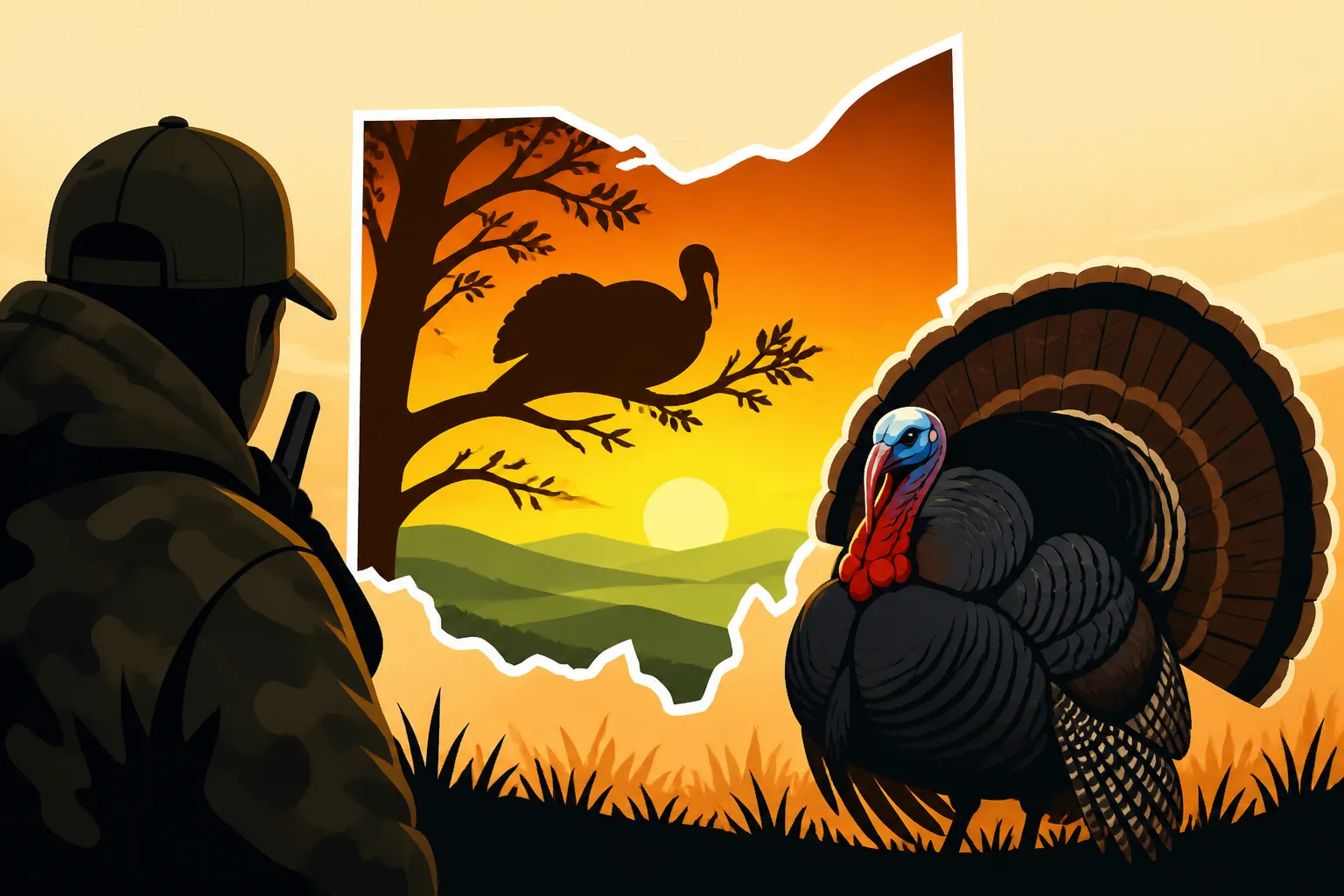
There’s a certain magic to knowing exactly where a gobbler is going to be when the world wakes up. Unlike deer, which can bed down almost anywhere, turkeys have a specific routine that makes them vulnerable to a well-planned roost hunt. It’s all about exploiting their predictability and those crucial low-light hours.
The Predictable Nature of Turkeys
Turkeys aren't like some other game animals that might bed in a different spot every night. Generally, they prefer to fly up to the highest branches of large, sturdy trees to roost, seeking safety from ground predators like coyotes and raccoons. This isn't just a random act; it's a deeply ingrained survival instinct. They'll often use the same general areas, or even the same specific trees, for days or even weeks on end, especially if they feel secure. This consistency is the cornerstone of successful roost hunting.
Think about it: a gobbler sounds off from his perch, and he's not going anywhere until he flies down. That gives you a precious window of opportunity to slip in quietly, get into position, and be ready to call to him the moment his feet hit the ground, or even before. It eliminates a lot of the guesswork and frantic maneuvering that often happens when you're just trying to locate a bird after he's already on the move. Knowing where he is going to start his day is a massive advantage.
Capitalizing on Low-Light Conditions
Those moments right before dawn and just after sunset are prime time for roost hunting. Turkeys have excellent eyesight, but like us, they struggle in the dark. This diminished visibility is your friend. It allows you to move into position with a much lower risk of being spotted than during broad daylight. The sounds of nature — the chirping crickets, the rustle of leaves in a light breeze, the distant hoot of an owl — all help to mask your approach.
During the pre-dawn hours, a gobbler on the roost is focused on his surroundings, sure, but he's also somewhat vulnerable. He's not yet on high alert for danger from above or at his eye level on the ground. As soon as there's enough light to see clearly, however, their senses go into overdrive, and they become incredibly wary. That narrow window of low light is when you need to be settled, silent, and ready for action. It’s about leveraging the elements to your advantage, slipping in like a shadow while the world is still in slumber.
Ohio's Diverse Roosting Habitats
Ohio might be known for its farmlands, but it also boasts incredibly diverse terrain, from the sprawling hardwoods of the Appalachian foothills to fragmented woodlots and riparian corridors along rivers and creeks. Each of these habitats offers different types of roosting opportunities for wild turkeys. In the southeastern part of the state, for example, you'll find birds roosting in towering oaks and hickories along steep ridges and deep hollows, often near water sources. This rugged terrain provides excellent natural cover for hunters to use for their approach.
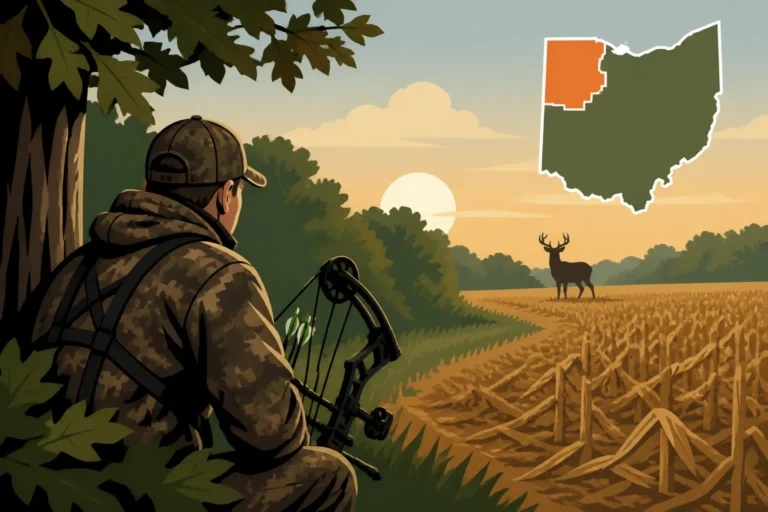
Conversely, in the flatter, more agricultural regions of northwestern Ohio, turkeys might be roosting in isolated timber pockets, along fencerows with mature trees, or in creek bottom hardwoods that offer some elevation and cover in an otherwise open landscape. Understanding these local nuances is key. A bird roosting in a massive oak on a ridgetop in Wayne National Forest will require a different approach than one tucked into a small patch of timber surrounded by cornfields near Killdeer Plains Wildlife Area. Recognizing these patterns, often through diligent scouting, helps you anticipate their movements and plan your setup. You can learn more about specific tactics for different regions by checking out guides like Hunting Northwest Ohio Farmland Deer It's not just for deer, similar principles apply to understanding the landscape for turkeys!
Scouting for Roosting Birds: Before and During the Season
You can't effectively roost hunt if you don't know where the birds are roosting. This isn't a strategy you can pull off by just showing up on opening morning and hoping for the best. It demands dedicated reconnaissance, often weeks or even months before the season opens, and certainly in the days leading up to your hunt.
Pre-Season Aerial Map Reconnaissance
Before you even step foot in the woods, the best scouting often starts from the comfort of your home, glued to an aerial map. Tools like GoHunt (or other digital mapping apps) are indispensable here. Look for significant terrain features that turkeys favor for roosting: tall timber, especially mature hardwoods like oaks, sycamores, and cottonwoods, often situated near water or on prominent ridges. You'll want to identify potential roost zones – areas with good canopy cover, strong anchor trees, and a clear flight path in and out.
When you're studying those maps on GoHunt, pay close attention to elevation changes, even subtle ones. Turkeys often prefer to roost on high ground or where a creek cuts a deep ravine, offering a sense of security. Look for fingers of timber extending into open fields or narrow draws that could funnel birds. These are potential travel corridors they'll use both to fly up to roost and when they come down in the morning. Identifying these spots digitally saves you countless miles of walking and narrows down your in-field scouting efforts dramatically.
Listening for Gobbles at Dusk and Dawn
Once you've identified potential roosting areas on your maps, it's time to hit the field. The most effective way to pinpoint actual roost trees is by using your ears. Drive or walk to strategic listening points, ideally elevated areas, about an hour before dark and again an hour before dawn. Use locator calls, such as an owl hooter, a crow call, or even a coyote howl, to try and illicit a shock gobble from a bird that's on the roost or about to fly up. This isn't about calling them in to hunt yet; it's purely about location.
When you hear that booming gobble, mark it precisely on your GoHunt app. Listen for multiple birds. Note the direction, how loud it is, and whether it sounds like it's coming from high up in a tree or already on the ground. Repeat this process over several evenings and mornings if possible. You'll start to see patterns emerge – birds consistently gobbling from the same cluster of trees, or perhaps moving between a few preferred roost sites. This intel is golden. For more tips on pinpointing birds, check out Calling an Ohio Gobbler Off the Roost
Locating Sign Around Potential Roost Sites
While listening for gobblers is critical, visual scouting for sign provides confirmation. Once you've heard birds in a particular area, sneak in during the middle of the day (when turkeys are likely elsewhere feeding) to look for physical evidence of roosting activity. Droppings are a dead giveaway. Turkey droppings under a roost tree will be numerous and often distinct: male droppings are J-shaped, while hens' are more spiral or blob-like. You might also find shed feathers, especially large primary wing feathers, scattered around the base of preferred roost trees.
Look for disturbed leaves or debris directly below the branches where turkeys are likely perching. Sometimes, if the trees are old and have bark issues, you might even see fresh scratch marks on the trunk from where they flew up or down. Pay attention to worn paths or tracks leading to and from these areas, indicating common travel routes. These signs tell you that birds are actively using these spots, providing a deeper understanding of their movements and confirming your auditory intel. This ground truth is invaluable for planning your approach for the actual hunt.
The Evening Roost Hunt: Putting Gobblers to Bed
The "evening roost hunt" isn't about harvesting a bird that night; it's about meticulously setting the stage for a successful morning hunt. This critical phase involves carefully locating where birds settle in for the night, then backing out quietly without alerting them.
Timing Your Approach and Silence is Golden
Approaching a potential roost site in the evening requires extreme caution and impeccable timing. You want to get close enough to hear them fly up and gobble, but not so close that you risk bumping them. Plan to be in your listening position about an hour before dark. This allows you to settle in, let the woods calm down, and be present as the birds begin their pre-roosting vocalizations. Think of it as a delicate dance: you're trying to gather information without being detected.
Silence is your absolute best friend. Every twig snap, every rustle of your clothes, carries far in the quiet evening air. Walk slowly, pick up your feet, and avoid anything that could create unnatural noise. If you're on public land like one of the Ohio Wildlife Areas, be mindful of other hunters, but prioritize your stealth. If a bird gobbles close by, freeze. Wait until the next gobble, or until you have enough natural cover, to make your next move. The goal is to be a ghost, collecting intel without ever revealing your presence.
Using Locator Calls to Pinpoint Roosts
Once you're in position, strategically using locator calls can confirm the turkeys' exact whereabouts. As mentioned before, owl hoots and crow calls are excellent for this. Start with a soft hoot or crow caw; sometimes less is more. Listen intently for a shock gobble in response. If you don't hear anything, try a slightly louder call, but don't overdo it. The goal is to get a reaction, not to call the bird to you.
As it gets darker, turkeys will often gobble naturally right before they fly up to roost, and sometimes even after they've settled onto a branch. These "tree yelps" and "fly-up cackles" are also key indicators. The sound of their heavy wings beating as they fly up to a branch is unmistakable. Once you hear that, and especially if you hear a final "goodnight" gobble, you've got them precisely located. Mark this spot mentally and on your mapping app. It’s imperative to resist the urge to get too close or make any further noise once they’re on the limb.
Setting Up for the Morning Hunt
Once you've confirmed a gobbler's roost tree, the most critical step of the evening roost hunt is to back out silently and plan your morning setup. This involves visualizing your approach in the pre-dawn darkness and identifying a prime spot for your ambush. You want to pick a location that's relatively close to the roost tree (within 100-150 yards usually), offers good cover, and is on the likely fly-down path. Think about setting up against a large tree, a thick brush pile, or even using a ground blind if the terrain allows. The key is to be concealed from multiple angles.
Consider the terrain between you and the roost. Are there ditches, creek beds, or subtle rises you can use for cover on your dark approach? Where will the bird likely fly down? Often, turkeys will fly down in the direction they roosted from or towards an open area where they can land safely and strut. Mark your chosen setup spot on your GoHunt app. This preparation ensures that when you return in the morning, you're not fumbling around in the dark, but confidently walking to a pre-determined, advantageous position. This diligent planning significantly increases your chances of success during the main event. You can often find success by Setting Up Against a Big Oak.
The Morning Roost Hunt: The Moment of Truth
This is what all that evening scouting and pre-dawn planning leads to. The morning roost hunt is a high-stakes game where every move counts. Getting into position, choosing the right setup, and executing your calling strategy can make or break your hunt.
Stealthy Entry in the Dark
The alarm clock goes off what feels like way too early, but you know it’s worth it. Your morning entry to your pre-scouted setup needs to be even more meticulous than your evening exit. You need to be in position at least an hour before fly-down, ideally earlier, allowing enough time for any woods critters to settle back down after your disturbance. That means navigating in complete darkness, which can be disorienting, even with GPS. This is where those clear waypoints on your GoHunt app truly shine.
Walk slowly, picking your steps. Use a very dim headlamp, pointed at your feet, only when absolutely necessary, and try to keep it off as much as possible to preserve your night vision and prevent flashing light around. You're trying to arrive without alerting a single squirrel, much less a sharp-eyed gobbler. Avoid silhouetting yourself on ridge tops or against the sky. Your goal is to melt into the shadows, a barely perceptible presence, long before the first hint of gray light appears in the eastern sky. The quieter you are on your approach, the more confident the birds will be.
Optimal Setups Near the Roost Tree
Once you reach your pre-determined setup spot, get comfortable and absolutely motionless. You want to be within a comfortable shooting range of where you expect the gobbler to land, typically 40 yards or less, but far enough not to spook him when he flies off the limb. Position yourself so you have good visibility in the likely fly-down area, but also excellent back cover to break up your outline. A big oak, a fallen log, or a thick cluster of evergreens can be perfect. Think about the angles: can the bird see you as he flies down? Can he spot you if he walks off his landing zone?
Anticipate the turkey's likely path once he hits the ground. Often, he’ll fly down and immediately begin strutting and gobbling, looking for hens. Set up so he has to walk past you or towards you to reach an open strutting zone or a perceived hen. If possible, put a natural barrier like a fence, a creek, or a thicket between you and the roost tree. This might subtly funnel the bird into your shooting lane and offers an extra layer of security against him detecting you too early. For an in-depth look at optimal setups, consider Treestand Setups in Appalachian Ohio Hardwoods or Using a Ground Blind on Ohio Public Land. Even if you're not using a treestand or ground blind, the principles of concealment and shot lanes are identical.
Calling Strategies for Fly-Down
The moment the woods begin to lighten, the show starts. Gobblers will often start sounding off from the limb, sometimes a lone bird, sometimes a chorus. Resist the urge to call too aggressively right away. A soft tree yelp or two, mimicking a hen still on the roost, is often all you need. You want to reassure him there are hens nearby, but not overdo it. As the light increases, he’ll get antsy. Listen for his wing beats as he prepares to fly down.
Once he hits the ground, that's when you can increase the intensity of your calling. A series of soft yelps, clucks, and purrs, sounding like a contented hen, can be irresistible. He’s looking for love, and you're offering it. If he hangs up, consider a subtle move. Sometimes a little bit of soft cutting or even some aggressive clucks can make him commit. Decoy placement, if you're using them, is also crucial here. Position them where the gobbler can see them, but not so close that he might spot you as he approaches. Just remember, your ultimate goal is to get him within shotgun range, not to call him all the way to your lap. Patience and subtle calling often win the day over aggressive hen talk.
Common Challenges and Troubleshooting
Even with the best scouting and setup, turkey hunting can throw curveballs. Ohio's turkeys are often pressured, especially on public land, and weather can change your plans in an instant. Being able to adapt is crucial.
Dealing with Off-Roost Gobblers
It happens: you scouted a bird, heard him gobble on the roost the night before, set up perfectly, and come morning… silence. Or worse, he gobbles once or twice, flies down, and immediately goes the opposite direction of your setup, often called "off-roost." This is one of the most frustrating scenarios in turkey hunting. It can be due to a number of factors: he might have hens already on the roost with him, he might have been bumped earlier by another hunter or a predator, or he might just be a notoriously difficult bird.
When this happens, don't give up. Instead, switch to a "run-and-gun" approach. Pack up quickly and move stealthily, trying to get ahead of where you think he might be heading. Use more aggressive locator calls to try and get him to gobble again. If you're on a ridgetop and he flew down into a hollow, try to circle around and get on the same level as him or slightly above him if possible. Listen for distant gobbling. Sometimes, you can cut off an off-roost bird by predicting his travel path towards a feeding area or strut zone. It takes hustle, but it can turn a bust into a success. Check out Run-and-Gun Turkey Tactics on Public Land for more ideas.
Handling Pressure and Other Hunters
Ohio's public lands, especially popular spots within the Shawnee State Forest or the larger Ohio Wildlife Areas, can see significant hunting pressure during the spring turkey season. It's a reality we all face. You might arrive at your pre-scouted spot only to find another truck already parked, or worse, hear another hunter's calls too close to your roosted bird. This can be incredibly disheartening, but it's part of hunting in a popular state.
When encountering pressure, the best thing to do is remain calm and adapt. If you hear someone else actively working your bird, back out quietly and find another spot you've scouted. If your primary spot is taken, consider heading deeper into less accessible areas that other hunters might overlook. Often, simply walking an extra half-mile can get you away from the crowds. Alternatively, focus on smaller, overlooked woodlots or seek permission on private land, which often sees less pressure. Sometimes, being a little later to a spot on a high-pressure day, after others have moved through, can also surprisingly yield results with a gobbler that's become "lonely."
Adapting to Weather Changes
Ohio weather, particularly in spring, is notoriously fickle. One day it's sunny and mild, the next it's pouring rain and cold. These changes can significantly impact turkey behavior and your hunting strategy. Rain and wind, especially, can make gobblers less vocal and less inclined to leave their roosts or strut aggressively. High winds make it difficult to hear distant gobblers and for turkeys to hear your calls.
If rain is in the forecast, remember that turkeys often seek cover. Look for dense conifer stands or thick hardwoods that offer some protection from the elements. They might also be more inclined to gobble from the roost and stay put longer before fly-down. On windy days, you'll need to get much closer to hear them and for them to hear you. Use louder, more aggressive calls, but also be aware that the wind will carry your scent more easily. Being prepared with good rain gear and warm layers (check out Clothing for an Ohio Late Season) will keep you comfortable and focused, allowing you to adapt to whatever Mother Nature throws at you.
Essential Gear for Ohio Roost Hunting
Having the right tools for the job can make all the difference, especially when you're trying to execute a stealthy, precise roost hunt in Ohio's varied terrain. From navigation to calling, your gear should support your strategy.
Optics and Navigation Tools
In the low-light world of roost hunting, good optics are not just a luxury; they're a necessity. A quality pair of binoculars, perhaps 8×42 or 10×42, can help you scan roost trees for birds just as light begins to break, or verify that a shadow is indeed a turkey on the limb. Look for optics with good low-light performance, as those crucial minutes around dawn and dusk are when they'll see the most use. A rangefinder is also incredibly useful for knowing your exact distance to a potential roost tree or fly-down zone, allowing you to set up precisely within your effective shooting range.
For navigation, a reliable GPS unit or a smartphone with a robust mapping app like GoHunt is absolutely paramount. You’ll be moving in the dark, often through unfamiliar territory, and knowing your exact location, your waypoints for the roost tree, and your chosen setup spot is non-negotiable for safety and efficiency. Download offline maps for areas with poor cell service, which is common in many of Ohio's more remote public lands. This ensures you can always find your way to and from your target area without getting lost.
Calls and Decoys
When it comes to calls, a diverse arsenal gives you options. For locator calls, an owl hooter and a crow call are essential. They often illicit shock gobblers without alerting the bird to your true intentions as a hunter. For actual calling to a roosted bird, a good friction call (slate or pot call) and a mouth call (diaphragm call) are key. The friction call offers realistic, soft clucks and yelps, while the mouth call allows for hands-free operation once you’re set up and ready to shoot. Knowing when and how to use these calls is an art form. You can get a deeper dive into these tools with Turkey Calls Worth Carrying in Ohio.
Decoys can be highly effective, especially for drawing a wary gobbler that hangs up just out of range. A single hen decoy, or a combination of a hen and a jake decoy, can present a visual cue that is hard for a gobbler to resist. Place them where they are visible from the roost, and slightly off to the side of your shooting lane, so the approaching gobbler focuses on the decoy rather than your position. However, be mindful of hunting pressure; in heavily hunted areas, sometimes decoys can spook birds that have become wary of them. Using more subtle or less realistic decoys might be the ticket in such situations. For insights on this, read Turkey Decoys That Work on Pressured Birds.
Clothing and Comfort
Roost hunting means being out in the elements before dawn and staying still for extended periods. Layered clothing is crucial for adapting to Ohio's unpredictable spring temperatures. Start with a good moisture-wicking base layer, add insulating layers like fleece or wool, and top it off with a waterproof and windproof outer layer in a good camouflage pattern. This allows you to shed or add layers as the morning progresses and temperatures rise.
Don't forget comfortable, waterproof boots that can handle damp woods, mud, and potentially cold creek crossings. A good pair of gloves and a face mask are also essential for breaking up your human outline and keeping you concealed. Finally, a comfortable turkey vest or a small pack with a built-in seat cushion will make those long, motionless waits much more bearable. Being comfortable allows you to stay focused and still, which is arguably one of the most important aspects of successfully closing the distance on a savvy Ohio gobbler.
Disclaimer
Hunting is an inherently dangerous activity. Always prioritize safety, adhere to all Ohio Department of Natural Resources regulations, and obtain proper licenses and permits before heading into the field. This guide is for informational purposes only and does not replace professional instruction or local regulations.