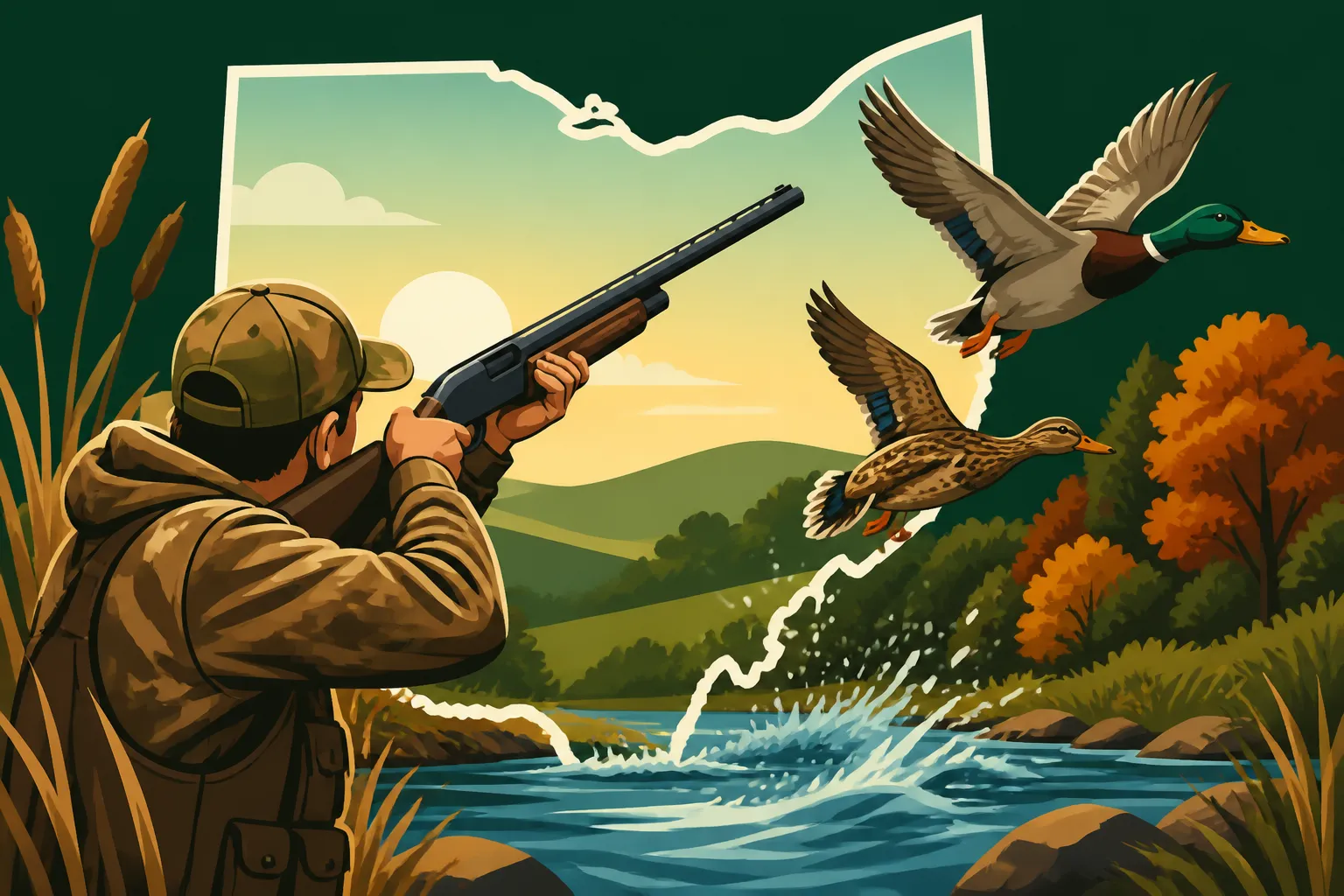
Jump-Shooting an Ohio Creek
There’s nothing quite like the rush of jump-shooting an Ohio creek. Many hunters think of duck hunting as exclusively a blind-and-decoy affair on big water like Lake Erie or vast inland marshes. But for those who love to stay mobile, cover ground, and embrace a more spontaneous form of hunting, the winding creeks and small rivers across Ohio offer an exhilarating, albeit challenging, alternative. It's a game of stealth, quick reflexes, and knowing your waterways, and it can certainly lead to moments of frustration when birds bust before you even get a shot off, but the rewards are truly something special. This guide is here to walk you through everything you need to know to successfully jump-shoot Ohio's diverse creek systems.
The Allure of Jump-Shooting Ohio Creeks
Jump-shooting is a whole different animal compared to traditional waterfowl hunting. It strips away much of the elaborate setup and reliance on static positions, forcing you to become an active participant in the landscape. It's often misunderstood, or perhaps seen as a less "serious" form of duck hunting, but I can tell you from experience, it requires a unique blend of woodsmanship and watercraft. The excitement of rounding a bend and suddenly having a flock of mallards erupt in front of you is a thrill that keeps many of us coming back.
What Exactly is Jump-Shooting Waterfowl?
At its heart, jump-shooting is simply walking along a waterway – a creek, river, or even a ditch – and surprising waterfowl that are loafing or feeding in hidden pockets. Instead of waiting for birds to fly to your decoys, you're actively seeking them out. You're using the terrain, the vegetation, and your own stealth to get close enough for a shot before they flush. It’s a very active form of hunting, often involving a lot of walking, wading, and navigating brush and obstacles. The specific challenges include the element of surprise, the need for quick target acquisition, and the constant awareness of your surroundings. The rewards, though, are immense: the satisfaction of outsmarting wary birds on their own terms, and often, the opportunity to harvest ducks that might never see a decoy spread. It's a raw, visceral experience that connects you deeply with the natural flow of the hunt.
Why Creeks, Not Just Big Water, Are Prime
While big water like the expansive Lake Erie marshes or large reservoirs certainly holds plenty of waterfowl, creeks offer something entirely different and equally productive. For starters, smaller waterways provide abundant cover. Ducks and geese often seek out these narrow, winding channels to escape hunting pressure on larger bodies of water, especially after the initial boom of the season. They find quiet eddies, slow-moving sections, and brushy banks where they can feed and rest undisturbed. Think about those hidden pockets of calm water just off a main current, or the bends in a creek lined with fallen trees and dense cattails – these are magnets for ducks.
Furthermore, creeks can concentrate birds. Instead of being spread out over hundreds or thousands of acres, ducks on a creek are often funneled into narrower stretches, making them more predictable. This can be particularly true during migration or colder weather when open water starts to freeze, pushing birds into whatever flowing water remains. You might find a dozen mallards hunkered down in a tiny, ice-free section that you'd easily overlook on a larger lake. The intimate scale of creek hunting means you're constantly engaged with the landscape, looking for subtle signs of bird activity rather than just scanning a vast expanse of water. This is a fantastic way to experience Ohio waterfowl hunting on a much more personal level. You're exploring nooks and crannies that other hunters often ignore, finding birds in places many wouldn't even consider. For some great insights into hunting these types of areas, take a look at our guide on Hunting the Ohio River Backwaters.
Finding Your Feathered Quarry: Scouting Ohio's Waterways
The key to successful jump-shooting, more than any other waterfowl method, lies in diligent scouting. You can't just show up to any creek and expect to find birds. You need to understand the water, the habitat, and how waterfowl use it. This isn't about finding a hot spot and setting up a permanent blind; it's about identifying dynamic opportunities that change with the weather, water levels, and hunting pressure. You’re essentially playing detective, looking for clues that will lead you to a productive stretch of water.
Reading the Water: Identifying Productive Creek Sections
When you're scouting, you need to think like a duck. What makes a section of a creek attractive?
- Cover and Security: Ducks want to feel safe. Look for stretches with dense bank vegetation – cattails, brush, downed trees, or undercut banks. These provide shelter from predators and human disturbance.
- Food Sources: Waterfowl are always looking for food. Creeks often have shallower edges where ducks can dabble for aquatic insects, seeds, or small invertebrates. Look for areas with slower current that allows vegetation to grow, or where agricultural fields might be nearby, providing grain runoff.
- Slow Water and Eddies: Fast-moving current isn't ideal for loafing or feeding. Ducks prefer calmer water. Target inside bends where the current slows, oxbows, back channels, or any natural eddy that offers a peaceful refuge. These spots are often slightly deeper and provide a sense of security.
- Obstructions: Fallen trees, log jams, or rock piles can create natural breaks in the current and offer protection. Ducks will often tuck in right against these features.
- Telltale Signs: Keep an eye out for fresh droppings on logs or banks, feathers floating in the water, or "duck rubs" where birds have preened on the shore. These are undeniable signs that birds are using the area. A slight disturbance in the mud can indicate recent feeding activity.
Reconnaissance: Tools and Techniques for Effective Scouting
Modern technology has made scouting much more efficient, but old-fashioned legwork is still irreplaceable.
- Aerial Maps and Satellite Imagery: Start your scouting from home. Tools like GoHunt's mapping features (or similar mapping applications like onX Hunt) are invaluable for identifying promising stretches of creek. Look for areas where creeks meander, have dense riparian zones, or where they connect to larger water bodies or agricultural fields. These maps can help you pinpoint potential access points and identify sections that might be too thick to navigate. Remember, even if a creek looks small on a map, it can hold surprising numbers of birds. Our guide on Scouting With the Ohio HuntFish App can give you more tips on using digital tools.
- On-the-Ground Exploration: Nothing beats walking the creek bank (with permission, of course) or even wading parts of the creek when water levels are low. This allows you to see the details that satellite images miss – the exact height of the bank, the density of cover, the actual water depth, and potential obstacles. Pay attention to foot traffic and other signs of human activity; less pressure often means more birds.
- Local Knowledge: Talk to locals, farmers, or fellow hunters. They might offer insights into specific creek sections that consistently hold birds or warn you about areas that are heavily pressured or difficult to access.
- Water Levels and Flow: Check current water levels and recent rainfall. High, muddy water might make scouting difficult and push birds out, while stable, clearer water can be more productive. Understand that conditions can change rapidly.
- Identify Access Points: Since you'll be constantly moving, planning your entry and exit points is critical. Look for bridges, old logging roads, or public land access. Always be mindful of private property boundaries and ensure you have permission before stepping foot on someone else's land.
| Creek Feature | Why it Attracts Waterfowl | What to Look For |
|---|---|---|
| Dense Cover | Provides safety from predators and hunting pressure | Overhanging trees, thick brush, cattail stands, log jams |
| Slow Eddies/Bends | Calm water for resting, loafing, and easy feeding | Inside bends, oxbows, back channels, fallen tree pockets |
| Shallow Feeding Areas | Accessible aquatic vegetation, insects, and runoff food | Mud flats, gently sloping banks, nearby agricultural fields |
| Flowing Water | Stays ice-free longer in cold weather; aerates water | Any section of current during freezing temperatures |
| Obstructions | Creates breaks in current, offers shelter, visual barrier | Log jams, rock piles, bridge abutments |
Gear Up and Go: Essential Equipment for Creek Hunters
Jump-shooting requires a specific setup that prioritizes mobility, stealth, and protection from the elements. You won't be lugging a dozen decoys or a massive blind, but every piece of gear you do carry needs to be practical and effective. Investing in the right tools can make the difference between a miserable, wet day and a successful, comfortable hunt.
Shotgun and Ammunition Selection
For jump-shooting, reliability and quick handling are paramount.
- Shotgun Gauge: A 12-gauge shotgun is the most versatile choice, offering a good balance of power and pellet count. However, a 20-gauge can also be very effective and lighter to carry, which is a plus for long walks. The key is to be comfortable and proficient with your chosen firearm for fast, unexpected shots.
- Action Type: Pump-action and semi-automatic shotguns are both excellent. Semi-autos offer faster follow-up shots, which can be crucial when a flock jumps unexpectedly. Pump-actions are robust and reliable in all conditions.
- Barrel Length: A shorter barrel (24-26 inches) is often preferred for jump-shooting. It's easier to maneuver through thick brush, swings faster, and is less likely to snag on vegetation.
- Choke: A Modified or Improved Cylinder choke is generally a good all-around choice. Jump-shooting shots are often close-range, and a more open choke provides a wider, more forgiving pattern. If you expect longer shots on wary birds, a Light Modified or even a Full choke might be considered, but generally, close-quarters shots are the norm.
- Ammunition: You must use non-toxic shot for all waterfowl hunting in Ohio. Steel shot is the most common and affordable option. For ducks, 2-shot, 3-shot, or 4-shot are excellent choices. If you encounter geese, you might want to load up with BBB or BB shot for more knockdown power. Carry a variety if you can, but keep it light. Remember, effective patterns with non-toxic shot can differ from lead, so it's always a good idea to pattern your shotgun with your chosen loads before heading out. Our guide on Where Nontoxic Shot Is Required in Ohio provides more detail.
Dressing for Success: Waders, Layers, and Camouflage
Staying dry, warm, and camouflaged is critical for a successful and enjoyable jump-shooting experience.
- Waders: Chest waders are absolutely non-negotiable. You will be wading through water, mud, and crossing creeks. Neoprene waders offer excellent insulation for colder weather, while breathable waders are great for milder days or if you're doing a lot of hiking. Make sure they fit well and allow for comfortable movement. You'll thank yourself for having them when you need to retrieve a bird from a deep hole. To get more info on choosing the right waders, check out Waders for Ohio Marsh Hunting.
- Layering: Ohio weather can be unpredictable, especially during waterfowl season. Dress in layers that you can add or remove as needed. Start with moisture-wicking base layers, add insulating mid-layers like fleece or wool, and top it off with a waterproof and windproof outer shell. Our article on Layering for an Ohio Deer Stand offers principles that apply equally well to chilly creek banks.
- Camouflage: Blend in with the surroundings. A good marsh or timber camo pattern will help you melt into the creek bank vegetation. Pay attention to your face and hands; a face mask or paint and gloves can make a big difference in concealment.
- Boots: If your waders don't have integrated boots, ensure your separate boots are insulated and waterproof. Traction is also key for navigating muddy banks and slippery creek bottoms.
- Gloves: Waterproof, insulated gloves are essential to keep your hands warm and functional, especially when handling a cold shotgun or retrieving birds from icy water.
- Small Pack/Bag: A small, waterproof backpack or blind bag can carry your extra shells, water, snacks, license, and any harvested birds. Keep it light and streamline, as you’ll be moving constantly.
- Headwear: A warm, camouflaged hat is a must for warmth and concealment. A waterproof brimmed hat can also help keep rain off your face and keep sun glare out of your eyes.
Stealth and Strategy: Executing the Jump-Shoot
Once you’ve scouted your creek and geared up, it’s time for the actual hunt. This is where your woodsmanship, patience, and quick thinking really come into play. It's an active, engaging pursuit that demands constant attention to detail and an understanding of waterfowl behavior. Remember, every creek is different, and every day presents new challenges.
The Art of the Approach
This is the most critical part of jump-shooting. Your goal is to get as close as possible without being detected.
- Slow and Steady Wins the Race: Move deliberately and quietly. Avoid snapping twigs or splashing loudly. Think of yourself as part of the landscape, not an intruder. This means keeping your shotgun ready for a quick mount and shot.
- Use the Terrain to Your Advantage: Stick to the highest bank or use dense vegetation as a screen. Walk just out of sight, peeking over or around cover to scan the water ahead. Don't silhouette yourself against the sky. Natural breaks in the bank, like small rises or clumps of trees, are perfect for concealment.
- Wind and Sun: Always try to approach with the wind in your face. This helps muffle your sound and carries your scent away from the birds. If possible, keep the sun at your back so it's in the birds' eyes, making it harder for them to spot you.
- Round the Bends Carefully: Creek bends are prime ambush points. Approach them extremely slowly, crouching low and peeking around the corner as if you're a predator stalking prey. This is where most flushes will happen. Often, I’ll creep up, take a knee, and slowly raise my head just enough to scan the water ahead.
- Listen for Sounds: Before you even see them, you might hear the soft quacking of ducks, the splash of feeding, or the telltale flutter of wings as birds reposition. These sounds are huge clues to their presence.
- Be Prepared for a Quick Shot: Once birds flush, you'll have a narrow window for a shot. Practice mounting your shotgun smoothly and quickly. Focus on one bird, get on target, and swing through.
Safety First and Ethical Considerations
While the excitement is high, safety and ethical conduct are paramount.
- Gun Safety: Always follow the four primary rules of gun safety: treat every firearm as if it's loaded, never point a muzzle at anything you don't intend to shoot, keep your finger off the trigger until you're ready to shoot, and be sure of your target and what's beyond it. When navigating thick brush or obstacles, engage your safety.
- Target Identification: In the heat of the moment, it can be easy to lose focus. Clearly identify your target as legal game and make sure no other hunters, people, or dogs are in your line of fire. Know your Ohio Duck and Goose Bag Limits so you don't exceed them.
- Respect Private Property: Many creeks traverse private land. Always obtain permission from landowners before hunting. Even if a creek is navigable water, access from the bank may still require permission. Clearly understanding Ohio Trespass and Permission Law is vital. Ignorance is no excuse.
- Retrieve Wounded Birds: If you wound a bird, your absolute priority is to retrieve it. This might mean wading through cold, deep water or navigating difficult terrain. A good retriever dog is a huge asset for jump-shooting.
- Leave No Trace: Pack out everything you pack in, including spent shell casings. Leave the creek environment better than you found it.
Navigating Ohio's Waterfowl Regulations
Ohio has specific regulations for waterfowl hunting, and it’s critical to know them inside and out.
- Hunting License and Permits: You'll need a valid Ohio hunting license, an Ohio Wetlands Habitat Stamp, and a Federal Migratory Bird Hunting and Conservation Stamp (Federal Duck Stamp). You also need to register with the Harvest Information Program (HIP). You can find information about these requirements in our post on Ohio Migratory Bird Certification and Ohio Hunting Licenses and What They Cost.
- Season Dates and Bag Limits: Waterfowl seasons vary by zone and species. Ohio operates under a new waterfowl zone map, so be sure to consult the most current regulations for your specific hunting area. Our article on Ohio's New Waterfowl Zone Map can help clarify this. Know the daily bag limits and possession limits for each species you might encounter.
- Legal Shooting Hours: Waterfowl can only be hunted from one half-hour before sunrise to sunset. Keep a reliable timepiece and know the precise sunrise and sunset times for your location. Check out Ohio Legal Shooting Hours for more details.
- Firearm Restrictions: Understand legal firearms for waterfowl, which typically means shotguns 10-gauge or smaller, incapable of holding more than three shells (plugged).
- Carcass Tagging and Transport: While not as strict as deer, be aware of any requirements for transporting migratory birds, especially across state lines.
Always double-check the current Ohio Department of Natural Resources (ODNR) hunting regulations annually, as they can change. Being informed is a key part of being a responsible hunter.
Disclaimer
Please note: Hunting regulations and conditions can change. Always consult the latest official Ohio Department of Natural Resources (ODNR) hunting regulations and local laws before planning any hunting trip. This guide is for informational purposes only and does not supersede official regulations. Safety should always be your top priority in the field.