Waders for Ohio Marsh Hunting
There’s nothing quite like the crisp air of an Ohio marsh at dawn, the sound of wings overhead, and the promise of a successful waterfowl hunt. But that magical scene can quickly turn into a miserable ordeal if you're not properly equipped, especially when it comes to staying dry and warm in the notoriously cold, mucky, and often icy waters of our state's wetlands. This guide is here to walk you through everything you need to know about choosing the perfect waders to conquer Ohio's diverse marsh hunting environments, ensuring your focus stays on the birds, not on your shivering feet.
Understanding Ohio's Marsh Hunting Environment
Ohio offers a fantastic variety of waterfowl hunting experiences, from the vast expanse of Lake Erie's marshes to smaller, more secluded inland wetlands and river backwaters. Each of these environments presents its own unique set of challenges, particularly when it comes to navigating the water and mud. A wader that might be perfect for a shallow, early-season creek can leave you soaked and miserable when trying to push through ice and deep muck in late December on the shores of Lake Erie. Understanding these differences is the first step in selecting the right gear.
Types of Ohio Marshes and Their Demands
Ohio's waterfowl landscape is more varied than many realize, and each type of marsh habitat truly dictates the kind of waders you'll need. Think about the difference between setting decoys in the Maumee Bay versus a quiet oxbow lake in southern Ohio.
When you're out on the big water of the Lake Erie marsh zone, especially areas like the famous Magee Marsh or even smaller public access points, you're often dealing with substantial depths and significant mud. The bottom can be incredibly soft and grabby, pulling at your boots with every step. You might be breaking skim ice in November, or pushing through several inches of hard ice in January, requiring serious durability and puncture resistance. Wind is a constant factor here, driving cold water and chilling you to the bone. You need waders that offer maximum protection, robust construction, and excellent insulation against the relentless cold. The sheer scale of these marshes means you might be walking long distances through varying depths, so comfort and fit are paramount to prevent chafing and fatigue. A misstep in these conditions can mean quickly going deeper than anticipated, making high chest waders an absolute necessity.
Contrast this with hunting inland marshes and smaller wetlands, perhaps a wildlife area like Killdeer Plains or Big Island, or even a local farm pond. Here, the water might be shallower on average, but pockets of deep mud are still common. Vegetation is often denser, requiring you to push through cattails, phragmites, and submerged brush. Punctures from sharp sticks or frozen reeds are a real concern. While the wind might not be as biting as on Lake Erie, still mornings can be deceptively cold, and if you're standing in stagnant water, that cold can seep right into your bones. The terrain underfoot can be uneven, with hidden roots, rocks, and sudden drops. For these areas, while depth might not be as extreme, durability against snags and reliable insulation are still critical. Mobility, especially if you're practicing Run-and-Gun Turkey Tactics on Public Land in a different season, is always key.
Then there are the river backwaters and floodplains, like those found along the Muskingum or Ohio River. These areas are characterized by fluctuating water levels, potentially swift currents in channels, and often a bottom composed of silt, sand, and submerged timber. Snags are extremely common, and a fast-moving current can make footing tricky. The water temperature can vary more quickly here, influenced by recent rainfall. You might be crossing shallow stretches to set up on a sandbar, only to find yourself wading through chest-deep water to retrieve a downed bird. This environment demands waders that are not only tough but also provide good balance and traction, as slipping on slick rocks or logs is a constant hazard. The specific challenges of each locale emphasize that a one-size-fits-all approach to waders simply won't cut it for the dedicated Ohio waterfowl hunter.
Seasonal Water Conditions and Temperatures
Ohio’s hunting seasons span a wide range of temperatures and conditions, from the relatively mild early fall to the brutally cold depths of winter. Your waders need to perform across this entire spectrum.
In the early part of the season, say September or early October, when the migratory birds are just starting to trickle in and local populations are active, the water might still feel almost pleasant. Air temperatures could be in the 50s or 60s, and you might even have a sunny day where you feel overheated if your waders are too heavily insulated. During this time, the primary concerns are staying dry, especially in shallow creeks or sloughs, and having good mobility to get to your hunting spot. Water depths are usually manageable, and ice isn't a factor. For these conditions, breathable waders can be a godsend, preventing you from sweating excessively during long walks to and from your blind or Layout Blind Hunting Ohio Farm Fields. However, even in early season, the water can be colder than the air, so a light layer of insulation is often still appreciated.
As the season progresses into late October and November, when the big push of ducks and geese begins, conditions rapidly change. Water temperatures plummet, often dropping into the 40s and even 30s. Air temperatures are consistently cold, and overnight freezes become common, leading to skim ice or even thicker ice forming in protected areas. This is when adequate insulation becomes absolutely non-negotiable. You'll be standing still for long periods, often up to your waist, and the cold will quickly leach heat from your body if your waders aren't up to the task. Pushing through ice demands a robust exterior material that won't crack or tear easily. If you're hunting in locations like the Lake Erie marsh zone, the wind chill on top of the cold water can make it feel even colder, necessitating extreme warmth. Duck Migration Timing Through Ohio greatly influences these seasonal demands.
By December and January, Ohio is fully entrenched in winter. Ice becomes a major factor, often requiring hunters to break through significant layers to set decoys or retrieve birds. Water temperatures can hover just above freezing, and air temperatures are frequently below zero with wind. This is the realm of heavily insulated waders, designed for extreme cold. You need maximum thermal protection in the boots and throughout the body of the waders. Durability against ice abrasion is critical, as is reliable waterproofing. A good pair of winter waders for Diver Hunting on Open Lake Erie Water or Waders for Cattail Marsh Hunting can mean the difference between enjoying a late-season hunt and packing it in early due to frozen feet and numb legs. Consider how the internal platform on GoHunt can offer gear reviews that often specify performance in these exact challenging conditions, helping you filter for top-performing options.
Key Wader Features for Ohio Hunters
When you’re staring down a wall of waders at the store or browsing online, it can feel overwhelming. What truly matters for an Ohio waterfowl hunter? Beyond simply keeping water out, there are several key features that will make or break your experience in the field. Prioritizing material, insulation, and boot style based on the specific conditions you anticipate will lead you to the right choice.
Material Choices: Neoprene, Breathable, and Hybrids
The material of your waders is the foundation of their performance, directly impacting warmth, durability, and breathability. Each type has its pros and cons, and the best choice often depends on the specific hunting conditions and your personal preferences.
Neoprene waders are probably what most people picture when they think of duck hunting. They are made from a synthetic rubber material, much like a wetsuit, which provides excellent insulation and inherent waterproofing. The thickness of neoprene is measured in millimeters (mm), typically ranging from 3.5mm for moderate conditions to 5mm or even 7mm for extreme cold. The thicker the neoprene, the warmer it is, but also the bulkier and less flexible. For Ohio's colder late-season hunts, especially in December and January when you’re standing in near-freezing water for hours, 5mm neoprene is a popular choice, and sometimes 7mm for those truly brutal days. Neoprene offers good puncture resistance, which is vital when pushing through brush or navigating fields with stubble, as it tends to stretch and recover better than some other materials. However, neoprene doesn't breathe. This means any sweat you generate during a long walk to your spot will stay trapped inside, leading to a clammy feeling and potentially making you colder once you stop moving. This is why layering properly underneath is so crucial with neoprene.
Breathable waders are constructed from multi-layered synthetic fabrics, often with a waterproof membrane like Gore-Tex or similar proprietary technologies. These fabrics are designed to allow moisture vapor (sweat) to escape while preventing liquid water from entering. This makes them incredibly comfortable for active hunting, warmer weather, or long hikes to remote spots. In Ohio, breathable waders are fantastic for early-season hunts when temperatures are milder, or for hunters who do a lot of walking or packing in gear. They are much lighter and less bulky than neoprene, offering superior mobility. However, breathable waders offer minimal inherent insulation. You must layer appropriately underneath them to stay warm in cold water, often requiring heavy fleece or wool base layers and mid-layers. While modern breathable waders are much more durable than early versions, they can still be more susceptible to punctures and tears than thick neoprene, especially when faced with sharp ice or thorny brush. Many brands that cater to the serious hunter, often featured on platforms like GoHunt, offer robust breathable options with reinforced knees and seat for added durability.
Hybrid waders attempt to combine the best of both worlds. These waders might feature a breathable upper for comfort and mobility, combined with a neoprene lower or boot for added warmth and durability where it’s most needed. Some hybrids use strategic neoprene panels in high-wear areas or where maximum insulation is required around the core, while the rest remains breathable. These can be an excellent compromise for Ohio hunters who experience a wide range of conditions throughout the season and want a versatile option. They offer a balance of warmth, mobility, and breathability, allowing you to adapt your layering system to suit the specific day's weather. The key with hybrids is to understand where the different materials are placed and how that impacts the wader's overall performance.
Insulation Levels for Varying Temperatures
Beyond the wader material itself, the level of insulation, particularly in the boots, is a critical factor for comfort and safety in Ohio's chilly waters. Your feet are often the first part of your body to get cold, and once they do, the rest of you quickly follows.
For early to mid-season hunting (October through early November), when water temperatures are cool but not yet frigid, waders with moderate insulation are usually sufficient. If you opt for neoprene waders, 3.5mm or 5mm thickness will provide a good amount of warmth. For breathable waders, you’ll be relying almost entirely on your layering system. In the boots, around 800 to 1,000 grams of Thinsulate or similar insulation is a good starting point. This provides enough warmth for standing in cool water for a few hours without causing your feet to overheat during a moderate walk in. It’s a good balance for those crisp fall mornings that turn into mild afternoons.
As the season progresses into late November and December, and especially into the January muzzleloader and late-season duck hunts, you’re looking at serious cold. Water temperatures can hover just above freezing, and you might be standing in icy water or breaking through thin ice. This is where heavy insulation becomes absolutely essential. For neoprene waders, sticking with 5mm or even 7mm will provide the body warmth you need. In the boots, you should be looking for at least 1,200 grams, and preferably 1,600 grams or more, of insulation. Some specialized models even offer up to 2,000 grams. This level of insulation will keep your feet warm even after hours of standing still in icy water, which is paramount for enjoying the hunt. It's a trade-off, as heavily insulated boots can be bulkier and slightly less agile, but for late-season cold, the warmth is worth the minor sacrifice. Remember, cold feet can prematurely end an otherwise productive hunt, so don't skimp on insulation when the mercury drops. When considering options, you might even filter for specific insulation levels on a site like GoHunt to narrow down the best choices for Ohio's winter conditions.
Boot Styles and Sole Traction
The boots on your waders are just as important as the body, providing not only foot protection and warmth but also crucial traction in unpredictable marsh environments. There are two primary boot styles: bootfoot and stockingfoot.
Bootfoot waders have the boots permanently attached to the waders. This is the most common and often preferred style for waterfowl hunting in Ohio, and for good reason. The main advantage is convenience: you simply step into them, pull them up, and you're ready to go. There’s no need to fumble with separate wading boots. This is particularly appealing on dark, cold mornings when you're trying to get dressed quickly. Bootfoot waders also tend to offer better insulation for your feet, as the integrated boot is often heavily insulated. The boots themselves are usually made of rubber or a durable synthetic, offering excellent waterproofing and often featuring aggressive tread patterns for traction. However, the downside is that you are stuck with the fit and style of the attached boot. If the boot doesn't fit perfectly or isn't comfortable for long walks, there’s no swapping it out. They can also be bulkier and heavier for packing.
Stockingfoot waders, on the other hand, only have a neoprene "sock" at the bottom. You then wear separate wading boots over these neoprene socks. The main advantage of stockingfoot waders is the superior fit and comfort you can achieve with dedicated wading boots, which often provide better ankle support and can be chosen to match your foot shape. This setup also allows you to choose specific boot tread patterns for different types of terrain, from felt soles (though these are often restricted in some areas due to invasive species concerns) to aggressive rubber lugs. While less common for Ohio duck hunters, this style might appeal to those who prioritize precise fit, extensive walking, or need maximum ankle support. The primary drawbacks are the added cost of separate boots and the extra step of putting them on. You also need to ensure your wading boots are adequately insulated for cold water use if you go this route, as many are designed for warmer-weather fishing.
Regardless of whether you choose bootfoot or stockingfoot, sole traction is non-negotiable in Ohio's marshes. You'll be navigating slick mud, submerged logs, icy patches, and rocky bottoms. Look for boots with aggressive, multi-directional lug patterns that can shed mud and grip well. Some boots incorporate features like cleat-ready designs or specialized rubber compounds for enhanced grip. Poor traction can lead to slips, falls, and potentially dangerous situations in deep water or icy conditions, not to mention the risk of losing balance when carrying gear or a harvested bird. Always prioritize robust, grippy soles that can handle the unpredictability of the marsh floor.
Wader Styles and Their Best Use Cases
The general "wader" category actually encompasses a few different styles, each suited for particular depths and situations. For waterfowl hunting in Ohio, especially given the varying water levels and terrain, choosing the right style for your anticipated conditions is crucial for both comfort and safety.
Chest Waders: The Ohio Marsh Standard
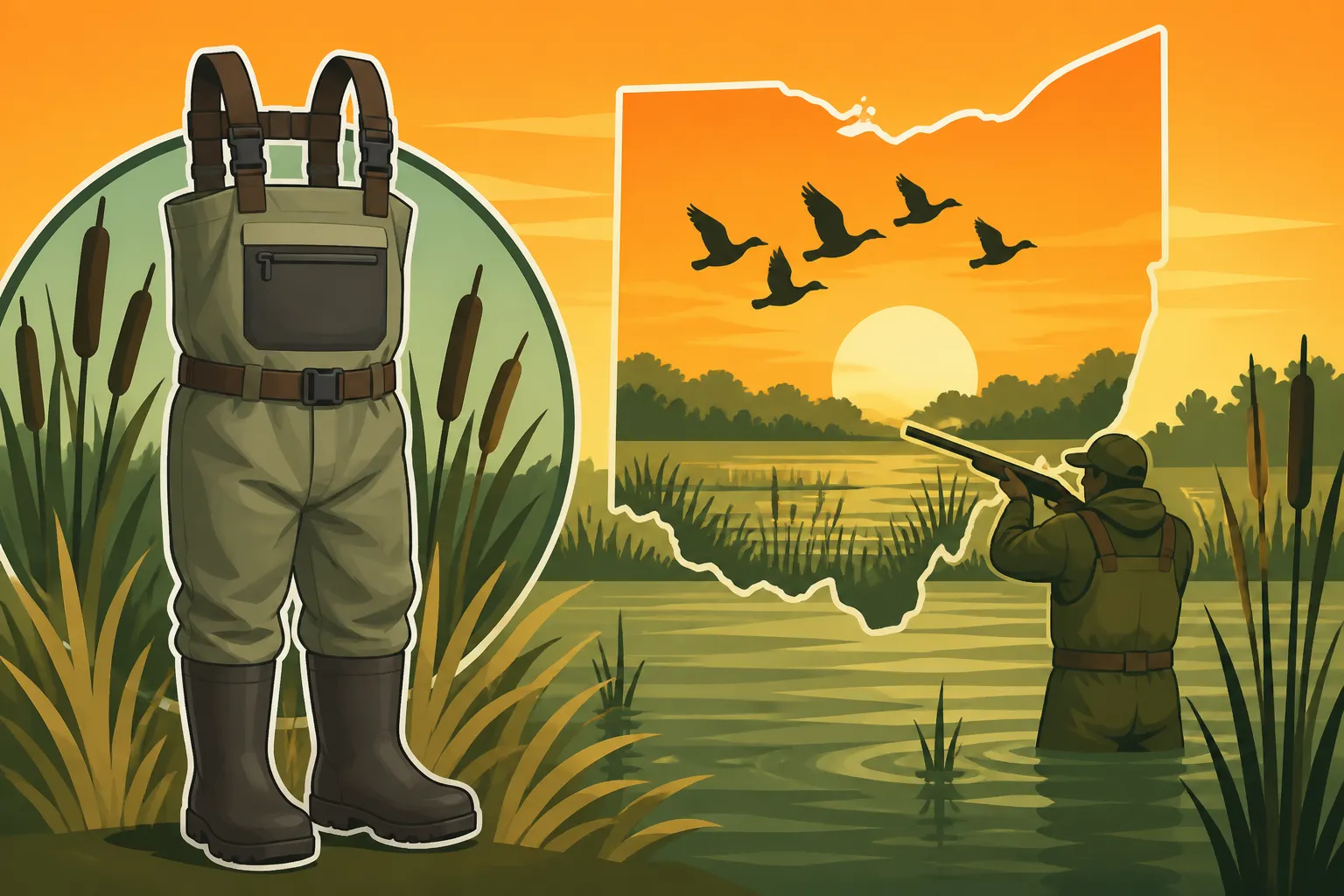
Without a doubt, chest waders are the workhorse and the undisputed standard for serious waterfowl hunting in Ohio. These waders extend all the way up to your chest, often with adjustable suspenders that go over your shoulders, keeping them secure. They provide the maximum amount of coverage, meaning you can comfortably wade into deeper water without fear of water sloshing over the top.
Consider a scenario where you're setting decoys in a spread on the edge of a cattail marsh near Lake Erie. The water might start knee-deep near the bank but quickly drop to waist or even chest depth as you move out to place blocks or retrieve a downed bird. In these situations, hip waders would leave you soaked, and even waist waders might not be enough if you stumble or encounter a hidden depression. Chest waders offer that critical margin of safety and dryness. They allow you to cross sloughs, navigate flooded timber, or push through dense vegetation where water levels are unpredictable. The high coverage also provides additional thermal protection for your core, which is especially important during those frigid late-season hunts. For most Ohio duck and goose hunters, the versatility and protection offered by chest waders make them the only practical choice, providing peace of mind that you can move confidently through varying marsh conditions, including when you’re forced to Waders for Cattail Marsh Hunting. When browsing for gear, checking out dedicated waterfowl sections on sites like GoHunt will almost exclusively feature chest waders, reflecting their dominance in this niche.
Hip Waders and When They Make Sense
While chest waders are the standard, hip waders do have a niche, albeit a much smaller one, in Ohio hunting scenarios. Hip waders are essentially waterproof pants with integrated boots that extend only to your upper thigh, attaching to your belt to keep them up. They offer the least amount of coverage.
So, when would you consider hip waders? Perhaps for very specific, very shallow water situations or for more active, dry-land hunting where you might only occasionally step into a shallow creek or puddle. For instance, if you're primarily hunting upland game like pheasants or rabbits near water, and only expect to cross a narrow ditch or retrieve a bird from a shallow stream, hip waders might be more comfortable and less cumbersome than full chest waders. They offer superior mobility for walking long distances over dry or damp terrain, making them a good fit for scenarios like Rabbit Hunting Ohio Fencerows where water crossings are minimal and predictable. They are lighter and cooler than chest waders, which could be an advantage on warmer early-season days if you're certain you won't encounter deep water. However, for any dedicated waterfowl hunting where you anticipate standing in a blind, setting decoys, or retrieving birds from open water, hip waders are a risky proposition. The chance of water coming over the top, even from a simple stumble or an unexpectedly deep spot, is very high, and a cold, wet hunt is a miserable one. For most Ohio waterfowl hunters, the limited use case of hip waders means they are rarely the primary choice.
Bootfoot vs. Stockingfoot: Convenience vs. Versatility
The choice between bootfoot and stockingfoot waders is a classic debate among serious anglers and hunters, often boiling down to a trade-off between pure convenience and ultimate versatility and fit. As we covered in the boot style section, this is an important distinction when considering your overall hunting system.
Bootfoot waders are typically the preference for the majority of Ohio waterfowl hunters, and for good reason. Their integrated design means less fuss and fumbling in the dark and cold. You pull them on, and you're good to go. This simplicity is invaluable when dealing with frigid temperatures, muddy conditions, and limited visibility before dawn. The integrated boots are often purpose-built for waterfowl hunting, featuring high levels of insulation (1,000-1,600+ grams of Thinsulate) and aggressive tread patterns designed to grip slick mud and uneven marsh bottoms. This means you don't have to worry about cold feet or inadequate traction, provided you choose a quality pair. However, the compromise is that you're stuck with that specific boot. If the fit isn't perfect, it can lead to blisters or discomfort on long walks, and you can't swap them out for lighter hiking boots once you reach dry ground. They also tend to be bulkier to pack and store due to the integrated boots.
Stockingfoot waders, on the other hand, offer a different set of advantages, primarily centered around customizable fit and greater flexibility. Since they end in a neoprene sock, you can pair them with your choice of wading boots. This means you can select boots that fit your foot perfectly, offer superior ankle support, and have specific sole types (e.g., highly aggressive rubber for maximum mud traction, or even specialized studded options if conditions warrant, though be mindful of regulations). This setup is often favored by hunters who need to hike significant distances to their hunting spots, as dedicated wading boots can sometimes be more comfortable for extended walking than integrated bootfoot waders. The ability to choose lighter, less insulated boots for warmer conditions and swap to heavily insulated ones for winter is another benefit. However, the main drawback is the added complexity: you have to purchase wading boots separately, which adds to the cost, and you have to put on two distinct pieces of footwear. In freezing conditions, pulling on wet wading boots over wet neoprene socks can be a chilly experience. For most Ohio waterfowl pursuits, where quick setup and maximum warmth are paramount, the convenience of bootfoot waders often outweighs the versatility of stockingfoot options.
Fit, Comfort, and Mobility in the Marsh
Getting the right fit for your waders is absolutely critical. It’s not just about staying dry; it’s about being able to move freely, comfortably, and safely through challenging terrain. Poorly fitting waders can restrict your movement, cause chafing, and even lead to dangerous stumbles, turning an exciting hunt into an ordeal.
Sizing and Layering Considerations
Wader sizing can be a bit tricky because you’re not just fitting the wader to your body; you also need to account for the layers of clothing you’ll be wearing underneath. Most wader manufacturers offer sizing charts that consider chest, waist, inseam, and shoe size. It's vital to consult these charts and, if possible, try on waders with your typical hunting layers.
When trying on waders, pay close attention to the following:
- Shoulder Straps: Ensure they are comfortable and don’t dig into your shoulders, even when the waders are loaded with some gear.
- Torso Fit: The waders should be loose enough to allow full range of motion – bending, squatting, and raising your knees to climb over obstacles – without feeling tight or restrictive. You don't want them so baggy that they create excessive drag in the water or snag on everything, but a little room is essential for layering.
- Inseam: The crotch should not pull tightly when you raise your knee. A high crotch can severely limit mobility and put stress on seams, leading to leaks. It's generally better to have them a little long in the inseam than too short.
- Boot Fit: If you’re getting bootfoot waders, ensure the boot fits snugly but not tightly. There should be enough room for thick wool socks without cramping your toes, which can lead to cold feet. Your heel shouldn't slip excessively when walking.
When it comes to layering, remember that your waders are largely designed to keep water out, not necessarily to provide all your warmth (especially breathable models). Start with a moisture-wicking base layer (synthetic or wool) directly against your skin to pull sweat away. Over that, add insulating mid-layers like fleece pants, wool pants, or insulated bibs. For colder conditions, you might even double up on mid-layers. The key is to avoid cotton, which holds moisture and loses its insulating properties when wet. Many hunters overlook the importance of upper body layering inside the waders too; a well-insulated jacket or vest under your waders can make a huge difference in overall comfort. Remember, you can always shed layers if you get too warm, but you can't add them if you didn't bring them. This strategic layering is critical for hunts like Muzzleloader Tactics in January Cold or Cold-Weather Sitting Strategy in Ohio.
Mobility and Flexibility in Thick Mud
Ohio marshes are synonymous with mud, and often, thick, grabby mud that can make every step feel like a monumental effort. Your waders must not only keep you dry but also allow you to move with relative ease through these challenging conditions.
Waders that are too stiff or too tightly fitted will severely hinder your mobility. Imagine trying to lift your knee high to pull your boot out of knee-deep muck if your waders are binding at the crotch or thigh. You'll quickly tire, and the risk of a fall increases dramatically. Neoprene waders, while warm, can sometimes be less flexible than breathable options, especially thicker 5mm or 7mm models. Look for waders that incorporate articulated knees or a more athletic cut, which are designed to reduce binding and improve range of motion. The design of the boot itself also plays a role. Heavily insulated, bulky boots can feel like lead weights in the mud, while a streamlined boot profile might offer a slight advantage.
Beyond the waders themselves, consider your technique for moving through mud. Small, shuffling steps are often more efficient than large strides, reducing the suction effect. If you’re frequently hunting extremely muddy areas, some hunters find that certain brands featured on GoHunt specifically design their boots with aggressive outsoles and a somewhat narrower profile to help break the mud seal more easily. Also, having a sturdy wading staff or even your shotgun for balance can be a lifesaver when navigating those truly treacherous, silty bottoms. Ultimately, your waders should feel like an extension of your body, not a heavy, cumbersome suit that fights against every movement in the relentless Ohio marsh mud.
Durability and Maintenance for Longevity
Waders, especially those used for Ohio waterfowl hunting, take an absolute beating. They're constantly exposed to sharp ice, thorny brush, abrasive mud, and fluctuating temperatures. Investing in a quality pair is only half the battle; proper care and maintenance are what will truly extend their lifespan and ensure they perform when you need them most.
Patching and Repairing Waders in the Field and At Home
Leaks are an inevitable part of wader ownership, but a small tear doesn't have to mean the end of your expensive gear. Knowing how to patch your waders, both as a temporary field fix and a more permanent home repair, is an essential skill for any Ohio marsh hunter.
For field repairs, a small, portable repair kit is a must-have in your blind bag or pack. These kits typically contain adhesive patches (often made of the same material as your waders), a small tube of sealant glue, and perhaps some alcohol wipes. If you discover a pinhole leak or small tear while hunting – perhaps from snagging on a submerged branch or a piece of ice – you can often make a quick fix. First, dry the area as best you can (a rag, paper towel, or even just patting it dry). Apply the adhesive patch directly over the hole, pressing firmly to ensure a good seal. If using a liquid sealant, apply a small bead over the hole and let it cure as long as possible. These quick fixes are designed to get you through the rest of the hunt without getting soaked, but they are rarely permanent.
For at-home repairs, you'll want to conduct a more thorough leak test. The easiest way to find leaks in breathable waders is to turn them inside out, spray the suspected area with rubbing alcohol (which evaporates quickly and darkens the fabric where it's wet), or simply fill them with water in the shower or bathtub (being careful not to get the outside of the boots wet if they're insulated). For neoprene, a simpler method might be to feel for cold spots or look for visible tears. Once the leak is found, clean the area thoroughly with rubbing alcohol to remove any dirt or oils. For small holes, a dab of flexible waterproof sealant (like Aquaseal or similar wader repair glue) is usually sufficient. Apply it slightly larger than the hole and let it cure completely, often overnight. For larger tears, you'll want to use a combination of sealant and a fabric patch (which often comes with the sealant or can be purchased separately). Apply sealant to the wader, place the patch over it, and then apply another layer of sealant around the edges of the patch for a waterproof seal. Always follow the specific instructions on your repair kit, as curing times can vary. Keeping your waders in good repair means they’ll be ready for Ohio Waterfowl Hunting on Lake Erie and Inland.
Proper Cleaning, Drying, and Storage
Once you've made it through the hunt, the work isn't over. Proper cleaning, drying, and storage are paramount to preventing mildew, extending the life of your waders, and ensuring they’re ready for the next outing. Neglecting these steps is a surefire way to shorten your waders' lifespan and deal with unpleasant odors.
Cleaning: As soon as possible after your hunt, rinse your waders thoroughly with fresh water. Use a hose to spray off all mud, silt, and debris, paying extra attention to the boots and seams. If your waders are particularly muddy or have accumulated foul marsh smells, you can use a mild soap (like dish soap or a specialized gear cleaner) and a soft brush to gently scrub them clean. Avoid harsh detergents or bleach, as these can damage the waterproof membranes and materials. Rinse again until all soap residue is gone. For neoprene waders, this step is particularly important to prevent the rubber from degrading.
Drying: This is arguably the most critical step. Waders must be completely dry, both inside and out, before storage. Hang them upside down (by the boots) first to allow water to drain from the legs. Then, turn them right side out and hang them in a well-ventilated area, out of direct sunlight and away from heat sources. Direct heat can damage waterproof membranes and neoprene. A fan can help accelerate the drying process. To ensure the inside of the boots dries fully (especially important for heavily insulated bootfoot waders), you can stuff them with newspaper (which absorbs moisture) or use a boot dryer. Never store waders damp, as this will lead to mildew growth, odors, and can weaken the material and seams, causing leaks.
Storage: Once your waders are thoroughly dry, store them in a cool, dry place away from direct sunlight and extreme temperatures. Sunlight's UV rays can degrade materials over time. Hang them from the suspenders or a wide hanger to avoid creases, which can create weak points in the material. Avoid folding them tightly for extended periods. If hanging isn't an option, roll them loosely rather than folding. Proper storage prevents unnecessary wear and tear, keeps them smelling fresh, and ensures they're in top condition for your next adventure chasing ducks and geese across Ohio. This mindful approach is especially true for items used in dynamic and rugged environments, a principle often underscored in the detailed product care guides found on expert hunting platforms.
Top Tips for Maximizing Your Wader Performance in Ohio
Getting the right waders is a huge step, but making the most of them in Ohio's demanding marsh conditions requires a little extra thought and some smart accessorizing. These tips will help you stay warmer, drier, and more comfortable, allowing you to focus on the hunt.
Layering Strategies Under Your Waders
The effectiveness of your waders, particularly breathable models, hinges almost entirely on what you wear underneath them. This isn't just about throwing on extra clothes; it's about strategic layering to manage moisture and maximize insulation.
Your base layer is the first line of defense against sweat. Choose moisture-wicking materials like merino wool or synthetic blends. This layer's job is to pull sweat away from your skin, keeping you dry. A damp base layer will make you cold, even if your waders are perfectly waterproof. Avoid cotton at all costs for your base layer; it absorbs moisture and stays wet, chilling you to the bone.
Next, come your mid-layers. These provide the bulk of your insulation. For early season, a single pair of fleece pants or insulated hunting pants might suffice. As the temperatures drop, especially for late-season hunts where you’ll be standing in icy water, you might need two or even three mid-layers. Think heavy fleece bibs, insulated softshell pants, or even specialized wader insulation systems. The beauty of breathable waders is that you can adapt your mid-layers precisely to the forecast. For neoprene waders, while they offer inherent warmth, adding a base layer still helps with moisture management, and a lighter mid-layer can boost insulation without excessive bulk. Don’t forget your upper body; a good insulating jacket or vest worn under your waders contributes significantly to overall warmth, as your core temperature affects your extremities. The goal is to build a system that keeps you warm when stationary but allows you to avoid overheating and sweating profusely during any periods of activity, like when you're moving between different spots or performing Reading a Marsh for a Morning Flight and scouting.
Finally, think about your feet. Even with heavily insulated boots, a good pair of wool or synthetic blend socks is crucial. Avoid cotton socks. For extreme cold, consider two pairs of thin wool socks rather than one very thick pair, as multiple thin layers can trap more warm air. Just make sure your boots still fit comfortably and don't cramp your toes, which restricts blood flow and makes your feet colder.
Essential Accessories: Wader Belts, Repair Kits, Etc.
Beyond the waders themselves, a few key accessories can significantly enhance your comfort, safety, and overall hunting experience in Ohio's wetlands. These aren't just "nice-to-haves"; many are genuinely essential.
First and foremost, a wader belt is non-negotiable. Most chest waders come with one, but if yours didn't, get one immediately. A wader belt serves a crucial safety function: in the event of a fall into deep water, it helps prevent water from rushing down into your waders, creating a dangerous "bell effect" that can pull you under. It also helps secure your waders and keep them from sagging. Make sure it's cinched snugly, but not uncomfortably tight.
Next, always carry a wader repair kit. As discussed earlier, punctures and tears happen, and a small kit with adhesive patches and sealant can save a hunt from being cut short by a cold leak. Keep it in your blind bag or a waterproof pouch.
For added comfort and warmth, consider wader hangers. These specialized hangers allow you to properly dry and store your waders, preventing creases and mildew. A boot dryer is also a fantastic investment, especially for insulated bootfoot waders, ensuring the inside of your boots are thoroughly dry after every use, which is critical for hygiene and warmth.
Finally, depending on your hunting style and the terrain, a wading staff can be incredibly useful. This adjustable pole provides an extra point of contact, helping you maintain balance when traversing uneven, muddy, or icy bottoms. It can also be used to probe water depth before stepping, preventing unexpected plunges. For long walks to remote locations, having a dedicated wader bag to protect your waders during transport can also be beneficial, ensuring they don't get snagged or damaged before you even reach your hunting spot. Many hunters use the GoHunt platform not just for gear, but also for tips and advice on these kinds of accessories that enhance time spent in the field.
| Wader Feature | Neoprene Waders | Breathable Waders | Hybrid Waders |
|---|---|---|---|
| Primary Advantage | Excellent inherent warmth, good puncture resistance | High breathability, lightweight, superior mobility | Balance of warmth, breathability, and durability |
| Insulation | High (3.5mm-7mm thickness) | Low (relies on layering) | Moderate (mix of inherent and layered support) |
| Best For | Late-season, very cold water, standing still | Early season, active hunting, long walks | Versatile, varied conditions throughout the season |
| Mobility | Good, but can be bulky/stiff in thicker sizes | Excellent | Very Good |
| Puncture Resistance | Good (stretchy, recovers well) | Moderate (can be more susceptible to snags) | Good (often reinforced in critical areas) |
| Comfort (Active) | Can be hot and sweaty | Very comfortable, avoids clamminess | Generally comfortable, manages moisture well |
| Typical Cost | Moderate to High | Moderate to High | High |
| Maintenance | Requires careful drying to prevent mildew | Requires careful drying to prevent mildew | Similar to breathable waders |
Disclaimer
This article is for general informational purposes only and does not constitute professional advice. Laws, prices and regulations vary by location and change over time. Consult a qualified professional for guidance on your specific situation.