Waders for Cattail Marsh Hunting
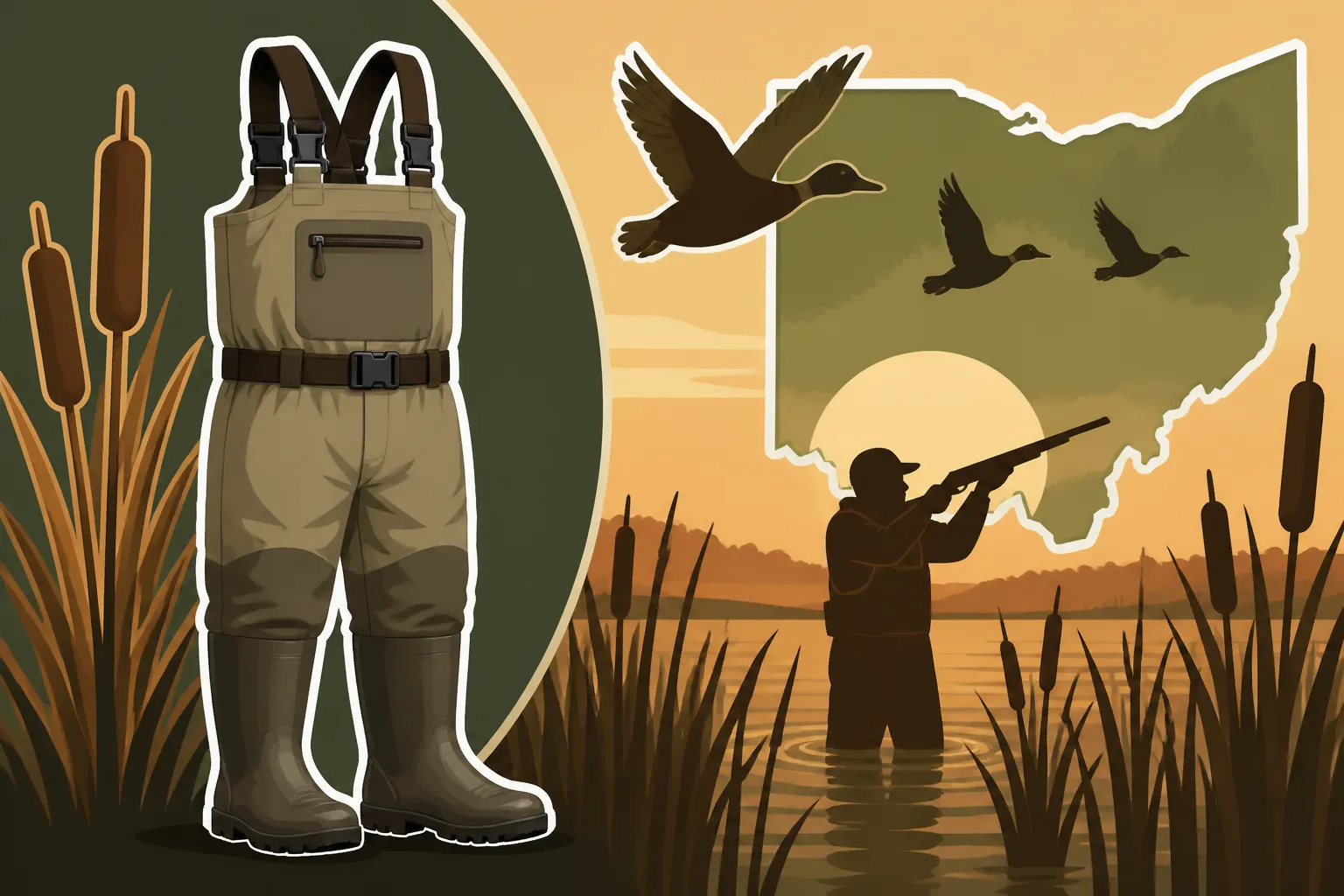
Hunting Ohio's vast cattail marshes can be one of the most rewarding — and challenging — experiences for a waterfowl hunter. The thick, unforgiving muck, frigid waters, and hidden obstacles beneath the surface can turn a promising morning into a miserable ordeal if you're not properly equipped. This guide is all about helping you navigate those treacherous environments, focusing specifically on how to choose the right waders to keep you warm, dry, and safe, ensuring your focus stays on the birds, not on your cold, wet feet.
The Unique Challenges of Ohio Cattail Marshes for Waders
Ohio's marshes, whether you're talking about the vast expanse of the Lake Erie Western Basin or smaller inland pockets, present a very specific set of environmental hurdles. These aren't just puddles; they're dynamic, often treacherous landscapes that demand specialized gear, starting with your waders. Understanding these challenges is the first step to choosing wisely.
Navigating Muck and Muddy Bottoms
If you've spent any time slogging through an Ohio cattail marsh, you know the particular brand of "marsh mud." It's not just soft soil; it's a thick, often soupy, almost adhesive concoction that loves to suck at your boots and hold you fast. Many hunters have found themselves knee-deep, or even waist-deep, in a muddy bottom, fighting to pull their feet free with every step. This isn't just an annoyance; it's a legitimate safety concern, especially when you're loaded down with decoys or a shotgun.
The constant suction and resistance mean that flimsy waders, or those with inadequate boot support, simply won't cut it. You need a wader system that provides excellent ankle and arch support within the boot itself, designed to prevent your foot from slipping out or twisting as you fight the mud. The sole needs aggressive traction, not just for grip on solid ground but to help you push through the viscous mud without losing your footing entirely. Think about the physical toll a long trek through the muck can take, and how the right waders can mitigate that exhaustion.
Furthermore, the mud isn't always uniform. You might encounter surprisingly firm spots followed by sudden, deep pockets that can quickly overtop ill-fitting waders. This unpredictable terrain makes bootfoot waders, with their integrated, often insulated boots, a popular choice for many, as they reduce the chance of mud seeping in between a stockingfoot and separate boot. However, we'll dive deeper into that choice later, because there are compelling arguments for both setups depending on your personal preference and hunting style. For now, just remember: the mud is your primary adversary.
Dealing with Cold Water and Icy Conditions
Ohio waterfowl season stretches into the colder months, especially for species like diving ducks that congregate on Lake Erie and other large bodies of water. This means you'll often be wading through water that's barely above freezing, or even pushing through thin layers of ice and slush. Staying warm isn't just about comfort; it's crucial for safety and endurance during a long hunt. Hypothermia is a real risk in these environments.
The water temperature can vary dramatically throughout the season. Early season hunts in October might allow for lighter insulation, but by late November and December, especially if you're out there for Ohio Waterfowl Hunting on Lake Erie and Inland, you'll be thankful for every millimeter of neoprene or every carefully chosen layer under your breathable waders. Even if the air temperature feels mild, cold water rapidly draws heat away from your body, making adequate insulation paramount.
Insulation in waders primarily comes from two sources: the wader material itself (like neoprene), or the ability to layer effectively underneath breathable w waders. Many hunters will pair thick wool socks and fleece layers with their waders to create a personal microclimate. It's not enough to simply block the water; you need a barrier that retains your body heat. The ability to customize your layering, as you might when preparing for a Cold-Weather Sitting Strategy in Ohio on a deer stand, becomes incredibly important when standing stationary in frigid marsh water waiting for the birds to commit.
Protecting Against Punctures and Tears
Cattail marshes are wild places, and that means they’re full of potential hazards for your waders. Think about the sharp, stiff stems of the cattails themselves, broken branches submerged just below the surface, remnants of old fences, or even discarded fishing line. All of these can be catastrophic for the integrity of your waders, turning a dry morning into a miserable, cold slog within seconds.
A sudden tear or puncture not only ruins your hunt but also exposes you to the cold water, raising those safety concerns we just discussed. This is why material durability isn't just a luxury; it's a necessity. You need waders built to withstand abuse, to push through dense cover, and to scrape against hidden debris without failing. Look for materials that offer high abrasion resistance and strong seam construction.
Many manufacturers address this by reinforcing key areas. The knees and seat are particularly vulnerable spots, as hunters often kneel, sit, or brace themselves against logs or stumps. Double-layered fabric, tougher denier materials, or even protective padding in these areas can significantly extend the life of your waders and prevent those dreaded mid-hunt leaks. When considering waders, think of them as armor against the marsh itself, not just a waterproof barrier.
Types of Waders: Finding Your Fit for Ohio Marshes
Just like there are different hunting methods for Spring Turkey Hunting in Ohio versus Coyote and Predator Hunting in Ohio, there are different wader types, each with its own strengths and weaknesses. The "best" type for you depends largely on the conditions you hunt most often and your personal preferences for warmth, mobility, and cost.
Neoprene Waders: Warmth and Durability
Neoprene waders are often the first image that comes to mind for many waterfowl hunters, and for good reason. Neoprene, the same material used in wetsuits, offers excellent insulation by trapping a thin layer of water against your body, which then warms up. In colder Ohio marsh conditions, this inherent warmth is a huge advantage, especially when you're standing stationary for long periods. They are fantastic for those late-season pushes when the temps drop and you're thinking about Hunting the Second Gun Weekend Before Christmas for ducks.
Beyond warmth, neoprene is remarkably durable. Its thick, rubber-like nature makes it more resistant to punctures and tears from sharp cattail stems or submerged sticks compared to many breathable fabrics. This ruggedness is a big plus when you're pushing through thick cover or retrieving a downed bird from a brushy area. You'll often find them in thicknesses ranging from 3mm to 7mm. A 3mm wader might be suitable for early season or if you're very active, but for true late-season Ohio cold, 5mm or even 7mm will offer superior protection.
However, neoprene waders aren't without their drawbacks. They tend to be heavier and bulkier than their breathable counterparts, which can make long walks to your blind more arduous. They also aren't very breathable, meaning if you're walking a good distance or the day warms up unexpectedly, you can quickly become sweaty inside. This sweat can then make you feel colder once you stop moving. So, while they excel in warmth and durability, consider your activity level and the typical temperatures you'll face.
Breathable Waders: Comfort and Versatility
Breathable waders have gained immense popularity over the last couple of decades, especially for hunters who prioritize comfort and mobility. Made from multi-layered synthetic fabrics like Gore-Tex or similar proprietary membranes, these waders allow moisture vapor (sweat) to escape while preventing water from entering. This means you stay drier and more comfortable, particularly if you're doing a lot of walking or hunting on warmer days.
The biggest advantage of breathable waders is their versatility. While they don't offer much inherent insulation, their lightweight nature allows for effective layering underneath. You can customize your thermal protection based on the day's forecast by adding or removing fleece pants, synthetic long underwear, or other insulating layers, much like you would for Layering for an Ohio Deer Stand. This makes them suitable for a wider range of temperatures, from early fall hunts where you might be Hunting Ohio River Backwaters in mild conditions to colder late-season ventures.
The trade-off for this comfort and breathability often comes in durability and initial warmth. While modern breathable waders have come a long way, they typically aren't as inherently puncture-resistant as thick neoprene without specific reinforcement. You'll want to look for models that feature reinforced knees, seat, and shins, often made with tougher denier nylon. Brands like GoHunt offer options that specifically cater to the rugged demands of marsh hunting, with strategic reinforcement in high-wear areas to give you both comfort and peace of mind.
Hybrid Waders: Best of Both Worlds
For those who find themselves torn between the warmth of neoprene and the comfort of breathable materials, hybrid waders offer a compelling compromise. These waders strategically combine different materials to optimize performance in specific areas. A common hybrid design might feature a durable, breathable upper body for comfort and mobility during walks, paired with a neoprene lower section (from the waist down) for added warmth and puncture resistance where you're most likely to be immersed in cold water and rubbing against submerged obstacles.
Another popular hybrid configuration involves breathable uppers with heavily insulated, often rubber or neoprene, bootfoot bottoms. This gives you the comfort of a breathable chest section while ensuring your feet, which are always in the coldest water, stay toasty warm. These combinations aim to mitigate the primary weaknesses of each standalone material while capitalizing on their strengths.
The advantage of hybrid waders is their adaptability. They can often handle a wider range of conditions more effectively than a single-material wader, making them a great choice for the diverse weather patterns you can encounter during an Ohio waterfowl season. However, this specialized construction often comes with a higher price tag. They also still involve some level of compromise – they might not be as warm as full 7mm neoprene, nor as lightweight and packable as the thinnest breathable waders. But for many Ohio marsh hunters, a well-designed hybrid strikes an excellent balance.
Key Features to Look for in Marsh Waders
Once you've decided on the general type of wader (neoprene, breathable, or hybrid), it's time to drill down into the specific features that will make or break your hunting experience in the demanding Ohio marshes. These aren't just bells and whistles; they're crucial components for performance, durability, and safety.
Bootfoot vs. Stockingfoot Waders
This is one of the most fundamental decisions you'll make when buying waders, and it significantly impacts comfort, warmth, and versatility in the marsh.
Bootfoot Waders:
Bootfoot waders feature boots permanently attached to the wader legs. The primary advantages of bootfoots for marsh hunting are convenience and integrated warmth. There's no separate boot to put on, no risk of mud or debris getting between your wader sock and boot, and the integrated boot is often well-insulated. For many hunters heading to a blind in the Magee Marsh Area Waterfowl Access, the simplicity of slipping into one piece of gear is a huge draw. The robust, integrated boots are typically designed with aggressive traction, which can be invaluable when battling deep mud. They generally offer more warmth to your feet, which is critical during late-season hunts where Muzzleloader Tactics in January Cold might feel warm compared to standing in freezing marsh water.
However, bootfoot waders have their downsides. The integrated boot means a less precise fit for your foot, which can lead to chafing or less ankle support compared to custom wading boots. They are also generally heavier and bulkier to transport and store. If a boot wears out or gets damaged, replacing the entire wader is often the only option. Their bulk also makes them less suitable if you're doing a lot of extensive walking, as the heavier boot can be cumbersome.
Stockingfoot Waders:
Stockingfoot waders have neoprene "socks" instead of attached boots. These require you to purchase separate wading boots. While this might seem like an extra hassle, it offers significant advantages in fit, comfort, and versatility. You can choose wading boots that perfectly fit your foot and provide the exact level of ankle support and traction you need for Ohio's notoriously muddy marsh bottoms. This customized fit reduces fatigue and the risk of blisters on long walks. Many hunters prefer a dedicated wading boot for optimal grip and stability when Running Hounds for Ohio Raccoon near creek bottoms, or just crossing uneven marsh terrain.
The separate boot also means lighter overall weight for the waders themselves, making them more comfortable for longer hikes to your hunting spot. If your wading boots wear out, you only need to replace the boots, not the entire wader. The main drawback is the added cost of buying separate boots and the extra step of putting them on. You also need to ensure your wading boots are appropriately insulated for cold weather, or plan to wear extra layers of wool socks. When choosing wading boots, think about Boots for Ohio Mud and Snow and apply similar considerations for traction and waterproofing.
Here’s a quick comparison:
| Feature | Bootfoot Waders | Stockingfoot Waders |
|---|---|---|
| Convenience | High (one piece) | Lower (two pieces) |
| Fit | Less precise, can be bulky | Highly customizable with separate boots |
| Warmth | Often well-insulated, integrated | Depends on wading boots and sock layering |
| Mobility | Heavier, bulkier for walking | Lighter, more flexible for active hunting |
| Traction | Good, integrated | Excellent, choose specialized wading boots |
| Repair | Harder to repair boot component | Replace boots independently |
| Cost | Often less initial cost (all-in-one) | Higher initial cost (waders + boots) |
Material and Construction: Durability Matters
Beyond the basic type, the specific materials and how the waders are constructed are absolutely critical for their longevity and performance in Ohio's demanding marsh environment. Don't skimp here; cheaper waders often mean quicker leaks and replacements.
Firstly, pay close attention to reinforced areas. The knees and seat are high-wear points where constant kneeling, sitting, or friction can quickly lead to abrasion and leaks. Look for double-layered fabric, tougher denier ratings, or even built-in padding in these crucial zones. Some manufacturers integrate a tougher, more puncture-resistant material in the lower leg and boot area, especially useful for busting through light ice or dense cattails.
Secondly, seam construction is paramount. Waders are only as waterproof as their seams. Look for waders that feature double-stitched and taped seams, or even welded seams, which offer superior leak protection compared to single stitching. Heat-taped or fully sealed seams are a strong indicator of quality. Check the stitching around the suspender attachments and belt loops as well; these points endure significant stress.
Lastly, consider the smaller, but equally important, features. A good pair of waders will have a robust, adjustable wading belt that helps keep water from rushing in if you take a tumble. Integrated gravel guards, often found on stockingfoot waders, are essential for preventing sand and grit from getting into your wading boots and causing wear to the neoprene sock. Handwarmer pockets, especially fleece-lined ones, are a godsend on cold mornings, and external storage pockets for calls, shells, or other small gear can significantly improve your hunting efficiency in the marsh. Many hunters find these small features on premium offerings from brands like GoHunt make a tangible difference in their overall comfort and readiness.
Fit, Comfort, and Mobility
No matter how durable or insulated your waders are, if they don't fit well, you'll be uncomfortable, restricted, and potentially even unsafe. A proper fit is crucial for maintaining warmth, preventing chafing, and ensuring you can move effectively in the challenging marsh terrain. It’s not just about waist size; it’s about the overall cut and how it interacts with your body and your layering system.
When trying on waders, wear the layers you typically hunt in – not just a t-shirt. This includes your heavy long underwear, fleece pants, and thick wool socks. You need enough room to move freely, to crouch, kneel, step high over obstacles, and swing your shotgun without feeling constricted. Pinching or tightness anywhere, especially in the crotch or knees, will lead to discomfort, restricted blood flow (making you colder), and accelerated wear on the fabric. Conversely, waders that are too baggy will bunch up, create cold spots, and can make wading through mud even more difficult as excess material drags in the water.
Adjustable suspenders are a must, allowing you to fine-tune the height of the wader chest for comfort. A comfortable, supportive wading belt is also vital, not just to prevent water intrusion but also to distribute the weight of the waders more evenly. Good mobility means you can navigate the marsh efficiently, set up your decoys without a struggle, and retrieve downed birds quickly. This freedom of movement is especially important if you're doing any "run-and-gun" style hunting or simply trying to cover a lot of ground in areas like Hunting the Maumee Bay Marshes. Prioritizing fit ensures your waders feel like an extension of your body, not an impediment.
Wader Care and Maintenance for Longevity
Investing in a good pair of waders for Ohio's cattail marshes is a significant decision, and you want them to last. Proper care and maintenance are absolutely critical for extending the life of your waders, preventing those frustrating mid-hunt leaks, and ensuring they perform season after season. Neglecting your waders is a sure path to early replacement.
Cleaning and Drying Your Waders
After every hunt, especially in the murky, muddy waters of an Ohio marsh, your waders will be caked in mud, possibly algae, and all sorts of organic debris. Ignoring this is a recipe for disaster. The first step in proper care is a thorough cleaning. Rinse your waders inside and out with fresh, clean water immediately after your hunt. Pay special attention to the seams and the boot area, ensuring all mud and grit are removed. You can use a soft brush to gently scrub away stubborn dirt, but avoid harsh detergents or abrasive cleaners, which can damage waterproof membranes and seam seals.
Once clean, proper drying is paramount. Hang your waders upside down first to allow any residual water inside the boots to drain out. Then, turn them right side out and hang them in a well-ventilated area, away from direct sunlight or excessive heat. It's crucial that they dry completely, both inside and out. Hanging them for several days is often necessary, especially for neoprene waders which can take longer to dry fully. Never store damp waders, as this leads to mildew growth, which not only smells terrible but also degrades the fabric and compromises waterproofing over time. Mildew can render even the best waders, like those you might pick up for Waterfowl Gear for Lake Erie and Inland Marsh, useless in short order.
When storing your waders for the off-season, ensure they are completely dry and clean. Hang them loosely in a closet or on a wide hanger, avoiding sharp creases that can damage the material or seam tape. Storing them folded in a tight pile is a bad idea, as it creates pressure points that can lead to premature wear and leaks. A little effort after each hunt goes a very long way in preserving your investment.
Repairing Leaks and Extending Life
Even the most durable waders can eventually spring a leak. It's almost an inevitable part of hunting in abrasive environments like cattail marshes. The key is to address these leaks promptly and correctly, rather than letting a small pinhole turn into a major seam failure. Most minor punctures can be easily repaired with a wader repair kit, which typically includes patches and a waterproof adhesive.
To find a leak, especially in breathable waders, turn them inside out and spray the exterior (which is now the interior) with rubbing alcohol. Leaks will show up as dark spots where the alcohol saturates the inner fabric. For larger holes or seam leaks, you might need to fill the waders with water (being careful not to overfill and stress the seams) and look for drips on the outside. Once located, clean the area thoroughly, apply the adhesive, and/or affix the patch according to the kit's instructions. Allow ample drying time before testing or using the waders again.
Understanding that small repairs are a normal part of wader ownership is key to getting maximum life out of your gear. Regular inspection of your waders for small nicks, abrasions, or developing leaks can prevent bigger problems down the line. While minor repairs are often a DIY job, extensive seam failures or large tears might warrant professional repair services or, unfortunately, signal that it's time to invest in a new pair. Remember, staying dry is non-negotiable for safety and comfort in Ohio's challenging marsh hunting environments, especially when you're out there chasing birds according to Ohio's New Waterfowl Zone Map or trying to hit your Ohio Duck Daily Bag Limit.
Disclaimer
This article is for general informational purposes only and does not constitute professional advice. Laws, prices and regulations vary by location and change over time. Consult a qualified professional for guidance on your specific situation.