Waterfowl Gear for Lake Erie and Inland Marsh
The biting wind coming off Lake Erie or the chill of a frozen inland marsh can make or break a waterfowl hunt, and nothing sours a hunt faster than being unprepared for Ohio's notoriously variable weather. Choosing the right gear isn't just about comfort; it's about staying safe and effective in conditions that can range from mild autumn breezes to frigid January blizzards. This comprehensive guide will walk you through the essential waterfowl gear you need to tackle both the vast expanse of Lake Erie and the intimate settings of Ohio's inland marshes, rivers, and farm fields.
Understanding Ohio's Diverse Waterfowl Environments
Ohio offers a truly varied landscape for waterfowl hunters, from the expansive open water of Lake Erie to the dense cattail marshes, winding rivers, and flooded agricultural fields scattered across the state. Each environment presents its own unique challenges and, consequently, demands a slightly different approach to gear selection. It’s not a one-size-fits-all game here in Ohio, and understanding these differences is your first step to a successful season.
The Unique Demands of Lake Erie
Hunting ducks and geese on Lake Erie is an entirely different beast than hiding in a cattail marsh. The sheer scale of the lake means wind and waves can whip up in an instant, turning a calm morning into a dangerous ordeal. You're often dealing with big water, strong currents, and a need for serious concealment on a seemingly endless horizon. This environment is typically favored by diver ducks like canvasbacks, redheads, and bluebills, but puddlers and geese will use the protected bays and nearshore areas.
When you're out on Lake Erie, safety is paramount. Your boat needs to be sea-worthy, your personal flotation devices (PFDs) must be readily accessible, and your ability to retrieve downed birds, sometimes in choppy conditions, is crucial. The gear here often leans towards heavy-duty, robust solutions that can withstand constant exposure to harsh elements. Think about how much more wear and tear your waders, decoys, and even your shotgun will endure when battling waves and ice compared to a sheltered pond. The challenges are real, and your gear needs to be up to the task. Hunting Lake Erie Marsh Zone Waterfowl touches on some of these unique regional aspects, but the open lake itself is another level.
Navigating Inland Marsh and River Systems
Move away from the big lake, and Ohio's inland marshes and river systems present a different set of obstacles. These areas might be shallower, with more abundant natural cover like cattails, reeds, and flooded timber. Access can often be limited, requiring smaller boats, canoes, or even just good old-fashioned wading. The birds you're targeting here are often puddle ducks like mallards, wood ducks, and teal, which prefer these shallower, vegetated feeding grounds.
Concealment is key in these tighter quarters, as ducks will often work closer than they would on open water. Your blind needs to blend seamlessly with the surroundings, and noise discipline is even more important. While the waves aren't crashing, the mud can be deep, and the water still biting cold. Getting bogged down in thick muck or struggling to retrieve a bird from dense cover are common frustrations. The emphasis here shifts from sheer ruggedness for big water to stealth, maneuverability, and effective camouflage tailored to specific local flora. Many of Ohio's smaller public lands offer this kind of hunting.
Farmland Field Hunting Considerations
Don't forget the fields! While not strictly "water," many waterfowl, especially Canada geese and sometimes mallards, feed heavily in harvested corn or soybean fields, particularly during migration. This often means setting up layout blinds or A-frame blinds directly in the middle of a field, surrounded by dozens, if not hundreds, of full-body goose decoys. The challenges here involve total concealment against a flat backdrop, the ability to transport a lot of bulky gear, and enduring long, cold sits exposed to the wind.
The gear for field hunting centers on effective concealment that disappears into the stubble, combined with comfort for hours spent lying prone or sitting low. You'll need different camouflage patterns than you might use in a marsh, often leaning towards agricultural stubble or cornfield patterns. Retrieval of birds in a large field also differs, often requiring a good retriever or a solid tracking plan. Understanding when and where geese are hitting certain fields often requires diligent scouting, which can be done using mapping tools like GoHunt to identify potential feeding patterns and landowner boundaries. Layout Blind Hunting Ohio Farm Fields provides more specific tactics for this popular style of hunting.
Essential Waterfowl Clothing and Layering
Staying warm and dry is absolutely non-negotiable when waterfowl hunting in Ohio. The weather can swing wildly from one day to the next, and being wet or cold can not only ruin a hunt but can also become a serious safety concern. The key to success lies in a smart layering system that allows you to adapt to changing conditions.
Base and Mid-Layers: Staying Warm From Within
Think of your base layer as your second skin. Its primary job is to wick moisture away from your body. Sweat, even on a cold day, can quickly chill you to the bone once you stop moving. Opt for synthetic materials like polyester or natural fibers like merino wool. Cotton is your enemy here – it absorbs moisture and takes forever to dry, leaving you cold and miserable. A good lightweight base layer is effective even on warmer early season days, pulling moisture away to keep you comfortable.
Your mid-layers are all about insulation. This is where you trap warm air to keep your body heat in. Fleece, down, or synthetic insulation are all excellent choices. You might wear one thick mid-layer or multiple thinner ones, depending on the temperature and your activity level. For instance, on a brisk November morning, you might start with a light merino wool base layer, add a medium-weight fleece jacket, and then top it with a heavier insulated vest. As the day warms up or if you're actively setting decoys, you can shed a layer or two. The beauty of layering is its adaptability; you can dial in your warmth precisely. Layering for an Ohio Deer Stand offers insights into general cold-weather layering that applies directly to waterfowl hunting.
Outerwear: Waterproof, Windproof, and Camouflaged
Your outer layer is your shield against the elements. It absolutely must be waterproof and windproof. A leaky jacket or a coat that lets the wind slice through will make for a miserable experience, no matter how good your base and mid-layers are. Look for materials like Gore-Tex or similar proprietary waterproof/breathable membranes. The breathability is important to prevent you from overheating and sweating during periods of activity, like walking into a marsh or retrieving decoys.
Beyond protection from the elements, your outer layer provides your camouflage. Choose a pattern that matches the environment you'll be hunting most often. For cattail marshes, a tan/brown marsh pattern is ideal. For flooded timber, a dark timber or natural leafy pattern works wonders. And for field hunting, a stubble or cornfield pattern is essential. Durability is also a major factor, as waterfowl hunting gear takes a beating from brush, ice, and constant exposure. A good quality waterfowl parka and bibs or pants will be a significant investment, but they'll last for years and keep you comfortable in the worst conditions Ohio can throw at you.
Headwear, Gloves, and Footwear: Critical Extremity Protection
These are often overlooked but are absolutely critical for comfort and safety. You lose a significant amount of heat through your head, so a warm, waterproof hat is a must. A fleece beanie is a good start, but consider a windproof, insulated hat that covers your ears for truly cold days. Many hunters also use face masks or neck gaiters to protect exposed skin from windburn and help with concealment.
Gloves are tricky because you need warmth and protection, but also dexterity for shooting, calling, and handling decoys. Many hunters opt for a layering system here too: a thin, dexterous shooting glove underneath a thicker, waterproof and insulated over-mitt or glove that can be easily shed when it’s time to shoot. For particularly icy days, hand warmers inside your gloves or pockets can be a lifesaver.
Finally, footwear. This is perhaps the most important piece of gear after your waders. Insulated, waterproof boots are essential. For wading in marshes or using a small boat, chest waders are often the go-to. Look for waders with good insulation in the boots, durable construction, and perhaps even fleece-lined pockets for warmth. Neoprene waders offer excellent insulation, while breathable waders can be more comfortable for walking long distances, especially with appropriate layers underneath. Whatever you choose, ensure they fit well and offer good traction, as Ohio's marsh bottoms can be slippery and uneven. Waders for Cattail Marsh Hunting goes into even more detail on this specific gear choice.
Decoys and Spreads for Ohio Waterfowl
Decoys are your primary tool for luring waterfowl into range, and the type, quantity, and arrangement of your decoys will vary significantly depending on the species you’re targeting and the environment you’re hunting. Building an effective decoy spread is both an art and a science, influenced by everything from current weather to hunting pressure.
Diver and Puddle Duck Decoy Strategies for Lake Erie
Hunting on Lake Erie often means targeting diver ducks. These birds, such as canvasbacks, redheads, and scaup (bluebills), prefer open water and tend to raft up in large groups. For divers, motion and visibility are key. Spreads are often large, featuring dozens of decoys rigged on long lines or gang rigs to simulate a massive raft of birds. You’ll typically use diver-specific decoys that ride lower in the water and have darker, more muted colors compared to puddle ducks. The sheer number of decoys helps create a highly visible spread that attracts birds from a distance, crucial on big water.
Puddle ducks, like mallards and black ducks, might also be found in protected bays or nearshore areas of Lake Erie. For these, a smaller, more natural spread mimicking feeding or resting birds near emergent vegetation can be effective. Motion decoys, like spinning wing ducks (if legal in your area during certain times of the season) or jerk strings, can add realism and draw attention. When setting up for Lake Erie, consider the current and wind. Decoys must be weighted properly and rigged securely to prevent them from drifting away in strong winds and waves. Consistency is key, and if you’re hunting the same spot repeatedly, it’s worth observing how birds approach and adjust your spread accordingly. Diver Hunting on Open Lake Erie Water will help you strategize your approach for these birds.
Marsh and River Spreads: Realism and Movement
In Ohio’s inland marshes and river systems, realism and subtle movement often trump sheer numbers. Puddle ducks are typically the main target here, and they are often more wary than divers. A smaller spread of a dozen to two dozen realistic-looking mallards, wood ducks, and a few pintails can be highly effective. Focus on creating a natural-looking landing zone for the birds within good shooting range, usually into the wind.
Adding motion is vital in these environments. Jerk strings can make a few decoys dance, simulating feeding birds. Small, battery-operated splashers or agitators can create ripples that mimic live ducks. When hunting rivers, consider the current. Decoys should be set to appear to be swimming naturally against the current or resting in eddies. For both marshes and rivers, blend your decoys with the natural vegetation. If there are pockets of open water surrounded by cattails, place your decoys strategically within those openings. Don’t be afraid to experiment with different patterns – a "J-hook," a "U-shape," or simply scattered groups can all work depending on the birds’ flight patterns and the wind.
Goose Decoys for Field and Water
Canada geese are a major draw for Ohio hunters, and they are incredibly adaptable, feeding in both water and harvested fields. For field hunting, full-body goose decoys are the gold standard. These are realistic, life-sized decoys designed to stand upright in a field, simulating a flock of feeding or resting geese. They are bulky and expensive, but they are incredibly effective. A spread of 2-5 dozen full-bodies can draw in geese from long distances. Silhouette decoys or even "smasher" decoys (which are flatter and more compact) can be used to add bulk to a spread without the cost or space of full-bodies.
When geese are feeding in water, such as large ponds, reservoirs, or even protected bays of Lake Erie, floating goose decoys are necessary. These are larger than duck decoys and designed to mimic geese on the water. Similar to field spreads, numbers can be important, but natural arrangement is also key. Consider adding some "active" decoys, like sentry or feeder poses, to create a more dynamic and inviting scene. Remember that geese are sharp-eyed; realism, proper concealment, and motion are all crucial for success. Utilizing tools like the GoHunt app for aerial imagery can help identify prime field and water locations where geese might be congregating, informing your decoy spread setup.
| Decoy Type | Primary Target | Environment | Typical Spread Size | Key Feature |
|---|---|---|---|---|
| Diver Decoys | Diver Ducks | Open Lake Erie, Big Water | Large (50-100+) | Long lines/gang rigs, ride low, high visibility |
| Puddle Duck Decoys | Puddle Ducks | Inland Marsh, Rivers, Ponds | Medium (12-36) | Realistic, motion elements, natural placement |
| Floating Goose Decoys | Canada Geese | Large Ponds, River Bays | Medium (12-36) | Larger profile, natural resting/feeding poses |
| Full-Body Goose Decoys | Canada Geese | Harvested Fields | Large (24-72+) | Realistic, high visibility, durable |
| Silhouette Decoys | Canada Geese | Harvested Fields | Varies | Adds bulk cheaply, easily portable |
Waterfowl Shotguns and Ammunition
Your shotgun is your primary tool for harvesting birds, and selecting the right one, along with appropriate ammunition, is crucial for effectiveness and compliance with Ohio’s hunting regulations. There are many options out there, but reliability and proper patterning are paramount for waterfowl.
Choosing the Right Shotgun for Ohio Waterfowl
For waterfowl hunting, semi-automatic shotguns are a perennial favorite due to their ability to quickly fire multiple shots. Most hunters opt for a 12-gauge, which offers the widest range of ammunition choices and excellent stopping power for ducks and geese. The 3-inch chamber is standard, but many modern waterfowl guns also come with a 3.5-inch chamber, allowing for magnum loads that can extend your effective range, particularly for geese or high-flying divers. However, practice with 3.5-inch shells is essential, as they have significantly more recoil.
Pump-action shotguns are another reliable and often more affordable option. They are incredibly robust and less prone to cycling issues in extremely cold or dirty conditions. While slower to cycle than a semi-auto, a skilled shooter can be very effective with a pump. Over/under and side-by-side shotguns are less common in waterfowl hunting due to their two-shot capacity and often higher price point, though they are certainly capable. Whichever action you choose, look for a shotgun designed for rugged use, often with synthetic stocks and corrosion-resistant finishes, which are vital for enduring the wet and often muddy conditions of Ohio waterfowl hunting.
Nontoxic Shot Requirements and Options
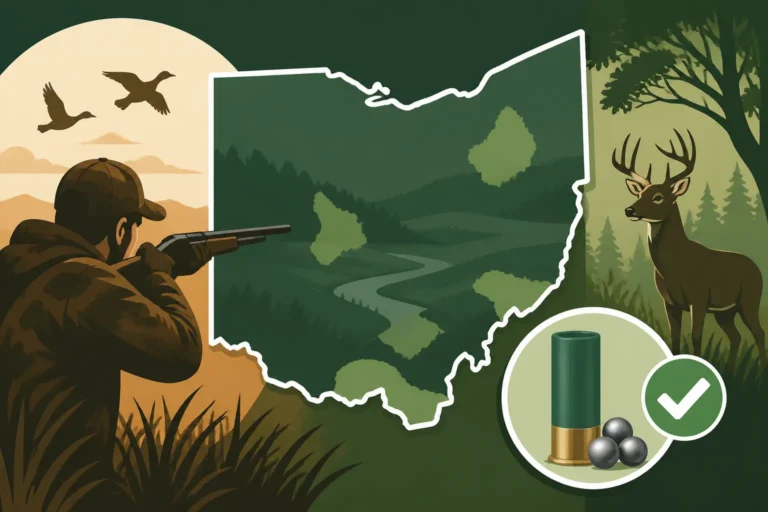
This is a critical point: it is illegal to use lead shot for waterfowl hunting anywhere in the United States, including Ohio. You must use nontoxic shot. This regulation is in place to prevent lead poisoning in waterfowl and other birds that ingest spent shot. The most common nontoxic alternative is steel shot, which is affordable and widely available. However, steel is lighter than lead and has different ballistic properties, meaning it patterns tighter and loses energy faster. You often need to go up a shot size or two with steel compared to what you might use with lead for similar performance.
Other excellent nontoxic options exist, though they are generally more expensive. These include bismuth, tungsten-iron, tungsten-matrix, and blends like Hevi-Shot. These materials are denser than steel, often approaching or even exceeding the density of lead, which allows for smaller shot sizes and better energy retention, leading to cleaner kills at longer ranges. When choosing your shot, consider your target species. Smaller shot sizes (like #3 or #4 steel, or #5 or #6 bismuth) are excellent for ducks, while larger shot (BB, BBB, or T steel, or #2 or #1 bismuth) is preferred for the tougher Canada geese. Where Nontoxic Shot Is Required in Ohio provides more local details on this regulation.
Patterning Your Shotgun for Optimal Performance
Buying a box of nontoxic shells and heading straight to the marsh without patterning your shotgun is a recipe for frustration and missed birds. Every shotgun, choke, and ammunition combination patterns differently. "Patterning" means shooting at a large paper target (typically 30-40 inches square) at various distances (e.g., 20, 30, 40 yards) to see how your chosen shot spreads out. You're looking for a dense, even pattern that puts enough pellets in a vital area for a clean kill.
Your choke choice plays a huge role here. Steel shot, due to its hardness, can perform differently through traditional lead-specific chokes. Many waterfowl hunters use modified or improved cylinder chokes for ducks, and sometimes a full or extra-full choke for geese, though specialized "steel-rated" full chokes are recommended if you plan to go tighter. If you're using denser nontoxic loads like bismuth, you can often use tighter chokes designed for lead. Patterning will tell you what works best. It's an investment of time and ammunition, but it ensures you understand your shotgun's capabilities and can make ethical, clean shots in the field. This practice will boost your confidence immensely when that flock of mallards banks over your decoys.
Boats, Blinds, and Concealment
Getting to your hunting spot and effectively hiding from sharp-eyed waterfowl are fundamental aspects of success. Ohio's varied landscapes demand a range of solutions, from specialized boats for big water to carefully constructed natural blinds.
Marsh Boats, Layout Boats, and Canoes
For hunting the vastness of Lake Erie or large reservoirs, a purpose-built marsh boat or layout boat is often indispensable. Marsh boats are typically small, low-profile Jon boats or specialized aluminum craft designed for stability in choppy water and easy concealment in shoreline vegetation. They get you and your gear to your spot safely. Layout boats, on the other hand, are specifically designed for open-water hunting. The hunter lies prone in the boat, which is then covered with a blind to blend in with the water and sky. These are incredibly effective for diver hunting on Lake Erie's open water, as they present a minimal profile to incoming birds. Marsh Boats and Push Poles delves deeper into these specific vessels.
For inland marshes, rivers, and smaller ponds, lighter and more maneuverable options like canoes, kayaks, or even small inflatables are often preferred. A canoe can be paddled silently through shallow water and dense vegetation, allowing access to spots larger boats can't reach. They are also easier to hide once you get to your destination. Whatever type of boat you choose, ensure it's stable enough for your hunting conditions, has adequate capacity for you, your gear, and retrieved birds, and is equipped with all necessary safety gear like PFDs, paddles, and anchor. For pushing through thick mud and shallow water, a sturdy push pole can be just as important as an outboard motor.
Layout Blinds, A-Frames, and Natural Blinds
Once you've reached your spot, the next challenge is to disappear. For field hunting, layout blinds are the standard. These low-profile blinds allow you to lie down in a field, blending seamlessly with the stubble. Modern layout blinds are comfortable, keep you out of the mud and wind, and allow for a quick sit-up shooting position. They are crucial for hunting geese and often ducks in agricultural settings. A-frame blinds are another popular option for field hunting or along field edges. These freestanding blinds provide a more upright sitting position, offer better protection from the elements, and can be brushed in heavily to create a natural-looking hedge or fence line.
In marsh and river environments, natural blinds are often the most effective. Using existing vegetation like cattails, willows, or flooded timber, you can construct a blind that perfectly blends into the surroundings. The key is to break up your outline and ensure there are no unnatural straight lines or gaps. A blind material like camo netting or burlap can be used to augment natural cover. Portable panel blinds, made of durable camouflage fabric stretched over a frame, are also a great option for marsh edges or areas with sparse natural cover, as they can be quickly deployed and brushed in. Remember, no matter how good your blind is, if you're fidgeting, talking loudly, or have shiny objects exposed, you'll still spook birds.
Dog Blinds and Concealment for Canine Companions
If you hunt with a retriever, their concealment is just as important as yours. An exposed dog can easily flare a flock of wary ducks. Dog blinds are specifically designed for this purpose, keeping your canine partner hidden while allowing them a clear view of the falling birds. These can range from simple mesh blinds that clip onto a layout blind to more robust, insulated blinds that protect your dog from the cold and wind. For marsh hunting, portable dog stands or platforms can keep your retriever out of icy water and mud, which is better for their health and comfort during long waits.
When using a natural blind, ensure there's a well-concealed, comfortable spot for your dog. Teach them to be still and quiet in the blind – a wagging tail or an excited whine can give away your position. Many hunters use dog vests, which not only provide warmth and flotation but also come in camouflage patterns to aid in concealment. The better your dog is hidden, the more successful your hunts will be. A good retriever is an invaluable asset, but their effectiveness depends on proper training and concealment. Dog Vests for Cold Water Retrieves covers this essential piece of gear in detail.
Optics and Electronics for Waterfowl Hunting
While less critical than a shotgun or waders, a good set of optics and reliable electronics can significantly enhance your waterfowl hunting experience, from scouting to navigation to safety. They provide information and capability that you just can't get otherwise.
Binoculars and Spotting Scopes for Scouting
Long before the decoys hit the water, good optics are indispensable for scouting. A quality pair of binoculars, typically 8×42 or 10×42, will allow you to scan distant fields, identify waterfowl resting on open water, and observe flight patterns from a safe distance without disturbing the birds. You'll be able to tell the difference between ducks and geese, and even get an idea of species composition, which helps you fine-tune your decoy spread and calling strategy. Spending time with your binoculars before a hunt allows you to predict where birds want to be and when, increasing your chances of success.
For even more detailed long-range observation, especially on large bodies of water like Lake Erie or vast agricultural fields, a spotting scope can be incredibly useful. With higher magnifications (20-60x or more), you can clearly identify specific species, count birds, and monitor their movements from several miles away. This can save you countless hours of setting up in unproductive spots. Both binoculars and spotting scopes should be rugged, waterproof, and fog-proof, as they'll be exposed to the elements. Many optics companies, including those that might be featured on GoHunt’s gear reviews, offer excellent options suitable for waterfowl hunting.
GPS Units and Mapping Apps for Navigation
Ohio's marshes and winding river systems can be disorienting, especially in low light or fog. A reliable GPS unit or a smartphone with a robust mapping app is absolutely essential for safe navigation. Pre-loading your hunting area with detailed maps, marking your blind location, access points, and any hazards (like stumps or shallow areas) before the hunt can prevent you from getting lost or stranded. Apps like GoHunt, for example, often feature satellite imagery, public/private land boundaries, and the ability to drop waypoints, making them incredibly powerful tools for hunters.
In addition to navigation, these tools are invaluable for scouting. You can mark areas where you've seen birds, identified good cover, or found productive feeding areas. This creates a digital diary of your scouting efforts, helping you build a comprehensive understanding of your hunting grounds over time. Always carry a backup power source for your phone or a dedicated GPS unit with extra batteries, as cold weather can quickly drain electronics.
Lights and Charging Solutions
Waterfowl hunting often begins and ends in the dark. A reliable headlamp is a must-have for navigating to your blind, setting decoys, and picking up after the hunt. Look for a headlamp with multiple brightness settings, a red light option (to preserve night vision), and a long battery life. Waterproof and durable models are ideal for the wet environments you'll encounter. Having a small, powerful handheld flashlight as a backup is also a good idea.
Given the reliance on electronic devices like phones and GPS units, portable charging solutions are crucial. A durable power bank with enough capacity to fully recharge your devices multiple times is a smart investment. Cold weather dramatically reduces battery life, so keeping your electronics and power bank warm (e.g., in an inside jacket pocket) can help extend their charge. Some hunters even carry small, portable solar chargers for extended trips, though these are less common for typical day hunts in Ohio.
Calling and Retriever Gear
Effective communication, both with the birds and with your canine companion, is what often turns a decent hunt into a memorable one. Having the right calls and dependable retriever gear are critical components of a successful waterfowl strategy.
Duck and Goose Calls: Mastering the Language
Calling is an art form that takes practice, but even basic calling can be incredibly effective. For ducks, a good quality mallard call is your bread and butter. You’ll want to learn the basic quack, feeding chuckle, greeting call, and comeback call. Don’t just buy a call and expect magic; spend time practicing at home, listening to real ducks, and refining your technique. Wood duck and teal calls can also be useful additions, especially in marshy environments where these species are common.
For geese, a short-reed Canada goose call is the most popular choice. Mastering the honk, cluck, moan, and murmur will allow you to communicate effectively with passing flocks. Goose calling requires significant air pressure and diaphragm control, so practice is even more critical. There are countless calls on the market, from inexpensive plastic models to high-end custom acrylic calls. Start with a good, easy-to-learn plastic call and upgrade as your skills develop. Carrying a lanyard with multiple calls, including a whistle for pintails or widgeon, gives you versatility in the field. Don't underestimate the power of knowing when not to call – sometimes silence is the deadliest sound.
Dog Vests, Whistles, and Training Aids
A well-equipped retriever is a safer and more effective retriever. A good dog vest provides insulation, flotation, and protection from sharp sticks or ice. Look for vests that fit snugly without restricting movement, and consider a blaze orange option for safety when traversing to and from your blind. Neoprene vests are excellent for cold water, keeping your dog's core warm during long waits and retrieves. Dog Vests for Cold Water Retrieves further elaborates on their importance.
A quality dog whistle is essential for remote commands. While you might use voice commands close by, a whistle carries farther and is less likely to spook birds. Train your dog to respond to whistle commands for "sit," "stay," "come," and "fetch." A durable, waterproof leash and collar are also necessary for safely transporting your dog and keeping them under control. Basic training dummies or bumpers are great for offseason practice to keep your dog sharp. Many hunters use e-collars for advanced training and in-field control, but proper training with these devices is paramount to ensure humane and effective use.
First Aid for Your Canine Partner
Just like you carry a first aid kit for yourself, a separate, well-stocked first aid kit for your dog is a smart addition to your waterfowl gear. Accidents can happen quickly in the field, from cuts and scrapes to puncture wounds from sticks, or even hypothermia in extreme cold. Include items like antiseptic wipes, gauze, vet wrap, small scissors, tweezers, a tick remover, and any specific medications your dog might need.
It’s also wise to carry some instant-read glucose paste or tablets in case your dog experiences low blood sugar after strenuous activity, especially in cold weather. Knowing basic canine first aid, such as how to treat a minor wound or recognize signs of hypothermia, could be life-saving. Familiarize yourself with the nearest veterinary emergency clinic to your hunting area beforehand, just in case a serious injury occurs. Your dog is your hunting partner, and their well-being should always be a top priority.
Miscellaneous but Crucial Gear
Beyond the major items, a host of smaller, often overlooked pieces of gear can significantly improve your comfort, safety, and overall success during an Ohio waterfowl hunt. These are the details that separate a prepared hunter from one who’s just getting by.
Game Straps, Bags, and Cleaning Kits
Once the shot is fired and the bird is retrieved, you need a way to efficiently handle your harvest. Game straps are simple but incredibly useful for carrying multiple ducks or geese out of the field, freeing up your hands for your shotgun and other gear. They prevent you from having to awkwardly juggle birds or stuff them into pockets. For longer walks or if you're harvesting a larger number of birds, a dedicated game bag or backpack with a game compartment is invaluable. These bags are often designed with waterproof linings or mesh to allow for drainage and easy cleaning.
Once home, a good game cleaning kit makes processing your birds much easier. This typically includes a sharp filleting knife, a pair of game shears for wing removal or breaking down carcasses, and a sturdy cutting board. Many hunters also appreciate a pair of latex or nitrile gloves for hygiene. Learning how to properly breast out a duck or goose not only maximizes your yield but also makes cooking much more enjoyable. Keep your knives sharp, as a dull knife is a dangerous knife, and clean your gear thoroughly after each use to prevent bacteria buildup.
Thermos, Snacks, and Emergency Supplies
Long hours in a cold, damp blind can drain your energy and spirits. A good quality insulated thermos, filled with hot coffee, tea, or broth, can provide a much-needed morale boost and internal warmth. Staying hydrated, even in cold weather, is important, so carry water in an insulated bottle to prevent it from freezing. Nutrient-dense, easy-to-eat snacks like energy bars, nuts, or dried fruit will keep your energy levels up during long waits. Avoid sugary snacks that lead to a quick crash.
Beyond comfort, emergency supplies are critical. Always carry a small but comprehensive first aid kit for yourself. This should include bandages, antiseptic wipes, pain relievers, and any personal medications. A fire starter (waterproof matches, lighter, or ferro rod), a small utility knife or multi-tool, and a length of cordage are basic survival items that take up little space but can be invaluable in a pinch. Even for a seemingly straightforward hunt, conditions can change quickly, and being self-reliant is always the safest approach.
Safety Gear: PFDs and Communication
On the water, safety is paramount. Personal Flotation Devices (PFDs), or life jackets, are not optional; they are a legal requirement and a life-saving device. Ensure everyone in your boat has a properly fitting PFD readily accessible, and consider wearing it at all times, especially in cold water or rough conditions. Cold water immersion can quickly incapacitate you, making it difficult to put on a PFD if you're already in the water.
Communication is another critical safety component. While a cell phone with a mapping app is useful, cell service can be spotty in remote marsh areas or out on Lake Erie. Consider carrying a marine-band VHF radio, especially if hunting big water. These radios allow you to communicate with other boaters and the Coast Guard, even without cell service. A charged cell phone in a waterproof case is still a good idea, as is a fully charged two-way radio if hunting with partners who are nearby. Let someone know where you are hunting and when you expect to return. This "float plan" can be a lifesaver if something goes wrong. Always prioritize safety over getting a bird, because no duck or goose is worth risking your life for.
Disclaimer
This article is for general informational purposes only and does not constitute professional advice. Laws, prices and regulations vary by location and change over time. Consult a qualified professional for guidance on your specific situation.